
Are you ready to elevate your fishing game? Knowing how to tie a fishing line to a hook is one of the most essential skills for any angler.
Whether you’re a beginner or a seasoned pro, mastering this technique can be the difference between a successful catch and a disappointing day on the water. Imagine the thrill of feeling that tug on the line, knowing you’re prepared to reel in your prize.
This guide will walk you through the process, step by step, making it simple and straightforward. By the end, you’ll have the confidence to tackle any fishing challenge. Don’t let another “one that got away” story slip through your fingers. Dive in and learn the secrets to a secure and reliable fishing knot.
Credit: n1outdoors.com
Choosing The Right Fishing Line
Selecting the right fishing line is key to a successful fishing trip. The line affects how well you can cast, hook, and land fish.
Many anglers choose from different types of lines based on their fishing needs and environment. Understanding these options helps you pick the best line for your hook.
Monofilament Vs. Braided Lines
Monofilament and braided lines are the two main types. Each has strengths and weaknesses that fit various fishing styles.
- Monofilament:Made from a single strand of nylon. It stretches well and is easy to handle.
- Braided:Made from woven fibers. It is very strong and thin but has little stretch.
Selecting Line Strength
Line strength is measured in pounds and shows how much weight the line can hold before breaking. Choosing the right strength prevents lost fish and snapped lines.
| Fish Type | Recommended Line Strength (lbs) |
| Small Panfish | 2–6 |
| Trout and Bass | 6–12 |
| Walleye and Pike | 12–20 |
| Large Saltwater Fish | 20+ |
Considering Fishing Conditions
Fishing conditions affect which line you should use. Factors include water clarity, cover, and weather.
- Clear water calls for thinner, less visible line.
- Heavy cover like weeds or rocks needs stronger line.
- Windy or rough water may require more abrasion-resistant line.

Credit: www.ohero.com
Picking The Best Hook
Choosing the right fishing hook is important for a good catch. The hook must match the size of the fish and the bait you use.
Different hooks fit different fishing needs. Knowing hook sizes and types helps you pick the best one.
Hook Sizes And Types
Hooks come in many sizes and styles. Smaller hooks work for small fish and live bait. Larger hooks fit bigger fish and heavier bait.
| Hook Size | Common Use | Fish Type |
|---|---|---|
| Size 8-12 | Small hooks for light bait | Trout, Panfish |
| Size 4-6 | Medium hooks for live bait | Bass, Walleye |
| Size 1/0-3/0 | Large hooks for heavy bait | Catfish, Pike |
| Size 4/0 and above | Extra-large hooks for big fish | Salmon, Muskie |
Matching Hook To Bait
Match your hook size to the bait size for best results. The hook should hold the bait firmly but not hide it.
- Use small hooks for worms and insects.
- Choose medium hooks for minnows and small fish.
- Pick large hooks for cut bait or big live bait.
- Adjust hook size to bait thickness and length.
Tip: The hook point should show slightly beyond the bait to catch fish better.
Essential Knot Types
Tying fishing line to a hook is a key skill for every angler. Using the right knot keeps your line strong and secure.
Here are three essential knots you should know to tie your fishing line properly to a hook.
Improved Clinch Knot
The Improved Clinch Knot is popular for its simplicity and strength. It works well with most fishing lines and hooks.
- Pass the line through the hook eye.
- Wrap the tag end around the standing line five to seven times.
- Thread the tag end through the small loop near the eye.
- Then pass it back through the big loop.
- Pull the knot tight and trim the excess line.
Palomar Knot
The Palomar Knot is strong and easy to tie. It works great with braided lines and retains high line strength.
- Double about six inches of line and pass it through the hook eye.
- Tie a loose overhand knot with the doubled line.
- Pass the hook through the loop of the overhand knot.
- Pull both ends to tighten the knot.
- Cut the tag end close to the knot.
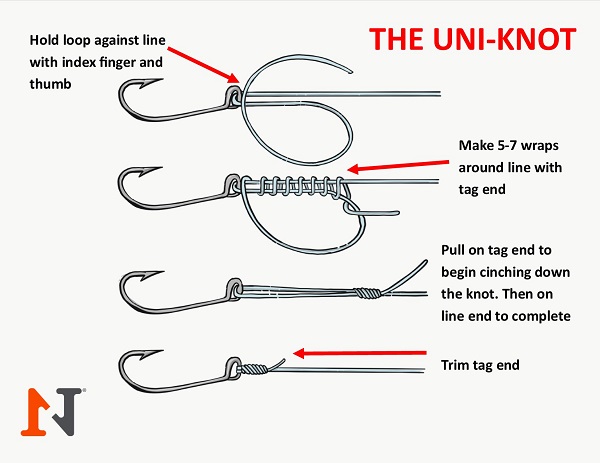
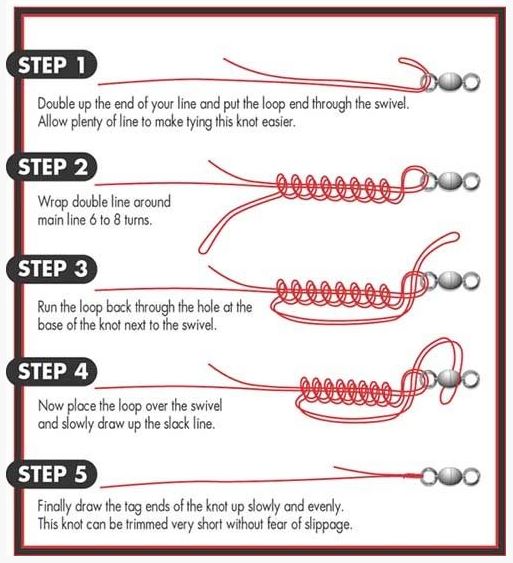
Uni Knot
The Uni Knot is versatile and strong. It can tie line to hooks, lures, or connect two lines.
| Step | Action |
|---|---|
| 1 | Pass the line through the hook eye and double back. |
| 2 | Make a loop by laying the tag end over the doubled line. |
| 3 | Wrap the tag end around the doubled line five to six times. |
| 4 | Pull the tag end to tighten the coils. |
| 5 | Slide the knot down to the eye and pull the standing line to secure. |
Step-by-step Knot Tying
Tying a fishing line to a hook is important for a strong catch. This guide shows you clear steps to tie a secure knot. Follow each part carefully for the best results.
We will cover how to prepare the line and hook, tie the knot tightly, and test its strength before fishing.
Preparing The Line And Hook
Start with clean hands to avoid slipping. Choose a hook size that fits your fishing needs. Cut the fishing line cleanly with scissors or a line cutter.
- Check the hook for rust or damage
- Use a fresh piece of line about 18 inches long
- Moisten the line tip with water or saliva
- Thread the line through the hook eye from front to back
Tying The Knot Securely
The improved clinch knot is a popular and strong way to tie your line. Follow these steps carefully.
- Pass the line through the hook eye.
- Wrap the loose end around the standing line 5 times.
- Thread the loose end through the small loop near the hook eye.
- Pass the loose end back through the big loop you just made.
- Wet the knot with water or saliva to reduce friction.
- Pull both ends slowly to tighten the knot.
- Trim the loose end close to the knot.
Testing Knot Strength
Checking your knot strength helps avoid losing fish. Pull the line firmly for a few seconds. The knot should hold without slipping or breaking.
| Test Action | Expected Result |
| Pull line gently | Knot stays tight |
| Pull line hard | No slipping or breaking |
| Inspect knot | Line wraps stay neat |
Tips For Stronger Knots
Tying a fishing line to a hook needs care. Strong knots stop your catch from slipping away.
Using the right tricks helps make your knots tighter and more reliable on every cast.
Moistening The Line
Wet the fishing line before tightening the knot. This lowers friction and stops damage.
Use water or saliva to moisten the line gently. It helps the knot slide smoothly and hold better.
Avoiding Over-tightening
Tighten the knot firmly but do not pull too hard. Over-tightening can weaken the line.
Pull until the knot feels snug. Too much force may cause small cuts or damage to the line.
- Hold the hook steady while pulling the line
- Stop pulling as soon as the knot stops moving
- Check the knot for any twists or loose parts
Trimming Excess Line
Cut off extra line near the knot after tying. This prevents tangles and snags in the water.
Leave a small tail about 1/8 inch long. Too short can let the knot slip, too long can catch debris.
- Use sharp scissors or nail clippers
- Trim close but not flush to the knot
- Double-check the knot holds after trimming
Credit: www.beadinggem.com
Common Mistakes To Avoid
Tying a fishing line to a hook seems simple but many anglers make errors. These mistakes can cause lost fish and wasted time.
Knowing what to avoid helps you tie strong knots that hold well in water.
Incorrect Knot Techniques
Using the wrong knot or tying it poorly weakens the connection between line and hook. This can lead to breakage.
Common errors include not tightening the knot fully or wrapping the line too few times around the hook eye.
- Failing to wet the line before tightening the knot
- Not pulling the knot tight enough
- Using knots unsuitable for the line type
Using Damaged Line
Fishing with a damaged line reduces strength even if the knot is tied correctly. Nicks and frays cause breaks.
Always inspect your line before tying. Replace it if you find weak spots near the hook.
- Check for cuts or abrasions on the line
- Avoid tying knots on worn or faded sections
- Store line properly to prevent damage
Ignoring Knot Testing
Many anglers tie knots and start fishing without testing the knot’s strength. This can cause failures later.
Always pull on the line hard after tying to check if the knot holds well. Retie if it slips or loosens.
- Pull the line firmly before casting
- Retie knots that feel weak or loose
- Practice tying knots to improve strength
Frequently Asked Questions
How Do I Tie A Fishing Line To A Hook Securely?
To tie a fishing line securely, use a strong knot like the improved clinch knot. Thread the line through the hook eye, wrap it around five times, then pass the tag end through the loop and tighten. This prevents slipping and ensures durability.
What Is The Easiest Knot To Tie Fishing Hooks?
The improved clinch knot is the easiest and most reliable knot. It’s simple, quick to learn, and holds well under tension, making it perfect for beginners and experienced anglers alike.
Can I Use Any Fishing Line To Tie Hooks?
Yes, you can use monofilament, fluorocarbon, or braided lines. Each type requires slight knot adjustments, but the improved clinch knot works well with all common fishing lines.
How Tight Should I Pull The Fishing Line Knot?
Pull the knot tight enough to secure the hook without damaging the line. Apply steady pressure and moisten the knot before tightening to prevent friction and line breakage.
Conclusion
Tying a fishing line to a hook is simple with practice. Use the right knot and pull tight for a secure hold. Check your knot before casting to avoid losing fish. Small steps lead to better fishing success. Keep practicing to build your confidence and skills.
Soon, tying hooks will feel easy and natural. Enjoy your time fishing with strong, reliable knots every trip.