If you love fishing, you know that tying your fishing line to the spool the right way is key to a smooth, successful cast. But if you’ve ever struggled with loose knots or tangled lines, you’re not alone.
Getting this step right saves you time, frustration, and helps you catch more fish. In this guide, you’ll learn simple, foolproof methods to tie your fishing line to the spool quickly and securely. Keep reading, and you’ll master a skill that makes every fishing trip easier and more enjoyable.
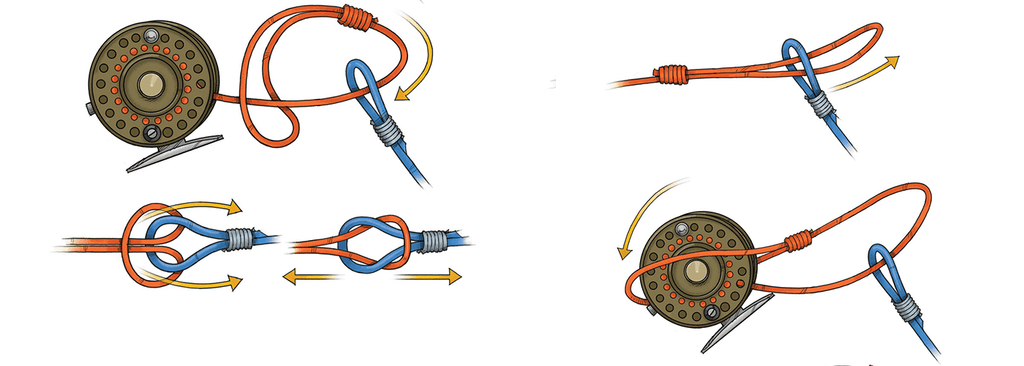
Credit: www.epicflyrods.com
Choosing The Right Fishing Line
Picking the right fishing line is important for a good fishing experience. The right line helps you catch fish without breaking.
Different types of lines work best for different fish and water conditions. Learn about the options before you tie your line to the spool.
Types Of Fishing Lines
There are three main types of fishing lines: monofilament, fluorocarbon, and braided. Each type has its own strengths and weaknesses.
- Monofilament:This line is easy to handle and stretches well.
- Fluorocarbon:It is less visible underwater and sinks faster.
- Braided:This line is very strong and does not stretch much.
Selecting Line Strength
Line strength is measured by its breaking point, called “pound test.” Choose a line strong enough for the fish you want to catch.
Using too light a line can cause breaks. Using too heavy a line can make casting harder and scare fish away.
- Light strength for small fish or clear water
- Medium strength for general use
- Heavy strength for big fish or thick cover
Line Material Considerations
Choose a material based on water type, fishing style, and fish behavior. Each material reacts differently in water.
Consider these points about materials before tying your line to the spool.
- Monofilament floats and is good for topwater fishing
- Fluorocarbon sinks and is good for deep water fishing
- Braid is strong and good for heavy cover or long casts
Preparing The Spool
Before you can start fishing, it’s important to prepare your spool. This ensures smooth casting and prevents line tangles.
Taking time to ready your spool can make your fishing experience more enjoyable and successful.
Cleaning The Spool Surface
A clean spool surface helps the line to wrap neatly. Dirt or grime can cause problems while casting.
- Use a soft cloth to wipe the spool.
- Apply mild soap for stubborn dirt.
- Rinse with water and dry completely.
Checking Spool Compatibility
Ensure your spool is compatible with your fishing line. This avoids unnecessary stress and potential damage.
| Spool Type | Compatible Line |
| Baitcasting | Braided or Monofilament |
| Spinning | Monofilament or Fluorocarbon |
| Fly | Fly Line |
Basic Knots For Spooling
Tying fishing line to a spool securely is important for smooth fishing. Using the right knot keeps the line from slipping.
Here are three basic knots that work well for spooling your fishing line.
Improved Clinch Knot
The improved clinch knot is simple and strong. It works best with monofilament and fluorocarbon lines.
- Pass the line through the spool eye.
- Wrap the tag end around the standing line five to seven times.
- Thread the tag end through the small loop near the spool eye.
- Then pass it back through the big loop you just made.
- Moisten the knot and pull it tight.
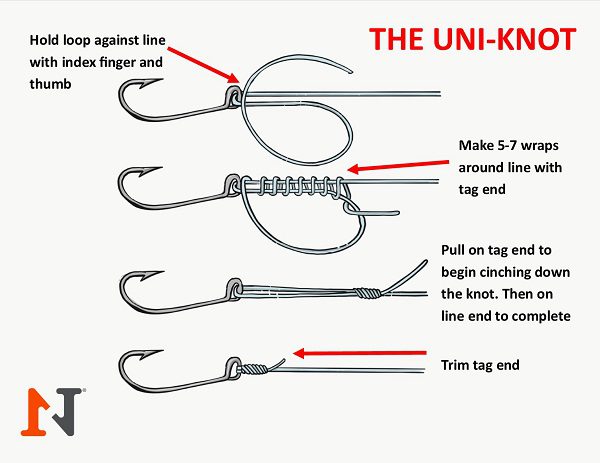
Uni Knot
The uni knot is versatile and easy to tie. It works well with all line types and is good for spooling.
Follow these steps to tie the uni knot:
- Pass the line through the spool eye and double back.
- Make a loop by laying the tag end along the doubled line.
- Wrap the tag end around the doubled line five times.
- Pull the tag end to tighten the coils.
- Slide the knot down to the spool eye and pull tight.
Palomar Knot
The Palomar knot is strong and holds well under tension. It is quick to tie and works best with braided lines.
| Step | Action |
| 1 | Double about 6 inches of line and pass it through the spool eye. |
| 2 | Tie a loose overhand knot with the doubled line. |
| 3 | Pass the spool through the loop of the overhand knot. |
| 4 | Pull on both the standing line and tag end to tighten the knot. |
| 5 | Trim the tag end close to the knot. |

Credit: www.reddit.com
Step-by-step Spooling Process
Tying fishing line to a spool is an essential skill for anglers. It ensures your line stays secure and winds evenly.
This guide breaks down the spooling process into easy steps. Follow them to get your fishing reel ready.
Attaching The Line To The Spool
Start by threading the line through the rod guides. Tie a strong knot to secure the line to the spool.
- Wrap the line around the spool twice.
- Tie an arbor knot to hold the line tight.
- Pull the knot firmly to secure it.
- Trim the tag end of the line.
Maintaining Tension
Keep the line tight while spooling to avoid loose coils. Loose line can cause tangles and knots later.
Tip:Use your fingers or a cloth to hold the line with steady pressure.
Winding The Line Properly
Wind the line evenly across the spool. Avoid stacking the line too high or leaving gaps.
- Turn the reel handle slowly.
- Guide the line with your hand for even layers.
- Fill the spool almost to the edge, leaving a small gap.
- Check frequently to keep tension consistent.
Tips For A Strong Hold
Tying fishing line to the spool correctly helps avoid problems while fishing. A strong hold keeps the line secure and ready for use.
Below are simple tips to tie your line right. These tips reduce twists, secure the line end, and test knot strength.
Avoiding Line Twists
Line twists cause tangles and weak spots. To avoid twists, keep the spool and line aligned properly.
- Hold the spool so the line comes off in the same direction as the reel turns.
- Let the line flow smoothly without forcing it.
- Use swivel connectors to reduce twisting when fishing.
Securing The Line End
Secure the line end tightly to the spool to stop slipping. Use a strong knot and wrap the line properly.
| Method | Description |
|---|---|
| Uni Knot | Simple knot that holds tight and is easy to tie. |
| Improved Clinch Knot | Strong knot that grips well on the spool. |
| Arbor Knot | Designed for tying line directly to spool with a firm hold. |
Testing The Knot Strength
Testing the knot before fishing ensures the line will not slip or break easily.
- Pull the line firmly after tying to check for slippage.
- Look for any signs of line damage near the knot.
- Retie the knot if it feels loose or weak.
Common Mistakes To Avoid
Tying fishing line to a spool seems simple but mistakes can cause problems.
Knowing what to avoid helps your fishing gear work better and last longer.
Overfilling The Spool
Putting too much line on the spool leads to tangles and casting issues. It can cause line breakage and reduce smoothness.
- Leave some space on the spool to avoid overfilling.
- Check the spool’s capacity before adding line.
- Fill the spool evenly to prevent bunching.
Loose Knots
Loose knots can slip or come undone. This causes line loss and frustration while fishing.
| Common Knot | Tip to Avoid Looseness |
|---|---|
| Improved Clinch Knot | Pull tight and wet before tightening |
| Palomar Knot | Double the line and keep loops snug |
| Uni Knot | Make several wraps and pull slowly |
Ignoring Line Compatibility
Using the wrong line with your reel or rod can cause damage or poor performance.
- Match line strength to your rod’s rating.
- Use lines designed for your reel type.
- Check if the line diameter fits your spool correctly.
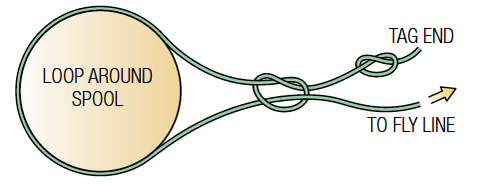
Credit: monsterbass.com
Frequently Asked Questions
How Do I Start Tying Fishing Line To Spool?
Begin by threading the line through the spool hole. Wrap it around the spool two or three times. Tie a secure knot like an arbor knot. This ensures the line stays firmly attached during spooling.
What Is The Best Knot For Spooling Fishing Line?
The arbor knot is the most reliable for spooling. It holds the line tightly without slipping. It’s easy to tie and works well with all fishing lines.
How Tight Should Fishing Line Be On Spool?
Keep the line tight but not overly stretched. This prevents tangles and line breakage. Use consistent tension while winding to ensure smooth casting.
Can I Use Any Fishing Line On A Spool?
Most spools accommodate monofilament, fluorocarbon, or braided lines. Check your reel specifications for line capacity. Choose the line type based on your fishing needs.
Conclusion
Tying fishing line to a spool is easier than it seems. Follow the simple steps carefully and take your time. A strong knot means less chance of losing fish. Practice a few times to feel confident. Remember, neat and tight wrapping helps avoid tangles.
This skill makes your fishing trips more enjoyable. Keep your gear ready and enjoy every catch. Simple tricks like these improve your fishing experience. Try it today and see the difference yourself.