If you want to catch more fish, knowing how to tie fishing lure knots is a game-changer. The right knot keeps your lure secure, making every cast count.
You don’t need to be an expert to master these knots—just a little practice and the right guidance. You’ll discover simple, step-by-step instructions to tie strong, reliable knots that will boost your confidence and your catch. Ready to improve your fishing skills and never lose a lure again?
Let’s dive in.
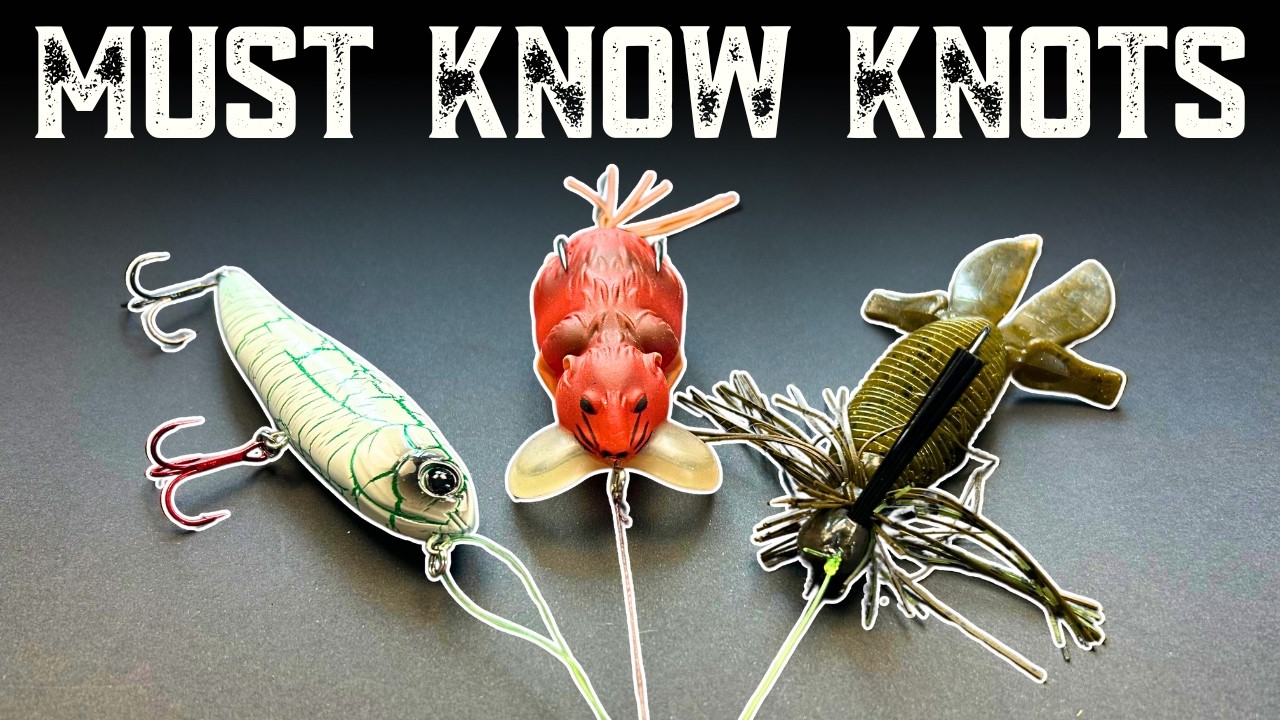
Credit: www.youtube.com
Choosing The Right Knot
Choosing the right knot is important for fishing success. A good knot holds your lure and line securely.
Different fishing lines and lures need different knots. This guide helps you pick the best knot for your gear.
Types Of Fishing Lines
Fishing lines come in several types. Each type has unique features that affect knot choice.
- Monofilament:Flexible and easy to tie knots with.
- Fluorocarbon:Strong and less visible underwater.
- Braid:Very strong but slippery, needs special knots.
Matching Knots To Lures
Different lures need knots that keep them secure and moving naturally. Matching knots to lures improves fishing.
| Lure Type | Recommended Knot | Reason |
| Spinnerbaits | Palomar Knot | Strong and easy to tie |
| Soft Plastics | Improved Clinch Knot | Secure and works with thin lines |
| Crankbaits | Loop Knot | Allows natural lure movement |
| Jigs | Snell Knot | Strong and keeps lure straight |
Essential Knots For Fishing Lures
Tying the right knot is key to fishing success. Strong knots keep your lure secure and help catch fish.
This guide covers four important knots for fishing lures. Learn how to tie each one clearly and simply.
Improved Clinch Knot
The Improved Clinch Knot is popular for tying lures to the line. It is strong and easy to tie.
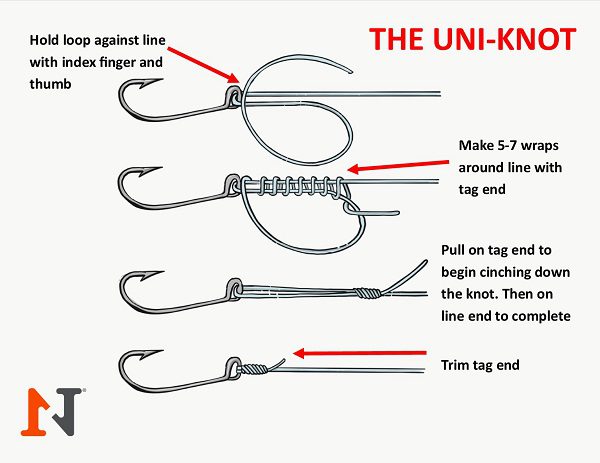
- Thread the line through the lure eye.
- Wrap the line around itself 5 to 7 times.
- Pass the end through the small loop near the eye.
- Then pass the end through the big loop made.
- Moisten the knot and pull tight.
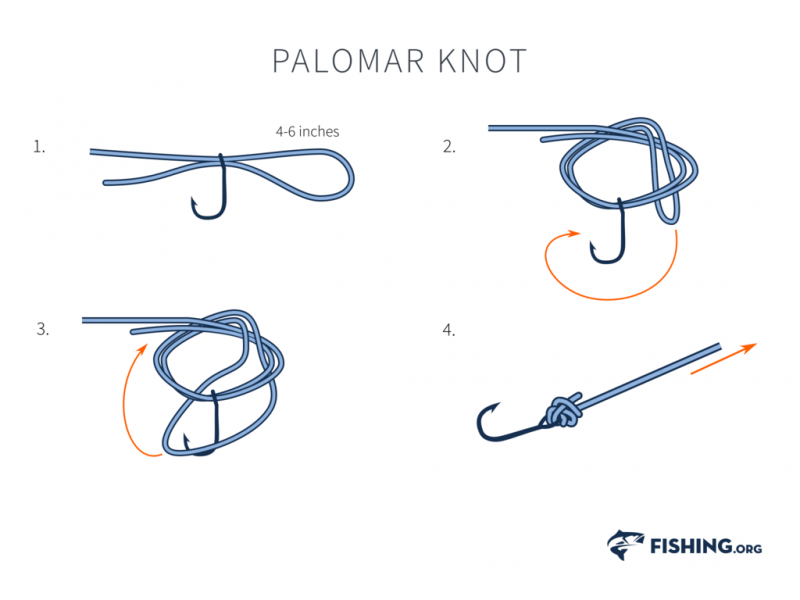
Palomar Knot
The Palomar Knot is strong and simple. It works well with braided and monofilament lines.
- Double about six inches of line.
- Pass the loop through the lure eye.
- Tie a loose overhand knot with the doubled line.
- Pass the lure through the loop.
- Moisten and pull both ends tight.
Loop Knot
The Loop Knot gives your lure freedom to move naturally. It is perfect for live bait or soft plastics.
| Step | Action |
|---|---|
| 1 | Make an overhand knot in the line about 10 inches from the end. |
| 2 | Pass the tag end through the lure eye. |
| 3 | Thread the tag end through the overhand knot. |
| 4 | Wrap the tag end around the standing line 4 times. |
| 5 | Pass the tag end back through the overhand knot. |
| 6 | Moisten and pull tight, adjusting the loop size. |
Snell Knot
The Snell Knot is strong for securing hooks. It aligns the hook with the line for better hook sets.
- Pass the line through the hook eye from front to back.
- Wrap the tag end tightly around the shank and line 6 to 8 times.
- Pass the tag end back through the hook eye near the start of wraps.
- Moisten the knot and pull the standing line to tighten.
- Trim excess tag end.
Step-by-step Knot Tying Techniques
Tying knots for fishing lures is an important skill. It keeps your lure strong and secure on the line.
This guide shows simple steps to tie knots clearly and easily.
Preparing The Line
Start by cutting the fishing line cleanly. Use sharp scissors or a line cutter for a neat end.
Wet the line slightly to reduce friction while tying. This helps the knot tighten smoothly.
- Cut the line with sharp scissors
- Remove any frayed ends
- Wet the line before tying
Executing The Knot
Pass the line through the lure’s eye. Leave a few inches of line to work with.
Wrap the tag end of the line around the main line five to seven times. This creates a strong hold.
- Thread line through lure eye
- Leave 5-6 inches of tag end
- Wrap tag end around main line 5-7 times
Securing The Knot
Pass the tag end back through the loop near the lure eye. Pull slowly to tighten the knot.
Wet the knot again and pull both ends firmly. Trim the excess tag end close to the knot.
- Pass tag end through the loop
- Pull knot tight slowly
- Wet knot before final tightening
- Trim excess tag end
Common Mistakes To Avoid
Tying fishing lure knots correctly is important for a strong hold.
Many anglers make simple errors that weaken the knot and cause loss.
Incorrect Tightening
Tightening the knot too fast or unevenly can damage the line or knot.
- Tighten slowly to let the knot settle.
- Pull the line evenly from both ends.
- Avoid jerking the line to tighten.
- Check the knot for any twists or overlaps.
Improper Line Length
Using too much or too little line for the knot causes weak connections.
| Line Length | Effect |
| Too Short | Knot slips or breaks easily |
| Too Long | Excess line causes bulk and tangles |
| Proper Length | Strong knot with clean finish |
Skipping Wetting The Knot
Not wetting the knot before tightening causes friction and weakens the line.
To wet the knot:
- Use saliva or water.
- Apply moisture before pulling the knot tight.
- This reduces heat and prevents damage.
Tips For Knot Durability
Tying strong fishing lure knots is key for a successful fishing trip. Durable knots hold better and reduce the chance of losing fish.
Use simple tips to keep your knots strong and reliable each time you fish. Focus on good materials and care.
Choosing Quality Line
Strong, smooth fishing line helps knots last longer. Lines that are rough or weak can cause knots to slip or break.
- Pick lines made from high-quality materials like fluorocarbon or braided fibers.
- Choose the right line thickness for the fish you want to catch.
- Avoid old or damaged lines as they weaken knots.
Regular Knot Inspection
Check your knots often during fishing trips. Even strong knots can weaken from rubbing or pulling.
| Inspection Tip | What to Look For |
| Before casting | Make sure the knot is tight and neat |
| After catching a fish | Look for frayed or damaged line near the knot |
| During breaks | Feel the knot for any loosening or slipping |
Re-tying Knots When Necessary
Always re-tie knots if they show signs of wear or if you catch a large fish. Fresh knots keep your line strong.
- Cut off old knots completely.
- Wet the line before tightening the knot.
- Pull the knot slowly to avoid line damage.
- Trim excess line close to the knot.
Credit: medium.com
Advanced Knot Techniques
Fishing with advanced knots helps secure your lure better. These knots hold stronger under pressure.
Learn specific knots for double lines, braided lines, and heavy lures. Each type needs a different approach.
Double Line Knots
Double line knots join two lines or create extra strength. They work well for strong fish or rough waters.
- Palomar Knot: Simple and strong for double lines.
- Double Uni Knot: Good for joining two lines of different types.
- Berkley Braid Knot: Designed for braided and monofilament lines.
Braided Line Knots
Braided lines are thin but very strong. They need knots that grip well and do not slip.
| Knot Name | Use | Strength |
|---|---|---|
| Palomar Knot | Attaching lure or hook | Very strong |
| FG Knot | Connecting braided line to leader | High strength, slim profile |
| Double Palomar | Extra security on hooks | Strong and reliable |
Knots For Heavy Lures
Heavy lures put extra stress on your knot. Use strong knots that keep the lure tight and secure.
- Improved Clinch Knot: Easy to tie and holds well.
- Snell Knot: Good for heavy hooks and lures.
- Loop Knot: Lets the lure move naturally.

Credit: thebearessentials.com
Frequently Asked Questions
What Is The Best Fishing Lure Knot For Beginners?
The improved clinch knot is ideal for beginners. It’s easy to learn, strong, and reliable for most fishing lines. Practice tying it to ensure your lure stays secure during casting and retrieval.
How Do I Tie A Fishing Lure Knot Step-by-step?
Start by threading the line through the lure eye. Wrap the tag end around the standing line 5-7 times. Pass the tag end through the loop near the eye, then back through the big loop. Tighten firmly and trim excess line.
Why Is Tying A Strong Fishing Lure Knot Important?
A strong knot prevents lure loss and line breakage. It ensures your lure stays attached during strikes and fights. Proper knots improve casting accuracy and overall fishing success.
Can I Use The Same Knot For All Fishing Lures?
Not always. Different lures and lines require specific knots. Match your knot choice with the lure type, line material, and fishing conditions for best results.
Conclusion
Tying fishing lure knots takes practice and patience. Start slow and focus on each step. Strong knots keep your lure secure and improve fishing success. Try different knots to find what works best for you. Remember, a good knot can save your catch.
Keep practicing, and you will get better every time. Fishing becomes more fun with confidence in your knots. Simple skills make a big difference on the water. Keep your fishing gear ready and enjoy your time outdoors.