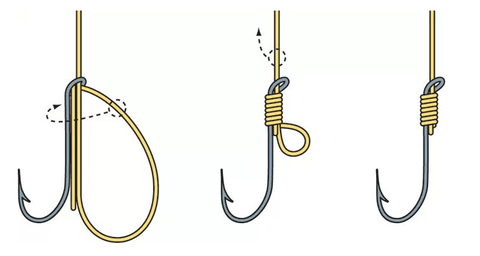
Are you tired of losing fish because your hook isn’t tied right? Knowing how to tie a hook on your fishing line can make all the difference between a great catch and a missed opportunity.
It’s a simple skill that can boost your confidence and improve your fishing success every time you head out. You’ll discover easy, step-by-step methods to secure your hook quickly and firmly. Stick with me, and you’ll be ready to fish like a pro in no time.
Choosing The Right Hook And Line
Tying the correct hook on your fishing line is key to catching fish. You need to pick the right hook and line for your fishing style and target fish.
This guide explains types of fishing hooks, how to select fishing line, and how to match hook and line strength.
Types Of Fishing Hooks
Fishing hooks come in many shapes and sizes. Different hooks work best for different fish and bait.
- J-Hooks:Classic shape, good for most fishing.
- Circle Hooks:Designed to hook fish in the corner of the mouth.
- Treble Hooks:Three hooks joined, often used with lures.
- Octopus Hooks:Short shank, great for live bait.
- Bait Hooks:Wide gap, ideal for holding soft bait.
Selecting Suitable Fishing Line
Choosing the right fishing line depends on strength, stretch, and water conditions. Common types include monofilament, fluorocarbon, and braided lines.
| Type of Line | Strength | Best Use |
| Monofilament | 5-30 lbs | General fishing, good stretch |
| Fluorocarbon | 6-40 lbs | Clear water, low visibility |
| Braided | 10-80 lbs | Heavy cover, strong fish |
Matching Hook And Line Strength
Match your hook size and line strength to avoid losing fish or breaking your gear.
- Use light line with small hooks for small fish.
- Use stronger line with larger hooks for big fish.
- Check hook packaging for recommended line strength.
- Balance hook sharpness and line durability.
- Test your line and knot strength before fishing.
Preparing Your Fishing Line
Preparing your fishing line is important before tying a hook. Proper preparation helps create a strong knot that lasts.
Two main steps in preparation are trimming and inspecting the line and moistening the line for knot tying.
Trimming And Inspecting The Line
Check your fishing line for any damage or frays. Trim off any worn or weak parts to prevent breakage.
- Use sharp scissors or a line cutter.
- Cut off at least half an inch from the damaged area.
- Inspect the trimmed line for any remaining weak spots.
- Make sure the end is clean and straight for easy knot tying.
Moistening The Line For Knot Tying
Moistening your fishing line before tying helps reduce friction. This makes the knot tighter and prevents the line from weakening.
| Moistening Method | Benefits |
| Use water from a bottle or river | Keeps line smooth during knot tying |
| Apply saliva | Quick and easy moisture source |
| Use commercial knot lubricant | Protects line and increases knot strength |
Popular Knots For Hook Tying
Learning to tie knots is important for fishing. The right knot keeps the hook secure. Here are some popular knots.
Each knot has its own use and benefits. Choose the right one for your fishing needs.
Improved Clinch Knot
The Improved Clinch Knot is reliable. It is often used for securing the hook to the fishing line.
- Thread the line through the hook eye.
- Wrap the line around itself 5 times.
- Pass the end through the first loop.
- Bring it back through the big loop.
- Tighten the knot and trim excess.
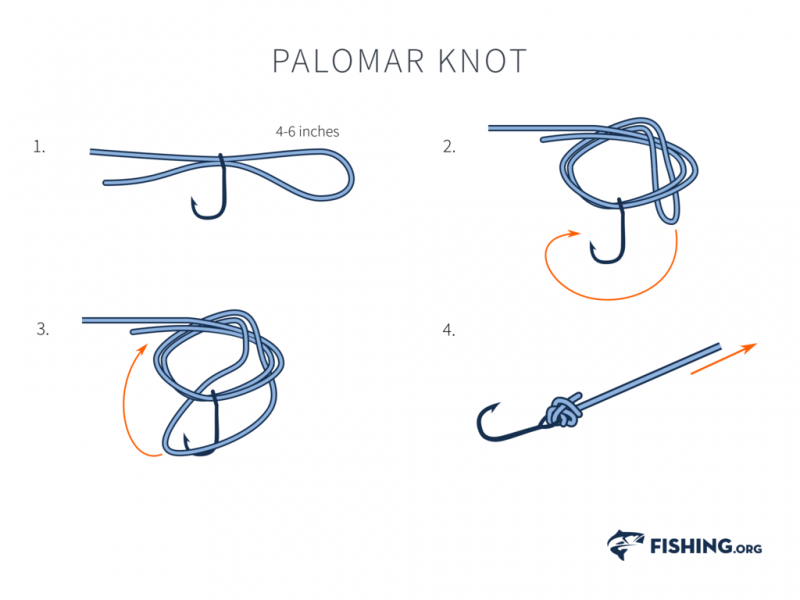
Palomar Knot
The Palomar Knot is strong and easy to tie. It works well with braided line.
Uni Knot
The Uni Knot is versatile. It can be used for tying hooks, lures, and swivels.
To tie a Uni Knot:
- Run the line through the hook eye and double back.
- Form a loop by laying the tag end over the double line.
- Make 3-4 turns with the tag end around the double line and through the loop.
- Moisten and pull to tighten.
Snell Knot
The Snell Knot is ideal for live bait. It provides a straight-line pull to the hook.
| Knots | Strength |
| Improved Clinch | Good |
| Palomar | Excellent |
| Uni | Very Good |
| Snell | Excellent |
Step-by-step Knot Tying
Tying a hook on a fishing line is easy if you follow clear steps. A strong knot keeps your hook secure and helps catch fish.
This guide shows simple actions to tie the knot correctly. Each part builds on the last to make a good, tight knot.
Forming The Loop
Start by making a small loop at the end of your fishing line. Leave enough line to work with for wrapping.
Hold the loop between your fingers carefully. This loop will be the base for tying the knot.
Threading The Hook Eye
Take the loop and pass it through the hook’s eye. Make sure the loop goes all the way through.
Pull enough line through so you have space to wrap the line around the main part.
Wrapping The Line
Wrap the free end of the line around the main line and through the loop. Do this several times to secure it.
- Make 5 to 7 tight wraps
- Keep wraps close and neat
- Use your fingers to hold wraps in place
Tightening And Securing The Knot
Pull the tag end and main line slowly to tighten the knot. Make sure the wraps slide down to the hook eye.
Wet the knot with water or saliva before tightening to reduce friction. Check the knot is firm and secure before fishing.
Tips For Stronger Knots
Tying a hook on a fishing line needs care to keep it strong. A strong knot helps catch fish without losing your gear.
These tips focus on making knots that hold tight and last longer.
Avoiding Line Twists
Line twists can weaken your knot and cause tangles. Keep the line straight before tying the knot.
Use a swivel or let the lure spin freely to reduce twists. Always check the line for twists before you start.
- Keep the line straight and untwisted
- Use a swivel to prevent spinning
- Check for twists before tying
Proper Knot Tightening
Tighten the knot slowly and evenly. Pull the line gently to avoid damaging it.
Wet the line before tightening. This lowers friction and helps the knot slide tight without breaking.
- Pull the knot slowly and evenly
- Do not pull too hard at once
- Wet the line to reduce friction
Testing Knot Strength
After tying, test the knot by pulling the line hard. The knot should hold without slipping or breaking.
Check the knot regularly during fishing. Replace knots that show signs of wear or damage.
- Pull the line hard to test the knot
- Look for slipping or damage
- Retie if the knot looks weak

Credit: www.wikihow.com
Common Mistakes To Avoid
Tying a hook on a fishing line is easy to mess up if you do not pay attention. Many anglers make simple errors that cause their knots to fail.
Learning the common mistakes can help you tie stronger knots and catch more fish.
Using Damaged Line
Using a fishing line with cuts or frays weakens the knot. The line can break easily under pressure, causing lost fish and tackle.
- Always check the line for visible damage before tying the hook.
- Cut off any damaged sections to keep the line strong.
- Replace old or worn lines regularly to avoid breaks.
Incorrect Knot Wrapping
Wrapping the line incorrectly around the hook or itself causes weak knots. The knot may slip or not hold under tension.
| Common Wrapping Errors | Effect on Knot |
| Too few wraps | Knot slips easily |
| Uneven wraps | Uneven tension, weak knot |
| Loose wraps | Knot does not tighten properly |
Not Moistening The Line
Not wetting the line before tightening the knot causes friction. This can weaken or burn the line, reducing knot strength.
- Always moisten the line with water or saliva before pulling the knot tight.
- This reduces friction and helps the knot close smoothly.
- Moistening also prevents damage to the line fibers.
Maintaining Your Tied Hooks
Keeping your tied hooks in good shape is key for safe fishing. Strong knots hold your catch well.
Regular care helps avoid losing fish or gear damage. Learn simple ways to keep your knots reliable.
Regular Knot Inspection
Check each knot before and after fishing. Look for signs of wear like fraying or slipping.
- Run your fingers over the knot to feel damage
- Look for discoloration on the line near the knot
- Test the knot by pulling it gently with your hand
- Replace knots that look loose or damaged
Retying Worn Knots
Replace knots that show wear or have been stressed. A fresh knot ensures strong holding power.
| Signs You Need to Retie | Why Retie |
| Frayed line near the knot | Line may break under tension |
| Slipping knot | Knot can come undone and lose fish |
| Knots tied long ago | Material weakens over time |
| Knots exposed to saltwater | Salt can weaken the fibers |
Proper Storage Techniques
Store your fishing line and hooks properly to protect knots and gear.
- Keep hooks dry to prevent rust
- Store lines away from direct sunlight to avoid damage
- Use a tackle box with separate compartments
- Do not store tied lines under heavy objects
- Check knots after storage before your next use

Credit: n1outdoors.com
Credit: medium.com
Frequently Asked Questions
How Do You Tie A Hook On Fishing Line?
To tie a hook, thread the line through the hook eye. Wrap the line around itself 5-7 times. Pass the tag end through the loop near the eye. Pull tight and trim excess line for a secure knot.
What Is The Strongest Knot For Fishing Hooks?
The Palomar knot is the strongest for fishing hooks. It retains high line strength and is simple to tie. It involves doubling the line, passing it through the hook eye, tying an overhand knot, and pulling tight for reliability.
Can I Use Any Fishing Line To Tie Hooks?
Yes, you can use most fishing lines like monofilament, fluorocarbon, or braided lines. Each requires slight knot-tying adjustments. Ensure the knot is secure and the line matches your fishing needs for best results.
How Tight Should I Pull The Knot On The Hook?
Pull the knot firmly but not excessively to avoid line damage. The knot should be snug against the hook eye. Proper tension ensures the knot holds during casting and fish fights without slipping.
Conclusion
Tying a hook on your fishing line is simple with practice. Choose the right knot for your fishing style. Keep the line tight and secure for a strong hold. Check your knot before every cast to avoid losing fish. With time, your knots will become quick and reliable.
Enjoy your fishing trips with confidence and patience. Small steps lead to better catches. Try different knots and find what works best for you. Fishing becomes more fun when you know your gear is ready. Keep practicing, and soon tying hooks will feel natural.