If you’re serious about fishing, you know that connecting your leader to a braided fishing line can be tricky. But getting this right can make all the difference between landing your big catch or losing it.
You might have struggled with knots that slip or break, leaving you frustrated on the water. Don’t worry—this guide will show you simple, proven ways to tie your leader to braided line so it stays strong and secure every time.
Keep reading, and you’ll learn step-by-step tips that make your fishing setup reliable and ready for action.

Credit: www.reddit.com
Choosing The Right Leader
Choosing the right leader is important for fishing success. It connects your braided line to the hook or lure.
A good leader protects your line and helps catch fish without breaking.
Types Of Leaders
Leaders come in different types based on material and use. Each type fits certain fishing conditions.
- Fluorocarbon leaders are nearly invisible in water.
- Monofilament leaders are stretchy and easy to tie.
- Wire leaders resist sharp teeth from fish.
Matching Leader To Braided Line
Match the leader strength to your braided line. The leader should be strong but not too thick.
Use a leader that blends well with your fishing style and target fish species.
- Choose leader test strength close to or slightly less than braided line.
- Use thinner leaders for clear water and shy fish.
- Thicker leaders work better in heavy cover or with big fish.
Material Considerations
Leader materials affect visibility, strength, and durability. Pick one that fits your fishing needs.
Fluorocarbon sinks faster and resists abrasion. Monofilament floats and is more flexible.
- Fluorocarbon is good for clear water fishing.
- Monofilament works well for surface or slow sinking presentations.
- Wire leaders protect against toothy fish like pike or musky.

Credit: www.reddit.com
Essential Tools And Materials
Tying a leader to a braided fishing line needs the right tools. These tools help make strong knots and keep the line safe.
Using proper materials also improves your fishing experience. It ensures the connection between lines does not break easily.
Line Clippers And Scissors
Line clippers and scissors cut fishing lines cleanly. A neat cut helps tie knots better and stops the line from fraying.
Choose clippers or scissors sharp enough for braided lines. Dull tools can damage the line and weaken knots.
- Use sharp blades for clean cuts
- Keep tools dry to avoid rust
- Carry a small clipper for easy access
Swivels And Connectors
Swivels stop the line from twisting during fishing. They also make it easier to join braided line to the leader.
Connectors come in many types like snap swivels and barrel swivels. Pick one that suits your fishing style and line size.
- Snap swivels for quick lure changes
- Barrel swivels for strong, secure connections
- Check swivel strength matches your line
Lubricants And Knot Aids
Lubricants reduce friction when tying knots. They help the knot slide tight without damaging the line.
Knot aids like wax or gel make tying easier. They keep the line from slipping and help hold the knot firm.
- Use water-based lubricants safe for fishing lines
- Apply a small amount to the knot before tightening
- Knot aids improve knot strength and durability
Top Knots For Braided Line
Tying a leader to braided fishing line needs strong knots. Braided line is thin and slippery. Some knots work better than others.
This guide covers four top knots to use with braided line. Each knot has its own strengths and uses.
Improved Clinch Knot
The Improved Clinch Knot is simple and reliable. It works well for light to medium braided lines. It is easy to tie and holds strong.
Make sure to wet the knot before tightening. This prevents damage to the line and makes the knot stronger.
- Pass the line through the eye of the hook.
- Wrap the tag end around the standing line 5-7 times.
- Pass the tag end through the small loop near the eye.
- Then pass it through the big loop just formed.
- Pull tight and trim the excess line.
Palomar Knot
The Palomar Knot is very strong and easy to tie. It works great with braided line because it keeps its strength well. It is good for hooks and lures.
This knot keeps the line from slipping. Make sure to keep the loop loose when you pass the hook through.
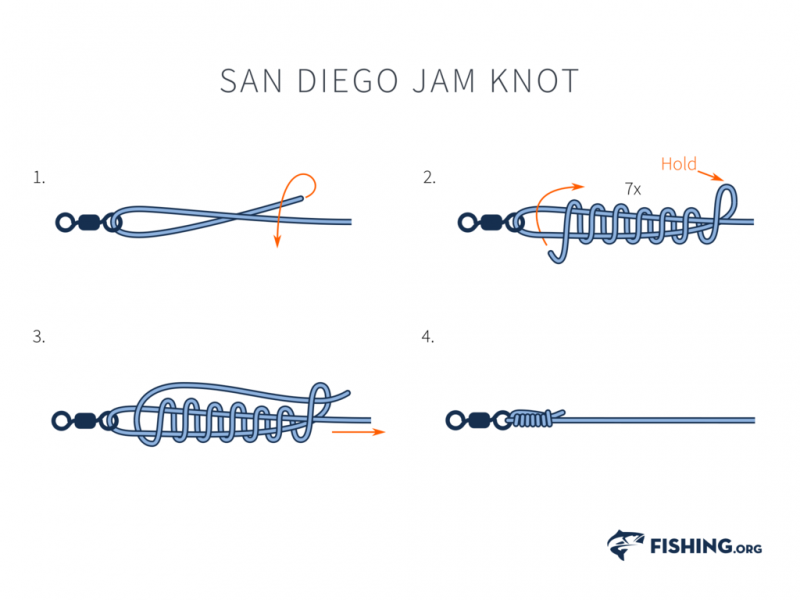
- Double about 6 inches of line and pass through the hook eye.
- Tie a simple overhand knot with the doubled line.
- Pass the hook through the loop.
- Pull the loop over the hook.
- Wet the knot and pull tight.
- Trim the tag ends.
Fg Knot
The FG Knot is popular for tying braided line to a fluorocarbon leader. It is very slim and strong. This knot slides easily through rod guides.
Tying the FG Knot takes practice but gives a reliable connection. It locks the braided line onto the leader tightly.
- Hold the leader and braided line parallel.
- Wrap the braided line tightly around the leader 10-12 times.
- Pass the braided line back under the wraps.
- Tighten the wraps evenly.
- Tie a finishing knot with the tag end on the leader.
- Trim the tag ends closely.
Uni To Uni Knot
The Uni to Uni Knot joins braided line to a leader easily. It is strong and simple. This knot works well for many types of line.
Tie a Uni Knot on each line and pull them together. This creates a secure link that does not slip.
- Form a loop with the braided line and make a Uni Knot around the leader.
- Make a similar Uni Knot with the leader around the braided line.
- Moisten both knots.
- Pull the standing lines to slide the knots together.
- Trim the tag ends close.
Step-by-step Knot Tying
Tying a leader to a braided fishing line needs care and patience. This guide shows simple steps to connect your lines securely.
Follow each step closely to ensure your knot is strong and reliable for fishing.
Preparing The Braided Line
Start by cutting the braided line cleanly to avoid frays. Wet the line slightly to reduce heat from friction during tying. Make sure the leader and braided line are ready and untangled.
Forming The Knot
Use the following steps to form a strong knot between the braided line and the leader:
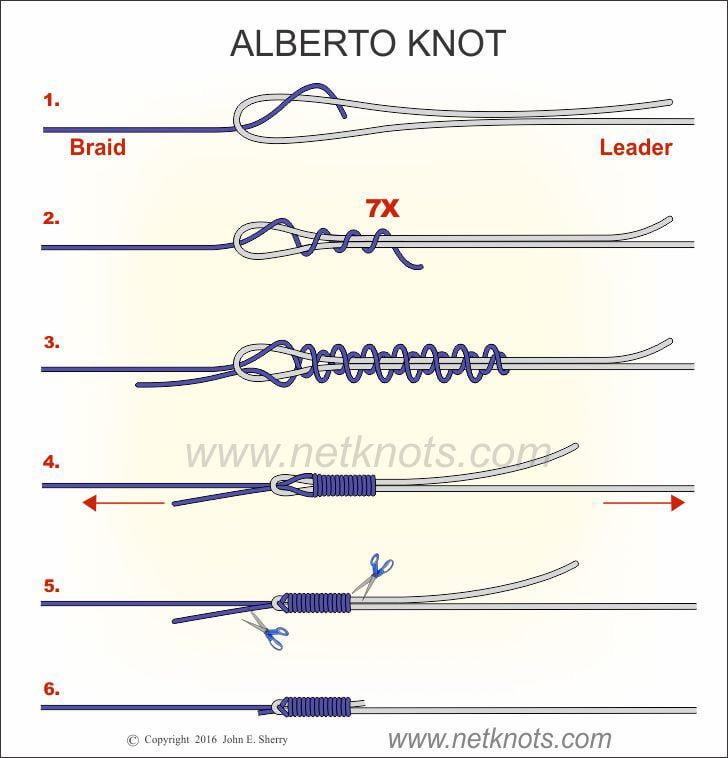
- Overlap the end of the braided line with the leader by about 6 inches.
- Wrap the braided line around the leader 5 to 7 times.
- Pass the end of the braided line back through the first loop near the leader.
- Pull both ends slowly to tighten the coils snugly against the leader.
Securing And Trimming
After forming the knot, secure it by tightening fully and trimming the excess line. Leaving a small tag end helps prevent slipping.
| Action | Purpose |
| Tighten the knot | Ensure strength and security |
| Trim excess line | Prevent snagging and tangling |
| Leave 1/8 inch tag | Avoid knot slipping |
Common Mistakes To Avoid
Tying a leader to braided fishing line needs care. Some common mistakes weaken the knot. Avoid these errors for better fishing success.
Learn about the usual problems. Fixing them helps you tie strong, reliable knots every time.
Overtightening The Knot
Pulling the knot too tight can damage the braided line. This makes the knot weak and likely to break.
Keep these tips in mind:
- Pull the knot firmly, but gently.
- Stop tightening once the knot looks neat and snug.
- Wet the line before tightening to reduce friction.
- Avoid using pliers or tools to tighten the knot.
Incorrect Line Overlap
Proper line overlap is key for a strong knot. Braided line and leader must cross correctly to hold well.
| Common Overlap Errors | Effect on Knot |
|---|---|
| Too little overlap | Knot slips under tension |
| Too much overlap | Knot bulk increases, weak spots form |
| Uneven overlap | Unequal stress causes breaks |
Check your overlap carefully before tightening the knot.
Neglecting Knot Testing
Not testing the knot is a frequent mistake. Without testing, you may not know if it will hold under pressure.
- After tying, pull the leader and braided line firmly.
- Look for any slipping or loosening.
- Retie if the knot feels weak or slips.
- Test knots before every fishing trip.
Credit: medium.com
Tips For Knot Strength And Durability
Tying a strong knot between your braided fishing line and leader is key for successful fishing. A good knot prevents line breakage and ensures your catch stays secure.
Use simple techniques and quality materials to improve knot strength. Regular checks keep your gear reliable on every trip.
Wet The Line Before Tightening
Always wet the knot before pulling it tight. This reduces friction and heat, which can weaken the line fibers. Use water or saliva to moisten the knot.
Use Quality Materials
Choose strong, flexible leaders and reliable braided lines. Low-quality materials can fray or snap easily.
- Pick leaders made of fluorocarbon or nylon for durability
- Use braided lines with tight braids and smooth surfaces
- Replace old or damaged lines before fishing
- Match leader strength to your fishing target
Regular Knot Inspection
Check your knots often during fishing trips. Look for signs of wear, such as fraying or loosening.
| Inspection Tip | Action |
| Frayed line near knot | Cut and retie knot |
| Knot slips or loosens | Tighten or redo knot |
| Line stiffness or cracks | Replace entire leader |
| Visible dirt or grit | Clean and re-tie knot |
When To Replace Your Leader
Using a braided fishing line needs a strong leader. The leader connects your main line to the hook. It helps avoid breaks and keeps fish on the line.
Replacing your leader at the right time keeps your gear working well. It stops losing fish and line breaks. Knowing when to change your leader is important.
Signs Of Wear And Tear
Check your leader for damage after each fishing trip. Look for cuts, frays, or weak spots. These signs mean the leader is weaker now.
- Frayed or worn areas along the leader
- Small cuts or nicks from rocks or fish teeth
- Discoloration or stiffness in parts of the leader
- Loose or slipping knots where the leader attaches
Frequency Of Replacement
Replace your leader regularly, even without visible damage. If you fish often, change it after every few trips. If you fish less, check it each time.
Cold water and saltwater can wear out leaders faster. Replace leaders more often in these conditions. Freshwater leaders last longer with gentle use.
- Replace after 3-5 fishing trips in normal conditions
- Replace after each trip in harsh saltwater or cold water
- Replace immediately if you see damage
Impact On Fishing Performance
A worn leader can break easily and lose fish. It may also reduce your casting distance and accuracy. Fresh leaders improve your fishing success.
Strong leaders help you fight bigger fish without snapping. They also protect your braided line from sharp teeth and rough surfaces. Keep your leader in good shape for best results.
Frequently Asked Questions
What Is The Best Knot For Braided To Leader Line?
The FG knot is the best choice for connecting braided line to a leader. It offers high strength and smoothness. This knot maintains line integrity and reduces slippage. It works well for saltwater and freshwater fishing. Learning the FG knot enhances your fishing setup reliability.
How Do I Prevent Leader Slipping On Braided Line?
Use knots like FG or improved clinch to prevent slipping. Tighten the knot firmly and wet the line before tightening. Adding a small amount of adhesive can also help. Proper knot technique ensures a secure connection. Avoid knots that easily slip on slick braided lines.
Can I Tie A Leader Directly To Braided Fishing Line?
Yes, you can tie a leader directly to braided line. Use specialized knots like the FG, Albright, or Double Uni knot. These knots provide strong, smooth connections. Avoid simple knots that may slip due to braid’s slick texture. Proper knot choice is key for success.
Why Use A Leader With Braided Fishing Line?
A leader protects the braided line from abrasion and fish teeth. It also reduces visibility in clear water for better bites. Leaders add shock absorption and improve casting performance. Using a leader increases fishing line durability and overall success. It’s essential for effective braided line fishing.
Conclusion
Tying a leader to braided fishing line takes practice and care. Use strong knots like the FG or Double Uni for best results. Always wet the knot before tightening to avoid damage. Check your knot before casting to ensure it holds well.
With patience, your fishing setup will stay secure and reliable. Keep practicing to improve your skills and enjoy better fishing trips. Simple steps lead to stronger connections and more success on the water.