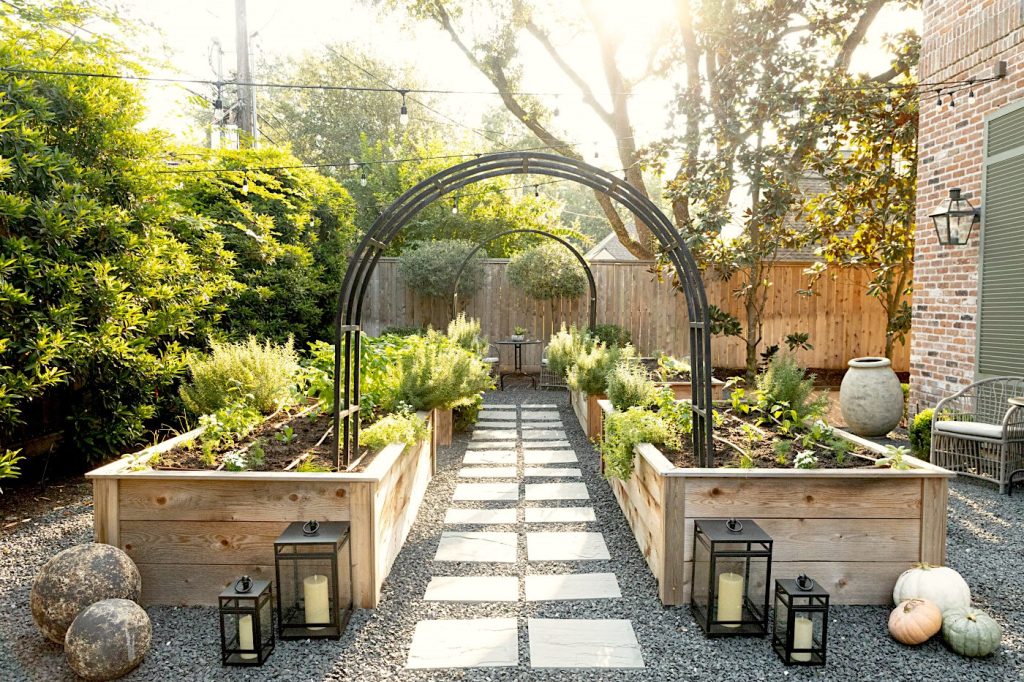
If you want your raised garden beds to thrive, knowing how to till them properly is key. Tilling helps loosen the soil, improves drainage, and mixes in nutrients your plants need to grow strong.
But tilling raised beds isn’t the same as working with regular garden soil. If you do it wrong, you could harm your plants or waste your effort. In this guide, you’ll discover simple steps to till your raised garden beds the right way.
By the end, you’ll have the confidence to prepare your soil perfectly and watch your garden flourish like never before. Keep reading to unlock the secrets to healthier, more productive garden beds.

Credit: www.sproutboxgarden.com
Benefits Of Tilling Raised Beds
Tilling raised garden beds helps prepare the soil for planting. It breaks up compacted soil and makes it easier for roots to grow.
Proper tilling improves soil health and supports strong plant growth. It also helps manage weeds and nutrients effectively.
Improved Soil Aeration
Tilling loosens the soil in raised beds. This allows air to reach plant roots more easily.
Good aeration helps roots get the oxygen they need. It also supports helpful soil organisms that keep soil healthy.
Enhanced Nutrient Distribution
Tilling mixes soil layers and spreads nutrients evenly. This makes food more available to plants.
Even nutrient distribution helps plants grow stronger and healthier. It also improves the soil’s ability to hold water.
Weed Control Advantages
Tilling removes weeds and their roots from raised beds. This reduces competition for water and nutrients.
Regular tilling helps keep weed seeds from growing. It makes it easier to manage weeds without chemicals.
- Disturbs weed root systems
- Exposes weed seeds to sun, reducing germination
- Prepares bed for mulch or cover crops
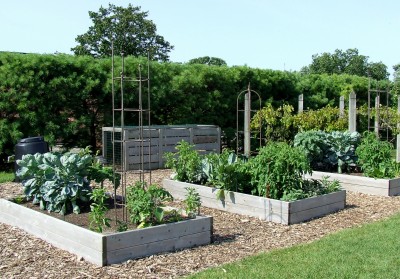
Credit: www.canr.msu.edu
Choosing The Right Tools
Tilling raised garden beds is important for soil health. Using the right tools makes the job easier and more effective.
In this guide, we will explore different tools for tilling. Understanding these tools helps you choose the best one for your needs.
Hand Tiller Vs. Mechanical Tiller
Hand tillers are simple and easy to use. They are best for small gardens or tight spaces. Mechanical tillers are powerful and cover more area quickly.
Consider your garden size before choosing. Small gardens need only a hand tiller. Large gardens benefit from a mechanical tiller.
- Hand Tiller: Lightweight, easy to control
- Mechanical Tiller: Strong, fast, ideal for big spaces
Essential Gardening Tools
Having the right tools is essential for gardening. These tools help in preparing and maintaining your raised beds.
Basic gardening tools make your work easier. They include items like shovels, rakes, and hoes.
- Shovel: For digging and moving soil
- Rake: To smooth and level the soil
- Hoe: Useful for breaking up soil clumps
Safety Gear Recommendations
Gardening can be safe if you use the right gear. Protecting yourself is important while using tools.
Wear safety gear to prevent injuries. Gloves and goggles are essential when tilling your garden.
- Gloves: Protect your hands from blisters and cuts
- Goggles: Keep your eyes safe from flying debris
- Sturdy Shoes: Provide good support and prevent slips
Preparing The Bed For Tilling
Preparing a raised garden bed before tilling is key for healthy plant growth. It helps improve soil quality and makes planting easier.
Start by clearing the bed and checking soil conditions. Marking planting areas guides your garden layout.
Clearing Debris And Weeds
Remove all leaves, sticks, and old plant roots from the bed. Pull out weeds by their roots to stop them from growing back.
- Pick up fallen branches and leaves
- Use a hand rake to loosen and remove small debris
- Pull weeds carefully, making sure to get the roots
- Dispose of debris away from the garden to prevent pests
Moisture Check And Soil Condition
Check if the soil is moist enough to till. Dry soil is hard and clumpy, while wet soil can become compacted.
| Soil Condition | What to Do |
|---|---|
| Too Dry | Lightly water the bed a day before tilling |
| Too Wet | Wait for soil to dry for a few days |
| Just Right | Soil should crumble easily when squeezed |
Marking Planting Areas
Outline where to plant different crops. This helps organize the garden and ensures plants have enough space.
Use simple markers like sticks or string to divide the bed:
- Measure rows or squares for each plant type
- Place markers at corners and along edges
- Label each section with plant names
Step-by-step Tilling Process
Tilling raised garden beds helps prepare the soil for planting. It improves soil texture and root growth.
Follow these steps to till your raised garden beds correctly and create a healthy garden space.
Loosening The Soil
Start by loosening the soil with a garden fork or tiller. This helps air and water reach plant roots.
Work gently to avoid damaging soil structure or beneficial organisms living inside.
Breaking Up Soil Clumps
Break up large soil clumps by using a rake or hoe. Smaller clumps create a finer soil texture.
This step makes it easier for roots to grow and helps plants absorb nutrients better.
- Use a garden rake to crumble big clumps
- Remove stones or debris during this process
- Keep soil evenly broken for better planting
Incorporating Organic Matter
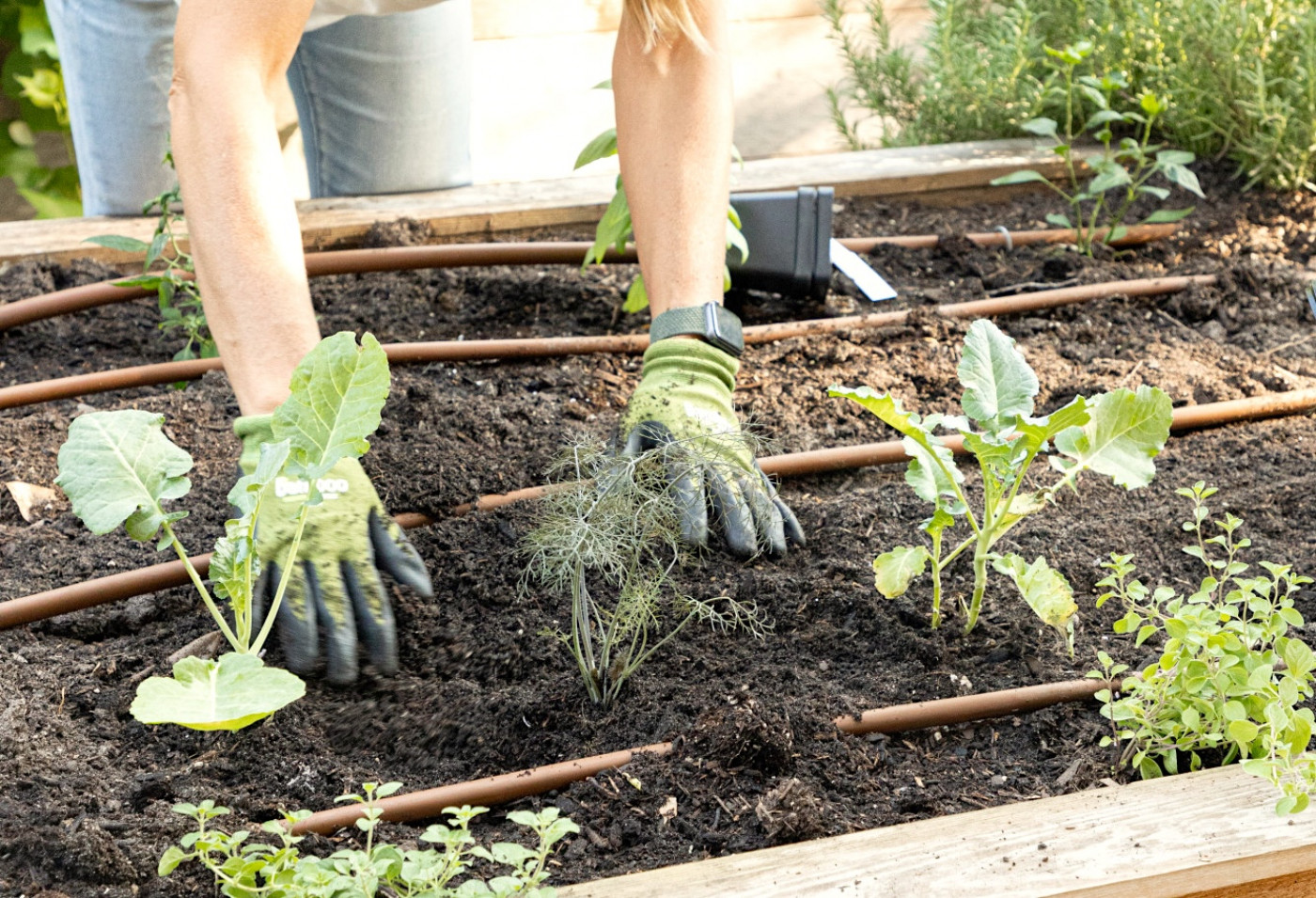
Add organic matter like compost or aged manure to improve soil fertility. Mix it well into the soil.
Organic matter helps retain moisture and provides nutrients that plants need to grow strong.
- Spread a 2-3 inch layer of compost over the soil
- Use a garden fork or tiller to mix it deeply
- Ensure organic matter is evenly distributed
Post-tilling Care Tips
Tilling your raised garden beds breaks up the soil and prepares it for planting. After tilling, the soil needs some care to help plants grow well.
Taking the right steps after tilling keeps the soil healthy and ready for seeds or seedlings.
Leveling The Soil
After tilling, the soil surface is uneven. Leveling the soil helps water reach all parts evenly.
Use a rake to smooth the soil and remove large clumps or debris. This creates a flat surface for planting.
Watering For Settling
Watering the soil after tilling helps it settle and reduces air pockets. This makes roots stronger.
Water gently to avoid washing away soil. Keep the soil moist but not soggy for a few days.
Adding Mulch And Fertilizers
Mulch keeps soil moisture and stops weeds from growing. Spread a layer of mulch over the soil after watering.
Use natural fertilizers to give nutrients back to the soil. Apply compost or organic fertilizer before planting.
- Spread 2-3 inches of mulch like straw or wood chips
- Mix compost into the topsoil for better nutrients
- Use slow-release organic fertilizers to feed plants gradually
Common Tilling Mistakes To Avoid
Tilling raised garden beds helps prepare soil for planting. Doing it wrong can harm soil health and plants.
Learn common mistakes to skip for a better garden. Avoid these errors to keep soil strong and productive.
Over-tilling Issues
Tilling too often or too deep can damage soil. It breaks down soil structure and kills helpful organisms.
- Destroy soil layers that hold nutrients and water
- Cause soil compaction under the surface
- Increase risk of erosion and nutrient loss
- Reduce earthworm and microbe populations
Tilling When Soil Is Too Wet
Working wet soil leads to clumps and compaction. It makes soil hard and less able to hold air and water.
| Soil Condition | Effect of Tilling |
|---|---|
| Too Wet | Clumps form and soil compacts |
| Moist but Not Wet | Good crumbly texture, easy to work |
| Too Dry | Hard to till, may damage soil |
Ignoring Soil Structure
Not paying attention to soil layers hurts plant roots. Good soil has layers for air, water, and nutrients.
Tips to protect soil structure:
- Use shallow tilling to keep layers intact
- Add organic matter to improve texture
- Avoid tilling too often or too deep
- Check soil moisture before tilling
Alternatives To Tilling
Tilling breaks up soil to prepare it for planting. But tilling can harm soil life and structure. Many gardeners use other ways to care for raised beds.
These alternatives keep soil healthy and reduce erosion. They also save time and effort. Try these options instead of tilling your garden beds.
No-till Gardening Methods
No-till gardening means you do not disturb the soil by digging or turning it. This helps keep earthworms and microbes alive. It keeps soil rich and loose naturally.
You can plant seeds directly into the soil or into small holes in mulch. Use tools like a broadfork to loosen soil lightly without turning it over.
Sheet Mulching Benefits
Sheet mulching covers soil with layers of organic material. It helps stop weeds and keeps moisture in the soil. Over time, the layers break down and feed the soil.
Common materials for sheet mulching include cardboard, leaves, straw, and compost. This method builds soil health without digging or tilling.
- Suppresses weeds naturally
- Retains soil moisture
- Improves soil nutrients
- Reduces soil erosion
Using Cover Crops
Cover crops are plants grown to protect and improve soil. They stop weeds and add nutrients when turned into the soil. Cover crops also prevent soil from washing away.
Popular cover crops include clover, rye, and vetch. Plant them between growing seasons or around your main crops to keep soil healthy.
Credit: www.gardenary.com
Frequently Asked Questions
How Often Should I Till Raised Garden Beds?
Tilling raised garden beds is best done once or twice a year. Do it before planting and after harvesting. Over-tilling can harm soil structure and beneficial organisms.
What Tools Are Best For Tilling Raised Beds?
Use a hand tiller, garden fork, or small rototiller for raised beds. Choose lightweight tools to avoid damaging soil layers and plant roots.
Can Tilling Improve Raised Bed Soil Health?
Yes, tilling helps aerate soil, mix organic matter, and break up compacted layers. This promotes root growth and nutrient absorption in raised beds.
Is It Necessary To Till Raised Beds Annually?
Annual tilling is recommended to prepare soil for new plants. However, avoid excessive tilling, which can disrupt soil ecosystems and reduce fertility.
Conclusion
Tilling raised garden beds helps soil stay loose and healthy. It makes planting easier and helps plants grow strong roots. Use simple tools and gentle motions to avoid harming the soil. Regular tilling keeps weeds down and lets water soak in better.
Remember, good soil means better vegetables and flowers. Keep your garden beds fresh, and they will reward you with a great harvest. Happy gardening!