Moving your washer and dryer can feel like a huge challenge. You might worry about damaging your machines or making a costly mistake.
But what if you knew the simple steps to move them safely and easily? In this guide, you’ll discover exactly how to transport your washer and dryer without stress or confusion. Keep reading, and you’ll gain the confidence to handle this task like a pro—saving time, money, and frustration along the way.
Credit: www.temu.com
Preparing Appliances For Move
Moving your washer and dryer requires careful preparation. Proper steps will protect your appliances during transport.
Follow these tips to disconnect, clean, and secure your machines before moving day.
Disconnecting Washer And Dryer
First, unplug both the washer and dryer from the power outlet. Turn off the water supply valves on the washer. Carefully detach the water hoses from the back of the washer. For the dryer, disconnect the vent hose from the exhaust outlet.
Cleaning And Drying Components
Clean the washer drum and detergent dispensers to avoid mold and odors. Dry all parts thoroughly to prevent water damage during the move. Empty the dryer lint trap and clean the vent hose to remove dust buildup.
- Run a cleaning cycle in the washer with no clothes
- Wipe down the inside of the washer drum
- Remove and dry detergent trays
- Clear lint from dryer trap and vent hose
- Let all parts air dry completely before packing
Securing Moving Parts
| Part | Method to Secure |
|---|---|
| Washer Drum | Use shipping bolts or brace to prevent movement |
| Dryer Door | Secure with tape or strap to keep closed |
| Hoses and Cords | Bundle and tape to the back of the appliance |
| Vent Hose | Remove and pack separately or tape securely |
Credit: www.whirlpool.com
Packing Materials And Tools
Moving a washer and dryer requires the right packing materials and tools. Using proper supplies protects your appliances from damage.
This guide explains key packing materials and tools to help you move your washer and dryer safely.
Essential Packing Supplies
Gathering the right packing supplies is important before moving your appliances. These items help secure and protect your washer and dryer.
- Heavy-duty moving blankets or pads
- Bubble wrap for delicate parts
- Strong packing tape
- Plastic wrap to cover surfaces
- Straps or ropes for securing
- Cardboard sheets for extra protection
- Gloves for hand safety
Protective Wrapping Techniques
Wrap your washer and dryer carefully to avoid scratches and dents. Proper wrapping cushions the appliances during transport.
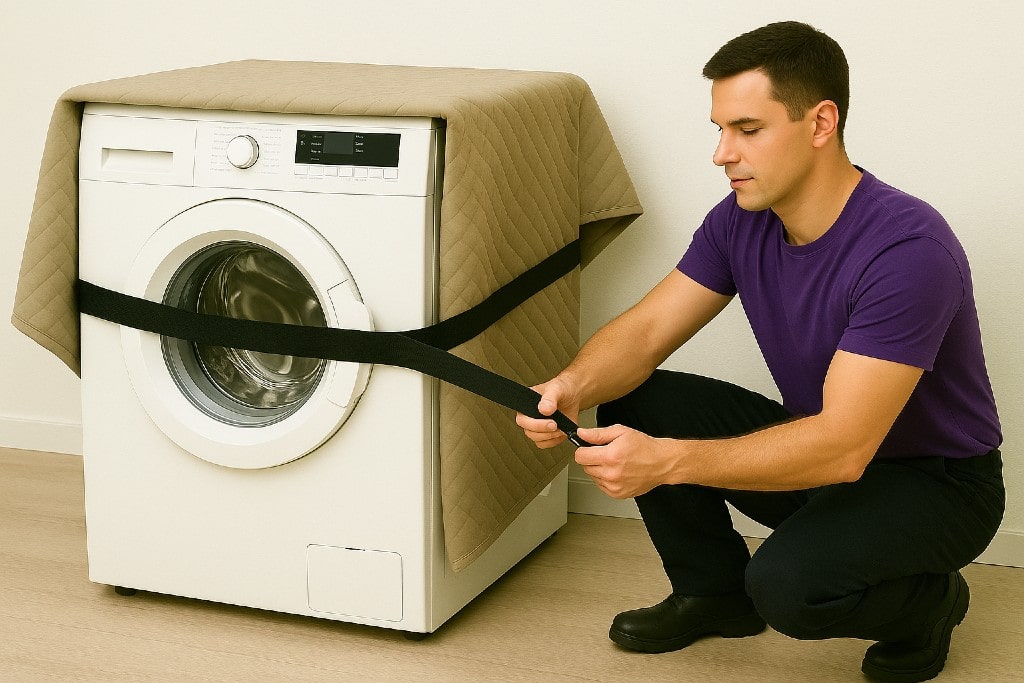
Start by covering the entire surface with moving blankets. Use bubble wrap on corners and fragile parts. Secure all wrapping with packing tape or plastic wrap.
- Cover the appliance fully with a moving blanket
- Wrap corners and handles with bubble wrap
- Use tape or plastic wrap to hold materials in place
- Protect hoses and cords by wrapping them separately
- Label wrapped parts to find them easily later
Using Appliance Dollies
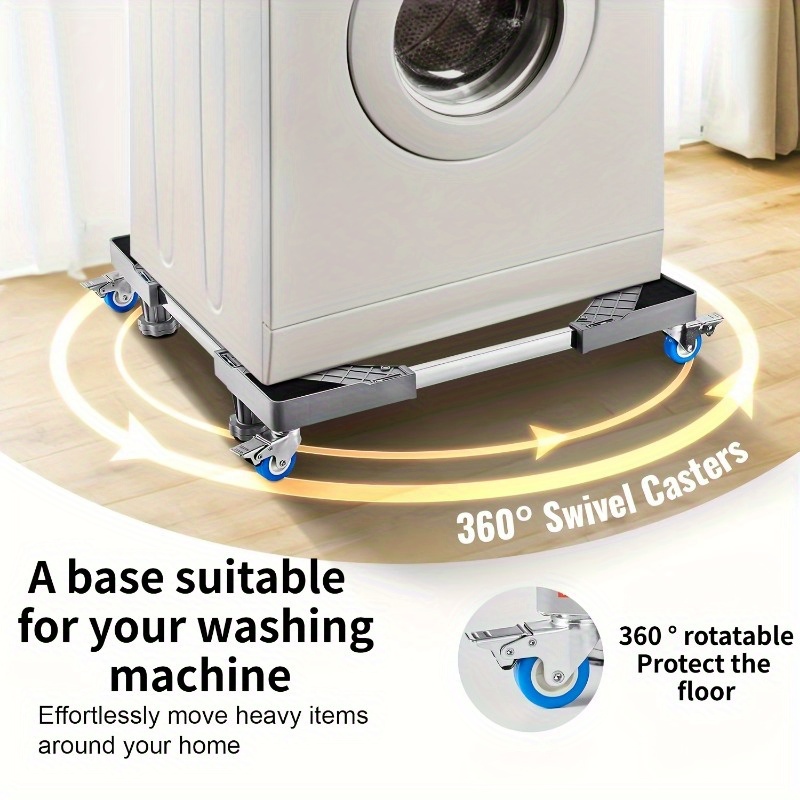
An appliance dolly helps move heavy washers and dryers safely. It reduces the risk of injury and damage to floors or walls.
Place the appliance on the dolly and secure it using straps. Tilt the dolly back to balance the weight. Move slowly and carefully over smooth surfaces.
- Use a dolly with straps for safety
- Secure the appliance tightly to the dolly
- Keep the appliance balanced when tilting
- Move slowly to avoid tipping
- Use ramps for stairs or curbs
Loading And Transporting
Moving a washer and dryer needs care to avoid damage. Proper loading and transport keep them safe.
This guide covers safe lifting, positioning in the vehicle, and securing during the move.
Safe Lifting Methods
Washers and dryers are heavy. Lift with your legs, not your back. Ask for help to avoid injury.
- Clear the path before lifting.
- Stand close to the appliance.
- Bend your knees and keep your back straight.
- Hold the appliance firmly on both sides.
- Lift slowly using your leg muscles.
- Move carefully and avoid twisting your body.
Positioning In Moving Vehicle
Place washers and dryers on flat surfaces inside the vehicle. Keep them upright to protect internal parts.
| Appliance | Position | Reason |
| Washer | Upright | Protects drum and hoses |
| Dryer | Upright | Prevents damage to heating elements |
| Both | Flat surface | Stops tipping and sliding |
Securing Appliances During Transit
Secure appliances to stop movement during transit. Use straps and padding to protect surfaces.
- Use ratchet straps to hold appliances in place.
- Place moving blankets around appliances to avoid scratches.
- Fill gaps with foam or pillows to prevent shifting.
- Check straps often during long trips.
Credit: www.nationalremovalist.com.au
Unloading And Setup
Moving a washer and dryer can be tricky, especially during unloading and setup. Careful steps help avoid damage and ensure the machines work well.
This guide covers removing protective materials, reconnecting the appliances, and testing their operation after setup.
Removing Protective Materials
Washers and dryers come with pads, straps, and covers to protect them during transit. Remove these before use to prevent damage.
- Take off all plastic films and tape from the surfaces.
- Remove shipping bolts or straps around the washer drum.
- Check inside the dryer drum for any packaging materials.
- Keep the manuals and hardware for future reference.
Reconnecting Washer And Dryer
Proper connections are key to safe and efficient operation. Use correct hoses and cords for water, power, and venting.
| Connection | Washer | Dryer |
| Water Supply | Connect hot and cold water hoses tightly | N/A |
| Drain Hose | Secure hose to drain pipe or sink | N/A |
| Power Cord | Plug into grounded outlet | Plug into grounded outlet |
| Vent Hose | N/A | Attach vent hose to outside vent |
Testing For Proper Operation
After setup, test each machine to ensure it runs smoothly without leaks or errors.
- Turn on the water supply and check for leaks at connections.
- Run a short wash cycle to test the washer’s function.
- Start the dryer to check heat and air flow.
- Listen for unusual noises or vibrations during operation.
- Verify that all settings respond correctly.
Troubleshooting Common Issues
Moving your washer and dryer can cause some common problems. Knowing how to fix these issues saves time and money. This guide covers water leaks, electrical troubles, and noisy operation.
Check each section carefully to keep your appliances working well after transport. Simple steps can prevent damage and keep your machines safe.
Handling Water Leaks
Water leaks often happen if hoses or connections are loose or damaged. Inspect these parts before and after moving your washer. Tighten any loose hoses and replace broken ones.
- Check water inlet hoses for cracks or holes.
- Tighten hose connections to the washer and water supply.
- Ensure the drain hose is properly secured and not kinked.
- Look under the washer for any signs of water pooling.
- Run a short wash cycle to test for leaks.
Addressing Electrical Problems
Electrical issues can stop your washer or dryer from working. Check the power source and cords first. Make sure the outlet is working and the plug fits well.
| Problem | Possible Cause | Action |
| Washer won’t start | No power | Check outlet with another device |
| Dryer won’t heat | Blown fuse or circuit breaker | Reset breaker or replace fuse |
| Machine stops mid-cycle | Loose power cord | Secure power connection |
| Control panel not working | Internal wiring issue | Contact a technician |
Dealing With Noisy Operation
Noise after transport often means something is loose or misaligned. Check the drum and feet of your washer and dryer. Tighten or level as needed to stop the noise.
- Inspect the drum for objects stuck inside.
- Make sure the appliance is level on the floor.
- Tighten all screws and bolts on panels and feet.
- Check if the shipping bolts were removed from the washer drum.
- Listen for unusual sounds during operation and note when they occur.
Frequently Asked Questions
How Do I Prepare My Washer For Moving?
Unplug the washer and disconnect water hoses. Drain all water completely. Secure the drum with shipping bolts or padding to prevent damage.
What’s The Best Way To Transport A Dryer?
Unplug the dryer and disconnect the vent. Secure the drum or heating elements if possible. Use a dolly and protect it with blankets during the move.
Can I Move Washer And Dryer Together Safely?
Yes, but separate securing and padding are crucial. Use proper equipment like dollies. Avoid stacking during transport unless designed for stacking.
How Do I Prevent Damage During Transport?
Secure all loose parts and use padding around appliances. Avoid tilting the washer too much to protect internal components. Handle both appliances carefully and avoid bumps.
Conclusion
Transporting your washer and dryer takes careful planning and some effort. Always unplug and secure all parts before moving. Use proper tools and protect the machines to avoid damage. Ask for help when lifting heavy appliances. Take your time to prevent accidents and scratches.
Following these steps helps keep your appliances safe during transport. This way, your washer and dryer arrive ready to use. Safe moving makes the whole process easier and less stressful.