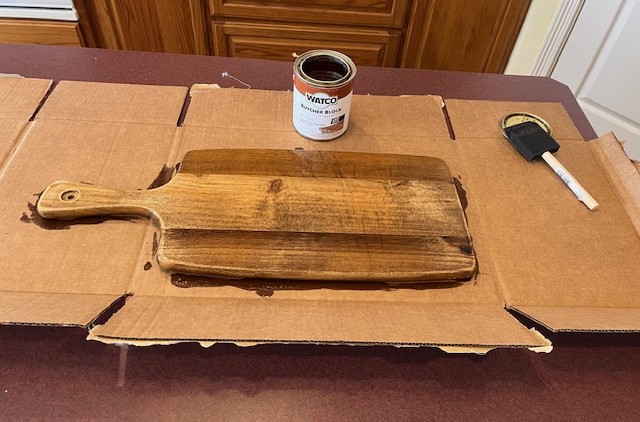
You just got a new cutting board, and you want it to last. But do you know how to treat it properly right from the start?
Taking a few simple steps now can protect your board from cracks, stains, and bacteria. You’ll learn easy, effective ways to care for your cutting board so it stays fresh and safe for every meal. Keep reading to discover the secrets that will make your new kitchen tool a reliable companion for years to come.

Credit: homewithgraceandjoy.com
Choosing The Right Cutting Board
Picking the right cutting board is important for your kitchen. It helps keep food safe and lasts longer.
Different boards work better for different types of cooking. Choose one that fits your needs and style.
Types Of Cutting Boards
Cutting boards come in many types. The most common are wood, plastic, bamboo, and glass.
Wood boards are classic and gentle on knives. Plastic boards are easy to clean. Bamboo boards are eco-friendly. Glass boards are stylish but can dull knives.
- Wood: durable and knife-friendly
- Plastic: dishwasher safe and lightweight
- Bamboo: hard and eco-friendly
- Glass: easy to clean but hard on knives
Material Pros And Cons
Each cutting board material has good and bad points. Think about these before buying.
| Material | Pros | Cons |
|---|---|---|
| Wood | Durable, gentle on knives, natural look | Needs oiling, can stain, not dishwasher safe |
| Plastic | Easy to clean, dishwasher safe, affordable | Can scratch, less durable, may retain odors |
| Bamboo | Eco-friendly, hard surface, resists water | Hard on knives, may crack, needs care |
| Glass | Non-porous, very easy to clean | Dulls knives quickly, can break or chip |
Initial Cleaning And Preparation
New cutting boards need proper care before use. Cleaning and drying them well helps keep food safe.
This guide shows how to wash and dry your board the right way for the best results.
Washing Before First Use
Clean the cutting board carefully to remove dust and residues from the factory or store.
- Use warm water and mild dish soap.
- Scrub all surfaces with a soft sponge or cloth.
- Rinse thoroughly to remove soap.
- Do not soak the board for a long time to prevent damage.
- For wooden boards, avoid harsh chemicals or bleach.
Drying Techniques
Dry the cutting board completely before storage. Moisture can cause warping or mold growth.
| Drying Method | Instructions |
| Air Dry | Place the board upright in a dish rack for full air flow. |
| Wipe Dry | Use a clean towel to remove moisture from all sides. |
| Sun Dry | Leave the board in indirect sunlight for 1-2 hours to dry. |
Seasoning Your Cutting Board
Seasoning a new cutting board helps protect it from cracks and stains. It also keeps the wood from drying out.
Regularly treating your board with oil improves its durability and appearance. Let’s learn how to season it properly.
Selecting The Best Oil
Use food-safe oils to season your cutting board. Avoid oils that can go rancid or leave sticky residue.
Mineral oil is a popular choice because it is odorless and tasteless. Other good options include beeswax or coconut oil.
- Mineral oil – safe, easy to find, and long-lasting
- Beeswax – adds extra protection and shine
- Coconut oil – natural but may smell slightly
- Avoid vegetable or olive oils because they can spoil
Application Steps
Start by cleaning your cutting board with warm water and soap. Dry it completely before applying oil.
Use a clean cloth or paper towel to rub the oil into the wood. Cover all surfaces evenly.
- Pour a small amount of oil onto the board
- Rub oil in circular motions covering the top, sides, and bottom
- Let the board absorb the oil for a few hours or overnight
- Wipe off any excess oil before using
Frequency Of Seasoning
Season your cutting board regularly to keep it in good shape. The frequency depends on how often you use it.
If you use the board daily, oil it once a week. For less frequent use, oil it once a month.
- Daily use: season once every week
- Weekly use: season every two weeks
- Occasional use: season once a month
- Always oil the board if it looks dry or dull

Credit: crownpointwood.co
Daily Maintenance Tips
Taking care of a new cutting board helps it last longer and stay safe for food. Daily maintenance keeps your board clean and in good shape.
Simple daily habits protect your cutting board from damage and bacteria. Learn the best ways to clean and handle it every day.
Proper Cleaning Methods
Wash your cutting board right after use. Use warm water and mild soap to clean it well. Rinse it fully to remove all soap.
Dry your board quickly with a clean towel. Let it air dry standing up to avoid moisture build-up.
- Use a soft sponge or cloth to avoid scratches
- Never soak the board in water for a long time
- Sanitize with vinegar or diluted bleach if needed
- Oil your board regularly with food-safe oil to keep wood healthy
Avoiding Damage
Do not put your cutting board in the dishwasher. Heat and water can cause warping and cracks.
Use separate boards for meat and vegetables. This prevents cross-contamination and keeps your board safer.
- Do not cut with very sharp or serrated knives that can gouge the surface
- Avoid dropping or banging the board on hard surfaces
- Keep the board away from extreme heat or direct sunlight
- Store the board in a dry place to prevent mold
Deep Cleaning And Deodorizing
Keeping a new cutting board clean is important for food safety. Deep cleaning removes stains and harmful bacteria. Deodorizing helps stop bad smells from building up.
This guide explains how to remove stains and eliminate odors from your cutting board. Use simple steps to keep it fresh and safe.
Removing Stains
Stains on cutting boards come from foods like beets, berries, and spices. Removing these stains quickly prevents permanent marks.
- Sprinkle coarse salt over the stained area.
- Rub the salt with half a lemon, squeezing juice as you go.
- Let it sit for five minutes to lift the stain.
- Rinse the board with warm water and dry it well.
- Repeat if the stain remains.
Eliminating Odors
Odors come from food particles trapped in the board’s surface. Removing odors keeps your kitchen smelling clean.
| Method | Instructions |
| Baking Soda Paste | Mix baking soda and water. Rub on board. Let sit 15 minutes. Rinse. |
| Vinegar Spray | Spray white vinegar on board. Let it sit 5 minutes. Wipe off and dry. |
| Sun Drying | Leave board in the sun for 1-2 hours. Sunlight helps kill odors. |
Repairing And Restoring
Cutting boards get worn out with use. Fixing and restoring them keeps them safe and looking good. Small damages like knife marks can be repaired easily.
Using the right sanding techniques also helps smooth the surface. This makes your cutting board ready for more cooking tasks.
Fixing Knife Marks
Knife marks can cause grooves where bacteria hide. Fixing these marks helps keep your board clean and safe. You can do this with simple tools at home.
- Start by cleaning the board with warm soapy water.
- Dry it completely before repairing.
- Use a sharp chisel or scraper to gently remove deep cuts.
- Sand the area lightly after scraping.
- Apply mineral oil to protect the wood after repair.
Sanding Techniques
Sanding smooths the surface and removes rough patches. It prepares the board for oiling or sealing. Different grits of sandpaper work best in order.
| Sandpaper Grit | Purpose |
| 80-100 | Remove deep knife marks |
| 120-150 | Smooth surface after rough sanding |
| 220-320 | Final polishing for a smooth finish |
Storage And Longevity
Treating a new cutting board helps keep it strong and clean. Proper storage also stops damage.
Good care makes your cutting board last longer and stay safe for food.
Ideal Storage Conditions
Store your cutting board in a dry place. Avoid spots with too much moisture or heat.
Keep it standing up or on its side. This lets air flow around it and stops warping.
- Keep away from direct sunlight
- Do not stack heavy items on top
- Store in a cool, dry area
- Use a rack or stand if possible
Signs To Replace
Check your cutting board often for deep cuts or cracks. These can hide bacteria.
If the board smells bad even after cleaning, it is time to get a new one.
- Large deep cuts or cracks
- Warping or bending shape
- Persistent bad odors
- Splitting wood pieces
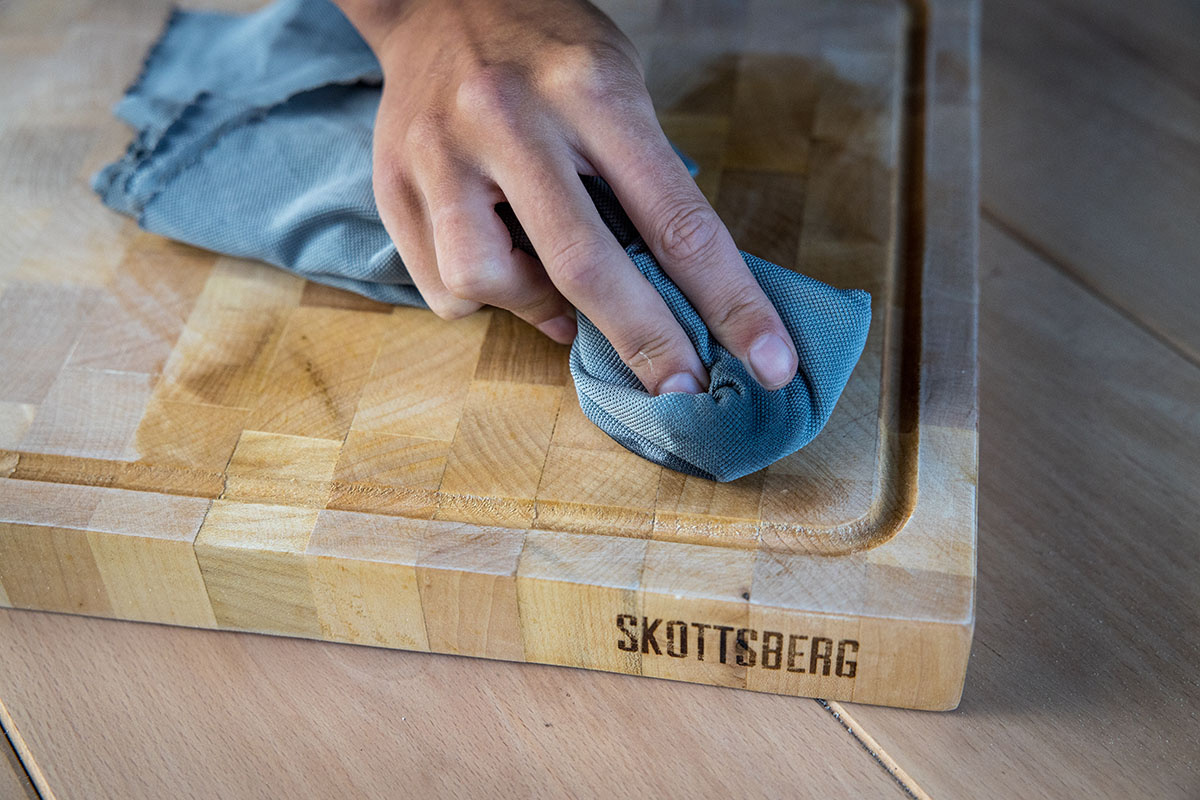
Credit: www.skottsberg.com
Frequently Asked Questions
How Do I Season A New Cutting Board?
To season a new cutting board, apply a generous amount of mineral oil. Use a clean cloth to spread the oil evenly. Let it absorb overnight, then wipe off excess. Repeat this process monthly to maintain the board’s condition.
Can I Use Olive Oil On Cutting Boards?
It’s not recommended to use olive oil on cutting boards. Olive oil can become rancid over time. Use food-grade mineral oil instead, which is odorless and won’t spoil. Mineral oil effectively protects and preserves the wood, ensuring longevity.
How Often Should I Oil My Cutting Board?
Oil your cutting board at least once a month. If you use it frequently, consider oiling it every two weeks. Regular oiling maintains the board’s moisture and prevents cracking. Always use food-grade mineral oil for the best results.
What Type Of Oil Is Best For Cutting Boards?
Food-grade mineral oil is best for cutting boards. It’s odorless and won’t spoil, ensuring the board stays in good condition. Avoid using vegetable or olive oils as they can turn rancid. Regular application protects and prolongs the board’s life.
Conclusion
Treating your new cutting board right keeps it safe and long-lasting. Apply oil regularly to stop drying and cracking. Clean it gently after each use, avoiding harsh detergents. Let it dry well before storing to prevent mold. Small steps make a big difference in board care.
Healthy cutting boards mean safer food and better cooking. Keep these tips in mind for a strong, useful kitchen tool. Your board will serve you well with simple, steady care.