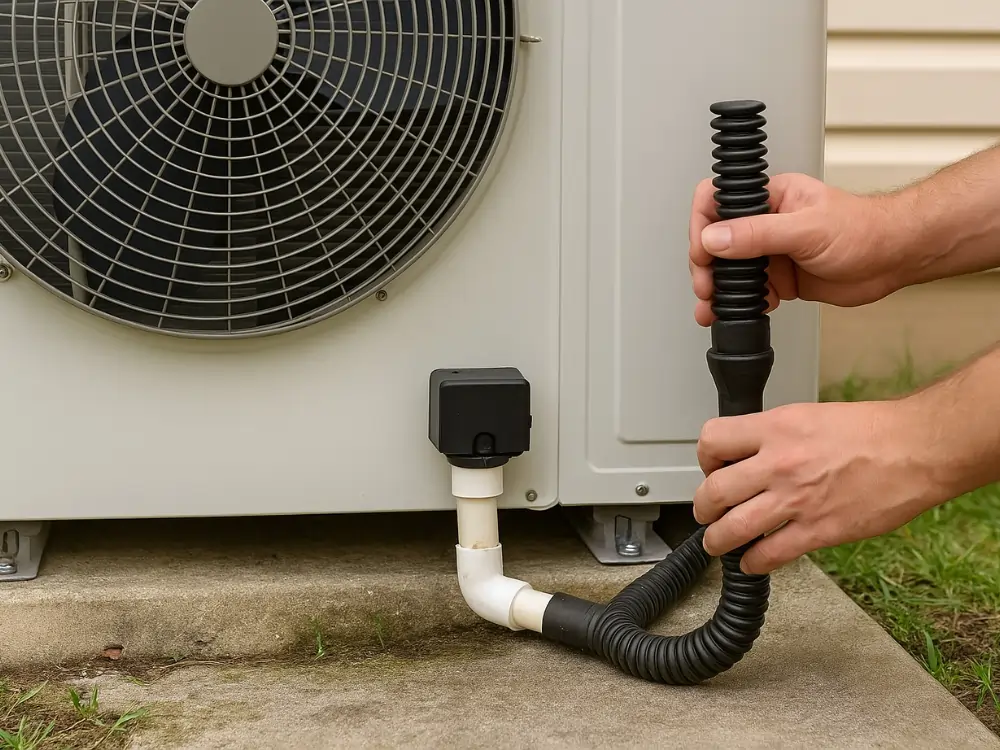
Is your air conditioner leaking water or making strange noises? The culprit might be a clogged drain pipe.
When your AC’s drain pipe gets blocked, it can cause water damage, reduce cooling efficiency, and even lead to costly repairs. But don’t worry—you don’t have to call a technician right away. You’ll learn simple, step-by-step ways to unclog your air conditioner’s drain pipe quickly and safely.
Keep reading to protect your home and keep your AC running smoothly all season long.
Signs Of A Clogged Ac Drain Pipe
A clogged air conditioner drain pipe can cause several problems. It stops water from draining properly. This leads to damage and discomfort.
Knowing the signs helps you fix the issue quickly. Here are common signs to watch for.
Water Leakage Around The Unit
Water pooling near your AC unit is a clear sign of a clogged drain pipe. When the pipe is blocked, water cannot flow out. It backs up and leaks inside your home.
- Wet spots around the indoor unit
- Dripping water from the AC
- Damage to walls or ceiling near the AC
- Mold or mildew growth near the unit
Unpleasant Odors
Clogged drain pipes can cause bad smells. Stagnant water trapped in the pipe breeds mold and bacteria. This creates a musty odor that spreads through the vents.
- Mold growth inside the drain pan
- Algae buildup in the drain pipe
- Trapped dirty water
Reduced Cooling Efficiency
A clogged drain pipe can reduce your AC’s cooling power. Water buildup causes the system to work harder. This wastes energy and lowers comfort.
| Effect | Cause | Result |
| Ice formation | Water backup | Reduced airflow |
| Fan strain | Wet components | Higher energy use |
| System shutoff | Overflow sensor | Cooling stops |

Credit: www.youtube.com
Tools And Materials Needed
Clogged air conditioner drain pipes cause water buildup and damage. Clearing the blockage needs the right tools and materials.
This guide lists basic cleaning supplies and specialized tools. Having these ready makes the job easier and safer.
Basic Cleaning Supplies
Basic supplies help remove dirt and small debris from the drain pipe. These items are often found at home or local stores.
- Bucket to catch water or debris
- Clean cloth or rag for wiping
- White vinegar to clean and disinfect
- Warm water to flush the pipe
- Dish soap to break down grease
- Protective gloves for hygiene
Specialized Drain Cleaning Tools
These tools help clear tough blockages deep inside the drain pipe. They improve access and ensure a thorough cleaning.
| Tool | Purpose |
| Wet/dry vacuum | Removes standing water and debris |
| Drain snake or auger | Breaks and pulls out clogs inside pipe |
| Compressed air blower | Blows out dust and dirt from pipe |
| Pipe brush | Scrubs pipe walls to remove buildup |
| Flexible tubing or hose | Flushes water and vinegar through pipe |
Safety Precautions Before Starting
Cleaning the drain pipe of an air conditioner needs care. Safety is very important to avoid accidents.
Before you start, prepare yourself and the area well. This keeps you safe during the work.
Power Off The Ac Unit
Always turn off the air conditioner before working on it. This stops electrical shocks and damage.
Switch off the main power switch or unplug the unit from the socket. Confirm the unit is fully off.
Protective Gear To Wear
Wear protective gear to guard against dirt and sharp parts. This helps keep you safe and clean.
- Gloves to protect your hands from dirt and sharp edges
- Safety glasses to shield your eyes from debris
- A mask to avoid breathing dust or mold
Step-by-step Cleaning Methods
Air conditioner drain pipes can get clogged over time. Cleaning them helps your AC work well and stops water leaks.
Here are simple ways to clean your drain pipe safely and effectively.
Using A Wet-dry Vacuum
A wet-dry vacuum can suck out dirt and water blocking the drain pipe. It is a quick way to clear clogs.
Make sure the vacuum is set to liquid mode. Attach the hose to the drain pipe opening and turn the vacuum on.
- Turn off the AC unit before starting.
- Locate the drain pipe outside or near the AC unit.
- Place the vacuum hose firmly over the pipe opening.
- Run the vacuum for 1 to 2 minutes to remove debris.
- Check if water flows freely after cleaning.
Flushing With Bleach Or Vinegar
Flushing the drain pipe with bleach or vinegar kills mold and clears buildup inside. This keeps the pipe clean longer.
Use a cup of bleach or vinegar mixed with water. Pour it slowly into the drain pipe and wait 30 minutes.
- Turn off the AC before flushing.
- Mix 1 cup of bleach or vinegar with 1 cup of water.
- Pour the solution into the drain pipe opening.
- Wait 30 minutes for it to work.
- Flush the pipe with clean water to rinse.
Manual Removal Of Debris
Sometimes debris like leaves or dirt block the drain pipe entrance. Removing this manually helps water flow better.
Use gloves and a small brush or wire to clear out visible debris from the pipe opening and nearby areas.
- Turn off the AC and unplug it.
- Wear gloves for safety and hygiene.
- Look inside the pipe opening for debris.
- Use a small brush or wire to pull out dirt and leaves.
- Dispose of the debris safely.
- Check that water drains freely after cleaning.
Preventive Maintenance Tips
Keeping your air conditioner’s drain pipe clear is important. It helps stop water leaks and damage. Regular care can save you time and money.
Here are some simple tips to prevent clogs and keep your air conditioner working well.
Regular Inspection Schedule
Check the drain pipe every month during the cooling season. Look for any signs of water backup or slow drainage. Early detection stops bigger problems.
- Turn off the air conditioner before inspecting.
- Look for cracks or leaks around the pipe.
- Clear any visible blockages using a soft brush or cloth.
- Test water flow by pouring a small amount of water into the drain pan.
- Call a professional if you see persistent water buildup.
Keeping The Area Clean
Remove dirt, dust, and leaves near the drain pipe. These can cause clogs if they enter the pipe. Clean the area around the outdoor unit regularly.
- Clear debris from the drain pan under the air conditioner.
- Trim plants and grass around the outdoor unit.
- Wipe dust off the pipe opening with a damp cloth.
- Keep gutters clean to avoid water overflow near the unit.
Using Drain Pipe Covers
Drain pipe covers stop dirt and insects from entering the pipe. They also reduce the chance of clogs and damage.
| Cover Type | Benefit | Material |
| Screen Cover | Blocks leaves and bugs | Plastic or metal mesh |
| Cap Cover | Seals pipe end tightly | Plastic or rubber |
| Filter Cover | Filters fine dust and debris | Foam or fabric |

Credit: unitedstatesolutions.com
When To Call A Professional
Unclogging an air conditioner drain pipe can often be done at home. Some clogs are simple and easy to clear. Yet, some problems need expert help to avoid damage.
Knowing when to call a professional can save time and prevent costly repairs. It helps keep your air conditioner working well and your home safe.
Persistent Clogs
Sometimes, clogs come back after you clean them. This shows the blockage may be deep or hard to reach. Persistent clogs can cause water leaks and damage.
If you have cleaned the drain pipe several times but water still backs up, it is time to call a professional. They have tools to clear tough blockages safely.
Complex Plumbing Issues
Drain pipes may have complex plumbing problems. These include broken pipes, poor installation, or hidden leaks. Such issues need expert diagnosis and repair.
Do not try to fix these problems yourself. A professional plumber or HVAC technician can find and fix complex issues correctly. This prevents further damage and ensures proper function.
Credit: airaceheatingandcooling.com
Frequently Asked Questions
Why Does My Ac Drain Pipe Clog?
AC drain pipes often clog due to dirt, dust, and mold buildup. Regular maintenance and cleaning are crucial. These blockages can lead to water leakage and damage. Ensuring that the drain line is clear helps maintain the efficiency of your air conditioning system.
How Can I Unclog My Ac Drain Pipe?
To unclog, turn off the AC and locate the drain line. Use a wet/dry vacuum to remove blockages. Alternatively, you can flush the line with a vinegar-water solution to dissolve any buildup. Regular cleaning can prevent future clogs.
What Tools Do I Need To Unclog It?
You’ll need a wet/dry vacuum, a funnel, and a vinegar-water solution. These tools help in effectively removing blockages and maintaining the drain pipe. Regular maintenance ensures smooth operation and prevents future issues.
How Often Should I Clean The Drain Pipe?
It’s recommended to clean your AC drain pipe every three to six months. Regular cleaning prevents clogs and ensures efficient operation. This routine maintenance helps in avoiding costly repairs and enhances the longevity of your air conditioning system.
Conclusion
Clogged drain pipes can cause serious AC problems. Regular cleaning keeps your system running smoothly. Simple steps help prevent water damage and mold growth. Use a wet-dry vacuum or a brush to clear blockages. Check the drain pipe often to catch issues early.
Taking care of your air conditioner saves money and time. Stay attentive to signs of clogging and act quickly. Clean drains mean better cooling and longer AC life.