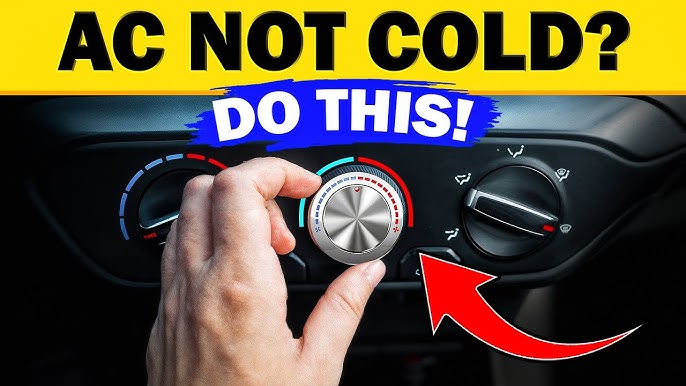
Is your air conditioner suddenly covered in ice? It’s frustrating when your cooling system stops working just when you need it most.
But don’t panic—your AC can often be saved without calling a costly repair service. In this guide, you’ll learn simple, effective steps to quickly unfreeze your air conditioner and get cool air flowing again. Keep reading to discover how you can fix this common problem yourself and avoid the discomfort of a hot, sticky room.
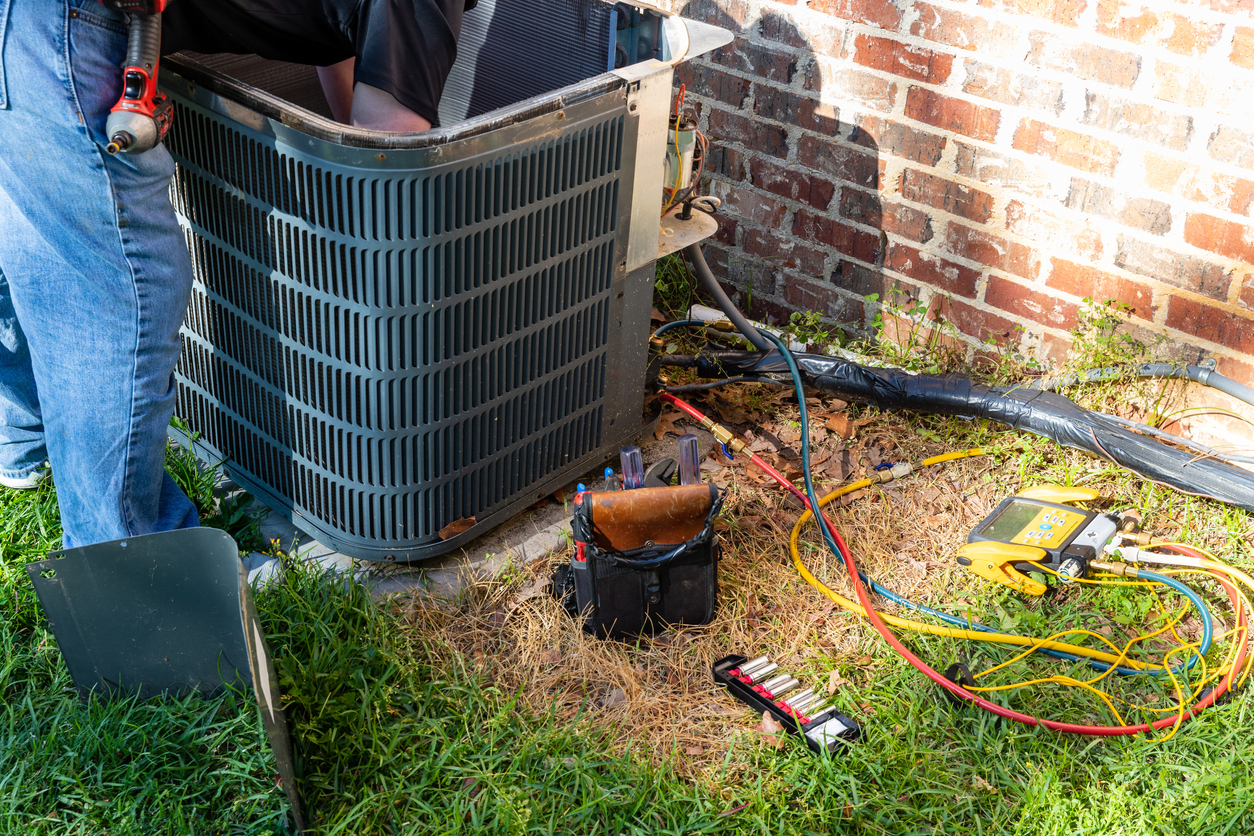
Credit: wheatandsons.com
Causes Of A Frozen Air Conditioner
Low refrigerant levelscause the air conditioner to freeze. The refrigerant absorbs heat from inside. When its level is low, cooling parts get too cold and ice forms.
Dirty air filtersblock airflow. This makes the system work harder. Without enough air, cold air builds up and freezes the coils.
Blocked airflowalso stops warm air from reaching the coils. This causes the temperature to drop below freezing. Ice then forms on the coils.
Thermostat issuescan cause the system to run too long. It keeps cooling even when it shouldn’t. This overcooling leads to frozen parts in the AC.
Safety Precautions Before Fixing
Always turn off the powerto the air conditioner before starting any work. This prevents electric shocksand damage to the unit. Locate the main switch or unplug the device completely.
Wear protective gearlike gloves and safety glasses. This keeps your hands and eyes safe from sharp parts and debris. Clean clothes that cover arms and legs are also recommended.
Step-by-step Unfreezing Process
Turn off the AC and fanto stop more ice from forming. This helps the unit rest and start melting the ice.
Allow ice to melt naturally. Do not use sharp tools to break the ice. This could damage the unit. Use a towel to catch water as ice melts.
Check and replace air filters. Dirty filters block airflow. Clean filters help the AC work better and stop freezing.
Clear obstructions around the unit. Remove leaves, dirt, or anything blocking air. Good airflow helps stop ice build-up.
| What to Check | Why It Matters | How to Fix |
|---|---|---|
| Refrigerant Levels | Low refrigerant can cause ice to form | Call a professional to inspect and refill |
| Air Filters | Dirty filters reduce airflow and cause freezing | Clean or replace filters regularly |
| Unit Surroundings | Blocked airflow leads to ice build-up | Clear leaves, dirt, and debris around unit |
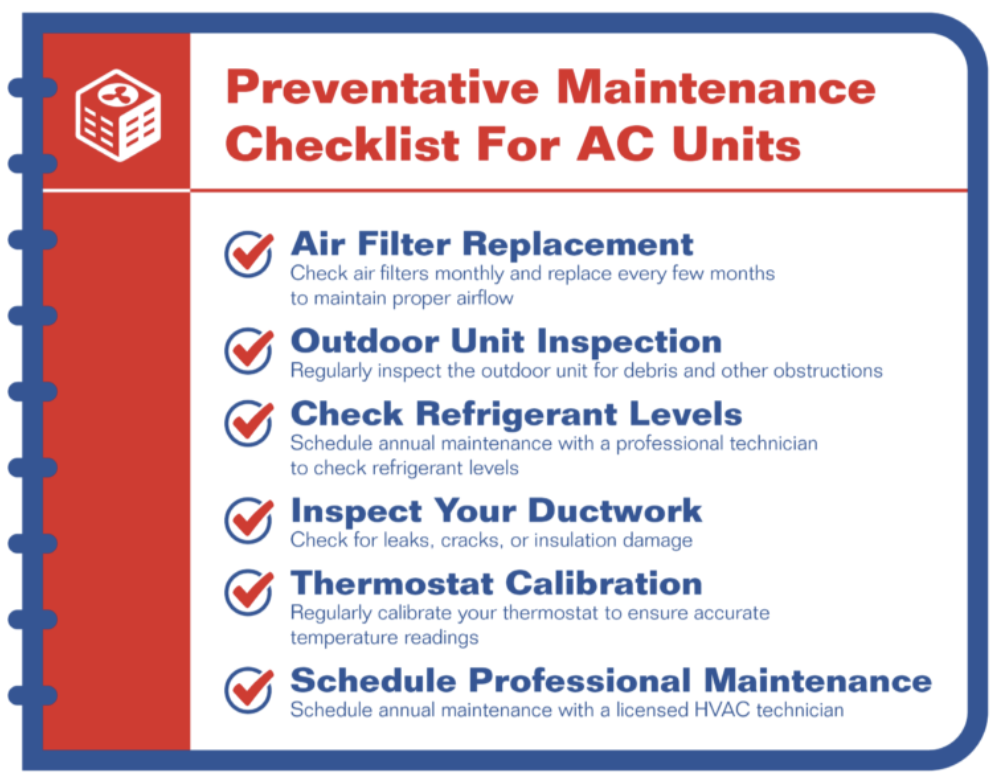
Credit: samedaysd.com
Preventing Future Freezing
Regular maintenance helps keep your air conditioner working well. Clean or replace filters often to maintain proper airflow. Blocked filters cause cold air to freeze the coils.
Keep vents and registers open and clear of furniture or curtains. This allows air to move freely and prevents freezing. Check the evaporator coil for dirt. Clean it gently if needed.
Professional checkups catch problems early. Technicians check refrigerant levels and mechanical parts. They spot issues you might miss. Schedule these checkups once or twice a year to avoid future freezing.
When To Call A Professional
Persistent freezingmay signal deeper problems. If ice keeps forming after thawing, call a professional. They can check for hidden issues that cause freezing.
Refrigerant rechargeis needed when levels drop. Low refrigerant causes the coil to freeze. Only trained technicians can safely add refrigerant.
Complex mechanical problems like fan or compressor failure need expert help. These parts keep the air conditioner running smoothly. Repairing them requires special tools and skills.
- Continuous ice build-up after thawing
- Low refrigerant levels needing refill
- Fan or compressor not working properly
- Strange noises or smells from unit
- System shuts off unexpectedly
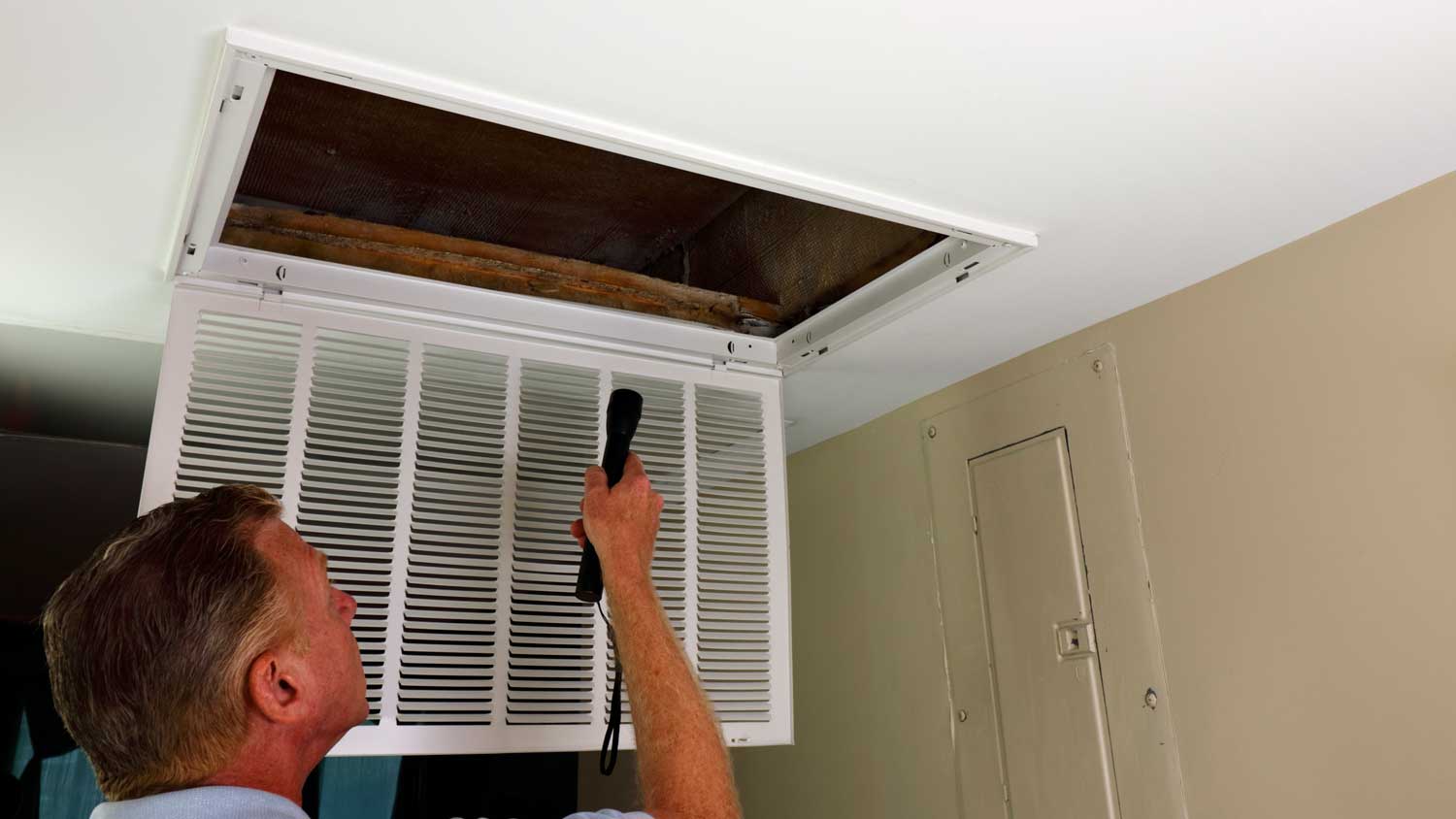
Credit: www.angi.com
Frequently Asked Questions
Why Does An Air Conditioner Freeze Up?
An air conditioner freezes due to restricted airflow or low refrigerant levels. Blocked filters or vents can reduce airflow. Insufficient refrigerant causes the evaporator coil to get too cold. Regular maintenance and checking for leaks can prevent freezing issues and ensure efficient operation.
How Can I Defrost My Ac Unit Quickly?
To defrost, turn off the air conditioner and switch to fan mode. This helps circulate air and melt ice. Ensure all vents and filters are clean and unobstructed. If freezing persists, consult a technician for a thorough inspection and potential refrigerant recharge.
What Are Signs My Ac Is Frozen?
Common signs include reduced airflow, ice buildup on the evaporator coil, and water leakage around the unit. You may also notice warm air instead of cool air. Regularly check your air conditioner for these signs to address issues promptly.
How Often Should I Clean Ac Filters?
Clean AC filters every 1-3 months to maintain efficient airflow and performance. Dust and debris can block airflow, leading to freezing problems. Regular cleaning ensures proper air circulation and extends the lifespan of your air conditioner.
Conclusion
An air conditioner can freeze for many reasons. Knowing how to unfreeze it saves time and money. Turn off the unit and let ice melt naturally. Check air filters and clean them regularly. Make sure the airflow is not blocked.
Keep the thermostat at the right temperature. Regular maintenance helps prevent freezing issues. Taking simple steps keeps your AC working well. Stay cool and comfortable all summer long.