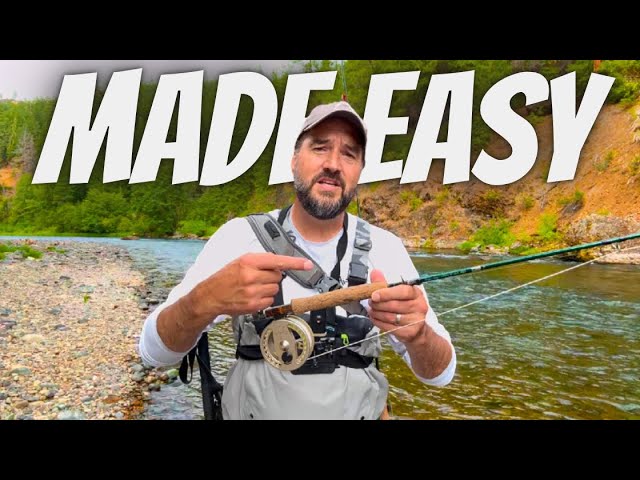
Are you ready to master the art of fly fishing? Knowing how to use a fly fishing rod can turn your fishing trips into unforgettable experiences.
Whether you’re a beginner or looking to sharpen your skills, this guide will help you cast with confidence and catch more fish. Imagine the thrill of watching your line float gracefully over the water, landing just where you want it.
Keep reading, and you’ll discover simple steps and insider tips that make fly fishing easy and fun. Your next great catch is closer than you think.
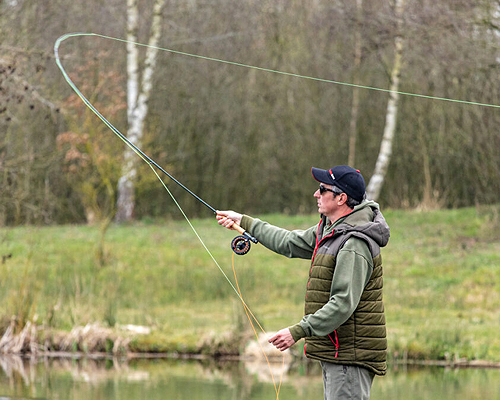
Credit: www.anglingdirect.co.uk
Choosing The Right Fly Rod
Using the right fly rod makes fishing easier and more fun. You should pick a rod that fits your fishing style and the fish you want to catch.
This guide will help you understand the main points to consider when choosing a fly rod. Learn about different types, lengths, weights, and materials.
Types Of Fly Rods
Fly rods come in many types. Each type works best for certain fishing situations. Some rods are made for small streams, others for big rivers or saltwater.
- Freshwater rods:Good for lakes and rivers with smaller fish.
- Saltwater rods:Strong and durable for big fish in the ocean.
- Spey rods:Long rods used for casting large flies in big rivers.
Rod Length And Weight
Length and weight affect how you cast and what fish you can catch. Short rods are easy to use in tight places. Long rods help cast far distances.
| Rod Length | Best Use |
| 6 to 7 feet | Small streams, close casting |
| 8 to 9 feet | General fishing, most popular |
| 10 feet or more | Long casts, big rivers |
| Rod Weight | Target Fish |
| 2 to 4 weight | Small fish, trout, panfish |
| 5 to 7 weight | Medium fish, bass, salmon |
| 8 to 12 weight | Large fish, saltwater species |
Material Considerations
Fly rods are made from different materials. Each material changes how the rod feels and works.
- Bamboo:Classic look and smooth action but heavier and needs care.
- Fiberglass:Durable and flexible, good for beginners and slow casting.
- Graphite:Light and strong, most common today for all skill levels.
Setting Up Your Fly Rod
Setting up your fly rod correctly is key for a good fishing experience. It involves attaching the reel, spooling the line, and adding the leader and tippet.
Follow these steps carefully to prepare your rod for fishing.
Attaching The Reel
Attach the reel to the rod’s reel seat by sliding it into place. Tighten the locking rings to hold it firmly. The reel should feel secure and not move.
Spooling The Line
Spooling the line onto the reel must be done carefully to avoid twists. Start by tying the backing line to the reel spool. Then, add the fly line on top of the backing.
- Tie the backing to the reel spool using an arbor knot.
- Attach the fly line to the backing with a nail knot.
- Wind the line evenly onto the reel by turning the handle.
- Make sure the line is tight and smooth without overlaps.
Adding The Leader And Tippet
The leader connects the fly line to the tippet, which holds the fly. Use a loop-to-loop connection for easy changes. Attach the tippet to the leader’s end with a knot.
| Part | Function |
| Leader | Transfers energy from fly line to fly |
| Tippet | Thin line that holds the fly |
| Fly Line | Main line for casting |
Basic Casting Techniques
Learning how to use a fly fishing rod starts with the basic casting techniques. These techniques help you place the fly gently on the water and catch fish more easily.
We will cover three common casts: the overhead cast, the roll cast, and the sidearm cast. Each has its own use and method.
The Overhead Cast
The overhead cast is the most basic and widely used casting method. It moves the fly line forward and backward in a straight line over your head.
- Hold the rod with a firm but relaxed grip.
- Start with the rod tip low and the line straight on the water.
- Lift the rod smoothly to a 1 o’clock position, stopping briefly.
- Pause to let the line straighten in the air.
- Bring the rod forward to about 10 o’clock, releasing the line to cast.
- Lower the rod tip to place the fly gently on the water.
The Roll Cast
The roll cast is useful when you have little space behind you. It uses the water surface to help lift the line for the cast.
| Roll Cast Step | Description |
|---|---|
| Lift Line | Pull the line off the water with the rod tip low and pointed downstream. |
| Rod Lift | Raise the rod smoothly to about 1 o’clock while keeping the line against the water. |
| Pause | Hold the rod steady to allow the line to form a loop in the air. |
| Forward Cast | Push the rod forward to about 10 o’clock to send the line forward. |
| Set Down | Lower the rod tip to gently place the fly on the water surface. |
The Sidearm Cast
The sidearm cast is good for casting under trees or bushes. It keeps the line low and moves it sideways instead of overhead.
- Hold the rod horizontally, pointing to your side.
- Pull the line out straight to the side.
- Smoothly move the rod backward and then forward in a horizontal arc.
- Pause briefly to let the line straighten in the air.
- Stop the rod to release the line and land the fly softly on the water.
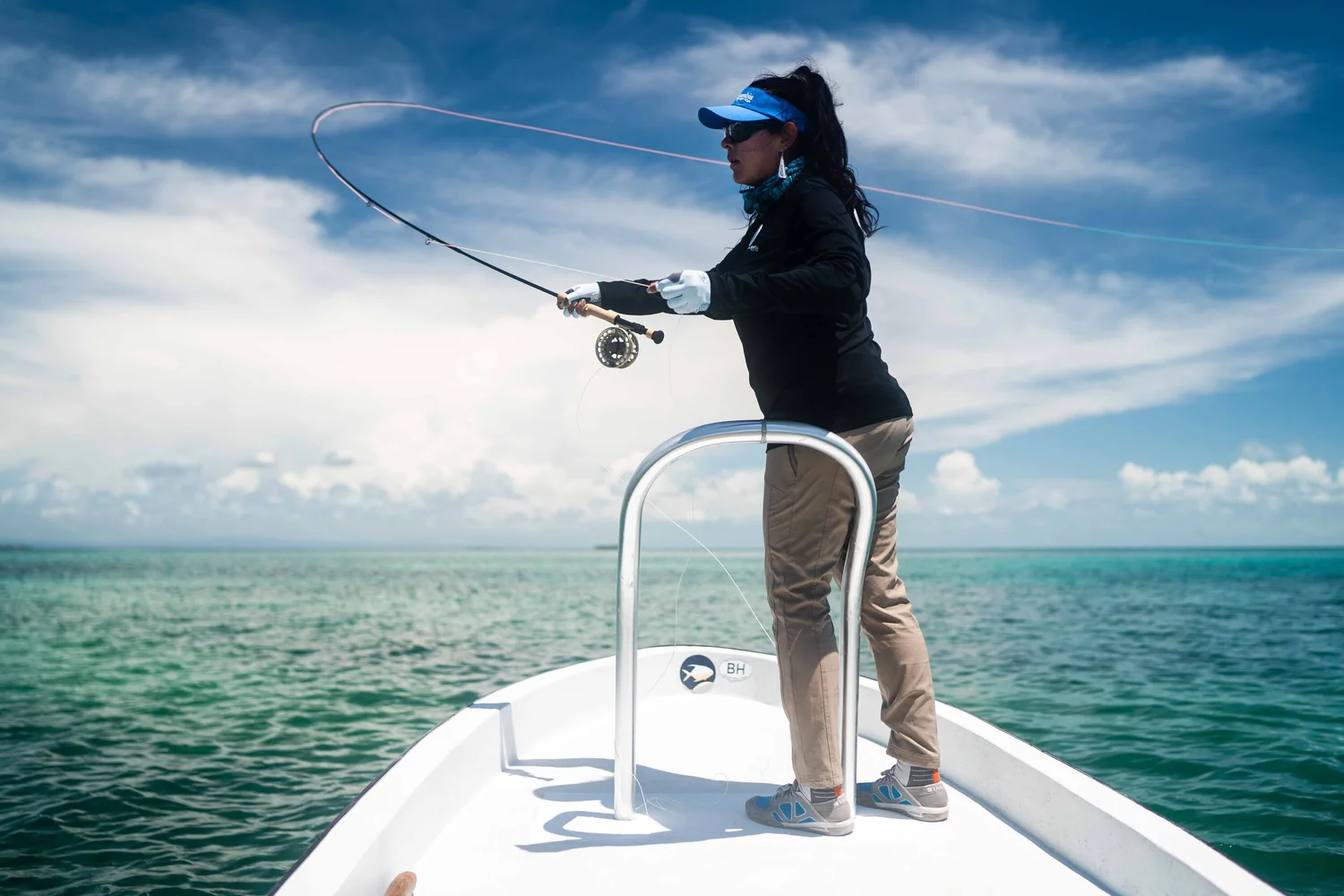
Credit: bluehorizonbelize.com
Advanced Casting Tips
Using a fly fishing rod well takes practice. Advanced casting helps you fish better and reach tricky spots.
These tips focus on improving your casting skills for more success on the water.
Double Haul Casting
Double haul casting uses both hands to add power and distance. It helps you cast farther and through the wind.
Pull the line with your non-rod hand during the cast. This adds speed to the line and rod tip.
- Start with a normal back cast.
- Pull the line with your free hand as you move the rod backward.
- Stop the rod sharply at the top of the cast.
- Repeat the haul on the forward cast.
- Practice timing to avoid tangles.
Casting In Wind
Wind can push your line off target. Adjust your cast to fight the wind and keep control.
Cast with a lower rod angle to keep the line close to the water. This reduces wind effect.
- Use a stronger rod to handle wind.
- Make shorter casts to control the line better.
- Cast slightly upstream to let the wind help your line.
- Keep a tight loop to reduce drag.
Achieving Accurate Presentation
Accuracy places your fly where fish can see it. Good aim means more bites and less wasted casts.
Focus on smooth, controlled casts. Watch your line and adjust to hit your target every time.
- Pick a clear target before casting.
- Keep your wrist firm and rod tip steady.
- Use short, precise back and forward strokes.
- Practice casting to small spots repeatedly.
Common Casting Mistakes
Many anglers face challenges when learning to cast a fly fishing rod. Mistakes can reduce accuracy and tire you out quickly. Understanding common errors helps improve your technique.
This guide covers three key casting mistakes to avoid. Fixing these will make your fishing experience more enjoyable and productive.
Overloading The Rod
Overloading happens when you use too heavy a fly or line for your rod. This can damage the rod and make casting hard. The rod bends too much, causing poor control and less distance.
- Check your rod’s weight rating before choosing a line or fly.
- Use lighter flies that match the rod’s power.
- Avoid casting very heavy flies with a light rod.
Poor Timing
Good timing means moving the rod smoothly and stopping at the right moment. Poor timing causes the line to tangle or fall short. Many beginners rush the cast or pause too long.
| Timing Error | Effect | Tip to Fix |
|---|---|---|
| Rushing forward cast | Line tangles or loops | Pause briefly before moving forward |
| Pausing too long | Line drops in water early | Keep pause short and steady |
| Starting too fast | Rod bends too much | Use smooth, controlled speed |
Incorrect Line Control
Line control means managing the line’s length and direction during the cast. Poor control makes the line tangle, drag, or fall off target. Beginners often hold too much line or let it slack.
- Keep your line tight but not too tight.
- Use your fingers to guide and hold the line softly.
- Practice controlling line length before casting far.
- Watch your line to avoid loops or slack.
Maintaining Your Fly Rod
Taking care of your fly fishing rod keeps it working well. Regular maintenance helps you enjoy fishing longer.
Simple checks and cleaning protect your rod from damage. Learn how to maintain your rod below.
Cleaning And Storage
Clean your rod after each fishing trip. Use fresh water and a soft cloth to remove dirt and salt.
- Rinse the rod with fresh water
- Wipe it dry with a soft cloth
- Store it in a dry, cool place
- Keep it in a rod tube or case
Checking For Damage
Look over your rod regularly for cracks or loose guides. These can cause line problems or break your rod.
| Part | What to Check | Action |
| Rod Blank | Cracks or splinters | Repair or replace |
| Guides | Looseness or bends | Tighten or replace |
| Reel Seat | Secure fit | Tighten or fix |
Replacing Line And Tippet
Change your fly line and tippet when they look worn or damaged. Fresh line improves casting and control.
- Remove old line from the reel
- Check the new line for any defects
- Attach the new line securely to the reel
- Use a fresh tippet for better fly presentation
- Check knots and replace if weak

Credit: saltwateredge.com
Frequently Asked Questions
What Is The Best Way To Hold A Fly Fishing Rod?
Hold the fly fishing rod with a relaxed grip using your thumb on top. Keep your wrist flexible for smooth casting. This ensures better control and accuracy when casting your line.
How Do You Cast A Fly Fishing Rod Properly?
Start with a slow back cast, then smoothly accelerate forward. Keep the rod tip high and stop abruptly to let the line unfurl. Practice timing to improve distance and accuracy.
What Type Of Fly Fishing Rod Is Ideal For Beginners?
A 9-foot, 5-weight rod is perfect for beginners. It offers versatility for different fish and water types. This rod is easy to handle and cast, making it great for learning.
How Do You Maintain A Fly Fishing Rod?
Rinse your rod with fresh water after use, especially in saltwater. Dry it thoroughly and store it in a protective case. Regular maintenance extends the rod’s lifespan and performance.
Conclusion
Fly fishing can be a relaxing and rewarding hobby. Use your rod with patience and practice. Remember, it’s about the experience, not just the catch. Focus on your technique and enjoy the outdoors. Each cast improves your skill. Feel the rhythm and flow of the water.
Stay aware of your surroundings. Nature offers peace and beauty. Keep learning and experimenting. Every fishing trip tells a story. Whether you catch fish or not, enjoy the journey. Fly fishing connects you with nature. Embrace the simplicity and joy of the moment.
Happy fishing!