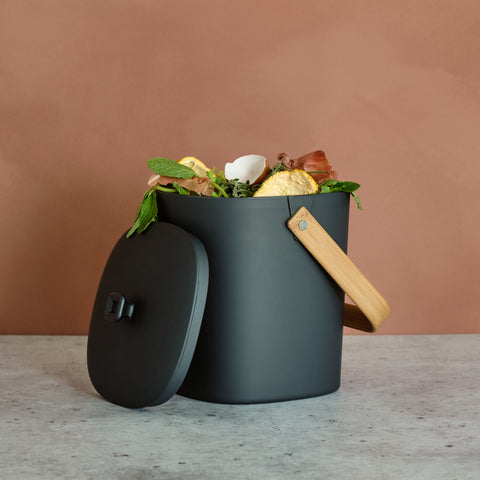
Are you tired of throwing away food scraps and feeling guilty about the waste? What if you could turn those leftovers into something useful right in your own kitchen?
Using a kitchen compost bin is an easy way to reduce waste, help the environment, and even improve your garden soil. In this guide, you’ll discover simple steps to start composting at home, clear up any confusion, and avoid common mistakes.
By the end, you’ll be ready to transform your kitchen scraps into rich compost that benefits you and the planet. Keep reading to find out how!
Choosing The Right Compost Bin
Using a kitchen compost bin helps reduce food waste and creates rich soil for plants. Picking the right bin makes composting easier and cleaner.
Consider your kitchen space and the types of waste you want to compost. This guide will help you choose the best bin for your needs.
Types Of Kitchen Compost Bins
There are many compost bin types for kitchens. Each works well for different spaces and composting styles.
- Countertop Bins:Small, usually with a lid and charcoal filter. Good for small kitchens.
- Pull-Out Bins:Built into cabinets. Save space and keep smells hidden.
- Compost Crocks:Stylish ceramic bins with air holes. Easy to clean and use.
- Electric Composters:Use electricity to speed up composting. Ideal for fast results.
Size And Capacity Considerations
Choose a compost bin size that fits your kitchen space and waste amount. Too small means emptying often. Too large can take up too much room.
| Household Size | Recommended Bin Size |
| 1-2 people | 1 to 2 gallons |
| 3-4 people | 3 to 5 gallons |
| 5 or more people | 5 gallons or more |
Material And Design Features
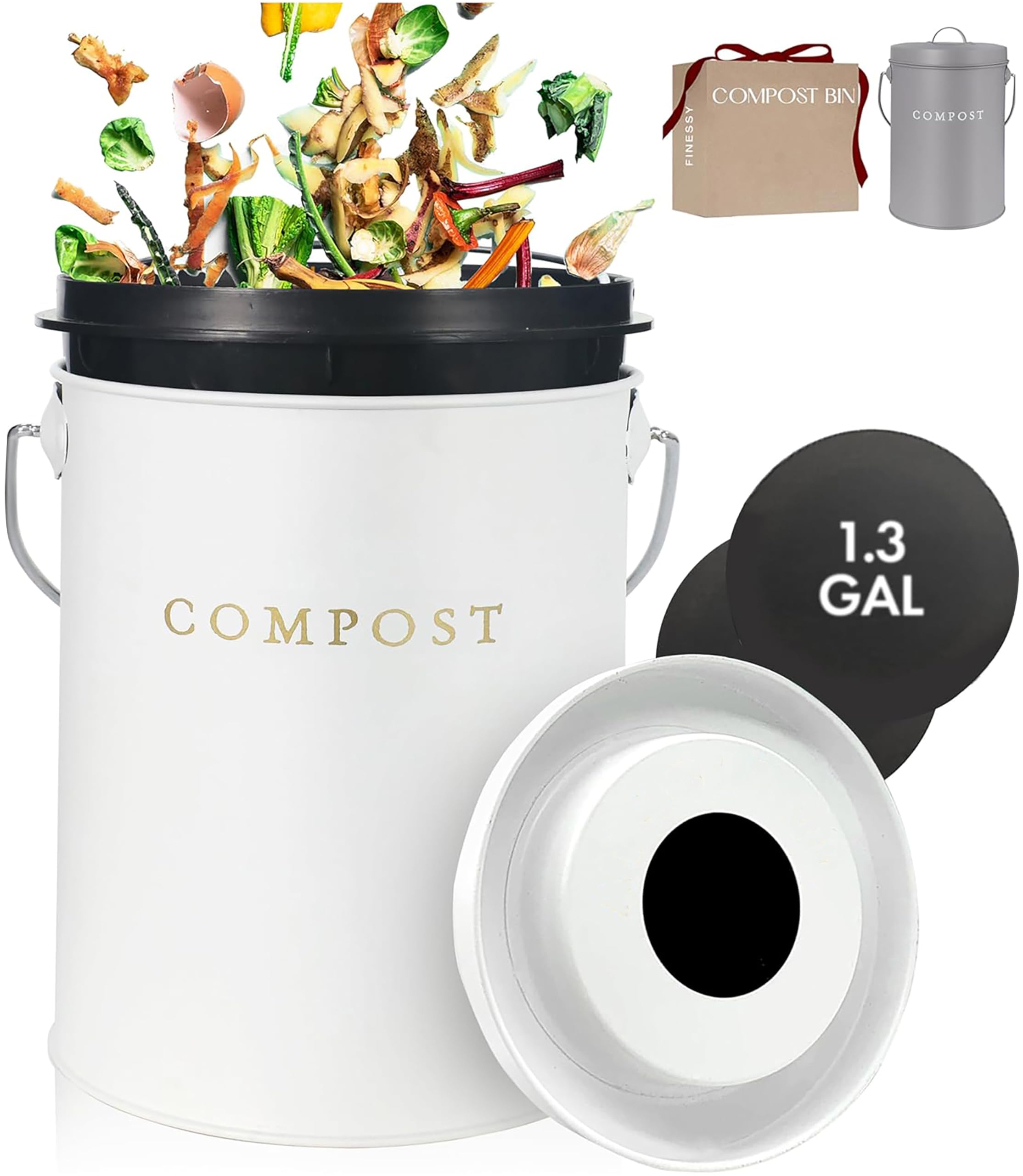
Materials affect durability and ease of use. Look for features that control odors and moisture.
- Plastic:Lightweight and cheap but can stain.
- Stainless Steel:Durable, easy to clean, and odor-resistant.
- Ceramic:Attractive but heavier and can break.
- Air Vents:Help reduce smell and keep air flowing.
- Charcoal Filters:Trap odors inside the bin.
- Sealed Lids:Prevent pests and contain smells.
Credit: www.amazon.com
Setting Up Your Compost Bin
Using a kitchen compost bin helps reduce waste and create useful soil. Setting it up correctly makes composting easy and clean.
This guide will help you pick the best spot, use liners, and avoid common problems when starting your compost bin.
Ideal Location In Your Kitchen
Choose a spot that is easy to reach while cooking. Keep it near your food prep area or sink for quick use.
Make sure the location is dry and well-ventilated. Avoid placing it near heat sources or direct sunlight.
- Near the sink or countertop
- Dry and cool area
- Easy to clean around
- Out of direct sunlight
Lining And Accessories
Use a compost bin with a tight lid to control smells and keep bugs out. A removable liner helps with easy cleaning.
Some people add a small carbon filter inside the lid. This reduces odors and keeps your kitchen fresh.
- Choose bins with lids and handles
- Use compostable liners or newspaper
- Consider a charcoal filter for odor control
- Keep a small scoop or spoon nearby
Avoiding Common Setup Mistakes
Do not place the bin where it gets too hot or cold. This can slow down composting and cause bad smells.
Avoid overfilling the bin. Empty it regularly to stop pests and reduce mess.
- Do not keep the bin in direct sunlight
- Empty the bin before it becomes too full
- Use proper liners to prevent leaks
- Clean the bin often to avoid odors
What To Compost
Using a kitchen compost bin helps reduce waste and makes rich soil. Knowing what to compost is key for success.
Not all kitchen scraps are good for compost. Some need to be avoided to keep your compost healthy.
Kitchen Scraps To Include
Add these scraps to your kitchen compost bin to help create nutrient-rich compost.
- Vegetable peels and scraps
- Fruit cores and peels
- Used coffee grounds and filters
- Tea bags (without plastic)
- Eggshells, crushed
- Leftover cooked vegetables
- Nut shells (except walnut)
Items To Avoid
Some items can harm your compost or attract pests. Keep these out of your kitchen bin.
- Meat, fish, and bones
- Dairy products like cheese and milk
- Oils and greasy foods
- Pet waste
- Coal or charcoal ash
- Plastic, glass, and metals
- Diseased plants or weeds with seeds
Balancing Greens And Browns
Good compost needs a mix of green and brown materials. Greens are rich in nitrogen. Browns add carbon.
| Type | Examples | Role |
| Greens | Fruit scraps, vegetable peels, coffee grounds | Add nitrogen |
| Browns | Dry leaves, paper towels, cardboard pieces | Add carbon |
Balance greens and browns by adding about two parts brown for every one part green. This keeps compost healthy.

Credit: pumpkinsandpetals.com
Maintaining Your Compost Bin
Keeping your kitchen compost bin clean and balanced helps it work well. Regular care prevents problems and keeps smells away.
This guide covers cleaning tips, odor control, and moisture management for your compost bin.
Regular Cleaning Tips
Clean your compost bin often to avoid pests and bad smells. Empty the bin before washing it well.
- Rinse the bin with warm water and mild soap
- Use a brush to scrub corners and crevices
- Dry the bin completely before adding new scraps
- Clean any lids and seals to keep them tight
- Keep the bin in a cool, dry place
Controlling Odors
Odors happen when your compost has too much wet material or lacks air. Proper balance stops bad smells.
| Cause | How to Fix |
| Too much food waste | Add dry leaves or paper |
| Not enough air | Stir the compost regularly |
| Wet scraps left too long | Remove wet items and dry bin |
| Bin lid left open | Keep lid closed to control smell |
Managing Moisture Levels
Your compost should be as damp as a wrung-out sponge. Too dry or too wet slows decomposition.
- Check moisture by squeezing compost scraps
- Add water if too dry, spray lightly
- Add dry materials like shredded paper if too wet
- Mix the compost to spread moisture evenly
- Use a breathable bin or poke holes for airflow
Emptying And Using Compost
Using a kitchen compost bin helps reduce waste and creates rich soil for plants. Knowing when and how to empty your bin keeps the compost healthy and ready to use.
This guide covers emptying your compost, storing it properly, and using it in your garden to help plants grow strong and healthy.
When And How To Empty
Empty your kitchen compost bin every 3 to 5 days to avoid bad smells and pests. If you notice the bin is full or smells strong, it is time to empty it.
- Wear gloves to keep hands clean.
- Open the bin carefully to avoid spills.
- Transfer the compost scraps to your outdoor compost pile or bin.
- Rinse the kitchen bin with water and mild soap if needed.
- Dry the bin before adding new scraps.
Compost Storage Ideas
Storing compost correctly helps speed up decomposition and keeps pests away. Choose a cool, shaded spot outdoors for your compost storage.
| Storage Method | Benefits |
| Closed Compost Bin | Prevents pests and retains moisture |
| Compost Pile with Cover | Allows airflow and protects from rain |
| Compost Tumbler | Easy to turn and mix compost |
Using Compost In Your Garden
Compost adds nutrients and improves soil texture. Use it to help plants grow strong and healthy.
- Mix compost into garden soil before planting.
- Use compost as mulch around plants to keep soil moist.
- Add compost to potting mix for indoor plants.
- Sprinkle compost on lawns to boost grass growth.
Troubleshooting Common Issues
Using a kitchen compost bin is easy, but some problems may appear. These issues can slow down composting or cause bad smells.
Knowing how to fix these problems helps keep your compost healthy and working well.
Dealing With Pests
Pests like fruit flies, ants, or rodents can come to your compost bin. They are often attracted by food scraps or smells.
To keep pests away, avoid putting meat or oily foods in the bin. Also, keep the lid closed tightly.
- Use a bin with a secure lid
- Cover food scraps with dry leaves or paper
- Empty the bin regularly to avoid bad smells
- Clean the bin with mild soap and water
Preventing Mold Growth
Mold can grow in your compost if it is too wet or lacks air. Mold may cause bad smells and slow down composting.
Keep your compost dry and mix it often to stop mold from growing.
- Add dry materials like shredded paper or dry leaves
- Mix the compost to add air
- Avoid adding too much wet food at once
- Keep the bin in a well-ventilated area
Fixing Slow Decomposition
If your compost breaks down slowly, it may lack the right balance of materials or air. Compost needs green and brown materials to work well.
Check your compost and add more materials or mix it to speed up decomposition.
- Add green materials like fruit scraps or vegetable peelings
- Add brown materials like dry leaves or shredded paper
- Turn the compost regularly to add oxygen
- Keep the compost moist but not too wet
Boosting Zero Waste Cooking Habits
Using a kitchen compost bin helps reduce food waste and supports zero waste cooking. It turns scraps into nutrient-rich compost for your garden or plants.
By planning meals and using food scraps creatively, you can lower waste and save money. Composting works best when combined with other smart habits.
Planning Meals To Reduce Waste
Plan your meals before shopping to buy only what you need. Use leftovers in new recipes to avoid throwing food away.
Keep track of what you already have to prevent buying duplicates. This saves food from spoiling unused.
- Make a weekly meal plan
- Check your fridge and pantry first
- Buy in smaller amounts if possible
- Use leftovers creatively
Creative Uses For Food Scraps
Food scraps can be used in many ways before composting. Some peels and ends add flavor to soups or stocks.
Vegetable scraps can also be pickled or blended into sauces and dips. This reduces waste and adds variety to meals.
- Save onion skins for broth
- Use carrot tops in salads or pesto
- Turn stale bread into croutons
- Freeze scraps for future soups
Combining Composting With Other Practices
Composting works well with other zero waste habits like recycling and reducing plastic use. Together, they create a cleaner kitchen.
Use reusable containers and bags to store food. This cuts down on packaging waste and keeps food fresh longer.
- Recycle paper and plastics properly
- Use cloth bags for shopping
- Store food in glass containers
- Compost kitchen scraps daily
Credit: shop.epicgardening.com
Frequently Asked Questions
What Types Of Waste Can I Compost In A Kitchen Bin?
You can compost fruit scraps, vegetable peels, coffee grounds, eggshells, and small paper pieces. Avoid meat, dairy, and oily foods as they attract pests and cause odors.
How Often Should I Empty My Kitchen Compost Bin?
Empty your kitchen compost bin every 2-3 days to prevent odors and pest issues. Regular emptying keeps compost fresh and promotes faster decomposition.
How Do I Prevent Odors In My Kitchen Compost Bin?
To prevent odors, add dry materials like shredded paper or leaves. Keep the bin clean and avoid composting meat or dairy products that cause smells.
Can I Compost Cooked Food Scraps In My Kitchen Bin?
It’s best to avoid cooked food scraps because they attract pests and create odors. Stick to raw vegetable and fruit waste for healthy composting.
Conclusion
Using a kitchen compost bin is simple and rewarding. It reduces waste and enriches your garden soil. Start small by collecting vegetable peels and coffee grounds. Remember to turn your compost regularly for faster results. Avoid adding meat or dairy products to prevent odors.
Keep your bin covered to deter pests. Over time, you’ll see rich compost forming. This natural process benefits the environment and your plants. Anyone can compost with a bit of effort and care. Enjoy the satisfaction of reducing waste and nurturing your garden.
Happy composting!