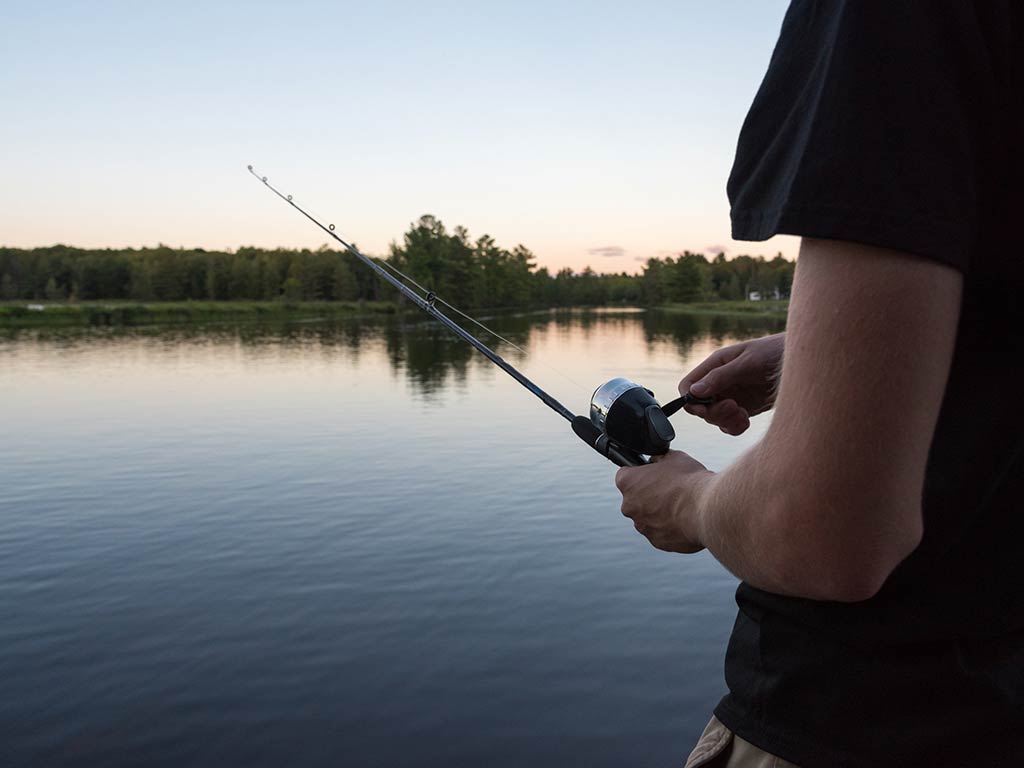
Are you ready to catch more fish with less hassle? Learning how to use a spinning fishing rod can change your fishing game completely.
Whether you’re a beginner or just looking to improve, this simple tool gives you control, accuracy, and fun on the water. Keep reading, and you’ll discover easy tips and tricks to master your spinning rod quickly. By the end, you’ll feel confident casting like a pro and reeling in your next big catch.
Let’s dive in!
Choosing The Right Spinning Rod
Choosing the right spinning rod is important for a good fishing experience. A rod that fits your needs helps you cast better and catch fish more easily.
There are many types of spinning rods. You also need to pick the right length, power, and match the rod with your reel and line.
Types Of Spinning Rods
Spinning rods come in different types based on the material and design. Common types include graphite, fiberglass, and composite rods.
Graphite rods are light and sensitive. Fiberglass rods are strong and flexible. Composite rods combine both features for balanced performance.
- Graphite rods: lightweight and sensitive
- Fiberglass rods: durable and flexible
- Composite rods: mix of graphite and fiberglass
Selecting Rod Length And Power
Rod length affects casting distance and control. Short rods give more control but less casting distance. Long rods cast farther but are harder to control.
Rod power means how strong the rod is. Light power rods are for small fish. Medium power rods work for many fish. Heavy power rods are for big fish.
- Short rods (5-6 feet): best for close fishing
- Medium rods (6-7 feet): good for general use
- Long rods (7+ feet): cast long distances
- Light power: small fish and light lures
- Medium power: most fishing situations
- Heavy power: big fish and heavy lures
Matching Rod With Reel And Line
Your rod must work well with your reel and fishing line. The reel size should fit the rod’s handle and balance.
Choose a line weight that matches the rod’s rating. Using the right line helps prevent rod damage and improves casting.
- Match reel size to rod handle and power
- Use line weight within rod’s recommended range
- Balance rod and reel for better control
Setting Up Your Rod And Reel
Setting up your spinning fishing rod and reel is simple. Follow these steps for a great fishing experience.
Proper setup ensures your equipment works well. Let’s learn how to attach, spool, and adjust correctly.
Attaching The Reel Correctly
First, you need to attach the reel to the rod. This gives you control over the line and casting.
- Open the reel seat by twisting the lock.
- Place the reel foot into the reel seat.
- Tighten the lock until the reel is secure.
Spooling The Line
Spooling the line is important for smooth casting. Make sure the line is tight and even.
- Pass the line through the rod guides.
- Attach the line to the reel spool.
- Turn the reel handle to spool the line evenly.
Adjusting The Drag System
Adjusting the drag system helps control the tension. This prevents the line from snapping.
| Drag Setting | Fish Type |
| Light | Small Fish |
| Medium | Medium Fish |
| Heavy | Large Fish |
Casting Techniques For Accuracy
Using a spinning fishing rod with accuracy helps catch more fish. Good casting lets you place the bait where fish swim.
Learn how to control your cast by following simple steps and adjusting for different situations.
Basic Casting Steps
Start by holding the rod with your dominant hand. Keep the reel below the rod. Open the bail to let the line out freely.
- Bring the rod tip behind you, keeping the line straight.
- Use a smooth motion to swing the rod forward.
- Release the line by letting go of the spool with your finger at the right time.
- Close the bail manually after the lure lands in the water.
Improving Casting Distance
To cast farther, use the rod’s full length and add power to your motion. Timing your release well is important too.
| Tip | How It Helps |
|---|---|
| Use a longer rod | Increases lever length for longer casts |
| Keep the line tight | Reduces slack and improves energy transfer |
| Release line at rod’s highest point | Maximizes distance by using rod’s momentum |
| Practice smooth, fast rod movement | Improves speed and power of the cast |
Handling Different Casting Situations
Adjust your casting style depending on weather, obstacles, and fish behavior. Use light casts in tight spots and stronger casts in open water.
- In windy conditions, aim low to keep the line steady.
- When casting near trees or bushes, use a sidearm or roll cast.
- For long distances, use a heavier lure and full power cast.
- In calm water, focus on gentle casts for quiet entry.
Choosing The Right Bait And Lures
Choosing the right bait and lures is important for successful fishing. It helps attract the fish you want to catch. Different fish like different types of bait and lures.
Knowing which bait or lure to use can make your fishing trip more enjoyable and productive. Let’s look at some good options for live bait and artificial lures.
Live Bait Options
Live bait works well because it looks natural to fish. Many anglers prefer it for its movement and scent in the water. Common live baits include worms, minnows, and insects.
- Nightcrawlers and earthworms
- Small minnows and shiners
- Crickets and grasshoppers
- Leeches and crawfish
Popular Artificial Lures
Artificial lures come in many shapes and colors. They mimic the look and movement of prey. Using lures lets you fish in different water conditions and target specific fish.
- Spinnerbaits that flash and spin
- Soft plastic worms and grubs
- Crankbaits that dive and wiggle
- Jigs with weighted heads
Matching Lures To Target Fish
| Fish Type | Recommended Lure | Reason |
| Bass | Soft plastic worms | Mimics natural prey well |
| Trout | Small spinners | Reflects light, attracts attention |
| Walleye | Jigs with minnows | Looks like injured fish |
| Crappie | Small crankbaits | Imitates small baitfish |
Fishing Techniques With A Spinning Rod
Using a spinning fishing rod is a popular choice for many anglers. It offers versatility and ease of use for different fishing situations.
Understanding key techniques helps improve your fishing success. Learn how to retrieve, set the hook, and handle the fish.
Retrieving Methods
Retrieving means pulling the fishing line back after casting. It helps bring the lure or bait closer to you and attracts fish.
Different speeds and styles of retrieving can trigger fish to bite. Try steady, slow, or stop-and-go retrieves to see what works best.
- Steady retrieve: reel in at a constant speed
- Stop-and-go: reel, pause, then reel again
- Twitching: small jerks to make the lure move
Setting The Hook
Setting the hook means pulling the rod to catch the fish firmly. Do this when you feel a strong pull or tug on the line.
Use a quick, sharp motion with your wrist to drive the hook into the fish’s mouth. Avoid slow or weak pulls to prevent losing the fish.
- Watch for line movement or sudden stops
- Pull the rod back quickly but not too hard
- Keep your line tight after setting the hook
Playing And Landing Fish
Playing the fish means controlling its movements while it tries to escape. Keep tension on the line and use the rod to absorb shocks.
Land the fish by guiding it toward you gently. Use a net if possible to avoid breaking the line or hurting the fish.
- Keep your rod tip up to hold tension
- Let the fish run if it pulls hard
- Reel in line carefully during calm moments
- Use a net or your hands to lift the fish out

Credit: www.aftco.com
Maintaining Your Spinning Rod
Taking care of your spinning rod helps it last longer. Regular maintenance keeps it working well.
Simple steps after fishing can prevent damage and save money on repairs.
Cleaning After Use
After fishing, rinse your rod with fresh water. This removes salt, dirt, and debris. Use a soft cloth to wipe it dry. Avoid harsh chemicals that can harm the rod’s finish.
Storage Tips
- Store your rod in a cool, dry place away from sunlight.
- Keep it in a rod holder or rack to avoid bending.
- Use a protective sleeve to prevent dust and scratches.
- Remove the reel if storing for a long time to reduce pressure on guides.
Regular Inspection And Repairs
| Part | What to Check | Action if Damaged |
| Guides | Cracks or bends | Replace or repair to avoid line damage |
| Reel Seat | Loose fit | Tighten or fix to keep reel secure |
| Handle | Wear or cracks | Clean or replace grip for comfort |
| Rod Blank | Scratches or breaks | Avoid use and get professional repair |
Check your rod regularly to spot problems early. Fixing small issues saves bigger costs later.
Common Mistakes To Avoid
Using a spinning fishing rod can be easy once you know the basics. Still, many beginners make simple mistakes that hurt their fishing experience.
Avoiding these mistakes helps you fish better and keeps your rod in good shape. Learn what to watch out for to enjoy fishing more.
Overloading The Rod
Using line or lures that are too heavy can damage your spinning rod. Each rod has a weight limit, and ignoring it causes stress on the rod.
Overloading the rod makes it harder to cast and can cause it to break. Choose gear that matches your rod’s power and action.
- Check the rod’s recommended line weight on the label
- Use lures that fit the rod’s lure weight range
- Do not force heavy fish with a light rod
Poor Casting Habits
Bad casting can waste energy and scare fish away. Many beginners cast too hard or at the wrong angle, causing tangles or short casts.
Practice smooth, controlled casts. Keep your wrist firm and use your whole arm. Aim for a gentle release of the line.
- Do not snap your wrist too quickly
- Keep the rod tip low for better control
- Watch the line to avoid tangles
- Practice casting in open areas before fishing
Neglecting Maintenance
Skipping regular care can shorten your rod’s life. Salt, dirt, and moisture cause damage if not cleaned off after use.
Check your rod and reel often. Clean them with fresh water and dry them well. Store them in a safe place to prevent damage.
- Rinse rod and reel after fishing in saltwater
- Lubricate reel parts as needed
- Inspect guides and reel seat for cracks
- Store rod in a cool, dry place

Credit: www.battlbox.com
Advanced Tips For Experienced Anglers
Using a spinning fishing rod well can help you catch more fish. These tips focus on improving your skills with different rod actions and water types.
Choosing the right gear for the fish you want makes fishing easier. Learn how to match your rod and tackle to your target species.
Using Rod Action To Your Advantage
Rod action means how much the rod bends when pressure is applied. Fast action rods bend near the tip. Slow action rods bend more toward the base.
Fast action rods give better hook sets and more sensitivity. Slow action rods absorb big fish runs without breaking the line.
- Use fast action rods for single-hook lures and quick strikes.
- Choose medium action rods for balanced flexibility and power.
- Pick slow action rods when fishing with live bait or soft plastics.
Techniques For Different Water Conditions
Water conditions change how fish behave. Adjust your casting and retrieval based on water clarity and flow.
In clear water, use lighter lines and natural-colored lures. In murky water, try heavier lines and bright or noisy lures.
- In fast water, cast upstream and let your lure drift naturally.
- In calm water, use slow retrieval to mimic injured prey.
- In deep water, let your lure sink before starting your retrieve.
Optimizing Gear For Specific Fish Species
Different fish need different gear setups. Match your rod strength and line to the size and fight of the fish.
Use lighter rods and lines for small fish. Use stronger rods and heavier lines for bigger, stronger fish.
| Fish Species | Rod Power | Line Strength (lbs) | Recommended Lure |
|---|---|---|---|
| Trout | Light | 4-6 | Small spinners or flies |
| Bass | Medium | 8-12 | Plastic worms or crankbaits |
| Walleye | Medium | 6-10 | Jigs or minnows |
| Catfish | Heavy | 15-30 | Cut bait or stink bait |
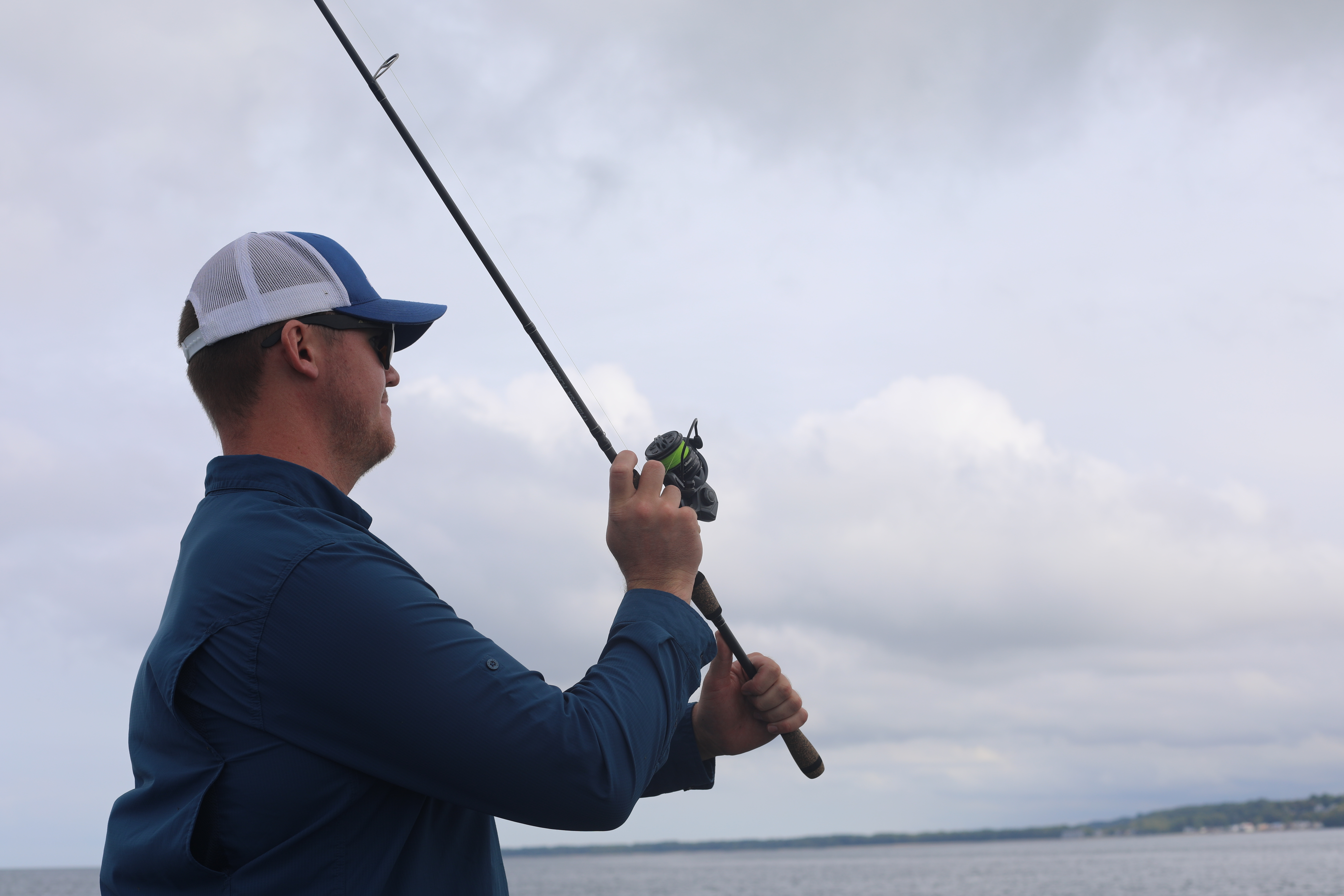
Credit: www.fishusa.com
Frequently Asked Questions
What Is The Best Way To Hold A Spinning Fishing Rod?
Hold the rod firmly with your dominant hand above the reel. Keep a relaxed grip for better control and sensitivity during casting and retrieval.
How Do You Properly Cast A Spinning Fishing Rod?
Open the bail, hold the line with your finger, and smoothly swing the rod forward. Release the line at the right moment for accurate casting.
When Should You Use A Spinning Fishing Rod?
Use a spinning rod for light to medium fishing, especially with lighter lures. It’s ideal for freshwater fishing and beginners.
How Do You Set The Drag On A Spinning Reel?
Turn the drag knob clockwise to increase resistance and counterclockwise to decrease. Adjust it to prevent line breakage during fish fights.
Conclusion
Using a spinning fishing rod can be fun and effective. Practice casting often to improve your skills. Choose the right bait and lure for your fish. Keep your rod and reel clean for better performance. Stay patient and enjoy the calm water moments.
Fishing is about learning and spending time outdoors. Try different techniques to see what works best. Remember, each trip teaches you something new. Have fun and keep fishing!