If you love the rich, smoky flavor that only charcoal grilling can give, mastering your Weber Grill charcoal is a game-changer. You might have the grill, but are you really getting the most out of it?
Imagine perfectly seared steaks, juicy burgers, and crispy veggies every time you fire it up. This guide will walk you through simple steps to light, manage, and control your charcoal like a pro. By the end, you’ll feel confident and ready to impress your family and friends with mouthwatering meals straight from your Weber grill.
Ready to make your next cookout unforgettable? Let’s dive in.
Credit: www.youtube.com
Choosing The Right Charcoal
Choosing the right charcoal helps you get the best grilling results. Different charcoals burn in different ways. Knowing which one to pick makes cooking easier and tastier.
We will look at the key differences between lump charcoal and briquettes. Then, we will check what shows good quality charcoal. Finally, we will see how charcoal affects the environment.
Lump Charcoal Vs Briquettes
Lump charcoal is made by burning wood without air. Briquettes are made by pressing charcoal powder with binders. Both have good uses depending on your needs.
- Lump Charcoal:Lights quickly and burns hotter.
- Briquettes:Burns longer and stays steady.
- Lump:Has no fillers or chemicals.
- Briquettes:Often includes additives for easy lighting.
- Lump:Produces less ash.
- Briquettes:Creates more ash but holds heat well.
Quality Indicators
| Indicator | Good Charcoal | Poor Charcoal |
| Color | Deep black or dark gray | Light gray or ashy |
| Smell | Natural wood aroma | Chemical or strange odor |
| Shape | Uniform size and shape | Irregular, crumbly pieces |
| Burn Test | Burns steadily with little smoke | Burns unevenly with lots of smoke |
Environmental Considerations
Charcoal production and use affect the environment. Some types cause more pollution or waste. Choose charcoal that helps protect nature.
- Lump charcoal often comes from natural wood and is biodegradable.
- Briquettes may contain binders that can add chemicals to the air.
- Look for charcoal made from sustainable wood sources.
- Check for certifications that show eco-friendly practices.
- Use charcoal in well-ventilated areas to reduce smoke impact.
Preparing Your Weber Grill
Getting your Weber charcoal grill ready is important for good cooking. Proper preparation helps you cook food evenly and safely.
Follow simple steps to clean, set up the grill grate, and arrange the charcoal chamber before lighting the fire.
Cleaning And Maintenance
Clean your Weber grill before every use. Remove ashes and leftover charcoal to avoid bad smoke.
Brush the grill grate with a wire brush to clear old food bits. Check for rust or damage on all parts.
- Empty the ash catcher to prevent buildup
- Wipe the outside with a damp cloth
- Check air vents for blockages
- Use warm soapy water to clean grill parts if needed
Setting Up The Grill Grate
Place the grill grate evenly on the charcoal grill. Make sure it fits securely to hold your food safely.
Heat the grate before cooking. This helps stop food from sticking and makes cleaning easier after grilling.
- Position the grate so it does not wobble
- Preheat the grill grate for 10-15 minutes
- Use cooking oil on the grate to reduce sticking
Arranging The Charcoal Chamber
Arrange charcoal evenly in the chamber for steady heat. You can use different layouts depending on your cooking style.
Leave space for airflow under the charcoal. Good air flow helps the charcoal burn better and last longer.
- Spread charcoal in a single layer for even heat
- Stack charcoal in a pyramid for quick lighting
- Use a charcoal chimney starter for easy ignition
- Keep vents open to control temperature
Lighting Charcoal Effectively
Lighting charcoal properly helps you get the right heat for grilling. Using the best method makes cooking easier and safer.
This guide covers three important tips to light your Weber grill charcoal the right way.
Using A Chimney Starter
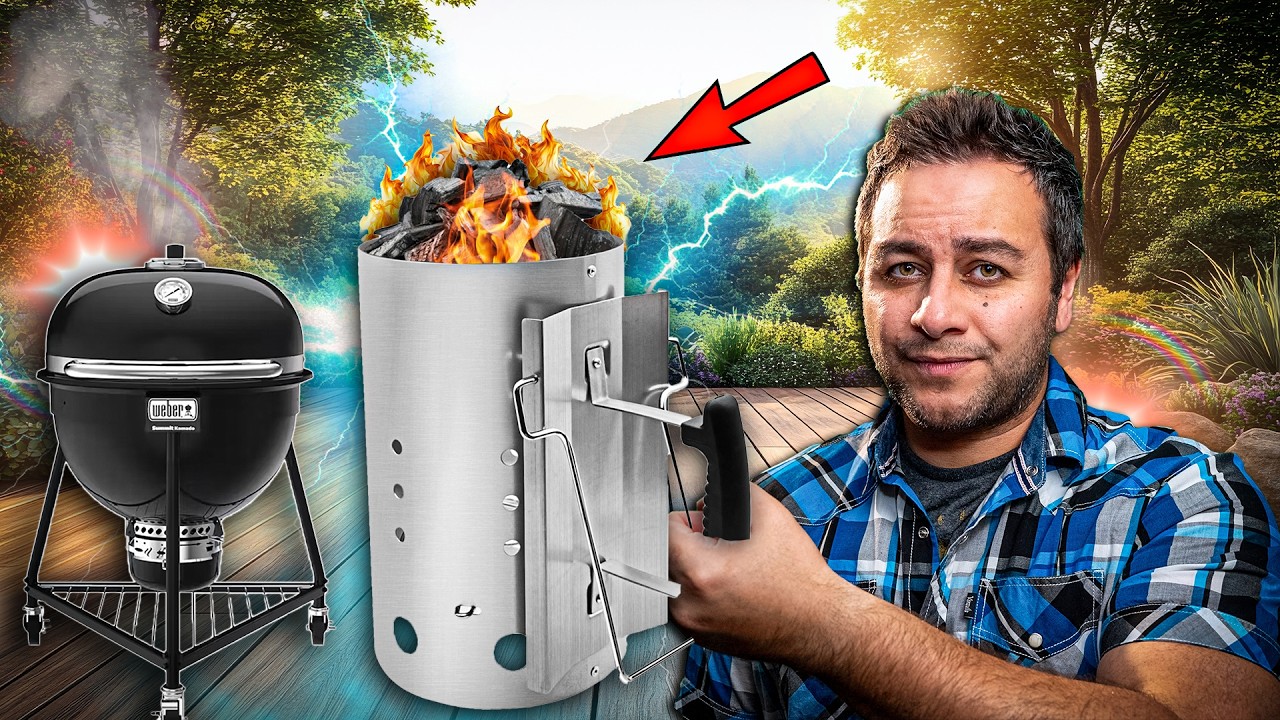
A chimney starter lights charcoal quickly and evenly. It uses newspaper or other natural fire starters under a metal cylinder to ignite the coals.
- Fill the chimney with charcoal.
- Place crumpled newspaper or natural starter under the chimney.
- Light the newspaper from several spots.
- Wait 10 to 15 minutes for the coals to ash over.
- Pour hot coals into the grill carefully.
Avoiding Chemical Starters
Chemical starters like lighter fluid can change the taste of your food. They also may cause flare-ups and unsafe flames.
- Do not use lighter fluid or other chemicals.
- Choose natural starters such as wood shavings or paper.
- Use a chimney starter for a clean and safe light.
- Keep extra chemicals away from the grill area.
Safe Ignition Tips
Safety matters when lighting charcoal. Follow these rules to avoid accidents and burns.
| Safety Tip | Why It Matters |
| Light charcoal outdoors only | Prevents fire and smoke build-up |
| Keep a fire extinguisher nearby | Ready for emergencies |
| Use long matches or lighters | Keeps hands away from flames |
| Wear heat-resistant gloves | Protects hands from burns |
| Do not leave grill unattended | Prevents flare-ups and accidents |
Controlling Temperature
Controlling the temperature on your Weber charcoal grill helps cook food evenly. It also prevents burning or undercooking.
Understanding how to adjust air vents, use direct and indirect heat, and monitor heat levels is key to good grilling.
Adjusting Air Vents
Air vents control the flow of oxygen to the charcoal. More oxygen means hotter coals. Less oxygen cools them down.
- Open the bottom vent to let in more air and raise the temperature.
- Close the bottom vent partially to lower the heat.
- Use the top vent to control smoke and heat flow.
- Keep vents open for high heat grilling.
- Close vents more for slow cooking or smoking.
Direct Vs Indirect Heat
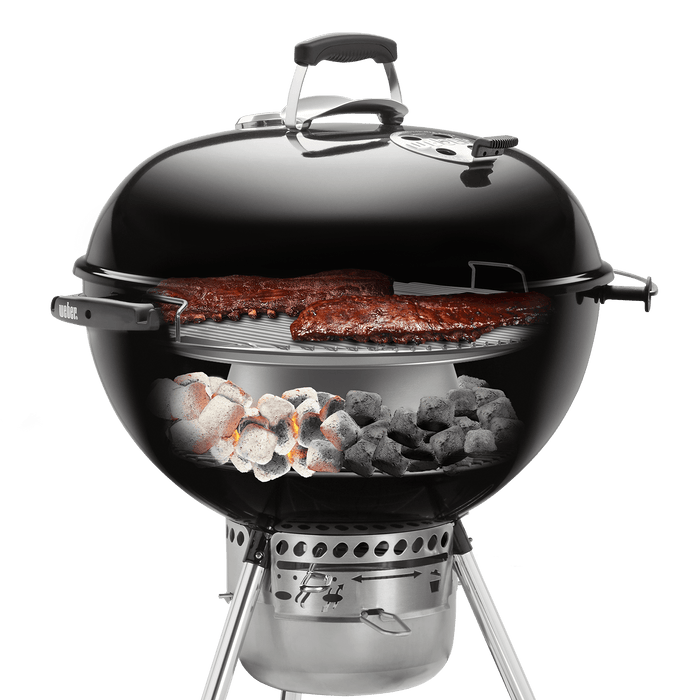
Direct heat means cooking food right above the coals. This method cooks food fast and gives nice grill marks.
Indirect heat means placing food away from the coals. This cooks food slower and prevents burning.
| Heat Type | Charcoal Position | Best For |
| Direct Heat | Under Food | Steaks, burgers, vegetables |
| Indirect Heat | To the side | Whole chicken, ribs, slow-cooked meats |
Monitoring Heat Levels
Use a grill thermometer to check the temperature inside the grill. This helps keep the heat steady.
Watch the charcoal color. White ash means it is hot and ready. Black coals need more time.
- Light the charcoal and wait for white ash to form.
- Adjust vents to reach the desired temperature.
- Use the thermometer to check the grill’s heat.
- Move food closer or farther from coals to control cooking speed.
- Keep the grill lid closed to maintain heat.
Cooking Techniques On Charcoal
Cooking with a Weber grill charcoal can be fun. It gives food a unique smoky flavor. Learning different techniques helps you cook better meals.
Charcoal grilling takes practice. It is important to understand how to control heat. This helps in cooking different types of food perfectly.
Searing Meat
Searing meat locks in juices. It gives a nice crust on the outside. Place the meat directly over hot coals.
Use tongs to flip the meat. This prevents it from sticking to the grill. Sear each side for a few minutes until brown.
- Ensure coals are very hot
- Do not flip too often
- Let it rest after cooking
Slow Cooking And Smoking
For slow cooking, arrange coals on one side. Place the food on the other side. This method cooks food gently.
Smoking adds flavor to meats. Use wood chips for extra taste. Keep the lid closed to trap the smoke.
- Use a water pan to keep meat moist
- Check temperature regularly
- Be patient for the best results
Grilling Vegetables And More
Grilling vegetables is easy. Brush them with oil to prevent sticking. Place them on a medium-heat area of the grill.
Use a grill basket for small veggies. This keeps them from falling through the grates. Try grilling fruits for a sweet treat.
- Cut vegetables evenly
- Season with salt and pepper
- Grill until tender
Credit: bbqing.com
Managing Ash And Cleanup
Using a Weber charcoal grill means you will get ash buildup after cooking. Managing ash is important for safety and grill performance. Cleaning ash keeps your grill ready for the next use.
Knowing when to remove ash and how to dispose of it helps avoid problems. Proper cleanup also extends the life of your grill. Let’s explore the best ways to handle ash and maintenance.
When To Remove Ash
Remove ash after the coals are fully cooled. Hot ash can cause burns or start fires. Wait at least 48 hours after grilling before handling ash.
Clean ash when it builds up to about one inch deep. Too much ash blocks airflow. Poor airflow makes charcoal burn unevenly and harder to control.
Proper Disposal Methods
Dispose of ash safely to prevent fire risks. Use a metal container with a lid to store cooled ash. Avoid plastic or paper containers that can catch fire.
- Check ash is cold before moving it.
- Do not dump ash directly on dry grass or leaves.
- Use ash in your garden as fertilizer if it is from pure wood charcoal.
- Contact local waste services for ash disposal rules.
Post-grill Maintenance
After ash removal, clean the grill grates with a wire brush. This removes leftover food and soot. Clean grates help food cook better next time.
Wipe down the outside of the grill to remove dirt and grease. Store your grill covered in a dry place. This prevents rust and keeps your grill in good shape.
Safety Tips For Charcoal Grilling
Grilling with charcoal is fun but can be risky without safety. Follow safety tips to avoid accidents. Keep your grill area safe and clean.
Use the right tools and be careful handling hot coals and flames. Store charcoal properly to prevent fires and injuries.
Handling Hot Coals
Hot coals can cause burns and start fires. Always use long-handled tools when moving or spreading coals. Wear heat-resistant gloves to protect your hands.
- Never touch hot coals with bare hands.
- Use a metal shovel or tongs to move coals.
- Keep children and pets away from the grill area.
- Have a bucket of water or sand nearby to put out coals if needed.
Fire Prevention Measures
Preventing fire is the best way to stay safe. Set up your grill on a flat, stable surface away from flammable objects like trees, furniture, or buildings.
| Fire Prevention Tip | Why It Matters |
|---|---|
| Keep grill 10 feet from structures | Reduces fire risk to buildings |
| Use a fire-resistant mat under the grill | Protects ground and stops sparks |
| Do not leave grill unattended | Allows quick action if fire starts |
| Keep a fire extinguisher nearby | Helps control unexpected fires |
Storage Of Charcoal
Store charcoal in a dry, cool place to keep it safe and ready for use. Keep it away from heat sources and open flames.
- Use a sealed metal container to store charcoal.
- Do not store charcoal in your home or garage near flammable items.
- Check for moisture or damage before use.
- Dispose of used charcoal ashes only after they are completely cool.

Credit: www.youtube.com
Frequently Asked Questions
How Do I Start A Weber Charcoal Grill?
To start a Weber charcoal grill, arrange charcoal briquettes in a chimney starter. Light the paper underneath. Wait 10-15 minutes until coals are covered with gray ash. Pour coals evenly in the grill’s charcoal grate for even heat distribution.
What Is The Best Charcoal For Weber Grills?
Lump charcoal and briquettes both work well in Weber grills. Lump charcoal burns hotter and faster, ideal for searing. Briquettes burn longer and provide steady heat, perfect for slow cooking. Choose based on your cooking style and desired flavor.
How Do I Control Temperature On A Weber Charcoal Grill?
Control temperature by adjusting the air vents. Open vents increase oxygen, raising heat. Close vents reduce oxygen, lowering heat. Adjust charcoal placement and use the grill lid to maintain consistent temperature for grilling or smoking.
Can I Cook Indirect Heat On A Weber Charcoal Grill?
Yes, you can cook with indirect heat by arranging coals on one side. Place food on the opposite side to avoid direct flames. This method is great for larger cuts or slow cooking.
Conclusion
Using a Weber grill charcoal brings great taste to your food. Start with clean charcoal and good airflow. Control the heat by adjusting vents carefully. Always keep safety in mind while grilling. Practice makes it easier to cook perfectly. Enjoy time outdoors with friends and family.
A simple grill can create tasty meals. Keep your grill clean for best results. Happy grilling and delicious food await you!