If you’re like most people, you probably have a microwave sitting on your kitchen counter that’s mostly used for reheating leftovers or popping popcorn. But what if I told you that your microwave might have a hidden feature waiting to be unlocked?
Yes, we’re talking about the convection oven feature. Understanding how to use the convection oven in your microwave can transform your cooking experience, making it quicker and more versatile than ever. Imagine baking cookies, roasting chicken, or even cooking a pizza, all in your microwave.
Intrigued? Let’s dive into how you can make the most out of this underutilized feature, turning your everyday meals into delightful culinary creations. Stay with us, and you’ll discover tips and tricks that could revolutionize your kitchen game.
Credit: www.kitchenaid.com
Benefits Of Convection Mode
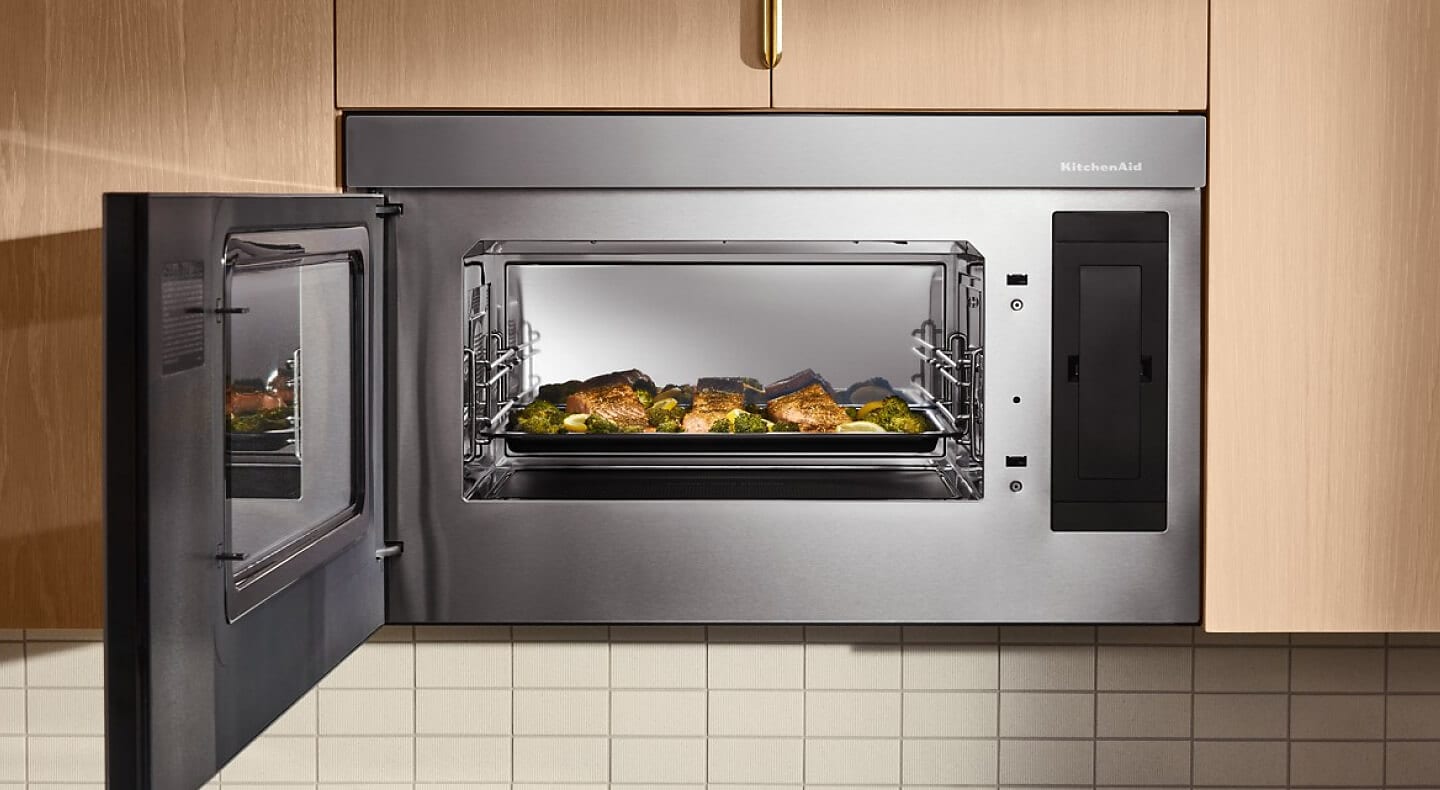
Convection mode in a microwave oven offers several benefits that improve cooking results. It circulates hot air evenly around the food, making cooking faster and more consistent. This mode is perfect for baking, roasting, and grilling, giving your dishes a professional finish.
Even Cooking And Browning
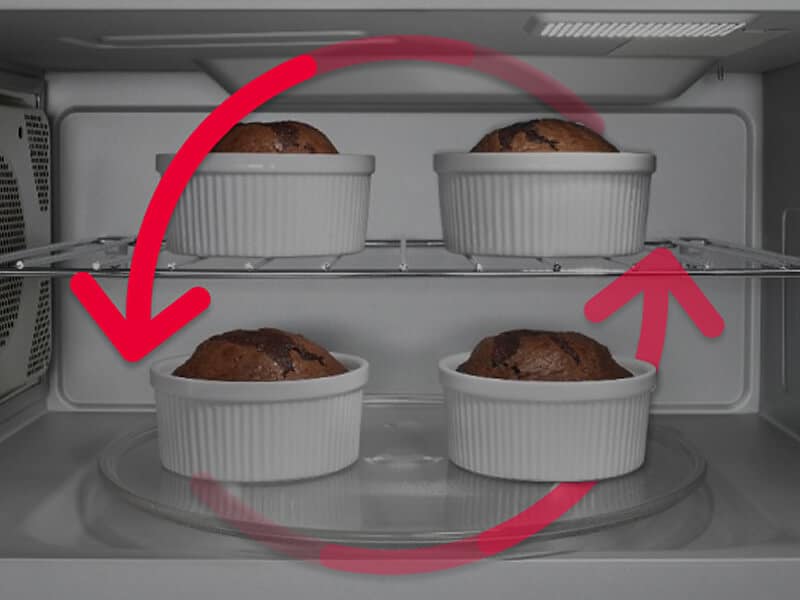
Convection mode uses a fan to spread heat evenly. This prevents hot spots and ensures all parts of the food cook uniformly. It also helps achieve a nice brown and crispy surface, unlike regular microwave cooking. The result is food that looks and tastes better.
Faster Cooking Times
The constant flow of hot air speeds up the cooking process. Convection mode cooks food faster than traditional ovens or microwaves alone. It saves time in the kitchen, especially when cooking larger meals or baking multiple items.
Versatility In Recipes
Convection mode allows you to try many recipes. You can bake cakes, roast vegetables, grill meats, and toast bread. This flexibility makes your microwave oven more useful and reduces the need for extra appliances.
Credit: www.whirlpool.com
Setting Up Your Microwave Oven
Setting up your microwave oven for convection cooking is the first step to great meals. Proper setup helps cook food evenly and saves time. Focus on three key areas: finding the convection feature, picking the right cookware, and preheating the oven.
Locating The Convection Feature
Look at your microwave control panel. The convection mode button usually has a fan symbol or says “Convection.” Some models combine microwave and convection settings. Check the user manual for exact details. This feature switches your microwave to convection cooking, using hot air to bake or roast food evenly.
Choosing The Right Cookware
Use cookware safe for convection microwaves. Avoid metal pans and aluminum foil. Glass, ceramic, and heat-safe silicone work best. These materials let hot air circulate and prevent sparks. Choose shallow dishes for better heat flow. Make sure the cookware fits comfortably inside the microwave without touching walls.
Preheating The Oven
Preheat your convection microwave before cooking. Press the convection button and set the temperature. Wait for the oven to beep or signal it is ready. Preheating helps reach the right cooking temperature and improves food texture. Never skip this step for baking or roasting recipes.
Adjusting Cooking Times And Temperatures
Adjusting cooking times and temperatures is key to mastering your convection oven in the microwave. It’s not just about setting a timer and walking away; you need to fine-tune the process to get the best results. Understanding how your convection microwave differs from a traditional oven will help you avoid undercooked or overcooked meals.
Converting Traditional Oven Recipes
Traditional oven recipes usually require longer cooking times and higher temperatures than convection microwaves. A good rule of thumb is to reduce the temperature by about 20°C (or 25-30°F). For instance, if a recipe calls for 200°C in a conventional oven, set your convection microwave to around 180°C.
Cooking time also changes. Expect your food to cook about 25% faster in a convection microwave. So, if the recipe suggests 40 minutes, start checking around 30 minutes. Have you ever been surprised by how quickly your food is done? That’s the convection effect at work.
Tips For Temperature Settings
- Start Lower:Begin with a slightly lower temperature than your recipe states and adjust based on results.
- Use Preheating:Preheat your convection microwave whenever the recipe demands it; this ensures even cooking.
- Consider Food Type:Delicate items like cakes require gentler heat, while meats benefit from higher temperatures to brown properly.
Keep a cooking journal to track temperatures that work well for your favorite dishes. This habit saves you from guesswork in the future.
Avoiding Overcooking
Overcooking is a common pitfall when switching to convection microwaves. Set timers shorter than you think necessary and check on your food regularly. Use a food thermometer to ensure internal temperatures are perfect, especially with meats.
Also, allow your dish to rest after cooking; residual heat will continue to cook the food slightly. Have you noticed how resting makes a difference in juiciness and texture? It’s a small step that prevents dryness.
By carefully adjusting time and temperature, you can make the most of your convection microwave and enjoy perfectly cooked meals every time.
Popular Recipes For Convection Microwaves
Using the convection feature in your microwave opens up a new world of cooking possibilities. It’s not just about reheating anymore; you can bake, roast, and cook meals that rival traditional ovens. Here are some popular recipes you can try that highlight the strengths of convection microwaves.
Baking Cakes And Cookies
Baking in a convection microwave can give you moist cakes and perfectly crisp cookies faster than a regular oven. The circulating hot air ensures even cooking, so you won’t get those annoying burnt edges or undercooked centers.
Try baking a simple vanilla cake or chocolate chip cookies. Use a microwave-safe baking dish and set the convection mode for the recommended time. You’ll notice the texture is often lighter and fluffier compared to microwave-only baking.
Have you ever struggled with dense microwave cakes? Switching to convection mode might be the game-changer your desserts need.
Roasting Meats And Vegetables
Roasting in a convection microwave delivers juicy meats with crispy skins and evenly cooked vegetables. The hot air circulation mimics a traditional oven, which helps brown the food nicely while locking in moisture.
Start with chicken breasts, small whole chickens, or beef cuts. Add root vegetables like carrots and potatoes seasoned with your favorite herbs. Set the convection oven mode, and check halfway through to baste or stir for even roasting.
Think about how much time you spend waiting for your oven to preheat. The convection microwave skips that step, so you get roast dinner on the table quicker.
Reheating Leftovers Efficiently
Leftovers often dry out or get soggy when reheated in a regular microwave. Convection mode changes that by using hot air to warm food evenly without making it rubbery.
Pizza slices, fried foods, and casseroles come out crispy and fresh-tasting. Place your food on a microwave-safe plate or tray and use convection heating at a moderate temperature to avoid overheating.
Next time you reheat, ask yourself: Would you rather have a meal that tastes freshly cooked or just warmed up? Convection microwaves can help you enjoy the former.
Troubleshooting Common Issues
Troubleshooting common issues in your convection microwave oven can save you time and frustration. Many problems are easy to fix once you know what to look for. Here are practical tips to handle some of the most frequent challenges.
Uneven Cooking Solutions
Uneven cooking often happens because food placement blocks heat circulation. Try arranging food in a single layer and avoid overcrowding the tray.
Using the turntable properly ensures all sides get heat evenly. If your turntable isn’t rotating, check for obstructions or misalignment, and clean the rollers regularly.
Adjusting the cooking time and power level can also help. Sometimes, lowering the power and increasing cooking time allows heat to penetrate food more evenly.
Handling Smoke Or Burning
If you notice smoke or burning smells, stop cooking immediately and unplug the microwave. Overcooked food or grease buildup inside can cause smoke.
Clean the interior regularly to prevent grease accumulation. Avoid cooking foods that produce a lot of smoke, like fatty meats, without proper ventilation.
Consider using a microwave-safe cover to reduce splatters and keep the oven cleaner. This simple step can prevent burning and reduce smoke incidents.
Maintaining Your Microwave Oven
Regular maintenance extends your microwave’s life and keeps it working efficiently. Wipe down the interior after every use to remove food particles and spills.
Check the door seal for damage. A faulty seal lets heat escape, causing uneven cooking and energy loss.
Inspect the vents and fan for dust buildup. Cleaning these parts every few months improves airflow and prevents overheating.
Have you checked your microwave’s maintenance routine lately? Small habits make a big difference in performance and safety.

Credit: www.youtube.com
Frequently Asked Questions
How Do I Activate The Convection Oven Mode In A Microwave?
To activate convection mode, press the “Convection” button on your microwave panel. Set the desired temperature and cooking time. This mode uses a fan to circulate hot air evenly, ensuring better baking and roasting results than microwave-only cooking.
Can I Use Metal Cookware In Microwave Convection Mode?
Yes, you can use metal cookware in convection mode. Unlike regular microwave cooking, convection ovens allow metal pans and trays. Avoid plastic or paper containers, as high heat can damage them or cause fires during convection cooking.
What Foods Cook Best In A Microwave Convection Oven?
Microwave convection ovens excel at baking, roasting, and crisping. Use it for cakes, cookies, roasted vegetables, and meats. It combines microwave speed with convection heat, delivering faster cooking with a crispy, browned finish.
How Do I Clean A Convection Microwave Oven Properly?
Clean your convection microwave regularly to avoid odors. Use a damp cloth with mild detergent to wipe the interior. Avoid harsh chemicals. Remove and wash the metal rack separately. Regular cleaning maintains performance and hygiene.
Conclusion
Using the convection oven feature in your microwave saves time and cooks food evenly. It helps bake, roast, and crisp meals better than microwaving alone. Always preheat the oven for best results. Choose the right temperature and cooking time for each dish.
Keep an eye on your food to avoid burning. With practice, cooking becomes easier and more enjoyable. Enjoy tasty meals without needing extra appliances. Simple steps lead to great results every time. Give it a try and see the difference yourself!