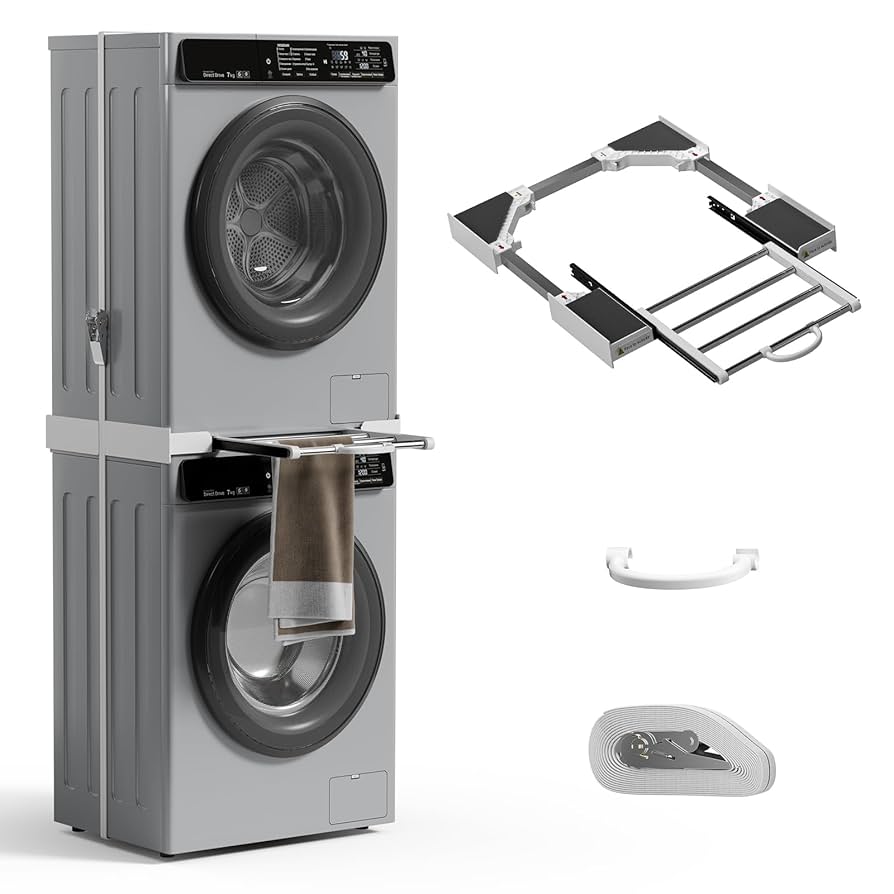
Are you looking to save space and make laundry day easier? A stackable washer and dryer might be just what you need.
But if you’re not sure how to use one, it can feel confusing at first. Don’t worry—this guide will walk you through everything step by step. By the end, you’ll know exactly how to set up and operate your stackable washer and dryer with confidence.
Ready to make your laundry routine simpler and more efficient? Keep reading!
Benefits Of Stackable Washer And Dryer
Stackable washers and dryers are popular in homes with limited space. They save room by fitting one appliance on top of the other.
This setup helps keep laundry areas neat and organized. It works well in apartments and small houses.
Space Efficiency
Stackable units take up less floor space than side-by-side machines. This frees up more room for other uses.
They fit easily into closets, corners, or tight laundry rooms. This makes them ideal for small living spaces.
Energy Savings
Many stackable washers and dryers use less water and electricity. This helps lower utility bills over time.
Modern models often have energy-efficient settings. These settings use only what is needed for each load.
Convenience In Small Homes
Stackable machines are easy to install in small homes. They allow laundry tasks to be done in less space.
With this setup, you can place laundry appliances closer to living areas. This makes washing and drying clothes quicker and easier.

Credit: www.amazon.com
Choosing The Right Stackable Unit
Stackable washer and dryer units save space in small laundry areas. Picking the right unit helps you do laundry efficiently.
Think about your laundry needs and space before buying a stackable unit. This guide helps you choose well.
Size And Capacity
Measure your laundry space carefully. Make sure the unit fits without blocking doors or walkways.
Choose a washer and dryer with the right capacity for your household size. Bigger families need larger machines.
- Check width, height, and depth of the unit
- Allow space for ventilation and hookups
- Pick capacity based on how much laundry you do
- Typical capacities range from 3.5 to 5.0 cubic feet
Features To Consider
Look for features that make laundry easier and faster. Some features save water and energy.
Think about controls, cycle options, and noise levels. These affect how you use the machines daily.
- Multiple wash and dry cycles
- Energy-saving settings
- Easy-to-use controls
- Stackable design that locks securely
- Noise reduction technology
Matching Washer And Dryer Models
Choose washer and dryer models designed to stack together. This ensures stability and better performance.
Matching sets often share style and control layouts. This makes your laundry space look neat and organized.
- Buy sets from the same brand and series
- Check if stacking kits are included or sold separately
- Match capacity and cycle features
- Confirm electrical and water requirements match
Installation Tips
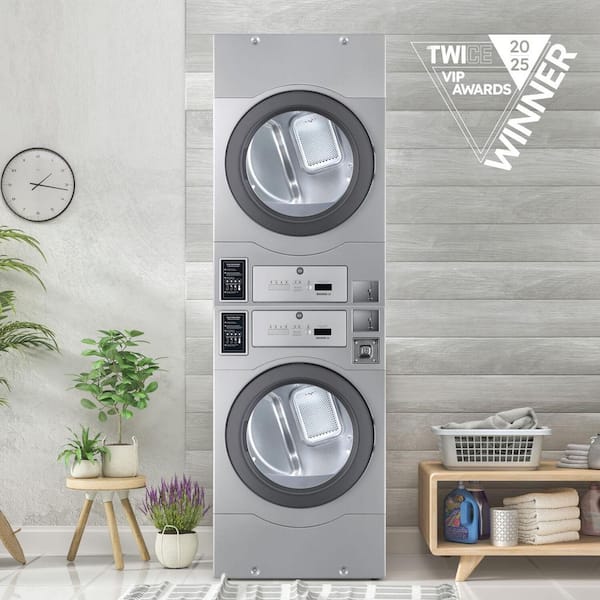
Installing a stackable washer and dryer saves space and adds convenience. Proper installation helps the units work well and last longer.
Follow these tips to set up your stackable washer and dryer safely and efficiently.
Preparing The Space
Choose a flat and sturdy area for your washer and dryer. Make sure the floor can hold the weight of both machines.
Leave enough room for air to flow around the units. Keep the space near water and electrical outlets clear.
- Measure the space before buying the units
- Check that the floor is level and strong
- Clear the area of clutter and dust
- Ensure nearby water and power access
Stacking Safely
Use a stacking kit designed for your washer and dryer models. The kit keeps the dryer stable on top of the washer.
Follow the instructions carefully to avoid accidents. Tighten all screws and check that the stack does not wobble.
- Buy the right stacking kit for your units
- Attach the kit securely with screws
- Double-check the stability of the stack
- Keep the stack upright and balanced
Connecting Water And Power
Connect the washer to cold and hot water supply lines using strong hoses. Tighten connections to stop leaks.
Plug the washer and dryer into grounded electrical outlets. Avoid using extension cords for safety reasons.
- Use quality water hoses and clamps
- Turn on water to check for leaks
- Plug units into separate grounded outlets
- Test the dryer vent to ensure airflow
Credit: www.homedepot.com
Operating Your Stackable Washer And Dryer
Using a stackable washer and dryer saves space and simplifies laundry tasks. It is important to learn how to operate them safely and efficiently.
This guide covers key steps to load clothes, select cycles, and keep your machine working well.
Loading Clothes Properly
Place clothes loosely inside the washer drum. Avoid overloading to ensure clean clothes and prevent damage.
- Sort clothes by color and fabric type
- Remove items from pockets
- Do not pack clothes too tightly
- Balance heavy items with lighter ones
- Use mesh bags for delicate items
Selecting Wash And Dry Cycles
Choose the right cycle for your load. Different fabrics and soil levels require specific settings.
| Cycle | Use For | Water Temperature |
| Normal | Everyday clothes | Warm or cold |
| Delicate | Silk, lingerie, or lace | Cold |
| Heavy Duty | Towels and jeans | Hot |
| Quick Wash | Lightly soiled clothes | Warm |
| Air Dry | Delicate drying | N/A |
Maintaining Optimal Performance
Keep your stackable washer and dryer clean and well-maintained to extend its life.
- Clean the lint filter after every drying cycle
- Run a cleaning cycle monthly with washing machine cleaner
- Check hoses for leaks or cracks every few months
- Leave the washer door open to prevent mold
- Use the recommended detergent amount
Maintenance And Troubleshooting
Keeping your stackable washer and dryer in good shape helps them last longer. Regular care prevents problems and keeps clothes clean.
This guide covers how to clean filters and vents, fix common issues, and when to get professional help.
Cleaning Filters And Vents
Clean filters catch lint and dirt. Clean vents let air flow well. Both help your dryer work safely and efficiently.
Check and clean the lint filter after every load. Also, clean the vent hose at least twice a year.
- Remove lint from the filter before every use.
- Detach and vacuum the vent hose every six months.
- Use a brush to clean inside the vent opening.
- Make sure vents are not blocked outside your home.
Common Issues And Fixes
Your washer or dryer may stop working well. Some problems are easy to fix by yourself.
- Washer won’t start:Check if it is plugged in and the door is closed.
- Dryer not heating:Clean the lint filter and vents.
- Washer shaking:Make sure it is level on the floor.
- Dryer drum won’t turn:Check the belt for wear or damage.
- Water leaks:Inspect hoses for cracks or loose connections.
Always unplug the machine before checking or fixing any parts.
When To Call A Professional
Some problems need expert care. Call a professional if your washer or dryer:
- Does not turn on after checking power and door.
- Makes loud or unusual noises.
- Leaks water you cannot stop.
- Has electrical issues or smells burning.
- Needs part replacement or complex repairs.
Regular maintenance helps avoid costly repairs. Use professional service when needed for safety.
Credit: www.familyhandyman.com
Maximizing Space Around Your Unit
Stackable washer and dryer units are great for saving space. They let you use vertical room, making them perfect for small areas.
With some planning, you can create extra space for storing laundry supplies and other items.
Storage Solutions
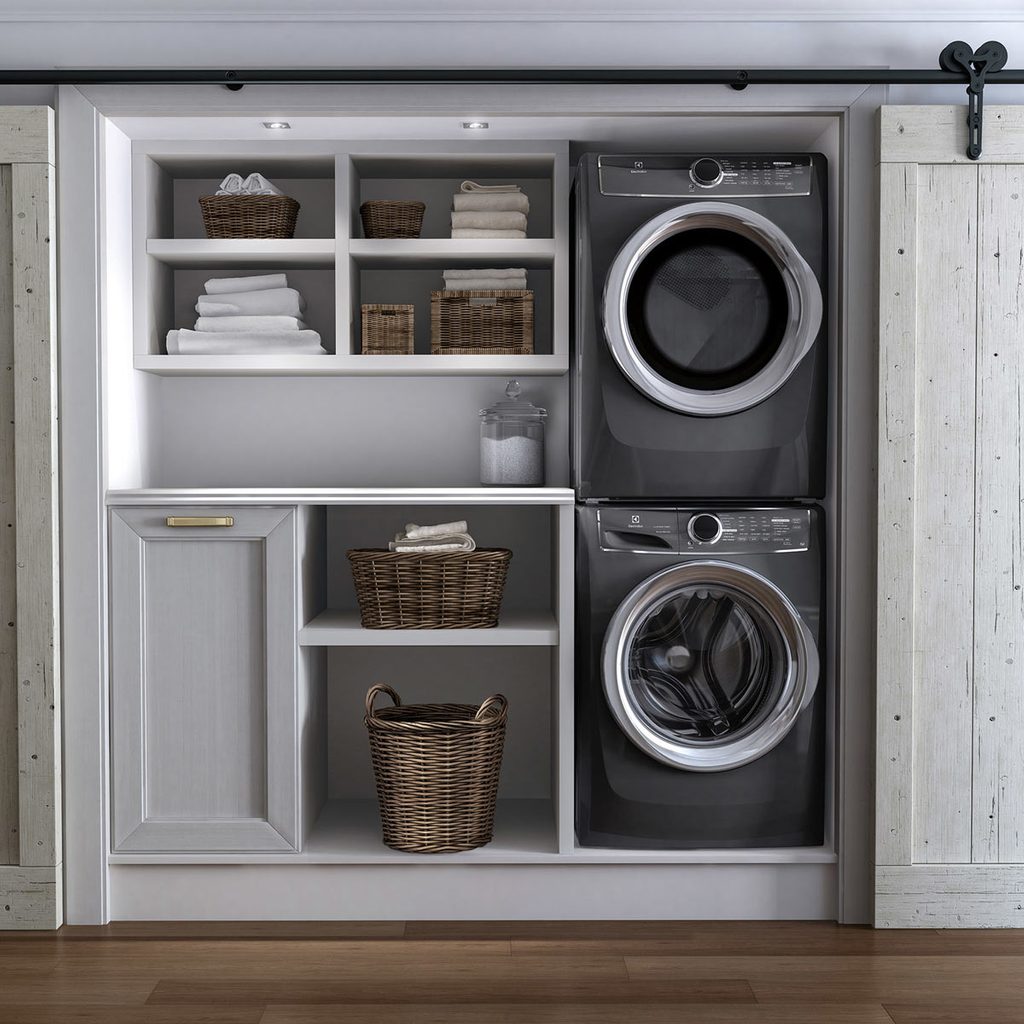
Finding smart storage solutions is key to keeping your laundry area tidy. Use shelves to hold detergents and fabric softeners.
- Install wall-mounted shelves above your unit
- Use baskets for organizing smaller items
- Add hooks for hanging cleaning tools
Organizing Laundry Supplies
Keep your laundry supplies in order for easy access. Label containers so you know what is inside each one.
| Item | Storage Tip |
| Detergent | Store in a labeled bin |
| Fabric Softener | Place on an easy-reach shelf |
| Stain Remover | Keep near the washer |
Using Vertical Space
Vertical space is often overlooked but can be very useful. Stackable units naturally take advantage of this.
Frequently Asked Questions
How Do I Install A Stackable Washer And Dryer?
To install, first ensure proper electrical and water connections. Place the dryer securely on top of the washer using stacking kits. Level both machines to avoid vibrations. Follow manufacturer instructions for safe and efficient setup.
Can I Use Any Washer And Dryer Stacked Together?
No, only compatible models designed for stacking should be used. Use manufacturer-recommended stacking kits. Mixing brands or models may cause instability or damage. Always check product specifications before stacking.
How Do I Maintain A Stackable Washer And Dryer?
Regularly clean lint traps and detergent dispensers. Check hoses for leaks or cracks. Keep the area around machines free from dust. Schedule professional servicing annually to ensure optimal performance and longevity.
What Space Is Needed For A Stackable Washer And Dryer?
Allow at least 3 feet of depth and 2 feet width. Ensure adequate ventilation and easy access to connections. Leave some clearance for door opening and maintenance tasks.
Conclusion
Stackable washers and dryers save space and fit small homes well. They are easy to use with simple controls. Keeping the machines clean helps them work longer. Always follow safety steps when installing and using these appliances. This setup makes laundry faster and tidier.
You can enjoy more room and less hassle. Try stacking your washer and dryer for a smarter laundry area.