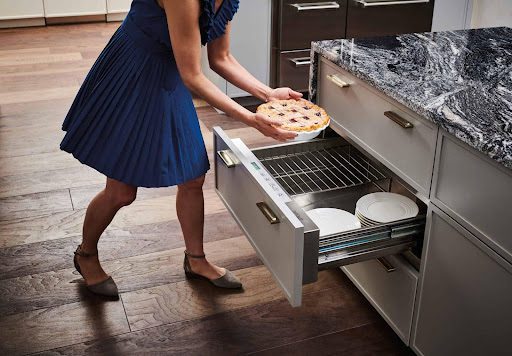
Imagine pulling a perfectly warm dinner plate right out of your kitchen drawer every time you sit down to eat. Sounds convenient, right?
If you’ve ever wondered how to make the most of your warming drawer, you’re in the right place. This simple kitchen tool can keep your food at the ideal temperature, help with meal prep, and even speed up serving times.
By the end of this article, you’ll know exactly how to use your warming drawer to save time and enjoy better meals. Ready to unlock this secret kitchen helper? Let’s dive in!
Choosing The Right Warming Drawer
Warming drawers keep food warm until you are ready to serve. Picking the right one depends on your kitchen needs. Consider types, size, and installation before buying.
Each warming drawer offers different features. Learning about them helps you choose one that fits your cooking style and space.
Types Of Warming Drawers
There are three main types of warming drawers. They vary by heat source and function.
- Electric warming drawers:Use electric heat and temperature controls.
- Hydration warming drawers:Keep moisture in food to prevent drying.
- Proofing warming drawers:Provide low heat to help dough rise.
Size And Capacity Considerations
Choose a warming drawer size that fits your kitchen space. Also, think about how much food you will warm at once.
| Drawer Size | Capacity | Best For |
|---|---|---|
| Small (12-15 inches) | 1-2 dishes | Small families or limited space |
| Medium (16-20 inches) | 3-4 dishes | Average family size |
| Large (21+ inches) | 5+ dishes | Entertaining or large families |
Installation Options
Installation depends on your kitchen layout and existing appliances. You can install warming drawers in different ways.
- Under the countertop for easy access
- Built into a wall cabinet for a sleek look
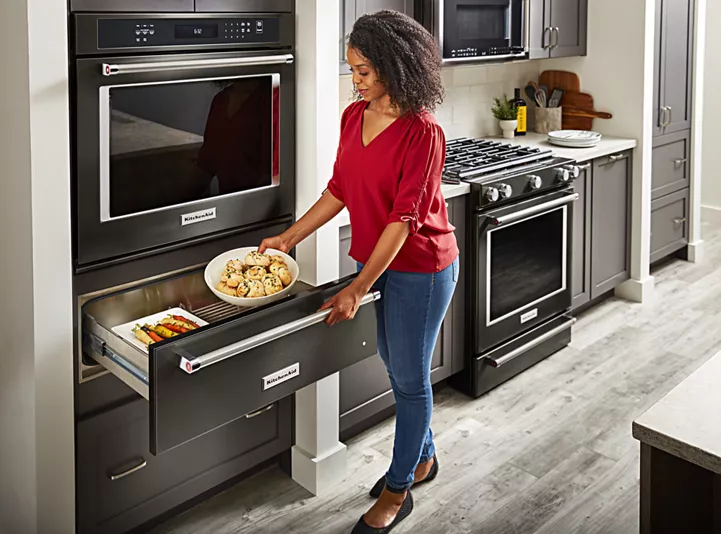
- Stacked below an oven to save space
Credit: foodservice.winstonind.com
Setting Up Your Warming Drawer
A warming drawer keeps your food hot and ready to serve. It works by using gentle heat to maintain temperature.
Setting it up correctly helps your food stay fresh and tasty. Follow these tips for the best results.
Power And Temperature Settings
Turn on the warming drawer using the power button or switch. Most models have simple controls.
Choose the right temperature for your food. Low heat is good for bread, higher heat works for cooked meals.
- Low setting: 80°F to 140°F (27°C to 60°C)
- Medium setting: 140°F to 180°F (60°C to 82°C)
- High setting: 180°F to 200°F (82°C to 93°C)
Using Moisture Controls
Many warming drawers have moisture controls to keep food from drying out. Use this feature for best results.
Set moisture controls to add steam or dry heat depending on your food type. Steam keeps bread soft and meals moist.
- Use steam for bread, rolls, and vegetables
- Use dry heat for fried foods or crispy dishes
- Adjust moisture level based on food texture
Safety Precautions
Always keep the warming drawer closed while it is on. This stops heat from escaping and prevents burns.
Do not place plastic or paper inside the drawer. Use only heat-safe cookware made for warming drawers.
- Keep children away from the warming drawer
- Use oven mitts to handle hot dishes
- Turn off the drawer when not in use
- Clean the drawer regularly to avoid buildup
Best Practices For Meal Warming
Using a warming drawer helps keep food at the right temperature. It stops food from drying out or losing flavor. Follow these tips to get the best results.
Learn which foods work well, how to avoid overcooking, and timing tips for different dishes. This guide makes warming easy and tasty.
Ideal Foods For Warming Drawers
Warming drawers work best with foods that stay moist and do not need crisping. Use them for cooked vegetables, breads, and meats.
- Roasted vegetables like carrots and potatoes
- Cooked meats such as chicken, beef, and pork
- Breads and rolls to keep soft and warm
- Stews and casseroles in heat-safe containers
- Rice and pasta dishes
Avoiding Overcooking And Drying
Set the warming drawer to the correct temperature to keep food moist. Avoid long warming times that can dry out dishes.
| Tip | Reason |
|---|---|
| Use low heat settings (around 140°F to 160°F) | Prevents drying and overcooking |
| Cover food with foil or lids | Locks in moisture |
| Check food every 15 minutes | Stops over-warming |
| Use shallow containers | Even warming and faster heat distribution |
Timing Tips For Different Dishes
Different foods need different warming times. Meat and vegetables take longer than breads or pasta.
- Meats: Warm for 20 to 30 minutes at low heat
- Vegetables: Warm for 15 to 20 minutes covered
- Breads: Warm for 5 to 10 minutes uncovered to keep crust soft
- Pasta and rice: Warm for 10 to 15 minutes in covered dishes
- Soups and stews: Use heat-safe containers for 15 to 20 minutes
Using Warming Drawers For Meal Prep
Warming drawers are handy tools in the kitchen. They help keep dishes warm without drying them out. This is useful for meal prep and keeping food ready to serve.
Learn how to use warming drawers effectively. These tips will help you manage meal prep better and save time during busy days.
Keeping Multiple Dishes Warm
Warming drawers can keep several dishes at the right temperature. This is great for family meals or parties. Arrange dishes properly to ensure even warmth.
- Place larger dishes at the back.
- Keep smaller dishes at the front.
- Use oven-safe containers for better heat distribution.
- Avoid stacking dishes to let air circulate.
Reheating Leftovers Efficiently
Warming drawers are perfect for reheating leftovers. They bring food to the right temperature gently, which preserves taste and texture.
| Food Type | Reheat Time |
| Stews | 20 minutes |
| Pasta | 15 minutes |
| Grilled Vegetables | 10 minutes |
Maintaining Food Quality
Warming drawers help maintain food quality by keeping it at safe temperatures. This prevents bacteria growth and keeps food fresh longer.
Cleaning And Maintenance
Keeping your warming drawer clean helps it work well. Regular care also keeps it safe and fresh.
This guide shows easy ways to clean and maintain your warming drawer every day and over time.
Daily Cleaning Tips
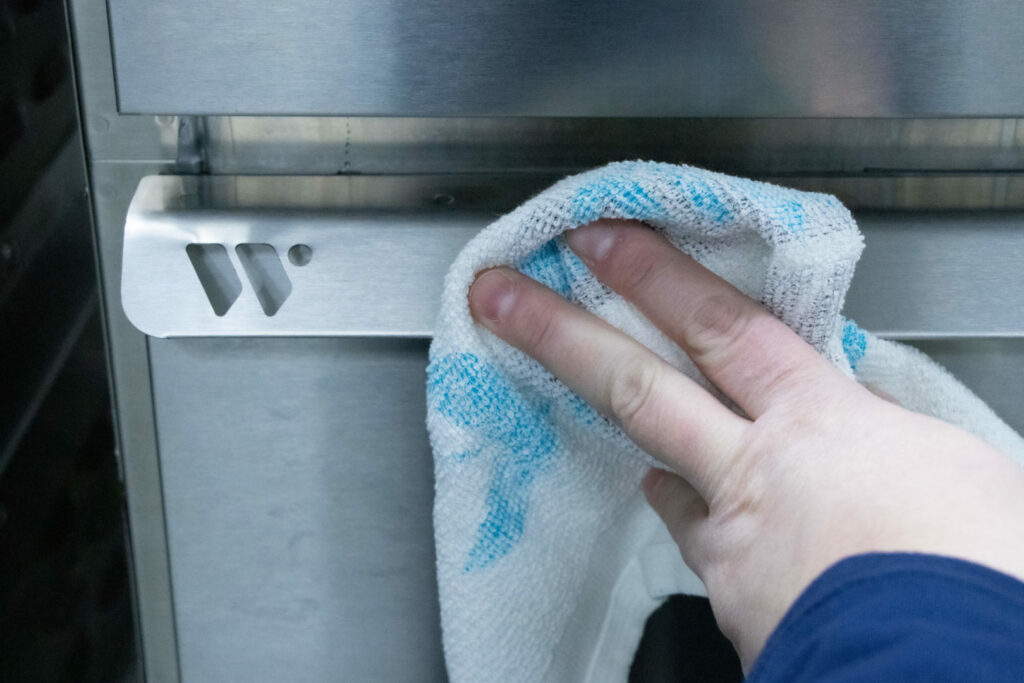
Wipe the warming drawer after each use to stop dirt buildup. Use a soft cloth and warm water.
Avoid harsh cleaners that can damage the surface. Mild soap works well for daily cleaning.
- Turn off and cool the drawer before cleaning
- Use a damp cloth with mild soap
- Dry the inside and outside with a soft towel
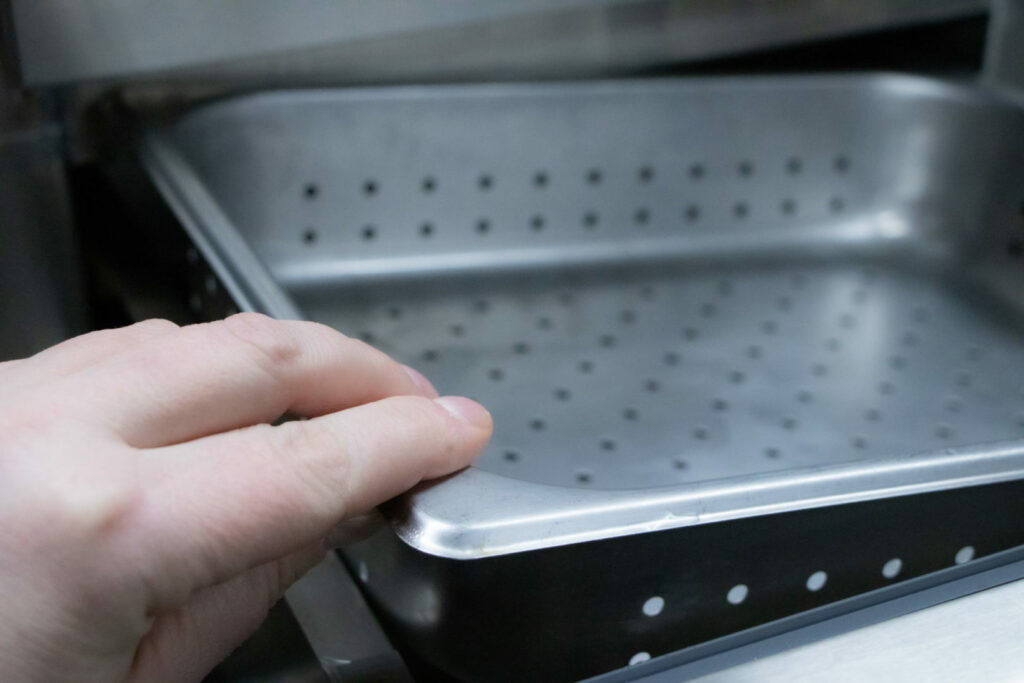
- Clean the drawer’s racks and trays gently
Dealing With Spills And Stains
Clean spills as soon as you see them. This stops stains and keeps smells away.
Use a soft sponge and warm water with mild detergent. Scrub gently to avoid scratches.
- Remove racks if possible to clean separately
- For tough stains, soak a cloth in vinegar solution and place on stain
- Rinse well with water after cleaning
- Dry all parts before putting them back
Long-term Care
Check your warming drawer regularly for damage or loose parts. Fix small issues early.
Deep clean the drawer every few months. This keeps it fresh and working well for years.
- Unplug the drawer before deep cleaning
- Use a soft brush to clean vents and hard-to-reach spots
- Inspect seals and hinges for wear
- Follow the manufacturer’s instructions for maintenance
Credit: foodservice.winstonind.com
Troubleshooting Common Issues
Warming drawers keep food warm and ready to serve. Sometimes, they may not work as expected. Knowing how to fix common problems saves time and stress.
This guide covers common issues like temperature inconsistencies, strange noises or smells, and when to get expert help.
Temperature Inconsistencies
If your warming drawer does not keep food at the right temperature, check these points first.
- Make sure the drawer is fully closed to keep heat inside.
- Check if the temperature control is set correctly for your food.
- Look for any blockages that stop air from circulating inside.
- Clean the drawer regularly to remove crumbs or spills that affect heating.
- Inspect the heating element for visible damage or wear.
Unusual Noises Or Smells
Strange sounds or smells from your warming drawer can signal problems. Use this table to understand common causes and fixes.
| Symptom | Possible Cause | What to Do |
| Buzzing or humming | Fan or motor issue | Clean fan or check motor connections |
| Burning smell | Food residue or wiring problem | Clean drawer thoroughly, unplug and inspect wiring |
| Clicking noises | Thermostat cycling | Normal operation if occasional; call technician if constant |
| Rattling sounds | Loose parts or screws | Tighten screws or secure loose parts |
When To Call A Professional
Some problems need expert care. Here are signs you should call a technician instead of fixing it yourself.
- The drawer won’t heat at all after checking controls.
- Electrical smells or sparks appear.
- Heating element looks damaged or broken.
- Unusual noises continue after cleaning and tightening.
- Water or moisture is inside the drawer or electrical parts.
Credit: www.kitchenaid.com
Frequently Asked Questions
What Is A Warming Drawer Used For?
A warming drawer keeps food warm without drying it out. It’s ideal for serving hot meals later. It can also proof dough or warm plates.
How Do I Operate A Warming Drawer Safely?
Always read the manual before use. Set the correct temperature for your food. Avoid placing plastic or flammable items inside.
Can A Warming Drawer Cook Food Completely?
No, warming drawers maintain temperature but don’t cook food fully. Use them to keep cooked meals warm or gently heat items.
How Long Can Food Stay In A Warming Drawer?
Food can safely stay warm for up to two hours. Avoid prolonged warming to prevent drying or bacterial growth.
Conclusion
Using a warming drawer saves time and keeps food ready. It keeps dishes warm without drying them out. You can warm plates, bread, or cooked meals easily. Just set the right temperature and timer. Always follow safety tips to avoid accidents.
Practice a few times to get comfortable. Enjoy hot, fresh food anytime with this handy tool. Simple steps make your cooking routine smoother. Try using your warming drawer for better meal times. It helps keep food tasty and warm for longer.