
Are you tired of staring at a pool that looks more like a pond than a paradise? If you’ve been putting off cleaning your pool because you’re unsure how to do it manually, you’ve come to the right place.
Imagine transforming your murky waters into a sparkling oasis, all with a few easy steps. You don’t need fancy gadgets or expensive equipment; just a simple vacuum and the right guidance. You’ll discover how to vacuum your pool manually, ensuring it stays clean and inviting for every swim.
Let’s dive in and tackle this task together, making pool maintenance a breeze.
Choosing The Right Equipment
Choosing the right equipment for manually vacuuming your pool can make the task easier and more efficient. The right tools help you clean thoroughly without wasting energy or time. Before you start, think about the size of your pool, the type of debris, and how often you plan to vacuum.
Types Of Pool Vacuums
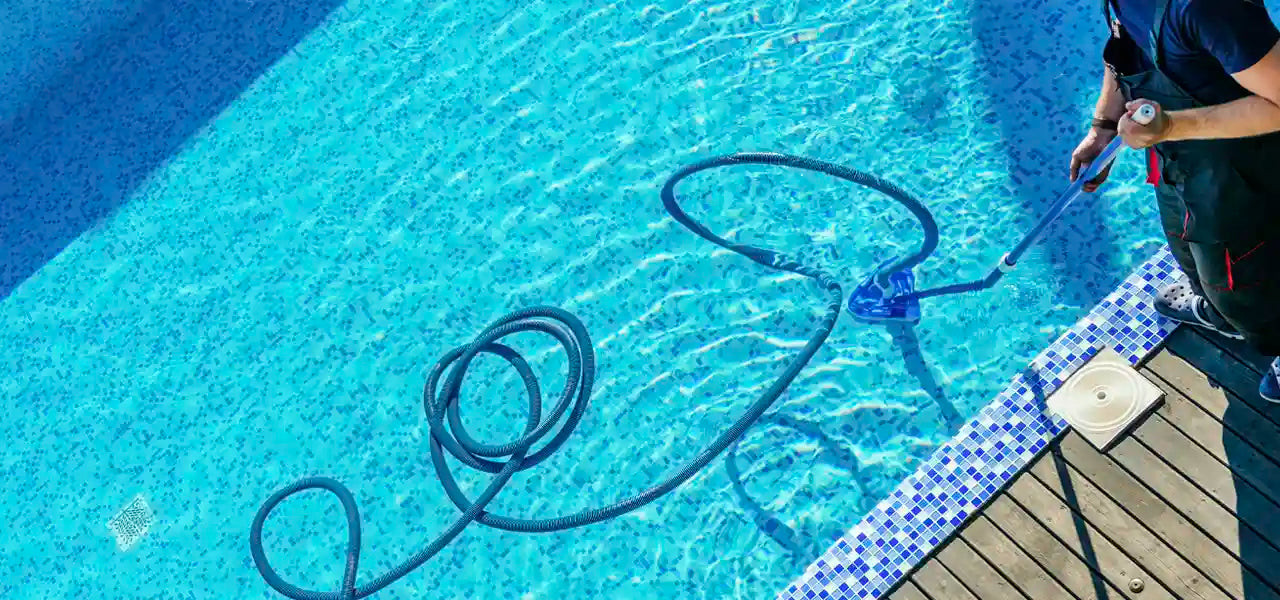
There are several types of pool vacuums you can pick from. Manual vacuums, powered by your own effort, are budget-friendly and straightforward. They usually consist of a vacuum head attached to a telescopic pole and a hose.
Pressure-side vacuums connect to your pool’s return jet and use water pressure to pick up larger debris. Suction-side vacuums attach to the skimmer and use your pump’s suction to clean. Consider what kind of debris you deal with: leaves, dirt, or fine particles, because each vacuum type handles these differently.
Necessary Accessories
Besides the vacuum itself, a few accessories make the job smoother. A telescopic pole lets you reach all pool areas without getting wet. A vacuum hose, long enough to cover your entire pool, is essential. Don’t forget to have extra hose weights to keep the hose on the pool floor during cleaning.
You might also want a vacuum head with interchangeable brushes or wheels, depending on your pool surface. Using a leaf rake or skimmer net before vacuuming helps remove large debris, reducing the vacuum’s workload. Do you have all the accessories to avoid interruptions while cleaning?
Safety Gear
Safety should never be overlooked when vacuuming your pool manually. Wearing non-slip shoes prevents accidents around wet pool decks. Gloves protect your hands from debris and chemicals.
Eye protection is a good idea, especially if you’re dealing with algae or strong pool chemicals. Remember, a little safety prep can save you from injuries and make the process more comfortable. How prepared are you to keep your cleaning routine safe?
Preparing The Pool
Preparing the pool is a key part of manual vacuuming. This step ensures the cleaning is effective and saves time. A clean surface allows the vacuum to work properly. Checking the water condition helps avoid damage to the pool and equipment. Proper preparation means better results and a healthier pool environment.
Removing Debris
Start by removing large debris like leaves and twigs. Use a net skimmer or leaf rake to clear the surface. This prevents clogging the vacuum or filter. Clear out debris from the pool floor as well. Removing big pieces first makes vacuuming easier and faster.
Checking Water Level
Check the water level before vacuuming. The water should be at least halfway up the skimmer opening. Low water levels can cause the pump to run dry. High levels may reduce skimmer efficiency. Adjust the water level by adding or draining water as needed.
Balancing Chemicals
Test the pool water for chemical balance. Check pH, chlorine, and alkalinity levels. Balanced water protects the pool surface and equipment. It also keeps the water safe for swimmers. Use pool chemicals to adjust the levels before vacuuming.
Setting Up The Vacuum
Setting up your pool vacuum correctly is key to a smooth cleaning session. If you skip any part of this process, you might end up with air bubbles or weak suction, making your efforts less effective. Taking the time to assemble everything properly ensures your vacuum picks up dirt and debris efficiently.
Assembling The Vacuum Head
Start by attaching the vacuum head to the telescopic pole. Make sure the connection is secure but easy to adjust as you move around the pool. A loose connection can cause the head to wobble, reducing suction and making the job harder than it needs to be.
Check the vacuum head for any brushes or wheels; these help scrub surfaces while you vacuum. If your head has adjustable parts, set them according to your pool type—flat for smooth surfaces, or angled for steps and corners.
Attaching The Hose
Next, connect one end of the vacuum hose to the vacuum head. This connection should be tight to prevent air leaks. An air leak can cause the vacuum to lose suction, meaning dirt stays stuck instead of being sucked up.
Before you submerge the hose, fill it with water to push out all the air. This simple trick helps the vacuum start working immediately once underwater. Holding the hose down as you fill it can make this step quicker and easier.
Connecting To The Skimmer
Finally, attach the free end of the hose to the skimmer’s suction port. You might need to remove the skimmer basket first or use a special vacuum plate designed for your pool model. Ensure the hose fits snugly to avoid losing suction power.
If your pool has a dedicated suction line, use that instead for better performance. Think about how much cleaner your pool will look after you set everything up properly—doesn’t it make the extra effort worthwhile?

Credit: us.mammotion.com
Vacuuming Techniques
Vacuuming a pool manually requires more than just pushing the vacuum head around. Mastering the right techniques can make the job quicker and more effective. Your approach impacts how well the dirt gets removed and how smoothly the equipment works.
Starting The Pump
Before you begin vacuuming, make sure your pool pump is running. The pump creates suction needed to pull debris through the vacuum head and into the filter system.
Attach the vacuum hose to the vacuum head, then connect the other end to the skimmer or suction port. Slowly lower the vacuum head into the pool to avoid trapping air.
Have you ever noticed the pump losing suction? That usually means air is trapped in the hose, so take your time to fill the hose completely with water before fully connecting it.
Vacuuming Patterns
How you move the vacuum head affects how clean your pool gets. Use slow, deliberate strokes to cover every inch without stirring up dirt unnecessarily.
Try a systematic pattern, like vacuuming in straight lines from one end of the pool to the other, overlapping slightly with each pass. This ensures no spots get missed.
Don’t rush. Speeding through can leave debris behind and force your pump to work harder. Think about the pool’s shape too; curved edges might need circular or back-and-forth motions.
Avoiding Air Locks
Air locks happen when air gets trapped in the vacuum hose, breaking the suction and making vacuuming ineffective. Recognizing this problem early saves you time and frustration.
To prevent air locks, fill the hose completely with water before connecting it to the suction port. You can do this by submerging the hose entirely and letting water push out all the air.
If you do get an air lock, gently lift and shake the hose underwater to release trapped bubbles. Have you found this simple trick helpful in your pool cleaning routine?
Post-vacuum Maintenance
After you finish vacuuming your pool manually, the job isn’t quite over yet. Proper post-vacuum maintenance ensures your pool stays clean longer and your equipment lasts. Taking a few extra minutes now saves you headaches later.
Cleaning The Filter
Your pool filter collects all the debris sucked up during vacuuming. If it gets clogged, your pool pump will struggle and water circulation slows down.
Remove the filter cartridge or backwash sand filters, then rinse them thoroughly with a hose. Pay special attention to small crevices where dirt can hide. Clean filters keep water clear and pump running smoothly.
Backwashing The System
Backwashing reverses water flow to flush out trapped dirt in your filter. It’s essential after vacuuming because lots of debris accumulates quickly.
Turn off the pump, switch the valve to the backwash setting, and run it until the water runs clear. This usually takes 2-3 minutes. Not backwashing enough can cause pressure buildup and damage the system.
Storing Equipment
Proper storage of your vacuum and accessories prolongs their life and keeps them ready for next use.
- Rinse hoses and vacuum heads with fresh water to remove chemicals.
- Let them dry completely to avoid mold and mildew buildup.
- Store everything in a cool, shaded area to prevent sun damage.
Do you have a dedicated spot for your pool gear? Organizing your tools makes maintenance less of a chore and more of a routine you can stick to.

Credit: www.youtube.com
Troubleshooting Common Issues
Vacuuming your pool manually can sometimes lead to unexpected problems that slow down the cleaning process. Addressing common issues quickly ensures your pool stays sparkling without wasting time or effort. Let’s look at some practical solutions to keep your vacuum running smoothly.
Low Suction Power
Low suction power is one of the most common frustrations when vacuuming a pool. Check if the skimmer basket or pump strainer basket is clogged with leaves and debris. Cleaning these can instantly boost suction.
Also, inspect the vacuum hose for blockages or kinks that reduce water flow. If you notice weak suction despite a clear hose, the pump impeller might be clogged or worn out. Have you ever tried feeling the suction at the vacuum head? It can help pinpoint if the problem is before or after the hose.
Hose Leaks
Leaks in the vacuum hose can cause loss of suction, making your cleaning less effective. Run your hand along the hose underwater to detect bubbles escaping from tiny holes or cracks. Even small leaks disrupt the vacuum’s performance.
Replace damaged hose sections or use waterproof tape as a temporary fix. Ensuring all hose connections fit tightly can prevent leaks too. Have you checked the hose fittings recently? Loose connections might be the culprit.
Pump Problems
Your pool pump is the heart of the vacuum system. If it’s not working properly, cleaning becomes a struggle. Listen for unusual noises or check if the pump is overheating during use—these signs suggest mechanical issues.
Make sure the pump basket is clean and the lid is sealed tightly. Air leaks in the pump system reduce suction and can cause damage over time. When was the last time you serviced your pump? Regular maintenance can save you from costly repairs.
Credit: us.mammotion.com
Frequently Asked Questions
How Do I Prepare My Pool For Manual Vacuuming?
Before vacuuming, remove large debris and brush pool walls. Check water levels and ensure the vacuum head and hose are connected properly. Turn off the pump and set the filter valve to waste to prevent clogging. This preparation ensures effective cleaning and protects your pool equipment.
What Equipment Is Needed For Manual Pool Vacuuming?
You need a manual vacuum head, telescopic pole, vacuum hose, and a pool pump. The vacuum head attaches to the pole and hose, which connects to the pump’s skimmer or dedicated vacuum port. Proper equipment ensures thorough and efficient pool cleaning.
How Do I Connect The Vacuum Hose To The Pool Pump?
Attach one end of the vacuum hose to the vacuum head and the other to the skimmer or vacuum port. Prime the hose by filling it with water to remove air. This setup creates suction needed to lift debris during manual vacuuming.
How Long Does Manual Pool Vacuuming Usually Take?
Manual vacuuming typically takes 30 to 60 minutes depending on pool size and debris amount. Regular vacuuming prevents dirt buildup, maintains water clarity, and extends pool equipment life. Consistent cleaning keeps your pool inviting and safe to swim.
Conclusion
Vacuuming your pool manually keeps it clean and safe. It removes dirt and leaves the water clear. Regular cleaning helps avoid big problems later. Take your time and follow each step carefully. Your pool will stay inviting all season long.
Clean water means happy swims for everyone. Stay consistent, and enjoy a sparkling pool every day. Simple tools and a little effort make a big difference. Keep your pool ready for fun and relaxation anytime.