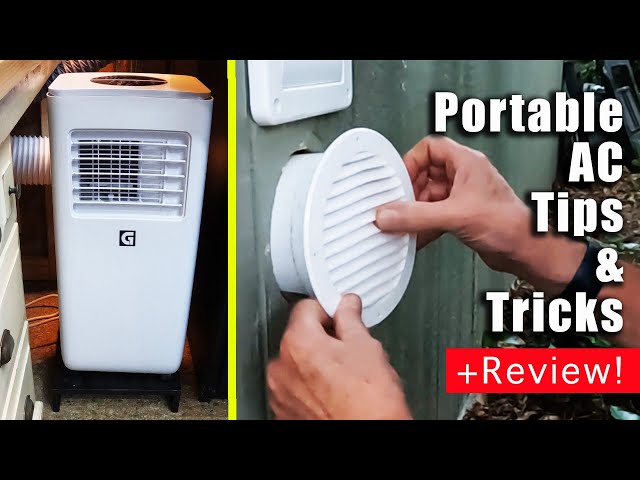
Struggling to cool your space with a portable air conditioner but don’t have a window nearby? You’re not alone.
Venting your portable AC properly is key to keeping your room cool and comfortable. But what if a window isn’t an option? Don’t worry—you can still make it work. You’ll discover simple, practical ways to vent your portable air conditioner without a window.
Keep reading, and you’ll learn how to stay cool no matter where you are.
Why Venting Matters
Ventinghelps remove hot air from the portable air conditioner. This keeps the room cooler and stops heat from building up inside. Without proper venting, the unit works harder and uses more energy.
Heat removalmeans moving warm air out of the room. The air conditioner takes heat from inside and sends it outside through a vent hose. This process keeps the air inside fresh and cool.
Venting affects the efficiencyof the air conditioner. Poor venting makes the unit less effective and raises power bills. Good venting helps the unit run smoothly and cool the room faster.

Credit: www.amazon.in
Challenges Without A Window
Venting a portable air conditioner without a window can be tricky. Most units need an opening to push hot air outside. Without a window, finding a place to vent becomes a big problem.
Common venting obstacles include:
- No nearby window or opening.
- Thick walls that are hard to modify.
- Limited space for vent hoses.
- Building rules that restrict changes.
Improper venting causes serious risks. Hot air stays inside, making rooms warmer. This lowers the AC’s efficiencyand increases energy use. Moisture can build up, leading to mold and damage. Some units may even overheat or break down if not vented correctly.
Alternative Venting Options
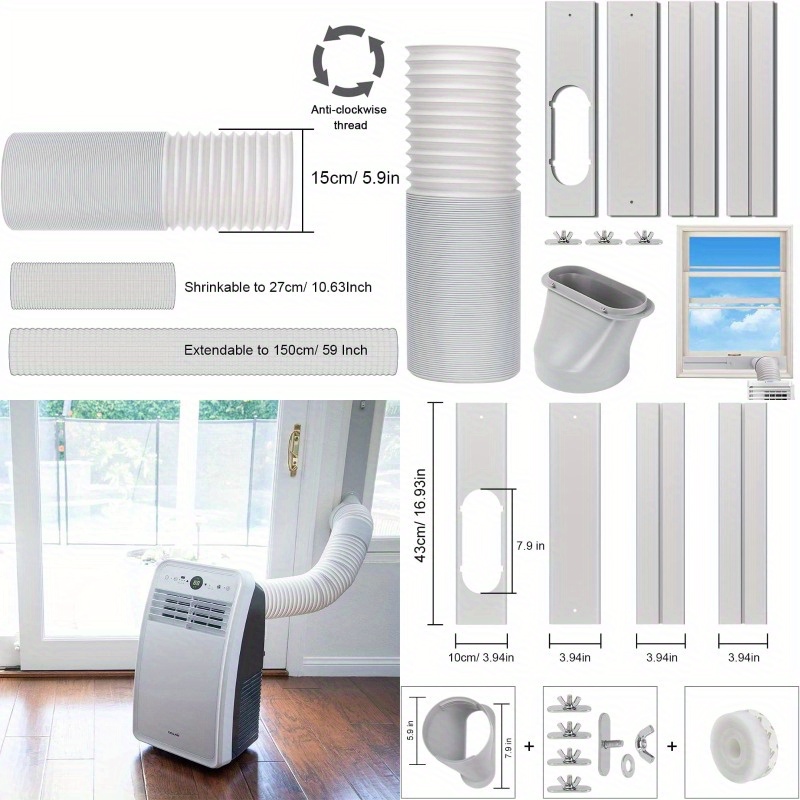
A door vent kitlets you send hot air outside through a door gap. It uses a panel that fits in the door frame. The kit comes with a vent hose to connect the air conditioner. This option works best for rooms with doors that open outside or into a hallway.
Through-the-wall ventingis a permanent solution. It needs a hole in an outer wall. A vent cover fits on the outside to keep bugs and rain out. This method is good for rooms without windows or doors to vent through.
Vent through the ceilingby cutting a hole and adding a vent pipe. The pipe sends hot air outside, usually through the attic or roof. This works well if wall or door venting is not possible. Make sure the vent pipe is sealed to stop leaks.
Diy Venting Solutions
A portable air conditioner needs venting to work well. Use a door vent kit or vent through a drop ceiling to release hot air without a window. Simple tools and materials help create a safe, efficient venting solution.
Crafting A Vent Panel
Use a piece of plywood or acrylic sheet for the panel. Cut it to fit the vent opening perfectly. Drill a hole matching your air conditioner’s exhaust hose size. Attach a vent adapter securely to the hole. This keeps hot air flowing outside, not inside your room.
Sealing And Insulating Tips
- Use weather stripping around the panel edges to stop air leaks.
- Apply silicone caulk to seal small gaps and cracks.
- Insulate the vent hose with foam sleeves to reduce heat loss.
- Check for tight connections between hose and panel to avoid leaks.
Ensuring Safety And Compliance
Keep the vent hose away from sharp objects or heat sources. Secure the panel firmly to avoid accidents. Make sure the setup allows proper airflow to prevent overheating. Follow local building codes or rental rules for venting appliances.
Tools And Materials Needed
Essential tools for venting a portable air conditioner without a window include a drillto make holes and a measuring tapefor accurate size checks. A jigsawor utility knifehelps cut vent holes easily. Screwdriversare needed to fix parts securely. Sealantor weatherstrippingensures no air leaks around the vent.
Recommended materials include a venting kitwith a flexible exhaust hose and adapters to fit different openings. A vent coverprevents dirt and insects from entering. Foam insulationcan improve efficiency by blocking drafts. Using heavy-duty tapehelps secure the vent hose and keep it airtight.
Credit: www.temu.com
Step-by-step Installation
Measure the space carefully to fit the vent hose properly. Check the size of the hose and the exit point. Planning helps avoid leaks and loss of cool air.
Cut the vent hole to match the hose diameter exactly. Use a sharp tool for a clean cut. Make sure the hole is not too big or too small.
Secure the hose with clamps or strong tape to keep it in place. Avoid gaps that let hot air back inside. Tight connections improve efficiency and safety.
Maintaining Your Vent Setup
Regular cleaningkeeps your vent working well. Dust and dirt can block airflow. Clean the vent and hose every week with a soft cloth. This stops dust from building up and helps the air conditioner work better.
Checking for leakshelps keep cool air inside. Look for holes or gaps in the vent hose and connections. Seal any leaks with tape or sealant. This saves energy and cools your room faster.
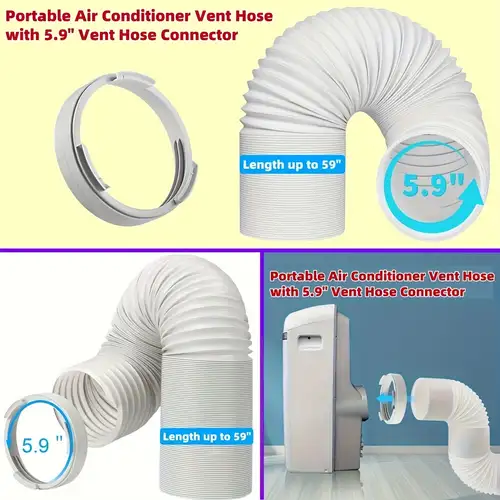
Optimizing airflowmeans making sure air moves freely. Keep the vent hose straight and avoid sharp bends. Place the hose where it can push hot air outside easily. This improves cooling and stops the unit from working too hard.
Credit: www.temu.com
Frequently Asked Questions
Can You Vent A Portable Ac Without A Window?
Yes, you can vent a portable AC without a window. Options include venting through a sliding door, ceiling, or wall. Ensure the venting method you choose maintains efficiency. Proper venting ensures the unit runs effectively, providing optimal cooling without energy waste.
What Are Alternative Venting Options For Portable Acs?
Alternative venting options include using a sliding door, wall, or drop ceiling. Each method requires specific accessories, like vent kits or panels. Choose an option that suits your space and ensures effective ventilation. Proper setup is crucial for the air conditioner’s performance and energy efficiency.
How To Vent A Portable Ac Through A Door?
To vent through a door, use a sliding door vent kit. The kit includes a panel that fits the door gap. Securely attach the hose to the panel, ensuring a snug fit. This setup allows hot air to escape without compromising cooling efficiency.
Is Venting A Portable Ac Through A Ceiling Possible?
Yes, venting through a ceiling is possible with a drop ceiling vent kit. The kit helps direct hot air into ceiling spaces. Ensure the ceiling can handle the venting without issues. This method is ideal for offices and spaces with suitable ceiling setups.
Conclusion
Venting a portable air conditioner without a window can be simple. Use alternative options like a door vent or a drop ceiling. Ensure the vent hose is secure and directs hot air outside. Proper venting helps your unit cool efficiently.
Keep safety and room layout in mind. With the right setup, your space stays comfortable all day. Small changes make a big difference in cooling. Try these easy ideas and enjoy a cooler home.