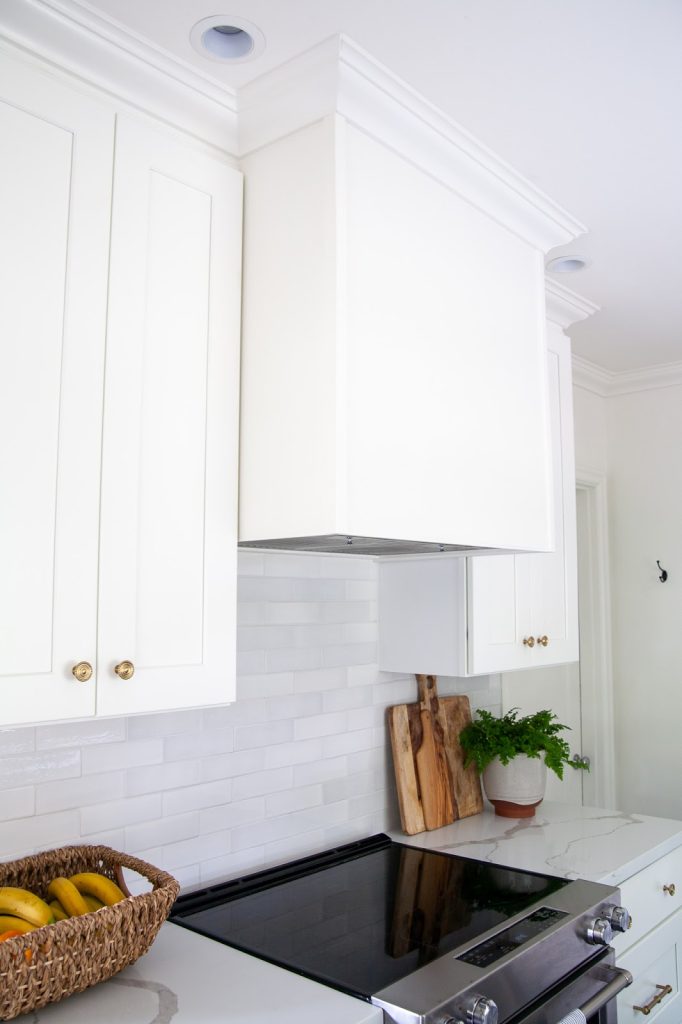
Are you looking to improve the air quality in your kitchen? Venting your range hood is a game-changer, ensuring that cooking odors, smoke, and grease are effectively removed.
Imagine cooking your favorite meals without worrying about lingering smells or a greasy kitchen. Intrigued? You’re not alone. Many homeowners like you are discovering the benefits of properly vented range hoods. In this guide, you’ll learn simple, step-by-step instructions on how to vent your range hood efficiently.
By the end, you’ll feel confident and ready to enjoy a fresher, cleaner kitchen. Ready to get started? Let’s dive in!
Choosing The Right Vent
Choosing the right vent for your range hood is crucial to ensure your kitchen stays fresh and free of unwanted odors and smoke. The vent you select affects not only the efficiency of your hood but also your home’s air quality and energy use. Understanding the differences in vent types, materials, and sizes will help you make the best decision for your space.
Ducted Vs. Ductless Systems
Deciding between a ducted or ductless system depends on your kitchen setup and ventilation needs. Ducted systems expel air outside your home, offering superior removal of smoke and cooking smells. They require proper ductwork installation, which might not be possible in all homes.
Ductless systems recycle air through filters before releasing it back into the kitchen. These are easier to install and ideal for spaces without external vent options. However, they need regular filter changes and may not eliminate odors as effectively as ducted vents.
Material Options For Durability
The material of your vent impacts its lifespan and maintenance needs. Stainless steel is a popular choice because it resists rust and looks sleek in any kitchen. Aluminum is lightweight and affordable but may dent more easily over time.
Consider how much cooking you do and the type of food you prepare when choosing materials. If you frequently cook greasy or smoky foods, a durable, easy-to-clean vent material will save you time and hassle. Have you checked how your current vent material holds up after a few years?
Sizing For Optimal Performance
Choosing the right vent size ensures your range hood works efficiently without wasting energy. A vent that’s too small won’t remove smoke and odors effectively, while an oversized vent can increase energy costs unnecessarily.
Match your vent size to the hood’s airflow capacity, usually measured in cubic feet per minute (CFM). For example, a 600 CFM hood needs a duct at least 6 inches in diameter. Are you measuring your vent size to match your cooking habits and kitchen size?

Credit: www.create-enjoy.com
Planning The Vent Path
Planning the vent path is a crucial step in installing a range hood. It ensures efficient airflow and reduces noise. A well-planned vent path also prevents damage to your home structure and keeps the kitchen air fresh.
Choosing the right path for the vent involves thinking about the distance, bends, and exit points. Careful planning saves time and money during installation. It also improves the vent hood’s performance and lifespan.
Shortest Route Benefits
The shortest vent path reduces airflow resistance. Less distance means the fan works less hard. It helps remove smoke, steam, and odors quickly. A shorter route also lowers energy use and noise.
Short paths minimize the chance of clogs from grease buildup. Cleaning becomes easier and safer. This simple step improves the overall kitchen environment.
Avoiding Sharp Bends
Sharp bends slow down the airflow. They cause turbulence and reduce vent efficiency. Gentle curves or straight lines are better choices. Avoiding too many turns keeps the air moving smoothly.
Less bending also means fewer spots for grease to collect. This lowers the risk of fire hazards. Planning with smooth bends ensures long-term safety and function.
Considerations For Wall Vs. Roof Vents
Wall vents are easier to install and maintain. They usually require less vent pipe length. Wall vents work well if the kitchen is near an exterior wall.
Roof vents allow more flexible vent paths. They are ideal for kitchens far from exterior walls. Roof vent installation needs weatherproofing and careful sealing. Both options have pros and cons to consider for your home layout.
Installation Tips
Installing your range hood correctly is crucial for efficient ventilation and long-term durability. Paying attention to details during installation can save you headaches and costly repairs later. Let’s dive into some practical tips that will help your venting system work smoothly and safely.
Sealing And Insulating Ducts
Proper sealing of your ducts prevents air leaks that reduce your hood’s efficiency. Use foil tape specifically designed for HVAC systems instead of regular duct tape, which can degrade quickly. Make sure all joints and seams are tightly sealed to avoid grease and moisture buildup inside the ducts.
Insulating the ductwork is equally important, especially if it runs through unheated spaces. This keeps condensation from forming inside the ducts, which can cause mold or damage. Have you checked your ducts for gaps or poor insulation before starting installation? It’s a simple step that makes a big difference.
Mounting The Hood Correctly
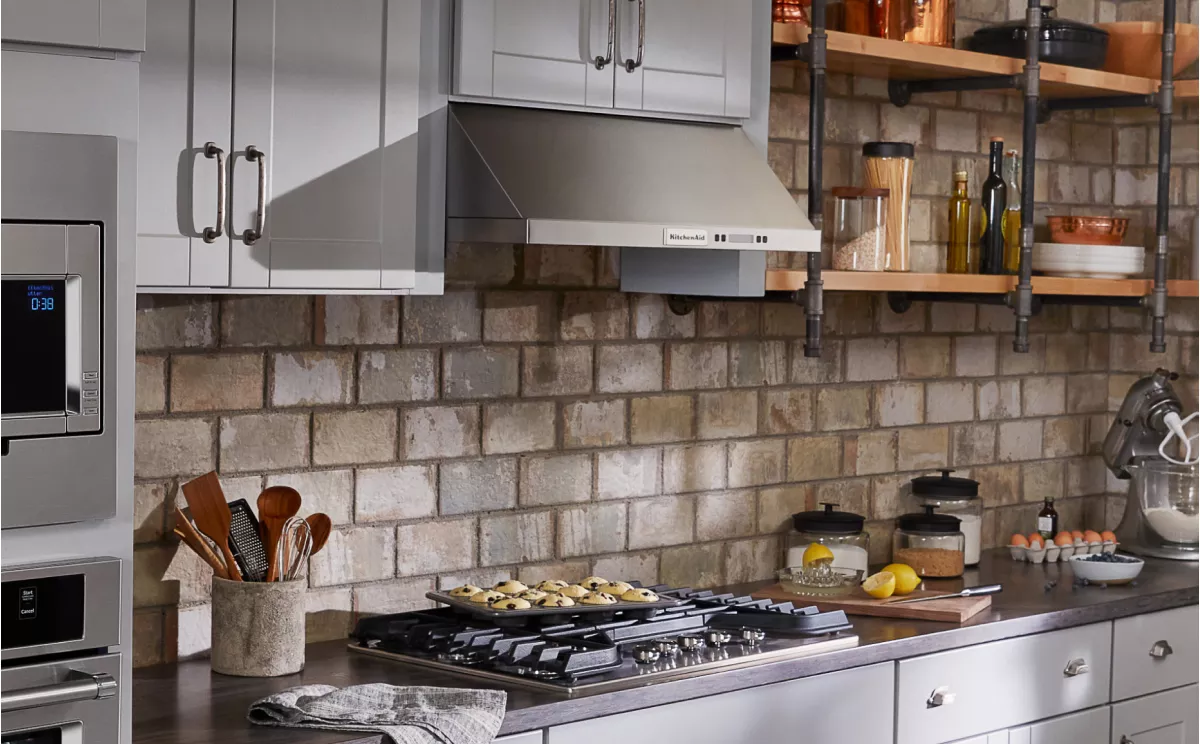
Mounting your range hood at the right height ensures optimal capture of cooking fumes. Usually, the ideal distance from the cooktop is between 24 and 30 inches. If it’s too high, smoke won’t get sucked in; too low, and the hood may interfere with cooking.
Use a level during installation to keep the hood straight, preventing awkward angles that reduce airflow. Secure it firmly to studs or a solid backing to handle the weight and vibrations. When I installed mine, I realized how a poorly anchored hood caused annoying rattling noises—something you want to avoid.
Electrical Connections And Safety
Never underestimate the importance of safe electrical connections. Turn off the power at the breaker before starting any wiring work. Follow the manufacturer’s wiring diagram carefully and use wire nuts and electrical tape to secure connections.
If your range hood requires a dedicated circuit, make sure your home’s electrical system can handle it. Grounding the hood is essential to prevent electrical shocks. Do you have the right tools and knowledge to handle electrical work safely? When in doubt, hiring a licensed electrician is a smart move.
Credit: www.kitchenaid.com
Maintaining Airflow Efficiency
Maintaining airflow efficiency in your range hood keeps your kitchen fresh and clean. Good airflow removes smoke, steam, and odors fast. It also protects your kitchen walls and ceilings from grease buildup. Proper care helps the range hood work quietly and saves energy.
Regular Cleaning Schedules
Clean the range hood filters at least once a month. Grease and dust reduce airflow and slow down the fan. Wipe the hood surface weekly to stop grease buildup. Use warm soapy water or a mild cleaner. Dry the filters well before reinstalling them.
Checking For Blockages
Inspect the ductwork for dust or debris that blocks airflow. Look inside the vent cap outside your home for nests or leaves. Clear any objects that stop air from moving freely. Make sure the duct is straight and not crushed or bent. Blockages force the fan to work harder and reduce efficiency.
Upgrading Filters And Fans
Replace old filters with high-quality, washable models. Choose filters designed to catch grease and fine particles. Consider upgrading to a more powerful fan motor. A stronger fan moves air better and reduces cooking smells. Newer fans also use less energy and make less noise.
Common Mistakes To Avoid
Venting a range hood properly is crucial for kitchen safety and air quality. Mistakes during installation can reduce efficiency and cause problems later. Avoiding common errors helps ensure your range hood works well and lasts long.
Incorrect Duct Size
Choosing the wrong duct size limits airflow. A duct too small restricts smoke and odors from leaving the kitchen. Too large can cause poor air pressure and noise. Use the manufacturer’s recommended duct diameter for best results.
Improper Vent Termination
The vent must release air outside the home. Ending the duct in the attic or crawl space traps moisture and grease. This can lead to mold and damage. Make sure the vent cap is installed correctly and faces away from windows and doors.
Neglecting Building Codes
Building codes set rules for safe vent installation. Ignoring these rules may cause hazards and fail inspections. Check local codes before starting. Follow all guidelines for duct material, length, and vent placement to stay compliant.
Credit: blog.yaleappliance.com
Frequently Asked Questions
How Do You Vent A Range Hood Outside?
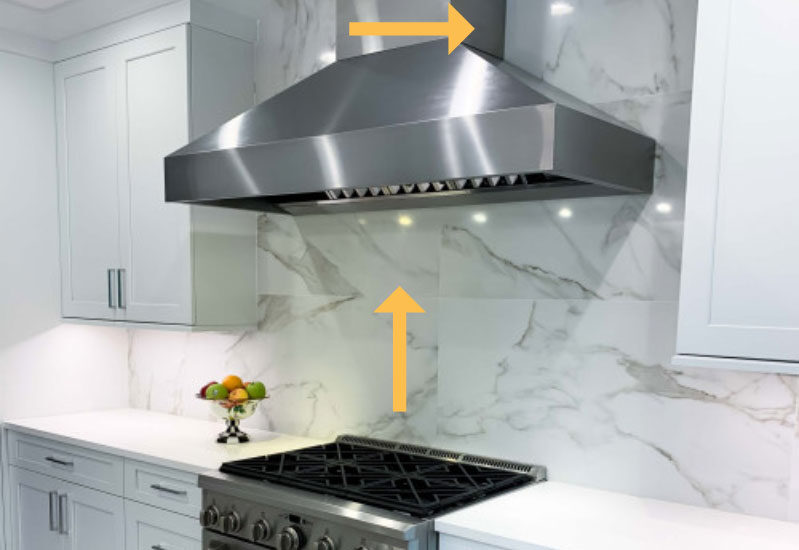
To vent a range hood outside, connect ductwork from the hood to an external vent. Use rigid metal ducts for efficiency. Avoid long or curved ducts to maintain airflow. Seal all joints tightly to prevent leaks. Ensure the external vent has a backdraft damper.
What Materials Are Best For Range Hood Venting?
Rigid metal ducts, such as stainless steel or aluminum, are best for venting. They resist grease buildup and maintain airflow. Avoid flexible plastic or foil ducts as they trap grease and reduce efficiency. Proper duct materials ensure safety and better hood performance.
Can I Vent A Range Hood Through The Roof?
Yes, you can vent a range hood through the roof. Install a roof cap with a damper to prevent weather entry. Ensure the duct runs straight and short to maximize airflow. Roof venting is ideal if wall venting isn’t feasible.
How Far Should Range Hood Vent Extend Outside?
The vent should extend just outside the exterior wall or roof. It must be positioned away from windows, doors, and vents to avoid air re-entry. Typically, a 3 to 6-inch extension outside is sufficient. Proper placement improves ventilation efficiency and safety.
Conclusion
Properly venting your range hood keeps your kitchen fresh and safe. It helps remove smoke, steam, and cooking smells fast. Clear vents improve air flow and reduce grease buildup. Regular cleaning and correct installation make a big difference. Take your time to follow each step carefully.
A well-vented hood protects your home and makes cooking more pleasant. Simple actions lead to better air quality and less hassle. Keep your kitchen comfortable and clean with good venting.