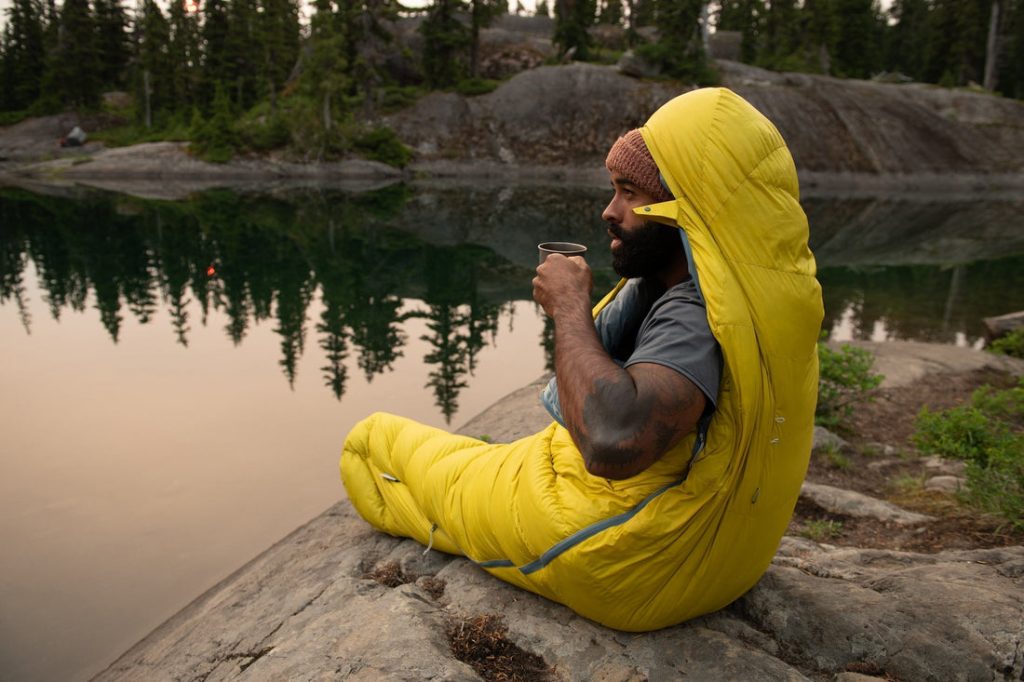
Your sleeping bag is your best friend on every camping trip. It keeps you warm, cozy, and comfortable through chilly nights.
But have you ever thought about how to wash a sleeping bag without ruining it? Cleaning it the right way is key to keeping it fresh and extending its life. In this guide, you’ll learn simple, effective steps to clean your sleeping bag safely.
By the end, you’ll know exactly how to care for your gear so it stays ready for your next adventure. Keep reading to protect your investment and enjoy better sleep outdoors!
Credit: www.ellis-brigham.com
Preparation
Washing a sleeping bag needs careful preparation. Getting ready helps protect your bag and keeps it clean.
Before washing, take time to prepare well. This makes the process easier and safer for your sleeping bag.
Gather Supplies
Collect all items needed to wash your sleeping bag. Having supplies ready saves time and avoids mistakes.
- Gentle detergent made for outdoor gear
- Large washing machine or bathtub
- Clean towels for drying
- Soft brush for spot cleaning
- Mesh laundry bag (optional)
Check Care Label
Look at the care label inside your sleeping bag. It shows how to wash and dry it safely.
Follow the instructions on the label to avoid damage. Some bags need hand washing or special detergents.
- Machine wash allowed or hand wash only
- Water temperature limits
- Drying method (air dry or tumble dry)
- Do not bleach or iron warnings
Inspect For Damage
Check your sleeping bag for tears, holes, or broken zippers. Fix these before washing to protect it.
Small repairs stop water and dirt from entering the filling. This keeps your bag warm and clean.
- Look inside and outside the bag
- Check seams and stitching
- Test the zipper for smooth action
- Patch any holes or rips

Credit: www.halfwayanywhere.com
Choosing The Right Cleaning Method
Washing a sleeping bag needs care to keep it warm and soft. Choosing the right cleaning method helps protect its materials. Two common ways to clean a sleeping bag are hand washing and machine washing.
Each method has its benefits and suits different sleeping bags. Read on to learn which method fits your sleeping bag best.
Hand Washing
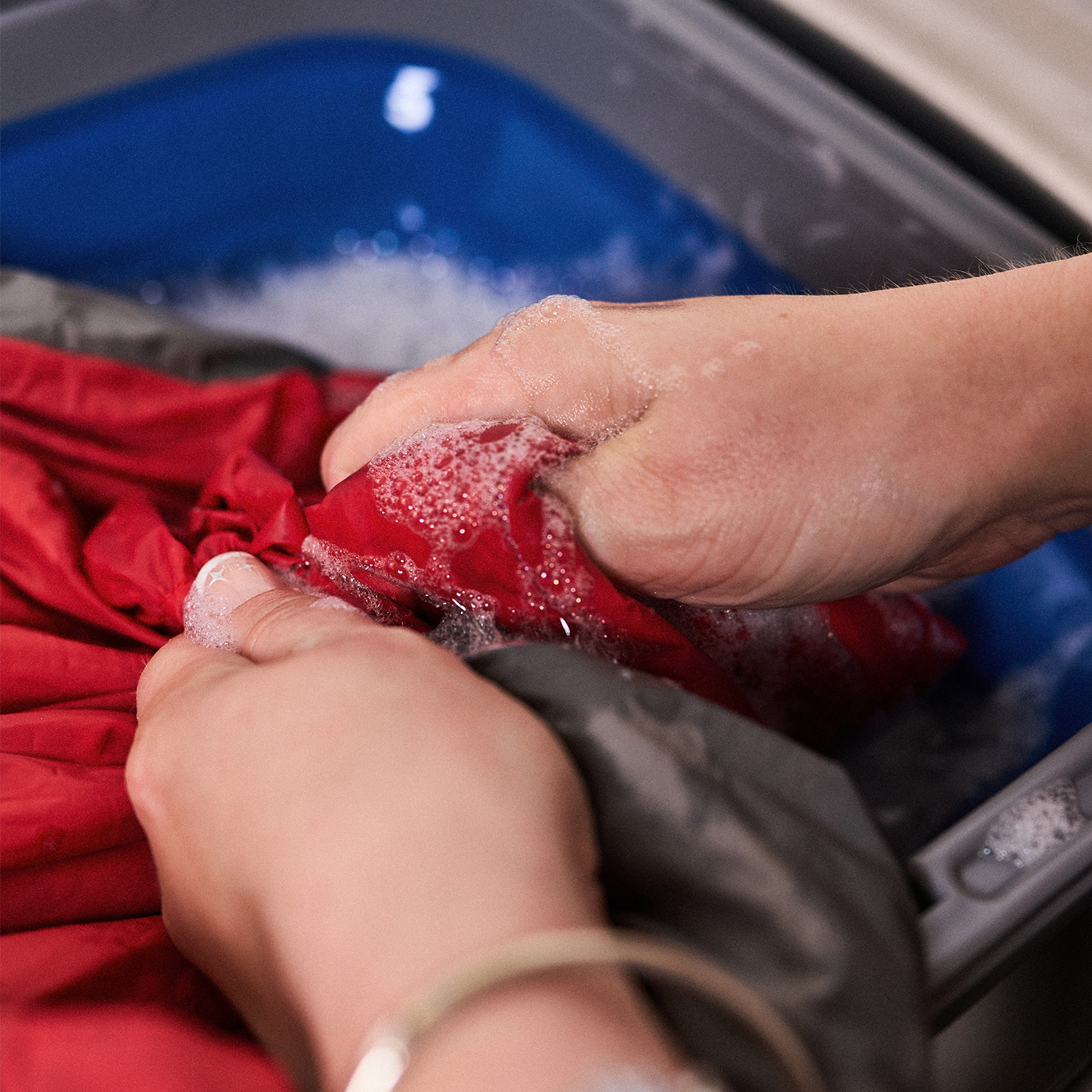
Hand washing is gentle and good for delicate sleeping bags. It uses less force and helps keep the bag’s insulation safe.
- Fill a bathtub or large basin with lukewarm water
- Add a small amount of mild soap or special cleaner
- Submerge the sleeping bag and gently squeeze it
- Let it soak for 30 minutes to 1 hour
- Rinse thoroughly with clean water until no soap remains
- Press out water carefully without wringing
Machine Washing
Machine washing is faster and good for durable sleeping bags. Use a large front-loading washer for best results. Avoid top loaders with agitators that can damage the bag.
| Setting | Recommendation |
| Water Temperature | Cold or lukewarm |
| Cycle Type | Gentle or delicate |
| Detergent | Mild, non-detergent soap |
| Spin Speed | Low to medium |
Hand Washing Steps
Cleaning your sleeping bag by hand keeps it safe and lasts longer. Follow easy steps to wash it properly.
This guide will help you wash your sleeping bag gently and effectively with just water and mild detergent.
Fill Tub With Water
Choose a clean tub or large basin that fits your sleeping bag. Fill it with lukewarm water to protect the fabric.
Make sure the water is deep enough to fully soak your sleeping bag for even cleaning.
Use Mild Detergent
Select a mild detergent made for delicate fabrics. Avoid harsh chemicals that can damage insulation.
- Measure detergent carefully to avoid residue
- Dissolve detergent fully in water before adding the sleeping bag
- Do not use bleach or fabric softeners
Gently Scrub And Rinse
Press the sleeping bag gently with your hands to clean. Avoid wringing or twisting the fabric.
| Action | Details |
|---|---|
| Scrubbing | Use a soft brush or cloth on stained areas only |
| Rinsing | Drain soapy water and refill tub with clean water |
| Repeat | Rinse until no soap remains, usually 2-3 times |
| Drying | Lay flat or hang in shade to air dry |
Machine Washing Steps
Cleaning a sleeping bag in a machine requires care. Using the right settings keeps it safe and clean.
Follow these steps to wash your sleeping bag without damage.
Select Gentle Cycle
Choose the gentle cycle on your washing machine. This cycle uses slow spin speeds and less agitation.
- Protects fabric and insulation
- Reduces wear and tear
- Prevents stitching from loosening
Use Front-loading Washer
Front-loading washers are better for sleeping bags. They clean gently without a central agitator.
| Washer Type | Best For Sleeping Bags |
| Front-loading | Yes, gentle and spacious |
| Top-loading with agitator | No, can damage fabric |
| Top-loading without agitator | Sometimes, but less ideal |
Add Proper Detergent
Use a detergent made for delicate fabrics or down products. Avoid regular detergents and bleach.
Here is a simple list of detergent tips:
- Use mild, non-detergent soap
- Avoid fabric softeners
- Measure detergent carefully to avoid residue
- Rinse twice if possible to remove all soap
Drying Techniques
Drying a sleeping bag properly keeps it fresh and ready for your next trip. Using the right method prevents damage and helps maintain warmth.
This guide covers two common drying techniques: air drying and using a dryer. Each method has its own steps to follow for best results.
Air Drying
Air drying is gentle and safe for all sleeping bag types. It preserves the insulation and avoids heat damage.
- Choose a shaded, well-ventilated area to hang your sleeping bag.
- Use a sturdy clothesline or drying rack to support the bag evenly.
- Avoid direct sunlight to prevent fabric fading and breakdown.
- Flip and shake the bag occasionally to speed drying and keep loft fluffy.
- Allow at least 24 hours for complete drying, depending on humidity.
Using A Dryer
Dryers can quickly dry a sleeping bag, but you must use low heat to avoid damage. Follow these tips for safe machine drying.
| Dryer Setting | Purpose | Notes |
|---|---|---|
| Low heat or air fluff | Protect fabric and insulation | Prevents melting and shrinkage |
| Include dryer balls | Help restore loft | Use clean tennis or wool balls |
| Check every 30 minutes | Prevent overheating | Shake bag gently before restarting |
| Dry completely | Avoid mold and mildew | May take several cycles |

Credit: www.gearaid.com
Storage Tips
Proper storage helps keep your sleeping bag clean and fluffy. It also extends its life and performance.
After washing, store your sleeping bag carefully to avoid damage from moisture or pressure.
Avoid Compression
Do not keep your sleeping bag tightly packed for a long time. Compression can damage the insulation.
Store it loosely to keep the loft and warmth. Use a large cotton storage sack or hang it.
- Never store in a small stuff sack
- Use a breathable storage bag
- Hang on a wide, padded hanger if possible
Store In A Cool, Dry Place
Keep your sleeping bag away from heat and moisture. Both can harm the fabric and insulation.
A cool, dry closet or shelf is ideal. Avoid damp basements or hot attics for storage.
- Choose a dark area to prevent UV damage
- Ensure good air circulation to prevent mold
- Keep away from sharp objects or pests
Maintenance Tips
Keeping your sleeping bag clean helps it last longer and stay fresh. Proper care is easy with regular attention.
Follow simple cleaning steps to protect the insulation and fabric. This guide covers cleaning schedules and stain removal.
Regular Cleaning Schedule
Wash your sleeping bag only a few times per year. Too much washing can damage the material and fill.
Air out your sleeping bag after each use. This keeps it dry and reduces odors.
- Spot clean stains right away.
- Wash the bag every 3 to 6 months, depending on use.
- Store in a loose, breathable bag when not in use.
- Use a front-loading washing machine or wash by hand.
- Dry completely before storing to prevent mold.
Spot Cleaning For Stains
Remove stains quickly to avoid permanent marks. Use mild soap and water for best results.
Gently rub the stained area with a soft cloth or sponge. Avoid harsh scrubbing to protect the fabric.
- Mix warm water with a small amount of mild detergent.
- Dab the stained spot carefully with the cloth.
- Rinse with clean water to remove soap.
- Let the area air dry fully before use.
Frequently Asked Questions
How Often Should I Wash My Sleeping Bag?
You should wash your sleeping bag 1-2 times per year. Wash it after heavy use or when it smells. Frequent washing can damage insulation, so spot clean when possible to maintain warmth and longevity.
What Is The Best Detergent For Washing Sleeping Bags?
Use a gentle, non-detergent cleaner designed for down or synthetic insulation. Avoid regular detergents and fabric softeners as they can strip natural oils and reduce loft. Specialized cleaners keep your sleeping bag soft and maintain insulation quality.
Can I Machine Wash My Sleeping Bag Safely?
Yes, if your sleeping bag’s label permits it, use a front-loading machine. Wash on a gentle cycle with cold water and a suitable cleaner. Avoid top-loading machines with agitators, which can damage the fabric and insulation.
How Do I Dry My Sleeping Bag Properly?
Air drying is best; lay it flat or hang in a shaded, ventilated area. If using a dryer, tumble dry on low heat with clean tennis balls to restore loft. Ensure the bag is completely dry to prevent mold and odors.
Conclusion
Cleaning your sleeping bag keeps it fresh and extends its life. Always use gentle soap and cold water for washing. Dry it fully before storing to avoid mold and smell. Treat stains quickly to prevent damage. Regular care helps your bag stay warm and comfy.
Remember, a clean sleeping bag makes outdoor trips better. Keep these steps simple and routine for best results. Your gear will thank you with every adventure.