
Are you tired of your vacuum cleaner not performing at its best? The secret to maintaining its powerful suction might be hiding in plain sight—your vacuum filter.
A clogged or dirty filter can significantly reduce your vacuum’s efficiency, leading to frustration and wasted time during cleaning. But worry not, because you’re about to discover the simple yet effective steps to wash your vacuum filter and restore your machine to its full potential.
Imagine the satisfaction of a spotless home with half the effort. Intrigued? Let’s dive into the process of how to wash a vacuum filter and transform your cleaning routine.

Credit: www.amazon.com
Choosing The Right Vacuum Filter
Choosing the right vacuum filter is crucial for maintaining your vacuum’s performance and ensuring cleaner air in your home. The filter traps dust, allergens, and tiny particles that can otherwise escape back into the environment. Picking the wrong filter can reduce suction power and even damage your vacuum over time.
Types Of Vacuum Filters
Vacuum filters come in several types, each designed for specific cleaning needs. HEPA filters are popular for capturing microscopic allergens and are ideal if you suffer from allergies or asthma. Foam filters are washable and reusable but work best for general dust and debris. Carbon filters help control odors and are great for pet owners.
Knowing what you want to filter out helps you decide. Are you after better air quality or just routine dust collection? Your choice affects not only cleanliness but also how often you’ll need to replace or clean the filter.
When To Replace Your Filter
Filters don’t last forever. A clogged or worn-out filter can reduce your vacuum’s efficiency and strain the motor. Look for signs like decreased suction, unusual odors, or visible dirt buildup on the filter itself.
Some manufacturers recommend replacing filters every 3 to 6 months, but this depends on your vacuum use and environment. If you have pets or live in a dusty area, you might need to change it more often. Regularly checking your filter ensures your vacuum keeps running smoothly and your home stays clean.
Preparing Your Vacuum For Cleaning
Getting your vacuum ready for cleaning is a key part of maintaining its performance. Before you dive into washing the filter, setting up the right conditions can save you time and effort. Taking these initial steps carefully ensures a smoother process and protects both you and your vacuum.
Unplugging And Disassembling
Always start by unplugging your vacuum from the power source. This simple action prevents any accidental starts, keeping you safe while handling internal parts.
Next, carefully disassemble the vacuum to access the filter. Depending on your model, this might mean opening a dust compartment or removing a cover. Have a spot ready to place screws or small parts so they don’t get lost.
Locating The Filter
Finding the filter can sometimes be tricky. Most vacuums have filters inside the dust bin or near the motor housing. Check your vacuum’s manual if you’re unsure—it often provides clear diagrams.
Once you find the filter, examine it for type and condition. This helps you decide whether washing is appropriate or if it needs replacing. Have you ever skipped this step and ended up damaging your vacuum? Taking a moment here can prevent that.
Cleaning The Vacuum Filter
Cleaning the vacuum filter is essential to keep your vacuum running efficiently and to maintain good air quality in your home. A clogged filter reduces suction power and can cause your vacuum motor to overheat. Understanding the right way to clean your vacuum filter can save you time and extend the life of your device.
Dry Cleaning Techniques
Dry cleaning your vacuum filter is a quick way to remove loose dust and debris without damaging the filter material. Use a soft brush or gently tap the filter against a hard surface to dislodge dust particles.
If your filter is made of foam or felt, avoid using compressed air, as it can tear the material. Instead, try vacuuming the filter itself with a handheld vacuum or the hose attachment to lift out trapped dirt.
Have you noticed a difference in suction after dry cleaning? Often, this simple step is enough to restore your vacuum’s performance between deeper cleanings.
Washing With Water
Many vacuum filters can be washed with water, but always check your vacuum’s manual first to avoid damage. Rinse the filter under lukewarm running water until the water runs clear, which shows that most dirt is removed.
Avoid using hot water, as it can warp or shrink some filter types. After rinsing, gently squeeze out excess water without twisting or wringing the filter to maintain its shape.
Did you know letting your filter air dry completely can take up to 24 hours? Never reinstall a damp filter, as it can cause mold growth or damage your vacuum motor.
Using Mild Detergents
For filters with stubborn grime, mild detergent can help break down oils and fine dust. Use a small amount of gentle dish soap mixed with water to soak the filter for a few minutes.
After soaking, gently rub the filter with your fingers to lift dirt, then rinse thoroughly to remove all soap residue. Soap left on the filter can clog pores and reduce airflow.
Have you tried this approach with your vacuum filter? Many users find that mild detergent restores filters more effectively than water alone, especially in kitchens or homes with pets.

Credit: www.espares.co.uk
Drying And Reinstalling The Filter
Drying and reinstalling the vacuum filter is a crucial step after washing. Proper drying prevents mold and bad smells. Reinstalling the filter correctly keeps your vacuum working well.
Air Drying Tips
- Place the filter in a clean, dry area.
- Keep it away from direct sunlight to avoid damage.
- Allow at least 24 hours for the filter to dry fully.
- Do not use a hairdryer or heater on the filter.
- Ensure the filter feels completely dry before reinstalling.
Avoiding Damage
- Handle the filter gently to avoid tearing or bending.
- Do not twist or squeeze the filter while drying.
- Avoid using harsh chemicals or cleaning tools on the filter.
- Keep the filter away from pets and dust during drying.
Putting The Filter Back
Check the vacuum manual for filter placement instructions. Align the filter carefully with the slots or holders. Press the filter firmly but gently to secure it. Make sure the filter fits snugly to prevent air leaks. Close the vacuum cover tightly to keep the filter in place.
Maintaining Your Vacuum Filter
Maintaining your vacuum filter is key to keeping your vacuum working well. A clean filter helps the vacuum pick up dirt better. It also keeps the machine from overheating. Taking care of the filter extends the life of your vacuum. Simple habits can make a big difference in performance and durability.
Regular Cleaning Schedule
Set a routine to clean your vacuum filter. Check the filter after every few uses. Remove dust and debris gently by tapping or brushing. Wash the filter with water if the model allows. Let it dry completely before putting it back.
A regular cleaning schedule prevents clogging. It keeps air flowing freely. Most filters need cleaning every one to three months. Some high-use vacuums may need more frequent care. Use the vacuum’s manual as a guide.
Signs Of Wear And Tear
Watch for changes in your vacuum’s performance. Reduced suction can mean the filter is dirty or damaged. Look for holes or tears in the filter material. A filter that smells bad or looks discolored should be replaced.
Broken or worn filters let dust escape. This can harm the vacuum motor. Replace the filter promptly to protect your machine. Using a damaged filter lowers cleaning efficiency and can cause damage over time.
Troubleshooting Common Issues
Even with regular cleaning, vacuum filters can develop issues that affect your machine’s performance. Recognizing these problems early helps you fix them quickly and keeps your vacuum running smoothly. Here’s how to troubleshoot the most common filter-related problems.
Filter Odors
Have you noticed an unpleasant smell coming from your vacuum after cleaning the filter? This usually happens if the filter isn’t dried completely before putting it back. Moisture trapped inside encourages mold and bacteria growth, causing those bad odors.
To fix this, make sure you let your filter air dry for at least 24 hours. Avoid using heat sources like hair dryers, as they can damage the filter material. If the smell persists, consider replacing the filter, since old filters can retain odors even after cleaning.
Reduced Suction Power
Is your vacuum struggling to pick up dirt like it used to? A clogged or improperly cleaned filter often reduces suction power. Dust and debris block airflow, making your vacuum less effective.
Check the filter for visible dirt, and rinse it thoroughly under running water. Let it dry completely before reinstalling. Also, inspect other parts like the hose and brush roll for blockages—they can contribute to suction loss too.
Have you tried cleaning your filter regularly? If suction doesn’t improve after cleaning, it might be time to replace the filter to restore full power. Keeping your filter in good shape saves you from frustrating cleaning sessions.
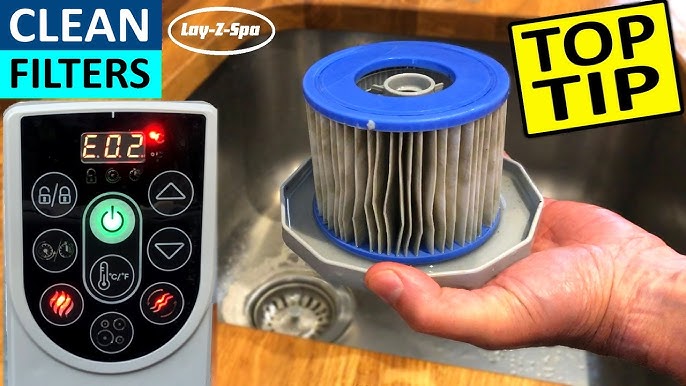
Credit: www.youtube.com
Frequently Asked Questions
How Often Should I Wash My Vacuum Filter?
You should wash your vacuum filter every 1 to 3 months. Frequent cleaning ensures optimal suction and prolongs filter life. Check the manufacturer’s guidelines for specific advice.
Can I Use Water To Clean All Vacuum Filters?
Most vacuum filters can be rinsed with water, but some require dry cleaning only. Always check your vacuum’s manual before washing to avoid damage.
How Do I Dry A Vacuum Filter Properly?
After washing, air-dry your vacuum filter completely for at least 24 hours. Avoid using heat or direct sunlight to prevent warping or damage.
What Happens If I Don’t Clean My Vacuum Filter?
A dirty filter reduces suction power and strains the vacuum motor. It can also release dust back into the air, affecting indoor air quality.
Conclusion
Cleaning your vacuum filter keeps your vacuum working well. Wash the filter gently with water and let it dry fully. Avoid using soap or harsh chemicals. Regular cleaning helps your vacuum pick up dirt better. It also makes the vacuum last longer.
Remember to clean the filter every few months. This simple step saves time and money. Keep your home cleaner with a well-maintained vacuum filter. Easy, quick care makes a big difference.