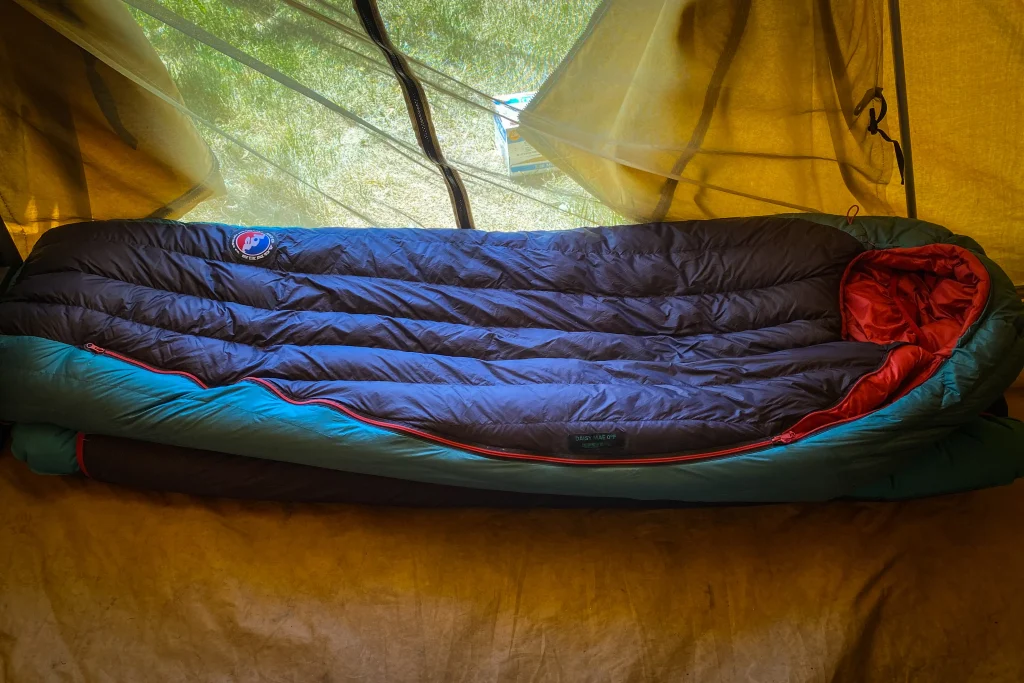
Your Big Agnes sleeping bag is more than just gear—it’s your cozy shelter after a long day outdoors. But to keep it fresh, warm, and ready for every adventure, you need to wash it the right way.
Washing it incorrectly can damage the insulation or fabric, ruining your investment. In this guide, you’ll discover simple, step-by-step tips to clean your Big Agnes sleeping bag safely and effectively. Keep reading to learn how to protect your sleeping bag’s performance and extend its life, so every night in the wild feels just as comfortable as the first.
Choosing The Right Washing Method
Cleaning a Big Agnes sleeping bag takes care and attention. Picking the right washing method protects its insulation and fabric.
Two main ways to wash it include machine washing and hand washing. Each has pros and cons depending on your sleeping bag type.
Machine Wash Vs Hand Wash
Machine washing is faster but can be rough on delicate materials. Hand washing is gentler but takes more time and effort.
- Machine Wash:Use a front-loading washer to avoid damage.
- Hand Wash:Soak the bag in lukewarm water with mild soap.
- Always rinse thoroughly to remove all detergent.
- Dry slowly, avoiding direct heat or sunlight.
Checking Care Labels
Care labels show specific cleaning instructions from the manufacturer. They help you choose the safest washing method.
| Label Symbol | Meaning | Washing Tips |
| Machine Wash Symbol | Safe for machine washing | Use gentle cycle, cold water |
| Hand Wash Symbol | Only hand wash recommended | Use mild detergent, soak gently |
| Do Not Wash Symbol | Do not wash at home | Use professional cleaning services |
Preparing The Sleeping Bag
Proper preparation helps keep your Big Agnes sleeping bag clean and lasting longer. Taking time to remove dirt and handle the zippers carefully protects the material.
Follow these simple steps before washing your sleeping bag to ensure the best care.
Removing Dirt And Debris
Start by cleaning off loose dirt and debris from the sleeping bag’s surface. This prevents dirt from settling deeper during washing.
- Lay the sleeping bag flat on a clean surface.
- Use a soft brush or cloth to gently sweep away dirt.
- Check for sticks, leaves, or small stones in seams or pockets.
- Shake the bag lightly to remove any loose particles.
Unzipping And Fastening
Properly unzipping and fastening the sleeping bag prevents damage to the zipper and fabric during washing.
| Action | Reason |
|---|---|
| Fully unzip the sleeping bag | Allows water and detergent to clean inside evenly |
| Fasten internal draft tubes or Velcro | Keeps insulation layers in place |
| Close any small pockets | Prevents items from falling out |
Selecting Cleaning Products
Choosing the right cleaning products is key for washing your Big Agnes sleeping bag. The wrong detergent can damage the fabric and insulation.
Use gentle products made for delicate or outdoor gear. This keeps your sleeping bag clean and safe to use.
Best Detergents For Sleeping Bags
Pick detergents that are made for down or synthetic sleeping bags. These cleaners protect the insulation and fabric.
Some detergents also remove dirt and odors without leaving residue. This keeps your sleeping bag fresh and fluffy.
- Nikwax Down Wash Direct
- Granger’s Down Wash
- Gear Aid ReviveX Synthetic Cleaner
- Seventh Generation Free & Clear
- Woolite Delicates
Avoiding Harmful Chemicals
Avoid detergents with bleach, fabric softeners, or strong fragrances. These can harm the sleeping bag’s materials.
Harsh chemicals break down the fabric and reduce the bag’s insulation power. Use mild, eco-friendly cleaners instead.
- No bleach or chlorine
- No fabric softeners
- No strong perfumes
- No harsh solvents
Credit: gearjunkie.com
Step-by-step Washing Process
Cleaning your Big Agnes sleeping bag keeps it fresh and extends its life. Washing it the right way avoids damage and loss of warmth.
Follow the steps below to wash your sleeping bag safely and effectively.
Machine Washing Instructions
Use a front-loading washing machine to avoid damage. Top loaders with agitators can harm the sleeping bag.
Wash with gentle detergent made for down or synthetic gear. Avoid bleach and fabric softeners.
- Close all zippers and Velcro to prevent snags.
- Use cold or warm water, not hot.
- Select the gentle cycle for washing.
- Add a small amount of mild detergent.
- Run an extra rinse cycle to remove all soap.
Dry the sleeping bag on low heat with clean tennis balls. This helps keep the insulation fluffy.
Hand Washing Instructions
Fill a large tub or bathtub with lukewarm water. Add a small amount of gentle detergent designed for sleeping bags.
Submerge the sleeping bag and gently press it to soak. Avoid scrubbing or twisting to protect the insulation.
- Let it soak for 15 to 30 minutes.
- Gently squeeze the bag to release dirt.
- Drain the soapy water and refill with clean water.
- Rinse the bag by pressing it several times.
- Repeat rinsing until no soap remains.
Press out excess water without wringing. Lay the bag flat to dry in a shaded area, flipping it often.
Drying Techniques
Drying your Big Agnes sleeping bag properly keeps it clean and fluffy. Using the right drying method saves the insulation inside.
Two main ways to dry your sleeping bag are air drying and using a dryer safely. Both need care to avoid damage.
Air Drying Tips
Air drying is gentle and saves energy. It helps keep your sleeping bag’s shape and loft.
- Find a clean, dry place away from direct sunlight.
- Lay the sleeping bag flat on a clean surface or hang it loosely.
- Turn it over every few hours to dry all sides evenly.
- Make sure the bag is fully dry before storing to avoid mold.
- Use a fan to speed up drying if indoors.
Using A Dryer Safely
Dryers can dry sleeping bags faster. Use low heat to protect the insulation.
| Dryer Setting | Details |
| Low Heat | Prevents melting or damage to fabrics |
| Fluff Cycle | Keeps insulation loft without overheating |
| Dryer Balls | Help separate layers and speed drying |
| Check Frequently | Stop drying once completely dry to avoid damage |
Credit: gearjunkie.com
Maintaining Sleeping Bag Loft And Warmth
Keeping your Big Agnes sleeping bag fluffy is key to staying warm. Washing can reduce loft if done wrong. Proper care helps keep the insulation full and cozy.
Use gentle cleaning methods and dry your sleeping bag well. These steps protect the filling and keep the bag soft and warm for many nights.
Fluffing After Wash
After washing, fluff your sleeping bag to restore loft. Fluffing breaks apart clumped insulation and helps air fill the fibers. This improves warmth and comfort.
- Gently shake the sleeping bag several times.
- Use your hands to break apart any dense areas.
- Lay the bag flat in a warm, dry place.
- Occasionally pat and turn the bag during drying.
- Use a large dryer on low heat with clean tennis balls to help fluff.
Storage Tips
Store your sleeping bag carefully to keep its loft and warmth. Avoid compressing it for long periods. Proper storage keeps insulation from breaking down.
| Storage Method | Why It Helps |
| Use a large cotton storage sack | Allows air flow and prevents compression |
| Hang the bag on a wide hanger | Keeps insulation fluffy and avoids creases |
| Keep in a cool, dry place | Prevents moisture buildup and mildew |
| Avoid storing in tight stuff sacks | Stops permanent compression of insulation |
Common Mistakes To Avoid
Washing a Big Agnes sleeping bag needs care to keep it safe and clean. Mistakes during washing can damage the insulation and fabric. Avoid these common errors to keep your bag in good shape.
Understanding what to avoid helps you extend the life of your sleeping bag. Follow the tips below to prevent damage and maintain warmth.
Using Harsh Detergents
Strong detergents can harm the sleeping bag’s insulation and fabric. They remove natural oils and can cause clumping in down bags.
Washing Too Often
Frequent washing wears out the materials. Only wash your sleeping bag when it is really dirty or smells bad. Spot clean when possible.
Using The Wrong Water Temperature
Hot water can damage the insulation and fabric. Use cold or lukewarm water to protect your sleeping bag.
Improper Drying Techniques
Drying your sleeping bag incorrectly can cause damage. Avoid direct sunlight and high heat from dryers. Use a gentle cycle or air dry instead.
- Do not dry in direct sun for long periods
- Use low heat or air dry to keep insulation fluffy
- Shake the bag often during drying to prevent clumps
Ignoring Manufacturer Care Instructions
Big Agnes provides specific washing and drying instructions. Ignoring these can lead to damage or void your warranty. Always check the label before washing.
Storing While Damp
Putting your sleeping bag away wet or damp causes mold and bad smells. Make sure it is fully dry before storing in a breathable sack or loose bag.
| Mistake | Effect | How to Avoid |
|---|---|---|
| Using Harsh Detergents | Damages insulation and fabric | Use mild, down-specific cleaner |
| Washing Too Often | Wears out the bag quickly | Wash only when needed |
| Wrong Water Temperature | Causes fabric and insulation damage | Use cold or lukewarm water |
| Improper Drying | Clumping and fabric wear | Dry on low heat or air dry |
| Ignoring Care Instructions | Possible damage and warranty loss | Follow label instructions |
| Storing Damp | Mold growth and odor | Store only when fully dry |
Credit: gearjunkie.com
When To Seek Professional Cleaning
Big Agnes sleeping bags need care to stay warm and comfortable. Sometimes, cleaning them yourself is not enough. Knowing when to get professional cleaning helps protect your sleeping bag.
Professional cleaners use special methods that keep the insulation safe. This is important for the bag’s performance and longevity.
Heavy Stains And Odors
If your sleeping bag has tough stains or strong smells that home washing can’t remove, professional cleaning is a good choice. Experts use safe cleaners and techniques to treat these problems without damage.
Damage Or Repairs Needed
When your sleeping bag has tears, broken zippers, or loose seams, take it to professionals. They can clean and repair the bag properly, keeping it in good shape for your trips.
Infrequent Use With Long Storage
If your Big Agnes sleeping bag stays stored for many months, it may gather dust and odors. Professional cleaning before storing or after long storage can refresh and protect the insulation.
- Removes hidden dirt and oils
- Restores loft and warmth
- Prevents mold and mildew
- Extends bag life
Table: Signs You Need Professional Cleaning
| Condition | Reason for Professional Cleaning |
| Deep stains or smells | Home washing can’t remove them safely |
| Rips or broken parts | Needs repair and cleaning together |
| Long storage period | Dust and odors build up over time |
| Loss of loft | Special cleaning restores insulation |
Frequently Asked Questions
How Do I Wash A Big Agnes Sleeping Bag?
Use a front-loading washing machine with cold water and mild detergent. Avoid bleach and fabric softeners. Use a gentle cycle to protect the insulation.
Can I Machine Dry My Big Agnes Sleeping Bag?
Yes, tumble dry on low heat with clean tennis balls. This helps maintain loft and prevents clumping of insulation.
How Often Should I Wash A Big Agnes Sleeping Bag?
Wash after every 4-5 uses or if it gets dirty. Frequent washing reduces insulation life, so spot clean when possible.
What Detergent Is Best For Big Agnes Sleeping Bags?
Use a specialized down or technical gear detergent. Regular detergents can damage insulation and reduce water repellency.
Conclusion
Washing your Big Agnes sleeping bag is simple. Follow the right steps. Use mild detergent and cold water. Always choose a gentle wash cycle. Dry it thoroughly for best results. Proper care keeps it fresh and cozy. Regular maintenance extends its lifespan.
Enjoy more adventures with a clean sleeping bag. A fresh bag means better sleep outdoors. Remember, a clean bag is a happy bag. So, care for it well. Sleeping under the stars will be even better. With these tips, you’re ready for the next camping trip.
Happy camping!