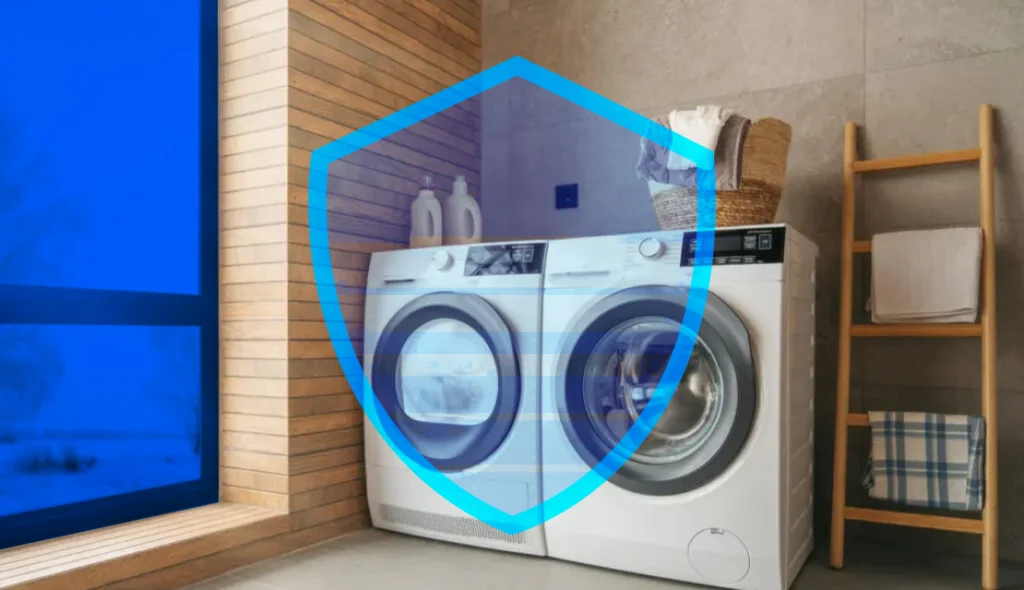
Your washer and dryer work hard every day to keep your clothes fresh and clean. But have you ever thought about cleaning them?
If you don’t wash your washer and dryer regularly, dirt, detergent buildup, and lint can cause bad smells, reduce their efficiency, and even damage your machines. Imagine saving money on repairs and getting your laundry done faster just by following a few simple steps.
Keep reading, and you’ll learn exactly how to clean your washer and dryer quickly and easily—no special tools or skills needed!
.jpg?wid=1200&fmt=webp)
Credit: www.maytag.ca
Why Clean Your Washer And Dryer
Keeping your washer and dryer clean helps them work well. Dirt and lint can build up over time. This causes problems and makes your machines less effective.
Regular cleaning saves money by avoiding repairs. It also keeps your clothes fresh and safe from damage.
Benefits Of Regular Cleaning
Cleaning your washer and dryer often has many good effects. It helps your machines last longer and keeps them safe to use.
- Removes dirt and soap build-up
- Prevents bad smells
- Improves washing and drying performance
- Protects your clothes from stains and damage
- Reduces energy use by making machines efficient
Common Issues From Neglect
Ignoring regular cleaning causes many problems. Lint and grime can block parts and lead to breakdowns. These issues can cost you time and money.
| Issue | Effect |
| Soap and Dirt Build-up | Clothes stay dirty or smell bad |
| Lint Blockage | Dryer overheats and may catch fire |
| Bad Odors | Unpleasant smell on clothes and in laundry room |
| Machine Malfunction | Repairs and replacements cost more |
Tools And Supplies Needed
Cleaning your washer and dryer helps keep them working well. You need the right tools and supplies to do this job safely and effectively.
This guide covers the cleaning agents and essential tools you will use. Gather these items before you start cleaning.
Cleaning Agents
Cleaning agents help remove dirt, mold, and residue from your appliances. Use gentle and safe products to protect your machines.
- White vinegar – breaks down buildup and kills bacteria
- Baking soda – removes odors and stains
- Mild liquid detergent – cleans without damaging parts
- Disinfectant spray – kills germs on surfaces
- Soft brush or sponge – helps scrub away grime
Essential Tools
Having the right tools makes cleaning easier. Keep these items ready to clean your washer and dryer thoroughly.
| Tool | Use |
| Microfiber cloths | Wipe surfaces and dry wet areas |
| Old toothbrush | Clean small parts and crevices |
| Bucket | Hold cleaning solutions and water |
| Screwdriver | Remove lint traps or panels safely |
| Vacuum cleaner with hose | Remove lint and dust from dryer vents |
Washing Machine Cleaning Steps
Cleaning your washing machine keeps it working well and your clothes fresh. Dirt and detergent build-up can cause bad smells and damage.
Follow these simple steps to clean different parts of your washer. This helps stop mold and keeps the machine safe to use.
Cleaning The Drum
Start by wiping the inside of the drum with a damp cloth. Remove any small objects or lint you find.
Use a mixture of water and vinegar or a washing machine cleaner to clean the drum. Run an empty cycle with hot water to rinse it well.
Cleaning Detergent Dispensers
Detergent dispensers often get clogged with soap and fabric softener. Remove the dispenser tray and soak it in warm water.
- Scrub the tray with a soft brush to remove residue.
- Rinse it well under running water.
- Clean inside the dispenser slot with a cloth.
- Put the tray back in place after it dries.
Cleaning The Door Seal
The door seal can trap water and dirt, causing mold and smells. Check the rubber seal around the door carefully.
Tips to clean the door seal:
- Pull back the seal gently to check inside.
- Use a cloth dipped in vinegar or bleach solution to wipe the seal.
- Dry the seal completely with a clean towel.
- Leave the door open after cleaning to air dry.
Running A Cleaning Cycle
Most modern washers have a cleaning cycle. Use this cycle with a washer cleaner or vinegar to freshen the machine.
- Remove all clothes from the washer.
- Pour the recommended cleaner or two cups of vinegar into the drum.
- Select the hottest and longest cycle available.
- Start the cycle and let it run fully.
- After the cycle ends, leave the door open to dry the drum.
Dryer Cleaning Steps
Cleaning your dryer keeps it safe and running well. Dust and lint can build up inside the machine.
Regular cleaning helps stop fires and makes your dryer work better.
Cleaning The Lint Trap
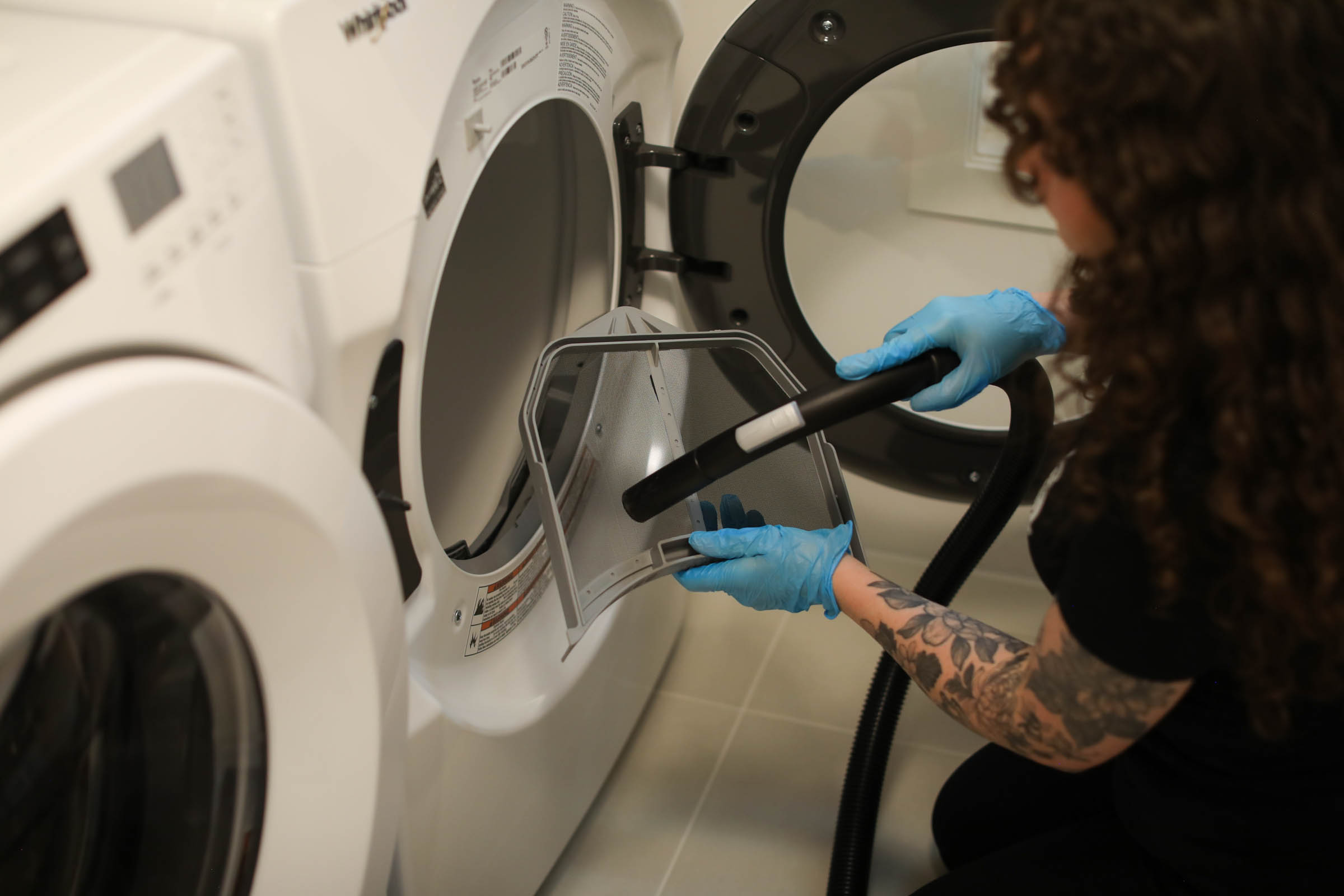
Remove the lint trap screen from your dryer. Take off all lint by hand or with a soft brush.
Wash the screen with warm, soapy water to clear sticky residue. Let it dry before putting it back.
Cleaning The Dryer Drum
Wipe the inside of the drum using a cloth and mild soap. Remove any stains or dirt.
Use a damp cloth to remove soap, then dry the drum with a clean towel.
Cleaning The Vent And Exhaust
Unplug the dryer and move it away from the wall. Disconnect the vent hose carefully.
Use a vacuum or brush to clean out lint from the vent and hose. Make sure air flows freely.
- Check the vent outside your home
- Remove any debris blocking airflow
- Reattach the vent hose tightly
Checking For Blockages
Look inside the vent and exhaust for any large lint clumps or objects. Clear all blockages you find.
Run the dryer for a few minutes after cleaning. Check that warm air flows well from the vent.
Tips For Maintaining Clean Appliances
Keeping your washer and dryer clean helps them work well for a long time. Dirt and detergent build-up can cause problems.
Simple care steps can stop bad smells and keep clothes fresh. Follow these tips to keep your machines clean.
Regular Cleaning Schedule
Set a cleaning routine for your washer and dryer. Clean parts like the drum and seals every few weeks.
- Run an empty hot water cycle with washing machine cleaner monthly.
- Wipe the door seals and detergent drawer after each use.
- Clean the lint filter in the dryer after every load.
- Check vents and ducts for dust at least twice a year.
Using The Right Detergents
Choose detergents made for your type of washer. Using the wrong kind can leave residue and damage the machine.
| Detergent Type | Washer Type | Notes |
| High-Efficiency (HE) | Front-load and HE top-load | Use in small amounts to avoid build-up |
| Regular Detergent | Top-load washers (non-HE) | Use as directed on the label |
| Powder Detergent | All washers | May need dissolving before use |
Avoiding Overloading
Do not put too many clothes in the washer or dryer. Overloading causes poor cleaning and can break parts.
- Leave space for clothes to move freely in the washer.
- Dry small loads to help clothes dry evenly.
- Follow the machine’s load size recommendations in the manual.
Credit: www.housework.com
Troubleshooting Common Problems
Washers and dryers need regular cleaning to work well. Sometimes, they have problems like odors, mold, or slow drying.
This guide will help you fix these common issues. Use these easy tips to keep your appliances fresh and efficient.
Removing Odors
Bad smells in washers can be annoying. They often come from detergent build-up or trapped moisture.
Clean the drum and door seals regularly. Use a solution of vinegar and baking soda for a fresh scent.
- Run an empty cycle with hot water
- Add two cups of white vinegar
- Wipe down seals and doors
Fixing Mold And Mildew
Mold and mildew grow in damp places. They can spread quickly in washers.
Keep the washer door open after use. This helps dry the inside and prevents mold.
- Use less detergent
- Clean the gasket monthly
- Run a cleaning cycle with bleach
Addressing Slow Drying Issues
Dryers may take longer to dry clothes if there is a blockage. Check the lint trap and vent.
Clean the lint filter after each load. Ensure the vent hose is clear and not kinked.
- Remove lint from the trap
- Inspect the vent for blockages
- Ensure proper airflow around the dryer

Credit: www.youtube.com
Frequently Asked Questions
How Often Should I Wash My Washer And Dryer?
You should clean your washer and dryer every 1-3 months. Regular cleaning prevents mold, odors, and buildup, ensuring optimal performance and longer appliance life.
What Is The Best Way To Clean A Washing Machine?
Use a mixture of white vinegar and baking soda. Run a hot water cycle with this solution to remove dirt, detergent residue, and odors effectively.
Can I Use Bleach To Clean My Washer And Dryer?
Yes, bleach can disinfect your washer. Use it sparingly and avoid mixing with other cleaners. For dryers, clean the lint trap and vent instead.
How Do I Clean The Dryer Vent Safely?
Disconnect the dryer, remove the vent hose, and use a vent brush or vacuum to clear lint. This improves efficiency and reduces fire risks.
Conclusion
Keeping your washer and dryer clean saves energy and extends their life. Clean machines work better and smell fresher. Regular washing stops mold and dirt buildup. It also helps your clothes stay cleaner. A simple routine takes only a few minutes.
Stay consistent to avoid costly repairs later. Clean your machines every few months. Your laundry will thank you with better results. Easy steps lead to big benefits. Start today for a fresh, efficient laundry day!