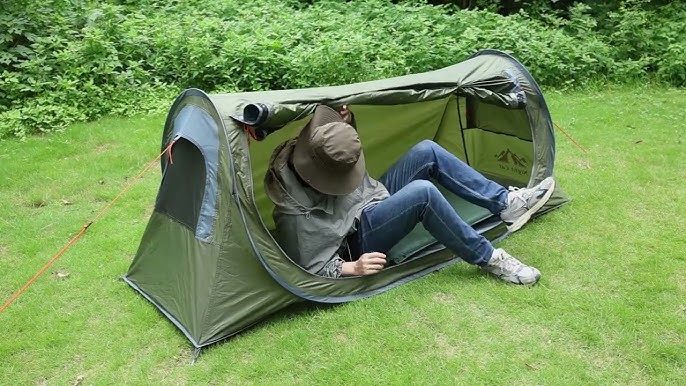
Imagine waking up in your tent to the sound of rain tapping on the fabric. Now, imagine that same rain seeping inside, turning your cozy shelter into a soggy mess.
You don’t want that, right? Waterproofing your tent is the key to staying dry and comfortable no matter what the weather throws at you. In this guide, you’ll discover simple, effective ways to protect your tent from water, so your outdoor adventures stay fun and hassle-free.
Ready to keep the rain out and the good times in? Let’s get started.

Credit: www.youtube.com
Choosing Waterproof Tents
Choosing a waterproof tent helps keep you dry in wet weather. This guide explains key features to look for.
Focus on materials, waterproof ratings, and seam construction. These factors affect how well your tent resists water.
Material Types
Tent fabrics vary in water resistance and durability. Common materials include nylon, polyester, and canvas.
- Nylon:Lightweight and strong but needs a waterproof coating.
- Polyester:Resists water well and keeps shape when wet.
- Canvas:Heavy but naturally water-resistant and breathable.
Waterproof Ratings
Waterproof ratings show how much water a fabric can handle before leaking. They are measured in millimeters (mm).
| Rating | Water Resistance Level |
| 1000 mm | Light rain and drizzle |
| 2000 mm | Moderate rain |
| 3000+ mm | Heavy rain and storms |
Seam Construction
Seams are weak points where water can enter. Good seam construction improves waterproofing.
- Taped seams:Adhesive tape covers the stitch holes to block water.
- Seam sealing:Liquid sealant applied to inside seams for extra protection.
- Welded seams:Fabric pieces joined without stitching for full waterproofing.
Essential Waterproofing Gear
Keeping your tent dry is key for a comfortable camping trip. Using the right waterproofing gear helps protect you from rain and dampness.
Below are important tools and materials that help make your tent water-resistant and ready for wet weather.
Rainflies And Tarps
Rainflies and tarps act as extra layers over your tent. They block rain and stop water from soaking through the fabric.
- A rainfly is a fitted cover that goes over your tent.
- Tarps are flat sheets you can place under or above the tent.
- Both help direct water away from your tent’s body.
- Choose waterproof materials like nylon or polyethylene for best protection.
Seam Sealers
Seams are weak spots where water can enter. Seam sealers fill these gaps and strengthen the tent’s waterproofing.
| Type | Use | Drying Time |
| Liquid Seam Sealer | Brush or squeeze onto seams | 24 hours |
| Seam Tape | Apply adhesive tape over seams | Immediate |
| Seam Sealant Stick | Rub on seams for small repairs | 1-2 hours |
Waterproof Sprays
Waterproof sprays add a protective coating to tent fabric. They help repel water and keep the material dry.
Tips for using waterproof sprays:
- Clean and dry the tent before spraying.
- Apply evenly over all fabric surfaces.
- Let the spray dry fully before packing the tent.
- Reapply spray regularly for best results.
Preparing Your Tent For Waterproofing
Waterproofing your tent keeps you dry during rain. Proper preparation helps the waterproofing last longer.
Clean, dry, and check your tent before applying any waterproof coating. This makes the process more effective.
Cleaning The Tent Fabric
Remove dirt and dust from the tent fabric. Clean fabric helps the waterproof coating stick better.
Use a soft brush and mild soap with water. Avoid harsh chemicals that can damage the fabric.
- Brush off loose dirt gently
- Mix mild soap with warm water
- Use a sponge or soft cloth to wipe fabric
- Rinse with clean water
- Do not use bleach or strong detergents
Drying Techniques
Dry your tent completely before waterproofing. Wet fabric can stop the coating from working well.
Set up your tent in a shaded, airy place. Avoid direct sunlight to prevent fabric damage.
- Hang the tent or spread it flat
- Let air circulate around all sides
- Check for damp spots before applying waterproofing
- Do not use heaters or dryers
Inspecting For Damage
Look for holes, tears, or weak spots in your tent fabric. Fix these before waterproofing.
Check zippers and seams for problems. Small repairs help keep water out after waterproofing.
- Examine fabric closely under good light
- Patch holes with repair tape or patches
- Apply seam sealer to leaking seams
- Test zippers to ensure they close properly
Applying Seam Sealant
Waterproofing your tent is vital for a dry camping experience. Applying seam sealant is a key step in this process.
This guide will help you choose the right sealant, apply it correctly, and know how long it should dry.
Choosing The Right Sealant
Selecting the proper sealant ensures your tent stays waterproof. Consider the material of your tent and the type of sealant.
- For nylon tents, use a silicone-based sealant.
- For canvas tents, a polyurethane-based sealant works best.
- Check product labels for compatibility with your tent material.
Step-by-step Application
Applying seam sealant involves careful preparation and application. Follow these steps for best results.
- Set up your tent in a dry, well-ventilated area.
- Clean the seams with a damp cloth and let them dry.
- Use a brush or applicator to apply sealant to the seams.
- Press the sealant into the seams with gentle pressure.
Drying And Curing Times
Proper drying and curing ensure the sealant is effective. Let the sealant dry fully before using the tent.
| Sealant Type | Drying Time | Curing Time |
| Silicone-Based | 6 hours | 24 hours |
| Polyurethane-Based | 4 hours | 12 hours |
Using Waterproof Sprays Correctly
Waterproof sprays help keep your tent dry during wet weather. They add a protective layer that stops water from soaking in. Using these sprays the right way improves your tent’s protection.
Understanding the types of sprays and how to apply them helps your tent last longer. You also need to know when to reapply the spray for the best results.
Types Of Waterproof Sprays
There are several waterproof sprays made for tents. Each type works a bit differently. Choose one that fits your tent material and needs.
- Silicone-based sprays: Create a strong water barrier. Good for nylon and polyester tents.
- Fluoropolymer sprays: Repel water and dirt. Often used for more durable protection.
- Wax-based sprays: Natural option that works well on cotton tents.
- Polyurethane sprays: Form a flexible layer that keeps water out but lets fabric breathe.
Application Tips
Apply waterproof spray in a clean, dry place. Make sure your tent is free of dirt and dust before spraying.
Hold the spray can about 6 to 8 inches from the fabric. Spray evenly in light coats to avoid soaking the material.
- Test spray on a small area first to check for color change.
- Spray outside or in a well-ventilated area to avoid inhaling fumes.
- Apply multiple thin layers rather than one thick coat.
- Allow each coat to dry fully before adding another.
- Cover seams and high-wear areas carefully for extra protection.
Reapplying Frequency
Waterproof sprays wear off over time. The spray’s effectiveness drops after heavy rain or long use.
Check your tent regularly for water absorption spots. Reapply the spray if water starts soaking in.
- Reapply every 6 to 12 months for tents used often.
- Apply after washing your tent or heavy rain.
- Store the tent dry and clean to keep the spray working longer.

Credit: www.amazon.ca
Setting Up A Rainproof Campsite
Keeping your tent dry is important for a comfortable camping trip. A rainproof campsite helps protect you from wet weather. Planning and setting up your tent correctly can stop water from getting inside.
This guide covers how to pick the best spot, pitch your tent for drainage, and use ground tarps. These steps will help you stay dry during rain.
Choosing The Right Location
Select a campsite that is on high ground. Avoid low spots where water can collect. Look for natural slopes that help rainwater run off.
Stay away from areas near rivers or lakes that may flood. Also, avoid camping under trees with dead branches that can fall in strong wind or rain.
Pitching Techniques For Drainage
Set your tent so the door faces away from wind and rain. Angle the tent slightly downhill to let water flow away. Tighten all tent ropes and stakes to keep it firm.
Use the rainfly correctly. Make sure it covers the tent fully and is stretched tight. This stops rain from pooling on top.
- Face tent door away from wind
- Pitch tent on a slight slope
- Tighten all ropes and stakes
- Secure rainfly fully and tightly
Using Ground Tarps
Place a ground tarp under your tent for extra protection. Use a tarp that is slightly smaller than the tent floor. This prevents water from collecting under the edges.
Make sure the tarp is flat and wrinkle-free. Avoid letting water pool on top of the tarp. The tarp helps keep moisture from seeping into the tent floor.
- Use a tarp slightly smaller than tent floor
- Lay tarp flat with no wrinkles
- Keep tarp edges inside tent perimeter
- Check tarp for holes or tears before use
Maintaining Tent Waterproofing
Keeping your tent waterproof helps it last longer and keeps you dry. Regular care can protect the fabric and seams.
Good habits before and after camping keep the waterproof coating strong. Follow these tips to maintain your tent.
Regular Cleaning
Clean your tent after every trip. Dirt and oils can break down the waterproof coating over time.
Use a soft brush and warm water. Avoid strong soaps or detergents that can harm the fabric.
- Remove mud and debris gently
- Spot clean stains with mild soap
- Rinse off all soap to avoid residue
- Let the tent dry fully before storing
Avoiding Damage
Keep sharp objects away from your tent. Holes and tears reduce waterproofing and let water in.
Handle zippers and poles with care. Rough use can damage tent parts and weaken protection.
- Set up tent on smooth ground
- Use a groundsheet to protect the floor
- Repair small tears immediately
- Keep tent away from fire and heat
Storage Best Practices
Store your tent dry and cool. Moisture can cause mold and damage the waterproof layer.
Fold the tent loosely to avoid creases. Tight packing can weaken waterproof coatings over time.
- Dry tent completely before packing
- Store in a breathable bag, not plastic
- Keep away from direct sunlight
- Check tent condition before each trip
Troubleshooting Common Issues
Waterproofing a tent keeps you dry and safe outdoors. Sometimes problems appear even after waterproofing. This guide helps fix common issues fast.
Check your tent often. Fix leaks, mold, and tears quickly to keep your tent in good shape.
Fixing Leaks
Leaks can let water inside your tent. Find the leak by shining a light inside the tent while it is wet. Mark the spots to repair.
- Clean the area around the leak with mild soap and water.
- Dry the area completely before applying any patch or sealant.
- Use a waterproof patch or repair tape made for tents.
- Press the patch firmly and let it dry for the time the product says.
- Test the repair by spraying water on the area after it dries.
Handling Mold And Mildew
Mold and mildew grow in damp tents. They smell bad and can damage the fabric. Clean your tent to stop mold from spreading.
| Cleaning Step | Details |
| Air Out | Open the tent fully and let it dry in sunlight. |
| Brush Off | Use a soft brush to remove loose mold spots. |
| Wash | Mix water with mild soap and scrub gently with a sponge. |
| Rinse | Rinse well with clean water to remove soap. |
| Dry | Dry the tent completely before storing. |
Repairing Tears
Tears weaken your tent and cause leaks. Fix small tears fast to stop them from growing.
Use this method to repair small tears:
- Trim any loose threads around the tear.
- Clean and dry the area well.
- Apply a tent repair patch or fabric glue over the tear.
- Press down firmly and let it cure for the recommended time.
- Check the repair before your next trip.
Credit: www.battlbox.com
Frequently Asked Questions
How Do I Waterproof A Tent Effectively?
To waterproof a tent, clean the fabric first. Apply a silicone or polyurethane spray evenly. Pay extra attention to seams and zippers. Let the tent dry completely before use. Reapply the treatment yearly for best protection.
What Materials Help Waterproof Tents Best?
Silicone and polyurethane sprays are best for waterproofing tents. They create a durable water-repellent layer. Seam sealers help protect stitch holes. Avoid using wax on synthetic tent fabrics, as it can damage them.
How Often Should I Waterproof My Tent?
Waterproof your tent annually or before every camping season. If you notice leaks or water absorption, reapply sooner. Regular maintenance keeps your tent dry and extends its lifespan.
Can I Waterproof A Tent Without Buying Special Products?
Yes, you can use household items like beeswax or candle wax. Rub the wax on the fabric and melt it with a hairdryer. However, this method is less durable than commercial waterproof sprays.
Conclusion
Waterproofing your tent keeps you dry and comfortable outdoors. Use the right products and follow simple steps carefully. Check seams and fabric regularly for leaks. Store your tent properly to protect its waterproof layer. A little effort goes a long way in bad weather.
Stay prepared and enjoy your camping trips without worry. Waterproofing your tent means peace of mind during rain. Simple care helps your tent last many seasons. Ready for your next adventure?