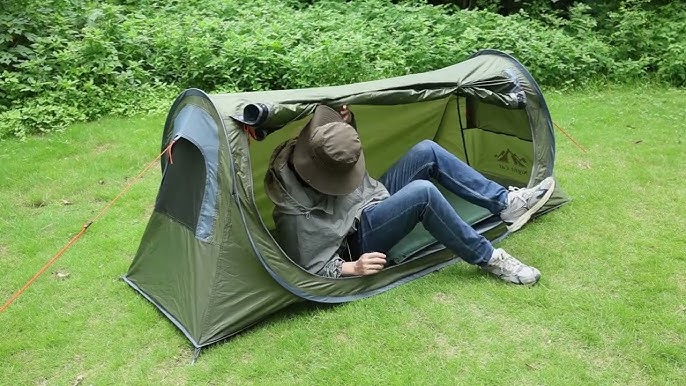
Imagine waking up to the sound of rain tapping on your tent roof. Now, imagine that rain turning into a steady downpour—and your tent starts leaking.
Nobody wants a soggy sleeping bag or damp clothes on a camping trip. That’s why knowing how to waterproof a tent is a game-changer for your outdoor adventures. Whether you’re a beginner or a seasoned camper, this guide will show you simple, effective ways to keep your tent dry and comfortable.
Stick with me, and you’ll never have to worry about rain ruining your trip again.
Choosing The Right Tent Material
Choosing the right material is key to making your tent waterproof. The fabric affects how well your tent keeps out water and lasts over time.
Different materials offer varying levels of protection. This guide explains what to look for in waterproof fabrics.
Types Of Waterproof Fabrics
Tent fabrics come in many types. Some are naturally water-resistant, while others have coatings to block rain.
- Polyester: Lightweight and dries quickly.
- Nylon: Strong and easy to pack.
- Canvas: Heavy but very durable and breathable.
- Silicone-coated fabrics: Highly waterproof and tear-resistant.
- Polyurethane-coated fabrics: Common and affordable waterproof option.
Durability And Breathability
Durability means how long the material lasts without damage. Breathability lets moisture escape to reduce inside condensation.
| Material | Durability | Breathability |
|---|---|---|
| Polyester | Moderate | Low |
| Nylon | High | Low |
| Canvas | Very High | High |
| Silicone-coated | High | Low |
| Polyurethane-coated | Moderate | Low |
Uv Resistance Factors
UV resistance protects your tent from sun damage. Some fabrics break down faster in sunlight than others.
Look for tents with these UV features:
- UV protective coatings on fabric
- Materials that resist fading and cracking
- Colors that reflect sunlight well
Credit: www.battlbox.com
Essential Waterproofing Products
Waterproofing a tent keeps you dry during wet weather. Using the right products helps protect your tent fabric and seams.
These products add a barrier that stops water from soaking through your tent. Each product serves a special purpose.
Waterproof Sprays And Sealants
Waterproof sprays and sealants coat the tent fabric with a water-repellent layer. They prevent water from soaking into the material.
These sprays are easy to apply and dry quickly. Sealants can also fill small holes or cracks on the fabric.
- Apply evenly on clean, dry fabric
- Allow full drying before packing the tent
- Use spray products outdoors or in a ventilated area
- Reapply after heavy rain or every camping season
Seam Tapes And Sealers
Seam tapes and sealers protect the tent seams where water can leak in. These are critical areas to waterproof well.
Seam tapes stick over the stitches to block water. Sealers are liquids applied along seams to fill gaps and cracks.
- Clean seams before applying tape or sealer
- Press tape firmly to remove air bubbles
- Let seam sealer dry fully before use
- Check seams regularly for wear or damage
Waterproofing Washes
Waterproofing washes are liquid treatments added during cleaning. They restore the tent’s water-repellent coating.
These washes help maintain waterproofing without damaging the fabric. They are gentle and safe for frequent use.
- Use with mild detergent during tent cleaning
- Follow product instructions for best results
- Do not overuse to avoid fabric buildup
- Apply regularly to keep fabric water-resistant
Preparing The Tent For Waterproofing
Before waterproofing a tent, it is important to prepare it well. Proper preparation helps the waterproof coating stick better and last longer.
Preparing includes cleaning the tent, checking for damage, and removing old coatings. These steps make sure the tent is ready for a fresh waterproof layer.
Cleaning And Drying
Start by cleaning your tent to remove dirt, dust, and old stains. Use a soft brush and mild soap with water.
Rinse the tent well and let it dry completely in the sun or a dry place. Never waterproof a wet or damp tent.
- Use gentle soap only; avoid bleach or strong chemicals
- Brush off loose dirt before washing
- Air dry the tent fully to prevent mold
Inspecting For Damage
Check the tent fabric for holes, tears, or worn spots. Look closely at seams and corners.
Fix any damage before waterproofing. Small tears can be patched with fabric repair kits.
- Look for holes or rips in the fabric
- Check if seams are coming apart
- Repair tears or weak spots before coating
Removing Old Waterproof Coatings
Old waterproof coatings can crack and peel. Removing them helps the new coating stick better.
Use a soft cloth or sponge with warm water and mild soap to gently scrub off old coatings. Avoid harsh scrubbing that can damage fabric.
- Test a small area first to see how easily old coating comes off
- Do not use strong chemicals that can harm the tent fabric
- Rinse and dry the tent fully after removing old coating

Credit: www.popularmechanics.com
Step-by-step Waterproofing Process
Waterproofing your tent helps keep you dry during rain. This guide shows easy steps to protect your tent from water.
Follow these simple actions to extend your tent’s life and keep it safe from leaks.
Applying Waterproof Spray
Start by cleaning your tent to remove dirt and dust. Let it dry fully before spraying. Hold the spray about six inches away from the fabric. Apply an even coat on the outside surface. Avoid soaking one spot to prevent damage.
- Use a waterproof spray made for tents
- Spray in a well-ventilated area
- Cover all fabric areas except mesh windows
- Allow the spray to dry before moving on
Sealing Tent Seams
Seams are common places for leaks. Use seam sealer to protect these areas. Clean the seams and let them dry first. Apply sealer with a small brush along each seam. Let it dry completely to form a strong barrier.
| Tool | Purpose |
| Seam sealer | Blocks water from entering through stitching |
| Small brush | Applies sealer evenly |
| Clean cloth | Removes dirt before sealing |
Treating The Rainfly
The rainfly needs extra care since it faces the most water. Spray the waterproofing spray on both sides. Check for any holes or tears and repair them. Use patches or fabric glue to fix damage. This step keeps rain from soaking through.
- Spray evenly on top and underside
- Inspect for damage before each trip
- Store rainfly dry to avoid mold
Drying And Curing Time
After applying sprays and sealers, let your tent dry in a shaded area. Avoid direct sunlight. Drying can take from 6 to 24 hours. Check the product instructions for exact curing time. Do not fold the tent until it is fully dry to keep waterproofing intact.
Maintaining Waterproof Protection
Keeping your tent waterproof is important for a dry and comfortable camping trip. Regular care helps protect the fabric and seams from water damage.
Simple steps like cleaning, reapplying coatings, and storing your tent right can extend its waterproof life. These small efforts save you from wet nights outdoors.
Regular Cleaning Tips
Clean your tent after every trip to remove dirt and grime. Dirt can clog the fabric and reduce waterproofing.
Use a soft brush or sponge with cold water. Avoid harsh detergents as they can damage the waterproof coating.
- Shake out loose dirt before cleaning
- Spot clean stains gently
- Let the tent dry completely before packing
Reapplying Waterproof Coatings
Over time, the waterproof coating on your tent wears off. Reapply it to keep the fabric water-resistant.
Use a spray-on or wash-in waterproofing product made for tents. Follow the product instructions carefully for best results.
- Clean the tent before applying any coating
- Apply coating evenly on all fabric surfaces
- Allow the tent to dry fully after treatment
- Test waterproofing by sprinkling water on fabric
Storage Best Practices
Store your tent in a cool, dry place away from sunlight. Heat and moisture can break down waterproof coatings.
Keep the tent loosely folded or rolled. Avoid tight packing that can crease and weaken the fabric.
- Make sure the tent is completely dry before storing
- Avoid plastic bags that trap moisture
- Use a breathable storage bag or sack
- Check tent condition before each use
Additional Tips For Rainy Conditions
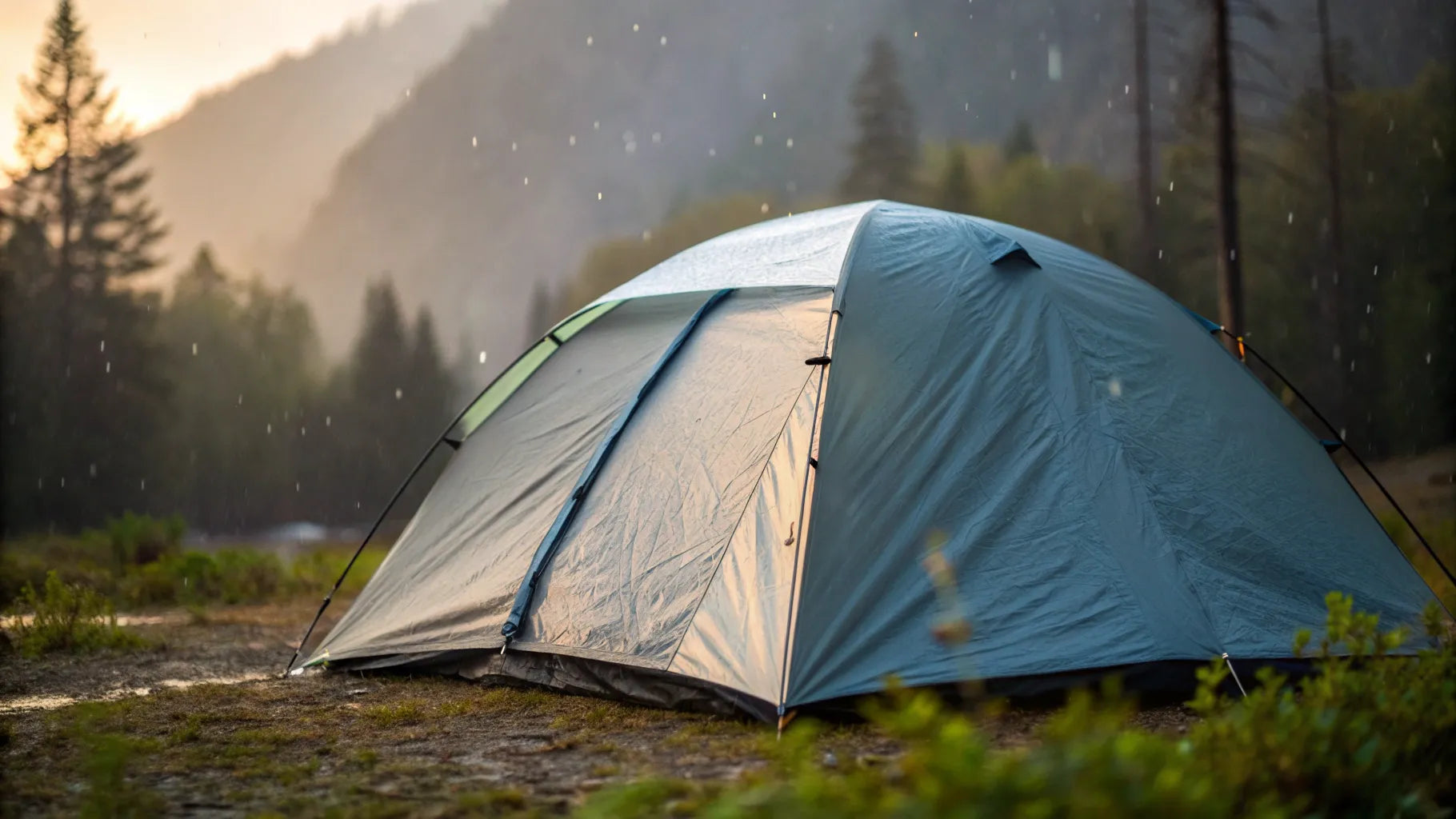
Camping in the rain needs extra care to keep your tent dry. Small steps help you stay comfortable and safe. Use these tips to make your tent waterproof and cozy during wet weather.
Good preparation prevents water from causing damage or discomfort. Focus on your campsite, ground protection, and air flow to reduce moisture inside your tent.
Choosing The Best Campsite
Pick a spot that keeps water away from your tent. Avoid low areas where water collects after rain. Look for higher, flat ground with natural drainage.
- Find a level area that does not slope inward
- Stay clear of riverbanks or dry stream beds
- Use natural barriers like bushes or trees to block wind and rain
- Check the ground for sharp rocks or roots before setting up
Using Ground Tarps
A ground tarp adds a strong layer between your tent floor and wet ground. It keeps moisture out and protects your tent from damage. Choose a tarp slightly smaller than your tent floor.
| Ground Tarp Tips | Reason |
| Use waterproof material | Stops water from soaking through |
| Keep tarp edges inside tent edges | Prevents rainwater from collecting under tent |
| Secure tarp tightly | Stops slipping and bunching |
| Dry tarp before packing | Prevents mold and mildew |
Ventilation To Prevent Condensation
Ventilation lowers moisture inside your tent. Wet air escapes and fresh air enters. This stops water drops from forming inside your tent walls.
- Open vents or windows slightly during rain
- Use mesh panels to keep bugs out while letting air flow
- Avoid sealing your tent completely
- Keep wet gear outside or in vestibules
Credit: www.battlbox.com
Frequently Asked Questions
How Do I Waterproof A Tent Quickly?
To waterproof a tent quickly, clean the fabric first. Apply a waterproof spray evenly on all surfaces. Allow it to dry fully before use. Focus on seams and corners for extra protection.
What Materials Help Waterproof A Tent Best?
Silicone and polyurethane sprays are top choices for waterproofing tents. They create a durable, water-repellent barrier. Seam sealers also prevent leaks at stitched areas. Use products specifically designed for tent fabrics.
Can I Waterproof An Old Tent Effectively?
Yes, you can waterproof an old tent. Clean it thoroughly and repair any tears first. Then apply a high-quality waterproof spray and seam sealer. This restores water resistance and prolongs the tent’s life.
How Often Should I Reapply Waterproofing On Tents?
Reapply waterproofing every 1 to 2 years or after heavy use. Check for water absorption or leaks regularly. Reapplying ensures the tent stays water-resistant and protects you during wet weather.
Conclusion
Waterproofing your tent ensures a dry camping experience. Follow the steps carefully. Clean your tent, apply seam sealant, and spray waterproofing solution. Let it dry completely. Test the waterproofing by spraying water. This process protects your gear from rain. Camping becomes more enjoyable with a dry tent.
Waterproofing increases your tent’s lifespan. Regular maintenance is key. Happy camping adventures await with a well-protected tent!