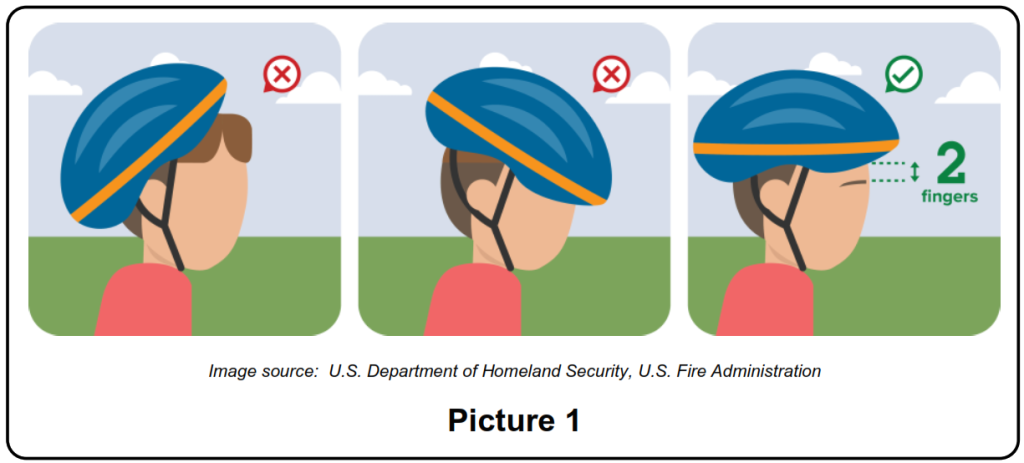
Wearing a bike helmet might seem simple, but are you sure you’re doing it right? Your helmet is your best defense against serious head injuries, yet many people wear it the wrong way without even realizing it.
This guide will show you exactly how to wear a bike helmet so it fits perfectly, stays secure, and keeps you safe every time you ride. Keep reading to protect yourself better and enjoy every ride with confidence.

Credit: www.safetyandhealthmagazine.com
Choosing The Right Helmet
Picking the right bike helmet helps keep you safe on every ride. A good helmet fits well and meets safety rules.
Learn about helmet types, size, fit, and safety marks to find the best one for you.
Types Of Bike Helmets
Different helmets suit different rides. Choose one that matches your biking style.
- Road Helmets:Lightweight with good ventilation for speed and comfort.
- Mountain Bike Helmets:Stronger with extra coverage and a visor for rough trails.
- Commuter Helmets:Designed for city rides, often with lights or reflective parts.
- Full-face Helmets:Cover the whole head, best for downhill or extreme biking.
Helmet Size And Fit
A helmet must fit snugly without pressure points. It should stay in place during movement.
| Fit Check | How to Test |
| Snug Fit | Helmet should not move side to side or front to back. |
| Level Placement | Helmet sits level on your head, not tilted. |
| Strap Tightness | Straps form a V under your ears and fasten firmly under your chin. |
| Comfort | No pain points or pinching after wearing for a few minutes. |
Safety Certifications To Look For
Check for safety labels to ensure your helmet meets rules and protects well.
- CPSC:Required in the USA for bike helmets.
- EN 1078:European standard for bike helmets.
- ASTM F1447:Covers additional safety tests.
- Snell B90/B95:Higher safety standards for impact protection.

Credit: www.rudyprojectna.com
Proper Helmet Positioning
Wearing a bike helmet the right way helps keep your head safe. A helmet that fits well protects you better in a fall.
Focus on how the helmet sits on your head, how the straps are adjusted, and how tight it feels. These steps ensure your helmet works well.
Helmet Placement On The Head
Place the helmet level on your head. It should sit low on your forehead, just above your eyebrows.
A helmet worn too far back will not protect your forehead. Make sure the front edge covers your forehead properly.
Adjusting The Straps
Adjust the side straps so they form a “V” shape below your ears. The straps should sit comfortably against your skin.
Buckle the chin strap and tighten it. You should be able to fit one or two fingers between the strap and your chin.
- Side straps form a “V” under the ears
- Chin strap is snug but not too tight
- Check straps for twists and fix them
Ensuring A Snug Fit
The helmet should feel snug but not painful. It should not move when you shake your head.
If the helmet moves, tighten the straps or try a smaller size. A loose helmet can fail to protect you.
- Helmet stays in place when you move
- No large gaps between helmet and head
- Adjust straps or size for comfort
Common Helmet Mistakes
Wearing a bike helmet is important for safety. Many people make simple mistakes that reduce protection. Knowing these errors helps you wear your helmet correctly.
Below are common mistakes to avoid when using a bike helmet. Fixing them can keep you safer on the road.
Wearing The Helmet Too High Or Low
Placing the helmet too high on your head leaves your forehead exposed. Wearing it too low can block your vision. The helmet should sit level and cover your forehead well.
- Position helmet about one inch above your eyebrows
- Ensure it covers the forehead without blocking eyes
- Check the fit by moving the helmet forward and backward
- Adjust until it feels snug and stable
Loose Or Twisted Straps
Straps that are loose or twisted reduce helmet stability. They might cause the helmet to fall off in a crash. Always adjust straps to fit securely under your chin.
| Common Strap Mistake | Why It’s a Problem | How to Fix It |
|---|---|---|
| Loose straps | Helmet moves or slips off | Tighten straps until snug but comfortable |
| Twisted straps | Uneven pressure and discomfort | Straighten straps flat against skin |
| Chin strap too high or low | Can cause helmet tilt | Position chin strap just below chin |
Using Damaged Helmets
Helmets lose protection after damage. Cracks, dents, or worn straps reduce safety. Never use a helmet if it is damaged or past its expiration date.
- Visible cracks or dents on the shell
- Foam inside is compressed or cracked
- Straps are frayed or broken
- Helmet is over 5 years old
- Helmet was in a crash
Maintaining Helmet Safety
Wearing a bike helmet protects your head during falls or crashes. Keeping your helmet safe means checking it often and caring for it well.
Regular maintenance helps your helmet work correctly every time you ride. Follow simple tips to keep your helmet strong and clean.
Regular Inspection Tips
Look at your helmet before each ride. Check for cracks, dents, or any damage on the shell and foam inside.
Make sure straps and buckles are not worn out and work well. Loose or broken parts can reduce safety.
- Inspect shell for cracks or deep scratches
- Check foam lining for dents or compression
- Test straps for tears or fraying
- Make sure buckles click and hold firmly
- Replace any broken or missing parts
When To Replace Your Helmet
Replace your helmet after a crash, even if it looks fine. Impact can weaken its protection without visible damage.
Helmets also wear out over time. Most experts say to replace helmets every five years.
- Replace helmet after any crash or hard impact
- Change helmet if foam feels soft or cracked
- Replace if straps or buckles break
- Follow the manufacturer’s expiration date
Cleaning And Storage Advice
Keep your helmet clean by wiping it with a damp cloth. Use mild soap if needed. Avoid harsh chemicals that can damage materials.
Store your helmet in a cool, dry place. Do not leave it in direct sunlight or hot cars. Heat can weaken the helmet’s protection.
- Wipe helmet shell and straps with mild soap
- Let helmet air dry away from heat sources
- Store helmet on a shelf or in a bag
- Avoid stacking heavy items on top
- Keep away from chemicals and solvents
Additional Safety Gear
Wearing a bike helmet is important, but adding other safety gear can protect you more. These items help keep you safe in different conditions.
Use extra gear to improve your visibility and protect your eyes. This gear also helps others see you better on the road.
Eye Protection Options
Eye protection stops dust, bugs, and wind from hurting your eyes. It also helps you see clearly while riding.
Choose glasses or goggles that fit well and do not fog up. Some have UV protection to shield your eyes from the sun.
- Clear lenses for night or low light
- Tinted lenses for sunny days
- Wrap-around styles to block wind
- Anti-fog coatings for moisture
Reflective Clothing And Accessories
Reflective clothing makes you visible to drivers in the dark. It shines when light hits it, showing your position.
Wear reflective vests, jackets, or bands on your arms and legs. You can also add reflective tape to your backpack or bike.
- Vests and jackets with reflective strips
- Reflective wrist and ankle bands
- Reflective stickers for helmet and bike
- Bright colors improve daytime visibility
Lights And Visibility Enhancements
Lights help drivers see you at night and in bad weather. Use front and rear lights on your bike for safety.
Flashing lights catch attention better than steady ones. Some lights have different modes for day and night use.
- White front light for seeing ahead
- Red rear light to warn drivers behind
- Flashing mode to increase attention
- Helmet lights for extra visibility
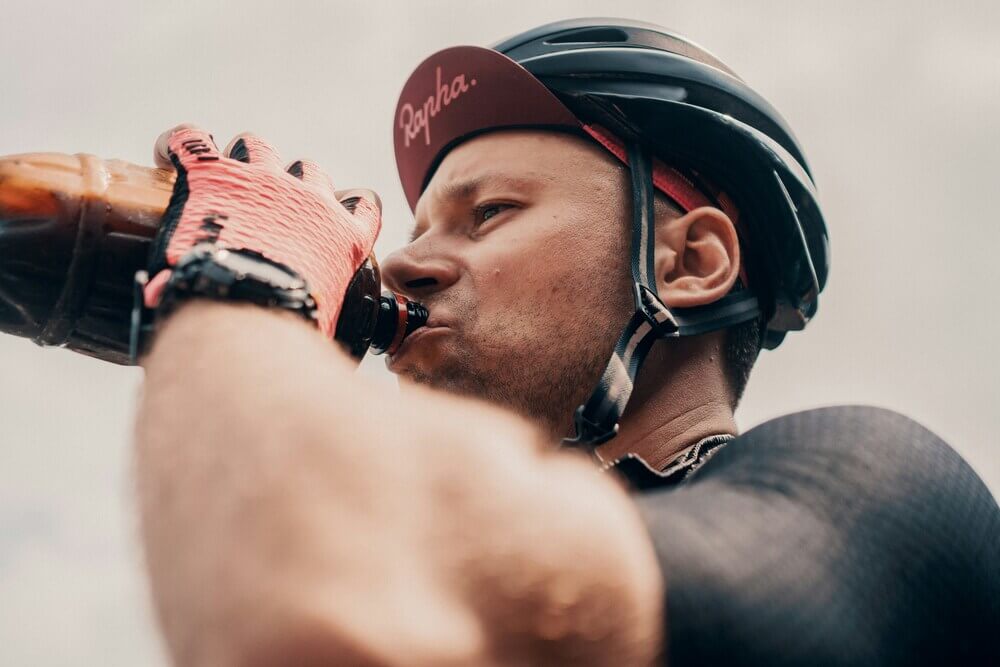
Credit: www.swinnertoncycles.co.uk
Helmet Laws And Regulations
Wearing a bike helmet is important for safety. Many places have laws about helmet use. These laws help reduce injuries in accidents.
Knowing the rules in your area helps you stay safe and avoid fines. Helmet laws vary by location and age.
Local Helmet Requirements
Different cities and states have their own helmet laws. Some require helmets for all riders. Others only require them in certain situations.
Check your local laws before riding. They tell you if helmets are needed and what kind of helmets are allowed.
- Some places require helmets for all ages
- Others only require helmets on busy roads
- Rules may differ for electric bikes and scooters
Age-specific Rules
Helmet laws often change based on age. Many areas require children to wear helmets. Adults may have fewer restrictions.
Some places only require helmets for riders under a certain age. This helps protect younger, less experienced cyclists.
- Children under 18 usually must wear helmets
- Some areas set the age limit at 16 or 21
- Adults might not be legally required to wear helmets
Penalties For Non-compliance
Not following helmet laws can lead to penalties. These punishments encourage riders to wear helmets. Fines are the most common penalty.
In some cases, repeated offenses can cause higher fines or other legal actions.
- First offenses usually result in small fines
- Repeat violations can lead to larger fines
- Some places may require safety courses after multiple offenses
Frequently Asked Questions
How Tight Should A Bike Helmet Fit?
A bike helmet should fit snugly without causing discomfort. It must not move side to side or front to back. Use the adjustable straps and dial to ensure a secure fit that protects your head effectively during a ride.
Where Should The Bike Helmet Sit On Your Head?
The bike helmet should sit level on your head, about 1-2 finger widths above your eyebrows. This placement protects your forehead and maximizes safety. Avoid tilting the helmet backward or forward for optimal coverage and impact protection.
How To Adjust Bike Helmet Straps Correctly?
Adjust the side straps to form a “V” shape under your ears. Buckle the chin strap and tighten it so only one or two fingers fit underneath. Proper strap adjustment keeps the helmet stable and secure during cycling.
When Should You Replace Your Bike Helmet?
Replace your bike helmet every 3-5 years or immediately after a crash. Helmets lose effectiveness over time and after impacts. Regular replacement ensures your head receives the best possible protection while cycling.
Conclusion
Riding safely starts with wearing your bike helmet properly. It’s crucial for protection. Make sure it fits snugly and covers your forehead. Adjust the straps so they form a V under your ears. The helmet should not wobble. Remember, a good fit can prevent serious injuries.
Always check for any damage before each ride. Replace your helmet after a crash or every few years. Wearing it right boosts your safety on the road. Stay smart, stay safe. Enjoy your ride with peace of mind.