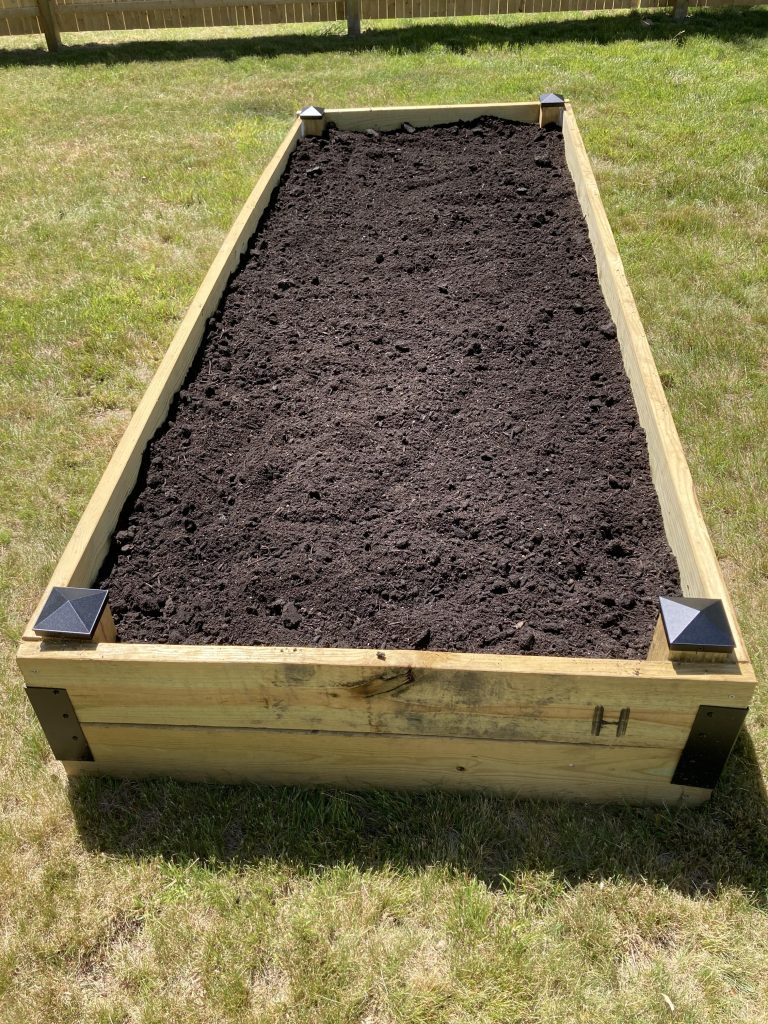
Are you planning to build a raised garden bed but aren’t sure how wide it should be? Choosing the right width is more important than you might think.
It affects how easily you can reach your plants, how much space you’ll need, and even how well your garden grows. You’ll discover the ideal width that makes gardening comfortable and productive. Keep reading, and you’ll learn simple tips to create the perfect raised bed tailored just for you.
Ideal Width For Raised Beds
Choosing the right width for raised garden beds is important. The width affects how easy it is to reach plants and how much space you have for growing.
This guide explains the best widths for raised beds. It helps balance working comfort and planting area.
Balancing Accessibility And Space
Raised beds should be wide enough to hold many plants. They also need to be narrow enough to reach the middle without stepping inside.
- Most people find 3 to 4 feet wide beds easy to manage.
- At 3 feet wide, you can reach the center from each side without stretching.
- Beds wider than 4 feet may need paths or stepping stones to avoid soil compaction.
- Narrow beds under 2 feet limit planting space but are easy to reach fully.
Common Width Ranges
Raised beds come in different widths. Below is a table showing common sizes and their benefits.
| Width | Benefits | Considerations |
| 2 feet (60 cm) | Easy to reach across | Limited planting area |
| 3 feet (90 cm) | Good balance of space and reach | Most popular size |
| 4 feet (120 cm) | Larger planting area | May need stepping stones |
| 5 feet (150 cm) or more | Maximize growing space | Harder to reach center |
Factors Influencing Bed Width
The width of a raised garden bed depends on several key factors. Choosing the right width helps plants grow well and makes gardening easier.
Consider your own reach, the plants you want to grow, and how much space you have for your garden.
Gardener’s Reach And Comfort
Your bed should be narrow enough to reach the center without stepping inside. This keeps soil firm and plants safe. Most gardeners find 3 to 4 feet wide is easy to manage.
- Reach across bed without strain
- Avoid stepping on soil to prevent compaction
- Consider your height and arm length
- Leave space for tools and kneeling
Types Of Plants Grown
Plant size affects bed width. Small plants need less room, while large vegetables require more space.
| Plant Type | Recommended Bed Width |
| Leafy Greens | 2 to 3 feet |
| Root Vegetables | 3 to 4 feet |
| Tomatoes and Peppers | 4 to 5 feet |
| Corn and Squash | 5 feet or more |
Available Garden Space
Space limits how wide your raised bed can be. Use the area you have wisely for the best results.
Here are tips to optimize your garden space:
- Measure your garden area carefully
- Choose bed width based on space and reach
- Consider multiple narrow beds if space is tight
- Plan paths between beds for easy access
Standard Raised Bed Dimensions
Raised garden beds are great for growing plants. Choosing the right size is important for plant health.
The width of a raised bed affects how easy it is to reach plants. It also impacts how many plants you can grow.
Narrow Beds For Small Spaces
Narrow beds are ideal for small gardens. They fit in tight spaces and are easy to manage.
These beds are usually about 2 to 3 feet wide. This width allows you to reach plants without stepping on the soil.
- Good for herbs and small vegetables
- Easy to water and maintain
- Perfect for urban gardens
Wider Beds For Extensive Planting
Wider beds are great for larger gardens. They allow for more planting space.
These beds are often 4 feet wide. This width lets you grow more plants in one area.
- Ideal for vegetables like tomatoes and peppers
- More space for root growth
- Requires more soil and care
Materials Impacting Bed Size
The material you pick for your raised garden bed affects its width. Different materials need different support and space. This changes how wide your bed should be.
Choosing the right material helps your plants grow well. It also makes building and caring for the bed easier.
Wood Vs Metal Frames
Wood frames are common for garden beds. They are easy to cut and join. Wood lets you make beds of many widths. Usually, 3 to 4 feet wide is best. This width lets you reach the center without stepping in the bed.
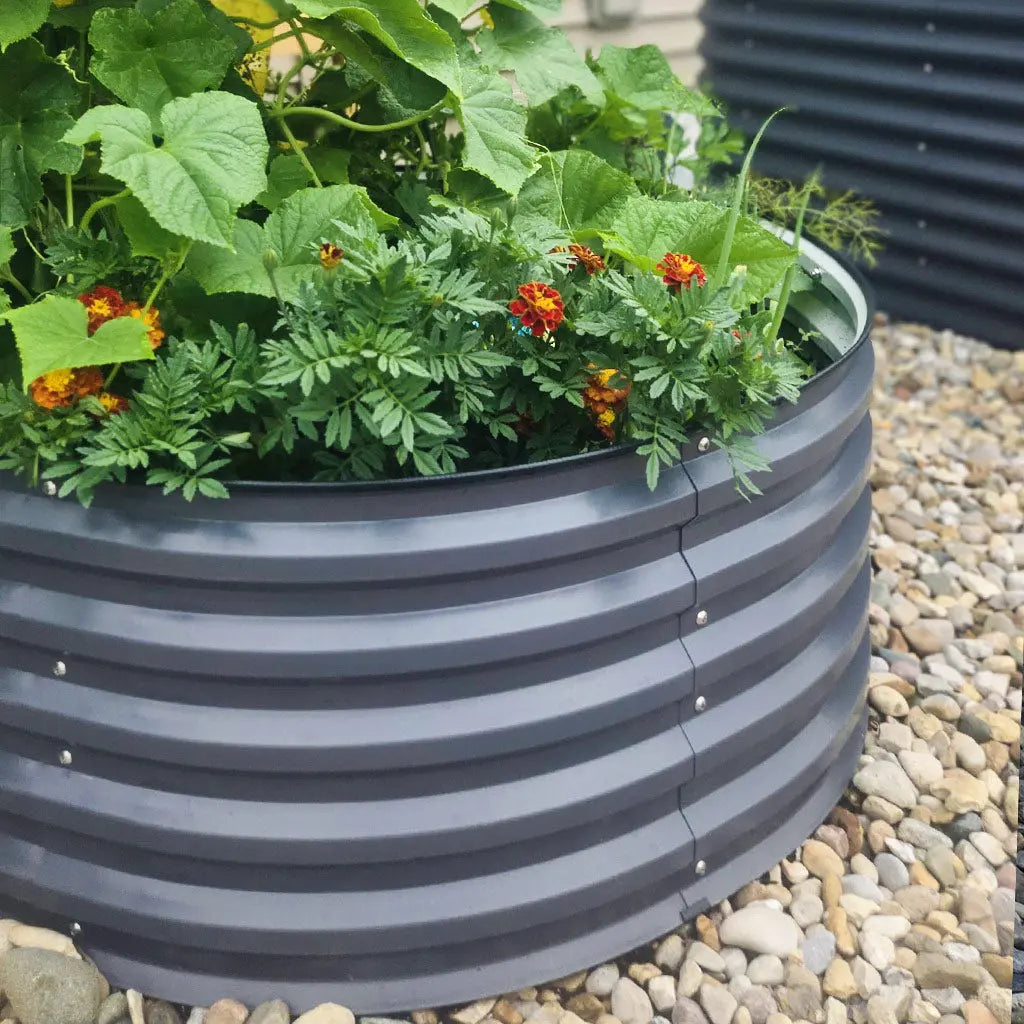
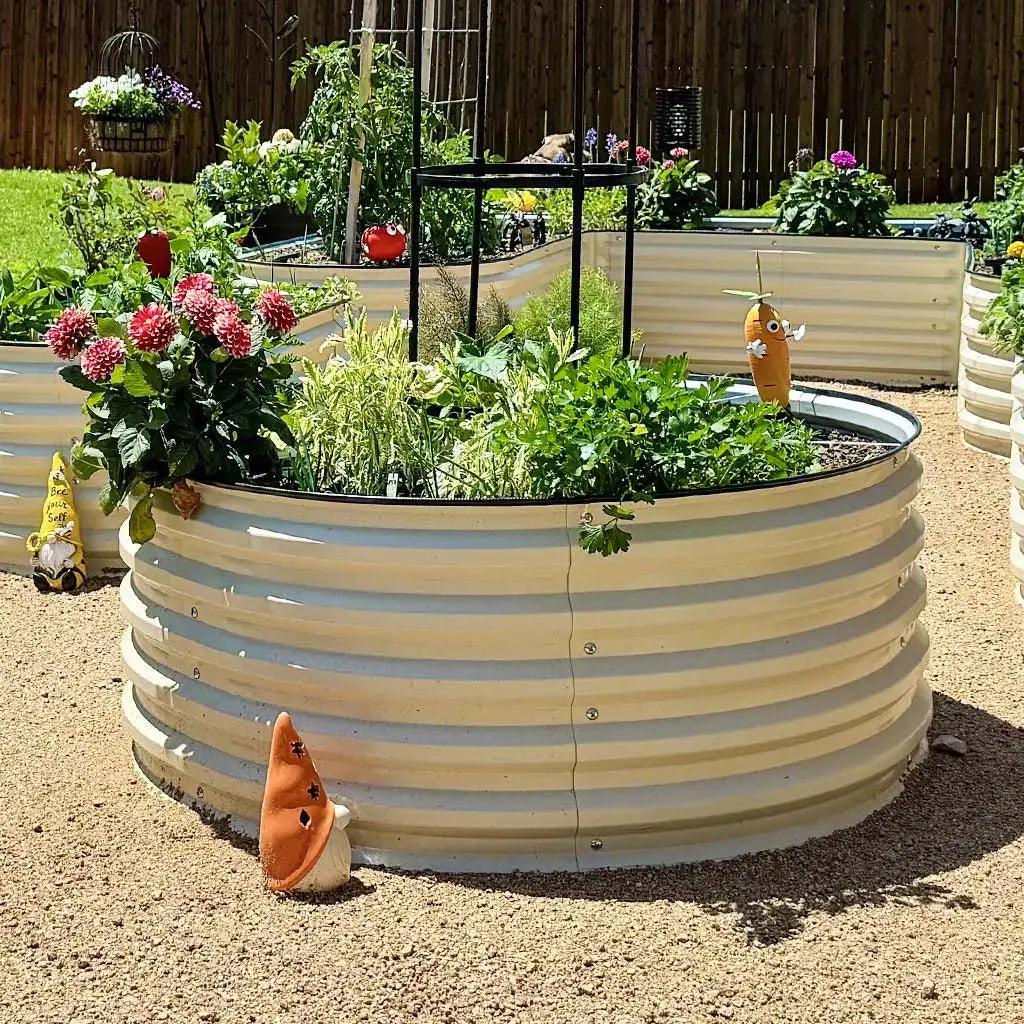
Metal frames are strong and last longer. They hold shape well but can be hard to cut. Metal beds are often narrower because wide metal sheets are costly and heavy. Around 2 to 3 feet wide works well for metal beds.
- Wood beds: 3 to 4 feet wide, easy to build and adjust
- Metal beds: 2 to 3 feet wide, strong but less flexible
- Wood suits DIY projects; metal suits long-term use
Durability And Maintenance
Wood can rot or get damaged by bugs over time. To keep wood beds lasting, you may need to seal or treat them every few years. This maintenance affects how often you rebuild or resize your bed.
Metal beds resist pests and rot. They need less upkeep but can rust if not coated well. Rust weakens the frame and may change the bed width if parts warp. Proper care keeps metal beds strong and stable.
| Material | Durability | Maintenance | Effect on Bed Width |
| Wood | Moderate (prone to rot and bugs) | Requires sealing or treatment every few years | Allows wider beds, but may need repairs |
| Metal | High (resists pests and rot) | Needs rust prevention coatings | Usually narrower beds due to weight and cost |
Customizing Width For Accessibility
Raised garden beds should fit the needs of all gardeners. The right width makes gardening easier for everyone.
Customizing width helps people with different mobility levels reach plants without strain.
Considerations For Mobility Issues
Gardeners who use wheelchairs or walkers need wider beds. This space allows easy access from the side.
- Widths of 30 to 36 inches work well for most wheelchair users.
- Leave paths at least 36 inches wide for smooth movement.
- Lower bed heights around 24 inches improve reach for seated gardeners.
- Avoid very deep beds to prevent stretching or leaning too far.
Ergonomic Design Tips
Design beds to reduce bending and twisting. This helps avoid pain and injury.
| Feature | Recommended Size | Reason |
|---|---|---|
| Bed Width | 24 to 36 inches | Easier reach from both sides |
| Bed Height | 24 to 30 inches | Less bending for planting and harvesting |
| Path Width | 36 inches or more | Room for mobility aids |
| Edge Design | Rounded or smooth | Prevents injury and eases lean support |
Credit: www.vegega.com
Optimizing Soil And Plant Health
Choosing the right width for a raised garden bed helps plants grow strong. It improves soil quality and gives roots space to spread. Good bed width also lets sunlight and air reach plants well.
Understanding soil depth and plant spacing helps you decide how wide your raised bed should be. This keeps plants healthy and soil rich with nutrients.
Soil Depth And Root Growth
Roots need enough soil depth to grow deep and strong. Most vegetables need at least 12 inches of soil. Taller plants may need 18 to 24 inches. Shallow beds limit root growth and plant health.
- Shallow roots dry out faster and get less nutrients.
- Deeper soil holds more water and nutrients.
- Wide beds let roots spread sideways without crowding.
- Choose bed width based on the plants’ root size and type.
Spacing For Airflow And Sunlight
Plants need space to get sunlight and air. Good airflow lowers disease risk. Sunlight helps plants make food through photosynthesis. Beds that are too wide make it hard to reach the center for care.
| Bed Width | Benefits | Drawbacks |
|---|---|---|
| 3 to 4 feet | Easy to reach all plants, good airflow | May limit large root spread |
| 5 to 6 feet | More space for roots, good for bigger plants | Harder to reach center without stepping in bed |
| Over 6 feet | Supports large plants and trees | Reduced airflow, difficult maintenance |
Tips For Planning Your Raised Bed
Planning a raised garden bed starts with deciding the right width. The width affects how easy it is to reach plants and how much space you need. Careful planning helps your garden grow well and saves effort.
Think about where to place the bed and what plants you want to grow. This helps you pick the best size and shape for your raised bed.
Measuring And Layout Strategies
Measure the space where you want your raised bed. Choose a width that lets you reach all parts easily without stepping inside. Usually, a width of 3 to 4 feet works well.
Think about the bed’s length and shape. Long beds may need pathways for access. Square or rectangular beds work best for most gardens.
- Keep width between 3 and 4 feet for easy reach
- Plan length based on available space and plant types
- Leave walking paths around the bed for access
- Consider bed height for comfort and soil depth
Budget And Material Choices
Your budget affects the materials you can use for the raised bed. Wood is common and affordable. Cedar and redwood last longer but cost more.
Other options include bricks, stone, or recycled materials. Choose materials that fit your budget and match your garden style.
- Wood: easy to work with and affordable
- Cedar and redwood: durable but pricier
- Stone or brick: long-lasting and attractive
- Recycled materials: eco-friendly and budget-wise
Credit: www.homesandgardens.com
Credit: www.vegega.com
Frequently Asked Questions
What Is The Ideal Width For A Raised Garden Bed?
The ideal width is typically 3 to 4 feet. This allows easy access from both sides without stepping into the bed. It ensures efficient planting and maintenance while maximizing growing space.
How Does Bed Width Affect Plant Growth?
Wider beds may cause difficulty reaching the center, leading to compacted soil. Proper width ensures better air circulation and root development, promoting healthier plants.
Can I Customize Raised Bed Width For Specific Plants?
Yes, customize based on plant type. Root vegetables need deeper, wider beds, while herbs grow well in narrower ones. Adjust width to suit your garden’s needs.
Why Is Accessibility Important In Raised Bed Width?
Accessibility allows easy planting, weeding, and harvesting. Beds wider than 4 feet can be hard to reach, reducing gardening efficiency and increasing soil compaction.
Conclusion
Choosing the right width for your raised garden bed makes gardening easier. A bed between 3 to 4 feet wide lets you reach plants without stepping inside. Narrow beds save space but limit what you can grow. Wider beds hold more soil and plants but need more effort to care for.
Think about your space, tools, and comfort when deciding. A well-sized bed helps your plants grow strong and healthy. Start small, and adjust as you learn what works best for you. Happy gardening!