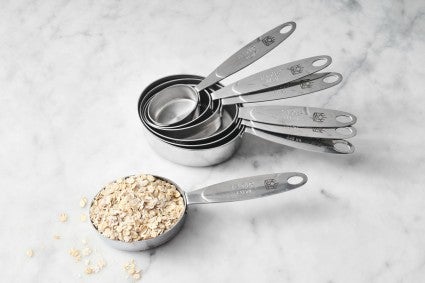
Have you ever reached for a measuring cup while cooking or baking and wondered if you could use the same one for dry and liquid ingredients? It’s a common question that can make a big difference in your recipes.
Using the wrong type of measuring cup might lead to inaccurate measurements, affecting the taste and texture of your dish. If you want to master your kitchen skills and avoid costly mistakes, understanding whether a dry measuring cup is the same as a liquid one is essential.
Keep reading to find out the key differences and how to choose the right tool for your cooking needs.
Differences Between Dry And Liquid Measuring Cups
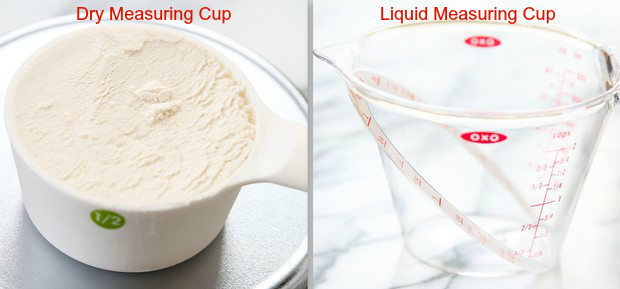
Dry and liquid measuring cups look similar but serve different purposes. Using the right cup helps measure ingredients accurately.
Understanding their differences improves your cooking and baking results. Let’s explore how they vary in design, markings, and use.
Design And Material Variations
Dry measuring cups are usually made of plastic or metal and come in sets of various sizes. They have a solid shape for scooping ingredients.
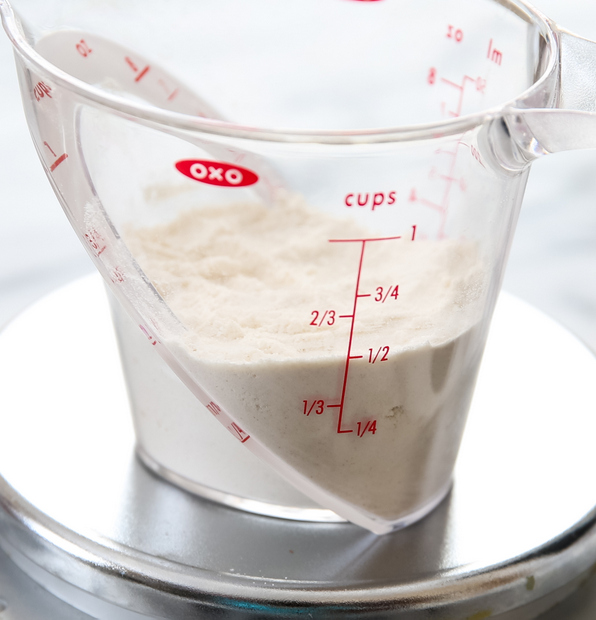
Liquid measuring cups are often made of glass or clear plastic. They have a spout to pour liquids easily and a handle for better grip.
- Dry cups: solid, stackable, no spout
- Liquid cups: clear, with spout and handle
- Materials affect durability and visibility
Measurement Markings And Accuracy
Dry cups measure ingredients by volume when they are scooped and leveled off. Their markings may show only the cup size.
Liquid cups have clear markings on the side for different volumes. You read the measurement at eye level for accuracy.
- Dry cups: measure packed or loose ingredients
- Liquid cups: measure fluids with clear volume lines
- Liquid cups give more precise readings for liquids
Common Uses In Cooking And Baking
Dry measuring cups are best for flour, sugar, and dry grains. You scoop, then level the ingredient to get the right amount.
Liquid cups work well for water, milk, oil, and other liquids. Their spout helps pour without spilling.
- Dry cups: flour, sugar, oats, nuts
- Liquid cups: milk, water, broth, oil
- Using the right cup avoids mistakes in recipes
Credit: kirbiecravings.com
Why Using The Right Measuring Cup Matters
Measuring cups come in two main types: dry and liquid. Each type works best for certain ingredients. Using the wrong cup can change your recipe’s outcome.
Understanding the difference helps you get better cooking and baking results. It also prevents mistakes in your measurements.
Impact On Recipe Results
Dry measuring cups are meant to be filled and leveled off for ingredients like flour and sugar. Liquid measuring cups have space for extra volume to avoid spills.
Using a dry cup for liquids or a liquid cup for dry ingredients can change the amount you add. This affects the texture and taste of your food.
Effect On Ingredient Consistency
Dry ingredients can pack down or fluff up, so using a dry cup helps you measure them properly. Liquid cups let you see the exact level to pour without guessing.
Measuring with the right tool keeps your ingredients consistent. This makes cooking and baking more predictable and reliable.
Avoiding Common Measurement Mistakes
Many cooks pour liquids into dry cups, which leads to overfilling or spilling. Others scoop dry ingredients with liquid cups, causing inaccurate amounts.
- Use dry cups for solid ingredients that you level off.
- Use liquid cups for ingredients you pour.
- Check measurement lines at eye level for liquids.
- Do not pack dry ingredients unless the recipe says so.
How To Measure Dry Ingredients Accurately
Measuring dry ingredients correctly is important for good cooking and baking results. Dry measuring cups and liquid measuring cups are not the same. Using the right tools and methods helps get the exact amount needed.
This guide explains how to measure dry ingredients accurately with simple tips and tools.
Spoon And Level Method
To measure dry ingredients like flour or sugar, first spoon the ingredient into the cup. Do not scoop directly with the cup because it packs the ingredient too tightly.
After filling the cup, use a flat edge like the back of a knife to level off the top. This removes extra ingredient and gives an exact measure.
- Spoon ingredient gently into the measuring cup
- Fill the cup slightly over the top
- Use a flat edge to level it off
- Do not shake or tap the cup
Packing Vs. Fluffing Ingredients
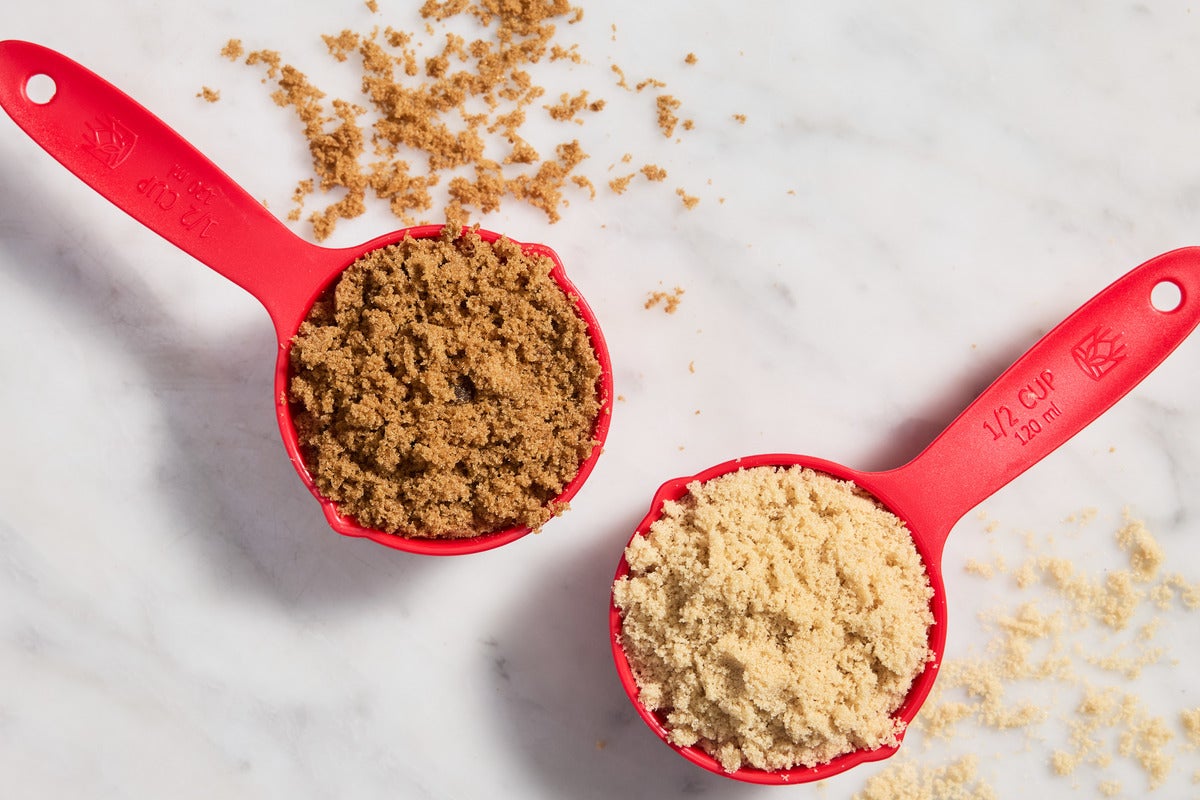
Some dry ingredients can be packed down or fluffed up, changing their volume. For example, brown sugar is often packed tightly into a cup, but flour should be fluffed before measuring.
Packing ingredients means pressing them down to remove air. Fluffing means loosening the ingredient with a spoon before measuring. This affects how much fits in the cup.
- Fluffing:Lightly stir or loosen the ingredient before measuring
- Packing:Press ingredient firmly into the cup, usually for brown sugar
- Check the recipe to see if it says to pack or fluff
- Use the right method for the best results
Tools That Can Help
Using the right tools makes measuring dry ingredients easier and more accurate. Dry measuring cups come in sets with different sizes and are made for scooping dry goods.
Other helpful tools include measuring spoons for small amounts and a kitchen scale for weight measurements. A scale gives the most precise results.
- Dry measuring cups for flour, sugar, and grains
- Measuring spoons for small quantities
- Kitchen scale for weighing ingredients
- Flat edge or knife to level off ingredients
Tips For Measuring Liquid Ingredients Correctly
Measuring liquid ingredients correctly helps your recipes turn out well. Using the right tools and methods can make a big difference.
Small mistakes in measuring liquids can change the taste and texture of food. Follow these tips to get accurate results every time.
Reading Meniscus Levels
Liquids curve at the surface, creating a shape called the meniscus. To measure liquids correctly, look at the bottom of the meniscus.
- Place the measuring cup on a flat surface.
- Bend down to eye level with the cup.
- Read the measurement at the lowest point of the meniscus.
- Avoid reading from above or below eye level to prevent errors.
Using Transparent Cups
Use clear measuring cups for liquids. They help you see the meniscus and measure more accurately.
| Type of Cup | Best For | Why |
| Transparent Glass | Water, Milk, Oil | Easy to see meniscus level |
| Plastic Clear | Juices, Broths | Lightweight and shows liquid level |
| Opaque Cups | Not recommended | Hard to read liquid level |
Measuring Sticky Liquids
Sticky liquids like honey or syrup can be hard to measure. Use these tips to get the right amount.
- Lightly spray the measuring cup with cooking spray before pouring sticky liquids.
- Use a rubber spatula to scrape out any leftover liquid.
- Warm the sticky liquid slightly to make it flow better.
- Use a spoon to help transfer the liquid without spilling.
Can You Substitute One Type For The Other?
Dry measuring cups and liquid measuring cups look similar. But they are made for different uses in the kitchen. Dry cups measure dry ingredients like flour. Liquid cups measure liquids like water or milk. Many people wonder if they can swap one for the other.
Using the wrong cup can change the amount of ingredients in a recipe. This can affect how your food turns out. Let’s explore when it is safe or risky to substitute these cups.
Risks Of Using Dry Cups For Liquids
Dry measuring cups are meant to be filled to the top and leveled off. Using them for liquids can cause spills. Liquids can stick to the sides, giving you less than the right amount.
This leads to inaccurate measurements. Your recipe may turn out too thick or too runny. It is hard to see the liquid level accurately in dry cups.
When Liquid Cups Work For Dry Ingredients
Liquid measuring cups have space at the top to prevent spills. They have clear markings on the side for easy reading. You can use them for some dry ingredients if you do it carefully.
For example, you can measure chopped vegetables or fruits in a liquid cup. But for flour or sugar, it is better to use dry cups. These dry ingredients need to be leveled for accuracy.
Best Practices For Substitution
If you must swap, take extra care to measure correctly. Use a flat edge to level dry ingredients in a liquid cup. Check the liquid level at eye level to avoid errors.
- Fill dry ingredients loosely and level off
- Pour liquids slowly to avoid spills in dry cups
- Read measurements at eye level in liquid cups
- Use a spoon to add dry ingredients for accuracy
- Note that some recipes are sensitive to exact amounts
Credit: kirbiecravings.com
Choosing The Best Measuring Tools For Your Kitchen
Measuring ingredients correctly is important for good cooking and baking. Using the right tools can help you get accurate measurements every time.
One common question is whether dry measuring cups are the same as liquid measuring cups. Understanding their differences helps you pick the best set for your kitchen.
Essential Measuring Sets
Dry measuring cups usually come in sets with different sizes like 1 cup, 1/2 cup, and 1/4 cup. They are made for scooping dry ingredients like flour and sugar.
Liquid measuring cups have a spout for pouring and are marked with measurements on the side. They work best for liquids like water, oil, or milk.
- Dry cups are solid and meant to be filled to the top
- Liquid cups have space above the measurement for easy pouring
- Both sets together cover all measuring needs in the kitchen
Considerations For Material And Size
Measuring cups come in materials like plastic, metal, and glass. Each has benefits and drawbacks.
Plastic cups are light and affordable but can stain. Metal cups are durable but may not show measurements well. Glass cups let you see the liquid level clearly.
- Choose sizes that match your common recipes
- Glass is best for liquids because you can see inside
- Metal is good for dry ingredients and lasting longer
- Plastic is good for kids or travel but less durable
Maintaining And Storing Measuring Cups
Keep your measuring cups clean to ensure accurate measurements. Wash them after each use and dry thoroughly.
Store cups nested or hanging to save space and avoid damage. Avoid stacking heavy items on top of them.
- Hand wash metal cups to prevent rust
- Check plastic cups for cracks or stains regularly
- Keep glass cups in a safe spot to avoid breaking
- Organize cups by size for easy use
Credit: www.kingarthurbaking.com
Frequently Asked Questions
What Is The Difference Between Dry And Liquid Measuring Cups?
Dry measuring cups are for solid ingredients like flour and sugar. Liquid measuring cups are for liquids like water and oil. They have different designs to ensure accuracy. Using the right cup type ensures better cooking and baking results.
Can You Use A Dry Cup For Liquids?
Using a dry cup for liquids isn’t recommended. It may lead to inaccurate measurements. Liquid measuring cups are specifically designed for precise liquid measurements. For best cooking results, use the appropriate measuring tool for each ingredient type.
Why Do Liquid And Dry Measuring Cups Differ?
Liquid and dry measuring cups have different designs for accuracy. Dry cups are usually filled to the brim and leveled off. Liquid cups have a spout and extra space to prevent spills. This design ensures precise and clean measurements.
Are Dry Measuring Cups Interchangeable With Liquid Ones?
Dry and liquid cups are not interchangeable. They serve different purposes. Using them interchangeably can lead to measurement errors. For accurate cooking and baking, use the correct type of measuring cup. This ensures your recipes turn out as expected.
Conclusion
Dry and liquid measuring cups serve different purposes in the kitchen. Dry cups hold solid ingredients like flour or sugar. Liquid cups measure liquids such as water or milk. Using the right cup helps you get accurate measurements. This makes your recipes turn out better every time.
Mixing these tools can lead to mistakes in cooking or baking. Choose the correct cup for your ingredients. This small step ensures your food tastes just right. Simple and clear measuring saves time and effort. Remember, good cooking starts with proper measuring tools.