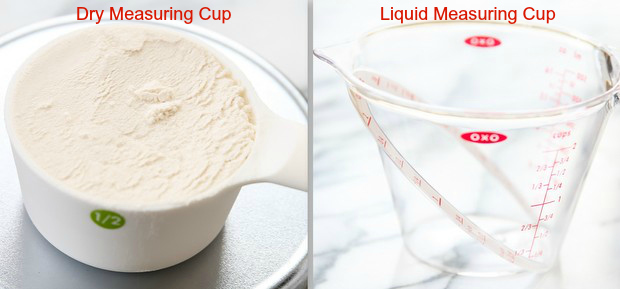
Have you ever reached for a measuring cup and wondered if a liquid cup is the same as a dry cup? It’s a common question that can make a big difference in your cooking and baking results.
Using the wrong type could lead to mistakes that ruin your recipe or waste ingredients. But don’t worry—this article will clear up the confusion and help you measure like a pro every time. Keep reading to discover the simple truth behind liquid and dry cups, and why knowing the difference matters for your kitchen success.
Credit: www.kingarthurbaking.com
Liquid Cup Basics
Measuring cups come in two main types: liquid and dry. They look similar but serve different purposes.
Knowing the difference helps you get the right amount of ingredients for cooking and baking.
Definition And Usage
A liquid cup measures liquids like water, milk, or oil. It has a spout for easy pouring.
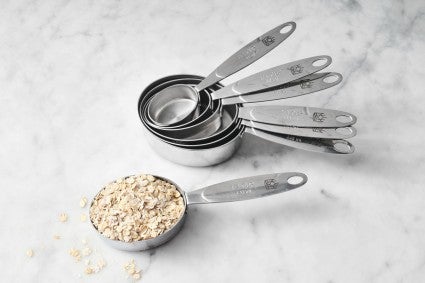
A dry cup measures solid ingredients such as flour or sugar. It is designed to be filled and leveled off.
- Liquid cups show measurements on the side for easy reading.
- Dry cups are filled to the top and leveled for accuracy.
- Using the right cup ensures proper recipe results.
Common Materials
Liquid cups are often made from glass or clear plastic. This makes it easy to see the liquid level.
Dry cups are usually made from plastic or metal. They are solid and stackable for storage.
- Glass liquid cups resist stains and odors.
- Plastic liquid cups are lightweight and less breakable.
- Dry cups are sturdy to hold heavy ingredients.
Measurement Precision
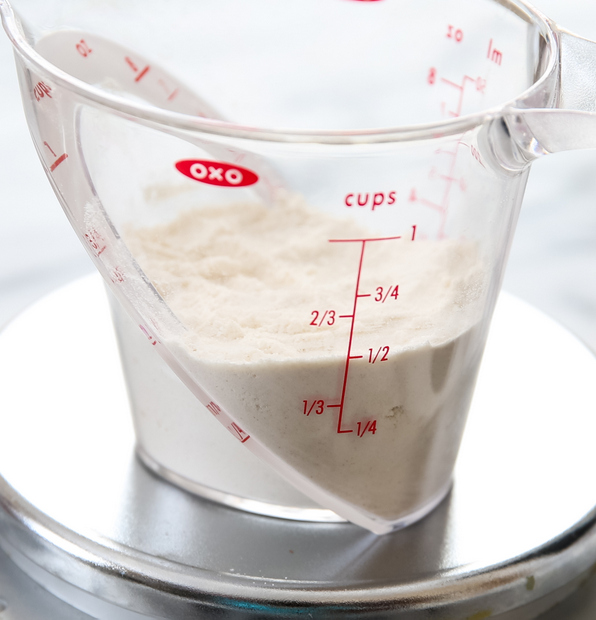
Liquid cups allow precise measurement by reading the liquid level at eye level.
Dry cups rely on filling and leveling to get an exact amount, which can vary if packed.
- Liquid cups show fractions and milliliters for accuracy.
- Dry cups work best for ingredients that don’t stick.
- Always use the correct cup for the ingredient type.
Dry Cup Essentials
Measuring cups come in two main types: liquid and dry. They look similar but serve different purposes.
Understanding dry cups helps in cooking and baking for better results.
Purpose And Application
Dry cups are designed to measure solid ingredients like flour, sugar, or grains. Liquid cups measure liquids such as water or milk.
- Dry cups allow you to level off ingredients for accuracy.
- Liquid cups have space above the rim to prevent spills.
- Using the correct cup type avoids wrong measurements.
Material Differences
Dry measuring cups usually come in metal or plastic. They have straight edges for leveling ingredients. Liquid cups are often glass or clear plastic with pouring spouts.
| Feature | Dry Cup | Liquid Cup |
| Material | Metal or plastic | Glass or clear plastic |
| Shape | Straight sides | Curved with spout |
| Use | Solids | Liquids |
| Leveling | Flat edge for leveling | Not for leveling |
Measurement Accuracy
Dry cups provide precise measurement by filling and leveling. Liquid cups need to be read at eye level to check the meniscus.
Tips for accurate measuring:
- Fill dry cup to the top then level with a flat edge.
- Place liquid cup on flat surface.
- Read liquid measurement at eye level.
- Do not use liquid cups for dry ingredients.
Comparing Liquid And Dry Cups
Measuring cups are essential tools in the kitchen. There are two main types: liquid cups and dry cups.
Understanding their differences helps improve cooking and baking results.
Design Variations
Liquid cups often have a spout for easy pouring. They are usually made of clear plastic or glass with measurement marks on the side.
Dry cups are solid and meant for scooping. They often come in sets of different sizes and do not have spouts.
- Liquid cups: clear, with spouts, marked in fluid ounces or milliliters
- Dry cups: solid, no spout, measured by volume in cups or milliliters
- Liquid cups allow seeing the liquid level easily
- Dry cups allow leveling off dry ingredients with a flat edge
Measurement Techniques
Measuring liquids requires filling the cup to the marked line. You check the level at eye level for accuracy.
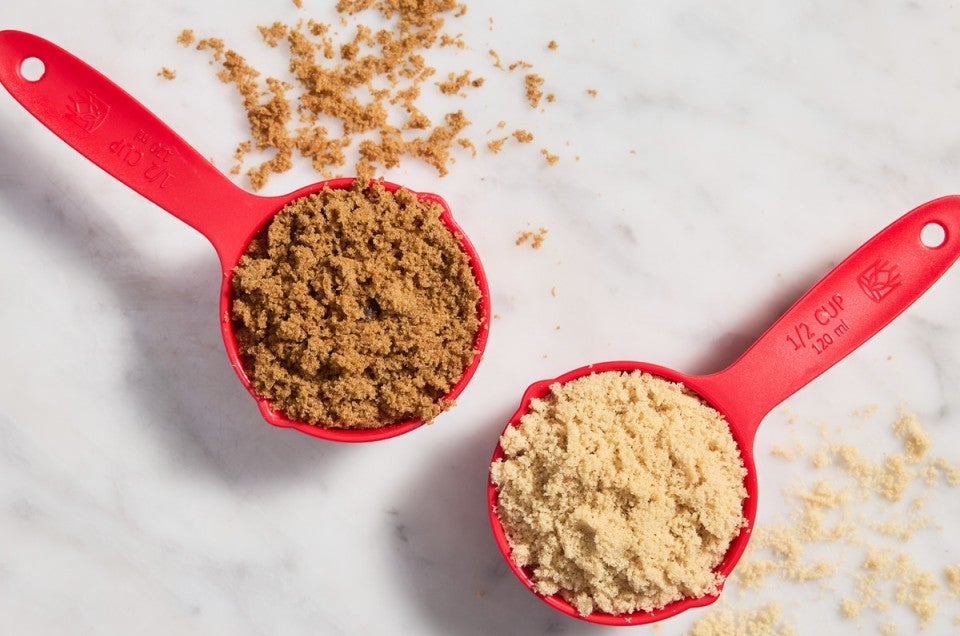
Dry ingredients are scooped or spooned into the dry cup. Then, the excess is leveled off with a flat edge like a knife.
| Type of Cup | How to Measure | Common Use |
|---|---|---|
| Liquid Cup | Fill to the line, check at eye level | Milk, water, oil |
| Dry Cup | Scoop, then level off excess | Flour, sugar, grains |
Impact On Recipes
Using the wrong cup may cause inaccurate measurements. This can change the texture and taste of recipes.
- Liquid cups prevent spills and give precise liquid amounts
- Dry cups help avoid packing ingredients too tightly
- Measuring dry ingredients incorrectly can make baked goods dense or dry
- Measuring liquids wrongly can change cooking times and consistency
Credit: kirbiecravings.com
Why Differences Matter
Measuring cups for liquids and dry ingredients look similar. But they are not the same. Using the wrong cup can change your recipe.
Knowing the difference helps you cook and bake better. It affects how your food turns out.
Cooking Vs. Baking
Cooking allows more freedom with measurements. You can adjust ingredients by feel or taste. Baking needs exact amounts for chemical reactions.
- Liquid cups have a spout for easy pouring.
- Dry cups are meant to be filled to the top and leveled off.
- Using a dry cup for liquids can cause spills and wrong amounts.
- Using a liquid cup for dry ingredients can lead to packed or loose amounts.
Effect On Final Results
| Ingredient Type | Using Liquid Cup | Using Dry Cup |
| Flour | Can be packed too tightly, adding too much flour | Measured properly, leveled for accuracy |
| Milk | Measured accurately with spout | Hard to pour, may spill |
| Sugar | May be loose or uneven | Properly leveled for exact amount |
| Water | Measured easily and correctly | Difficult to pour, less accurate |
Tips For Accurate Measuring
Use the right cup for the ingredient type. Read labels and follow recipe instructions carefully.
- Use liquid cups for water, milk, oil, and other liquids.
- Use dry cups for flour, sugar, grains, and powders.
- Level off dry ingredients with a flat edge.
- Check measurements at eye level for liquids.
- Do not guess or mix cup types.
Choosing The Right Cup
Measuring cups come in two main types: liquid and dry. Each type works best for certain ingredients.
Using the right cup helps you get accurate measurements for your recipes.
When To Use Each Type
Use liquid cups for water, milk, and other liquids. These cups usually have a spout for easy pouring.
Dry cups work well for flour, sugar, and other dry ingredients. They help level off the ingredient for accuracy.
Avoiding Common Mistakes
- Do not use a dry cup for liquids; it can spill or measure wrong.
- Do not fill a liquid cup with dry ingredients; it can give a false measurement.
- Level dry ingredients with a flat edge for precise amounts.
- Check the liquid cup at eye level to avoid errors.
Recommended Tools
| Tool | Best Use | Feature |
| Liquid Measuring Cup | Liquids | Clear sides with measurements, pouring spout |
| Dry Measuring Cups | Dry Ingredients | Set of cups for different amounts, easy to level |
| Measuring Spoons | Small quantities | Good for spices, baking powder, and salt |
Credit: www.kingarthurbaking.com
Frequently Asked Questions
What Is The Difference Between Liquid And Dry Measuring Cups?
Liquid measuring cups have a spout for pouring and are clear. Dry measuring cups are meant for leveling and typically come in nested sets. Using the correct type ensures accurate measurements in cooking and baking, enhancing recipe success.
Can I Use A Dry Cup For Liquids?
Using a dry cup for liquids is not recommended. Dry cups lack a spout, making pouring difficult and imprecise. This can lead to incorrect measurements, affecting recipe outcomes. Always use the appropriate measuring tool for liquids to ensure accuracy.
How Do I Measure Dry Ingredients Correctly?
To measure dry ingredients, spoon them into a dry measuring cup, then level with a straight edge. Avoid scooping directly from the bag, as it can compact the ingredient, leading to inaccurate measurements. This method ensures precision, vital for baking success.
Why Are Liquid Cups Transparent?
Liquid cups are transparent to allow easy reading of measurement lines from the outside. This feature ensures accurate liquid measurement by avoiding parallax errors. It helps in achieving precise ingredient quantities for successful cooking and baking.
Conclusion
A liquid cup and a dry cup measure differently. Liquid cups hold volume, while dry cups measure weight. Using the wrong cup can change your recipe’s results. Always choose the correct cup for your ingredient type. This ensures better cooking and baking outcomes.
Remember, understanding the difference saves time and frustration. Simple steps make your kitchen work easier and more accurate. Keep this in mind for your next recipe.