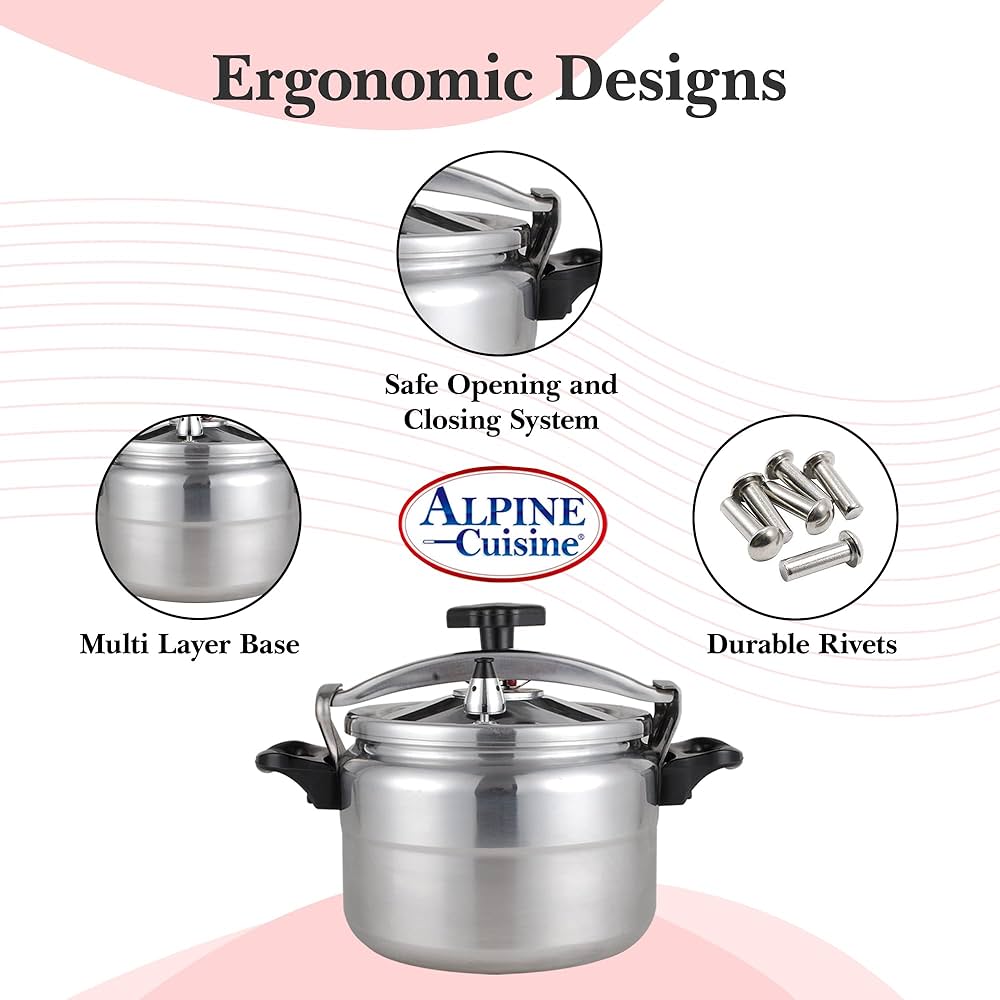
Have you ever wondered if your pressure cooker is truly a closed system? Understanding this can change the way you cook and help you get better results every time.
When you know how your pressure cooker works, you can unlock its full potential and make meals faster and tastier. Keep reading to discover the science behind your pressure cooker and why it matters for your kitchen success.
Pressure Cooker Basics
A pressure cooker cooks food faster by using steam pressure. It traps steam inside, which raises the temperature.
This method saves time and energy, making it popular in many kitchens worldwide.
How It Works
When you heat a pressure cooker, water inside turns to steam. The steam builds pressure because it cannot escape easily.
- Steam pressure raises the boiling point of water above 100°C.
- Higher temperature cooks food faster than normal boiling.
- The sealed lid keeps the steam and pressure inside.
- Pressure forces heat deep into the food quickly.
Key Components
| Component | Description |
| Sealed Lid | Locks tightly to trap steam and pressure inside the pot. |
| Pressure Valve | Releases extra steam to keep pressure safe. |
| Gasket | Rubber ring that ensures an airtight seal between lid and pot. |
| Pot Body | Holds the food and liquid during cooking. |
Closed Vs Open Systems
A pressure cooker is a kitchen tool that cooks food faster using steam and pressure. To understand if it is a closed system, we first need to know what closed and open systems mean.
Closed systems do not let matter in or out, but energy can pass through. Open systems allow both matter and energy to move freely in and out.
Characteristics Of Closed Systems
Closed systems keep all their matter inside. They may exchange heat or energy with the outside but do not allow any material to enter or leave.
Pressure cookers are mostly closed systems because they trap steam and pressure inside. This helps cook food faster by raising the boiling point of water.
- Matter stays inside the system
- Energy can enter or leave
- Pressure and steam stay trapped
- Used in cooking and some machines
Characteristics Of Open Systems
Open systems allow matter and energy to move in and out freely. Air, steam, and other substances can enter or leave these systems at any time.
Examples include boiling water in an open pot. Steam escapes, and air can enter, so the system is open.
- Matter moves in and out easily
- Energy also moves freely
- Pressure is usually equal to the outside
- Common in everyday cooking and nature
Pressure Cooker As A Closed System
A pressure cooker is a kitchen appliance that cooks food faster by trapping steam inside. It works by creating a sealed environment, which increases the pressure and temperature.
This article explains how a pressure cooker acts as a closed system. We focus on its sealing mechanism and how it contains pressure and steam.
Sealing Mechanism
The pressure cooker has parts that stop steam from escaping. The lid fits tightly on the pot. A rubber gasket or ring creates an airtight seal. This seal is very important for the cooker to work properly.
- The lid locks securely to prevent opening during cooking.
- The rubber gasket blocks steam from leaking out.
- Safety valves release pressure if it gets too high.
- The locking system ensures the cooker stays closed.
Pressure And Steam Containment
Inside the pressure cooker, steam builds up as the liquid heats. This raises the pressure and temperature above normal boiling point. The cooker must hold this pressure safely.
| Component | Function | Effect |
| Lid Lock | Keeps lid tightly closed | Prevents steam escape |
| Rubber Gasket | Seals the pot’s opening | Maintains airtight condition |
| Pressure Valve | Releases excess steam | Controls internal pressure |
| Metal Pot | Holds food and steam | Withstands high pressure |

Credit: www.amazon.ca
Exceptions And Safety Features
A pressure cooker is mostly a closed system during cooking. It traps steam inside to cook food faster. But it has some exceptions to keep users safe.
These exceptions allow pressure to release safely and prevent accidents. Safety features help control the pressure inside the cooker.
Pressure Release Valves
Pressure release valves let steam escape if pressure gets too high. They stop the cooker from exploding. These valves open automatically when needed.
- Release steam slowly to avoid sudden bursts
- Prevent pressure from rising beyond safe limits
- Help keep the cooker sealed during normal use
- Act as a backup if other safety parts fail
Safety Locks
Safety locks stop you from opening the lid while the cooker is pressurized. This feature protects you from hot steam and food splashes.
| Feature | Function |
| Locking Lid | Keeps lid sealed under pressure |
| Pressure Indicator | Shows when pressure is too high |
| Automatic Lock | Prevents opening until pressure lowers |
Practical Implications
A pressure cooker is a mostly closed system during cooking. It traps steam and pressure inside the pot.
This affects how food cooks and how energy is used in the kitchen. Understanding this helps improve cooking results.
Cooking Efficiency
The closed system keeps steam and heat inside. This raises the boiling point of water.
Food cooks faster because of higher temperature and pressure. This saves time and retains nutrients.
- Steam pressure cooks food evenly
- Shorter cooking times reduce nutrient loss
- Sealed environment keeps flavors inside
Energy Consumption
Because cooking is faster, pressure cookers use less energy than open pots. Heat stays inside the sealed pot.
Less heat escapes, so stove energy use goes down. This makes pressure cooking an energy-saving option.
- Reduced cooking time lowers fuel or electricity use
- Sealed lid prevents heat loss
- More efficient than boiling or slow cooking
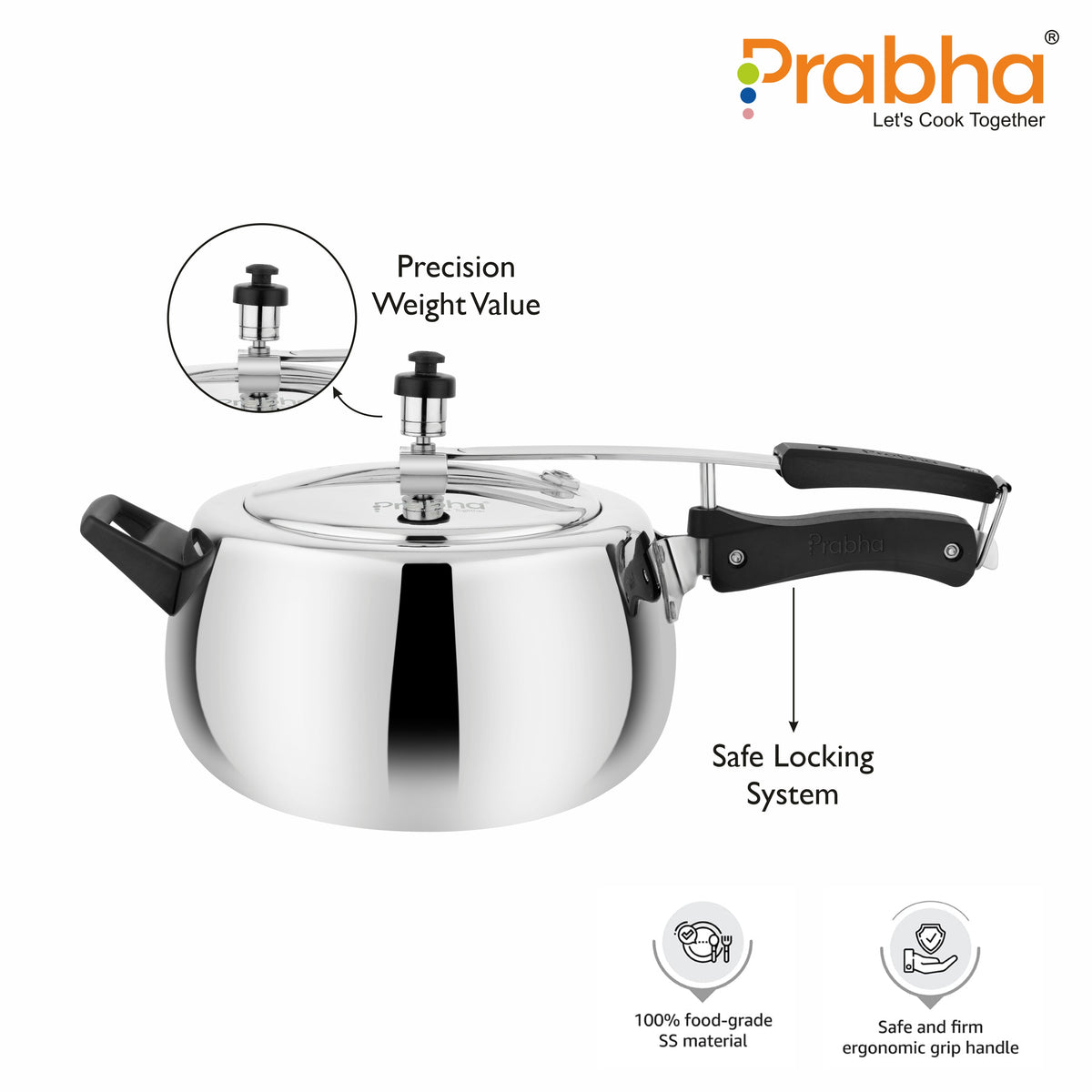
Credit: prabhasteel.com
Common Misconceptions
Many people wonder if a pressure cooker is a closed system. This question often comes from how the cooker works with steam and pressure.
Understanding how leaks, venting, and system integrity affect a pressure cooker helps clear up these doubts.
Leaks And Venting
A pressure cooker is designed to keep steam inside, but small leaks and venting points exist. These are safety features to prevent accidents.
- Pressure release valve lets out excess steam
- Gasket seals the lid but can wear out over time
- Steam escape vent prevents dangerous pressure buildup
- Small leaks can happen but are usually controlled
System Integrity
The pressure cooker is mostly a closed system because it traps steam and pressure inside. Its parts work together to keep the system safe and tight.
| Component | Role in System Integrity |
| Lid | Locks tightly to seal the cooker |
| Gasket | Prevents steam from escaping |
| Pressure Valve | Releases steam to control pressure |
| Body | Holds the contents and pressure |

Credit: www.indiamart.com
Frequently Asked Questions
What Makes A Pressure Cooker A Closed System?
A pressure cooker is a closed system because it seals tightly. This prevents steam from escaping. It traps heat and moisture inside, cooking food faster. The pressure build-up raises the boiling point of water, enhancing cooking efficiency. This sealed environment is what defines it as a closed system.
How Does Pressure Affect Cooking Time?
In a pressure cooker, increased pressure raises the boiling point of water. This means food cooks at a higher temperature. As a result, cooking time is significantly reduced. Dishes that usually take hours can be completed in minutes, making it a time-efficient cooking method.
Is A Pressure Cooker Energy-efficient?
Yes, a pressure cooker is energy-efficient. It cooks food faster by trapping heat and steam. This reduces the energy needed for extended cooking times. Because of its sealed environment, it maintains heat and pressure, minimizing energy waste. This makes it an environmentally friendly cooking option.
Can You Cook Any Food In A Pressure Cooker?
Most foods can be cooked in a pressure cooker. It’s ideal for meats, beans, grains, and vegetables. However, delicate foods like pasta or certain seafood can become overcooked. It’s important to follow recipes and guidelines. This ensures optimal results and prevents food from becoming too soft.
Conclusion
A pressure cooker works as a mostly closed system during cooking. It traps steam and pressure inside to cook food faster. Some steam escapes through a valve to keep pressure safe. This small release does not make it an open system.
Understanding this helps you use the cooker safely and effectively. Now you know why pressure cookers keep heat and moisture locked in. This makes cooking quicker and tastier. Simple science, clear results.