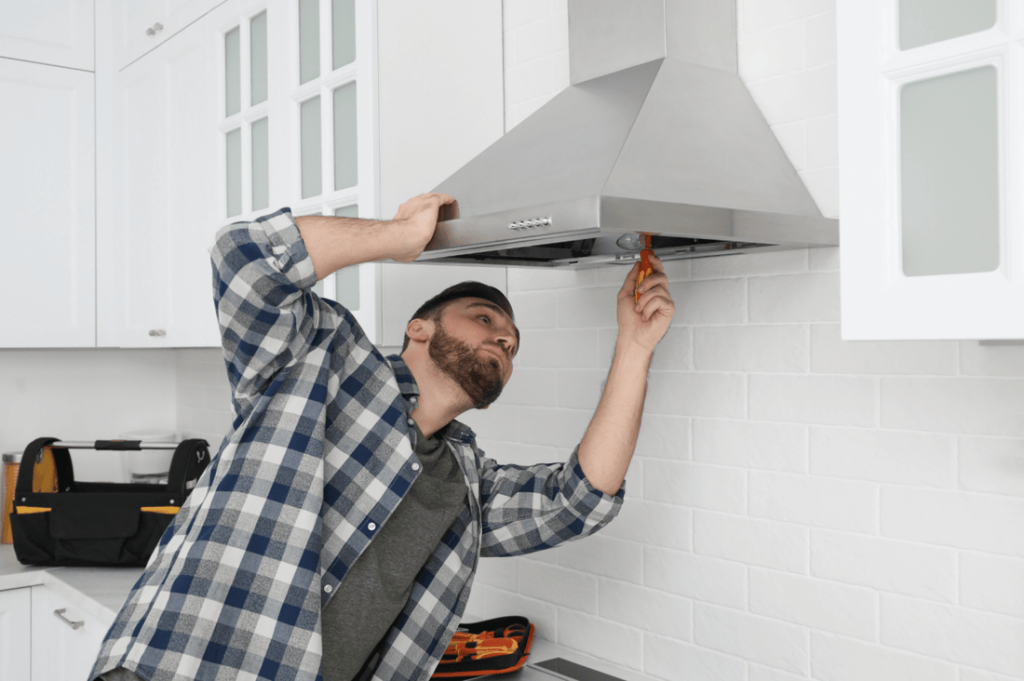
Are you wondering if a range hood is something you must have in your kitchen? Whether you’re remodeling or building new, knowing the code requirements can save you time, money, and hassle.
You might think a range hood is just an extra appliance, but it plays a crucial role in keeping your kitchen safe and comfortable. You’ll discover when a range hood is required by code, what rules apply, and how to make the best choice for your home.
Keep reading to avoid costly mistakes and ensure your kitchen meets all the necessary standards.
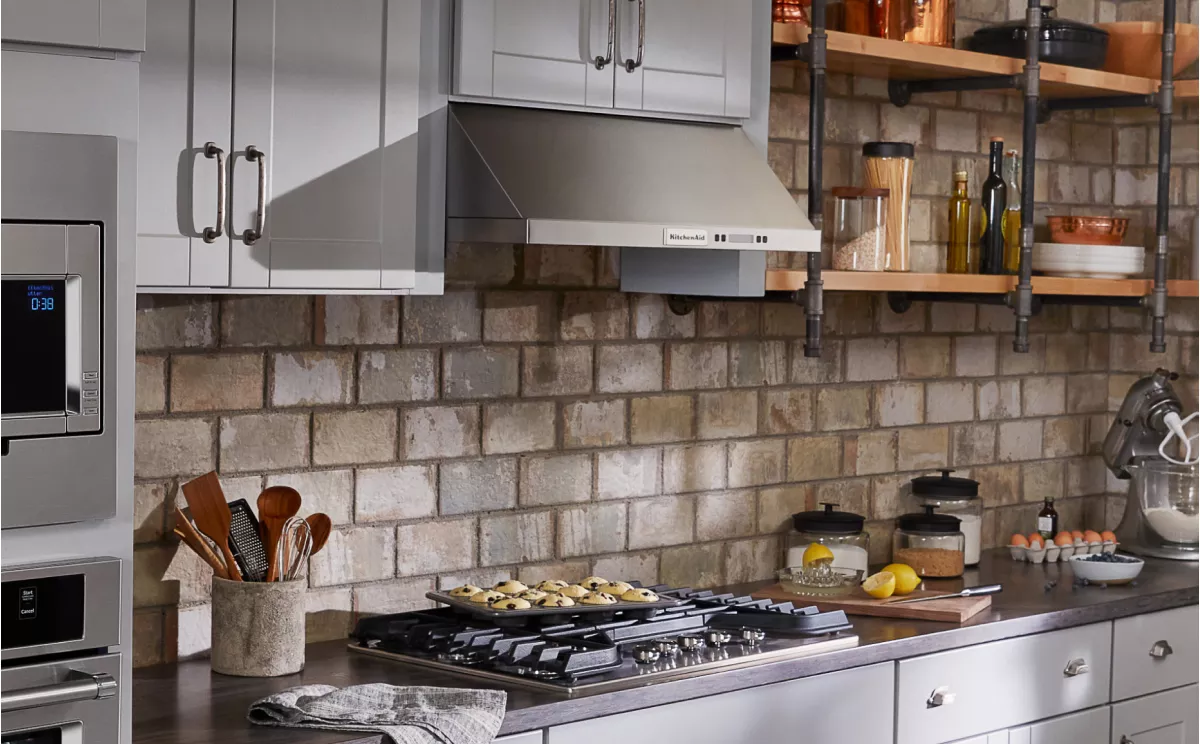
Credit: www.kitchenaid.com
Code Requirements For Range Hoods
Understanding the code requirements for range hoods is crucial for homeowners. Range hoods improve kitchen safety and air quality. They remove smoke, odors, and grease. But is installing them required by law? Let’s explore the building codes, standards, and situations that mandate range hoods.
Building Codes And Regulations
Building codes ensure safe and healthy living environments. They cover various aspects of construction, including ventilation. In many areas, these codes require proper kitchen ventilation. A range hood can be part of this requirement. They help remove airborne contaminants from cooking.
Local Vs National Standards
National standards provide a broad framework for construction practices. However, local codes may vary. Some regions have stricter requirements for kitchen ventilation. It’s essential to check both local and national codes. This ensures compliance and safety in your home.
When A Range Hood Is Mandatory
Range hoods may be mandatory in specific situations. For instance, when a kitchen lacks adequate ventilation. Homes with gas stoves often require them. Gas appliances produce combustion gases. These need to be vented safely outside. Consult with local authorities to confirm requirements for your kitchen.

Credit: www.reddit.com
Types Of Range Hoods
Understanding the types of range hoods is essential when checking if your kitchen setup meets code requirements. Each type serves a unique purpose and impacts your kitchen’s air quality, safety, and compliance differently.
Vented Vs Recirculating Hoods
Vented hoods pull air out of your kitchen and release it outside through ductwork. This method effectively removes smoke, steam, and odors, keeping your kitchen fresh and safe.
Recirculating hoods, on the other hand, filter the air and release it back into the kitchen. They are easier to install but less effective at removing moisture and pollutants.
Which one fits your kitchen depends on whether you can install ducts and how much ventilation your cooking generates.
Ductless Options And Their Limitations
Ductless hoods use charcoal filters to clean the air before recirculating it. They are popular in apartments or places where running ducts is impossible.
However, these filters need regular replacement and cannot remove heat or moisture, which might lead to lingering smells or damage over time.
Consider if your cooking habits and kitchen layout can handle these limitations before choosing a ductless hood.
Choosing The Right Hood For Compliance
Codes often require vented hoods in certain types of kitchens, especially where heavy cooking happens. Check local building codes to see if venting is mandatory in your area.
Choosing the right hood means balancing your kitchen’s ventilation needs with what’s legally required and practical to install.
Ask yourself: Does your current setup allow for duct installation? Are you cooking enough to need powerful ventilation? Your answers will guide you toward a compliant and effective solution.
Ventilation Standards And Measurements
Ventilation standards and measurements play a vital role in kitchen safety and comfort. Proper ventilation removes smoke, steam, and odors during cooking. Building codes often set clear rules to ensure these systems work effectively. Understanding these standards helps homeowners and builders meet legal requirements and keep kitchens healthy.
Airflow And Cfm Requirements
Airflow is measured in cubic feet per minute (CFM). It shows how much air the range hood can move. Codes usually require a minimum CFM based on stove size and type.
- Gas stoves need higher CFM due to combustion gases.
- Electric stoves require less airflow but still must remove steam.
- Typical CFM ranges from 100 to 600, depending on kitchen size.
Meeting CFM requirements ensures air stays fresh and pollutants clear out fast.
Proper Hood Placement And Size
Positioning the range hood correctly affects its efficiency. Codes specify distances between the cooktop and hood. Usually, hoods should be 20 to 30 inches above the stove surface.
The hood size must cover the cooking area fully. A hood smaller than the stove can leave smoke and grease behind. Wide stoves need wider hoods for full coverage.
- Hood width should match or exceed stove width.
- Height affects suction power and safety.
- Correct placement avoids heat damage and improves airflow.
Noise And Efficiency Considerations
Range hoods must balance power and noise levels. Loud hoods discourage use, reducing kitchen air quality. Codes may limit noise levels to keep environments comfortable.
Energy efficiency also matters. Efficient motors use less electricity but still meet CFM needs. Look for ENERGY STAR ratings or similar certifications.
- Choose quiet models with sound ratings below 60 dB.
- Variable speed controls improve efficiency and noise control.
- Proper maintenance keeps fans running quietly and efficiently.
Exceptions And Alternatives
While range hoods are common in many kitchens, there are specific situations where they might not be mandatory by code. Understanding these exceptions can help you decide if you really need one or if alternative options might suit your space better. Let’s look at when you might be able to skip the hood and what other ventilation solutions can keep your kitchen safe and fresh.
Range Hoods Not Required In Some Kitchens
Some building codes allow exceptions for range hoods based on the kitchen’s size, type of cooking appliance, or ventilation system already in place. For instance, small apartments or kitchens with electric cooktops sometimes don’t require a hood.
If your kitchen has an open window nearby or a mechanical ventilation system that meets airflow requirements, a range hood might not be necessary. These exceptions often depend on local regulations, so checking with your local building department is essential before making a decision.
Alternative Ventilation Solutions
If a traditional range hood isn’t an option, other ventilation methods can still improve air quality. Some kitchens use ductless or recirculating range hoods that filter and clean the air without venting outside.
Installing exhaust fans or opening windows during cooking can also help remove smoke and odors. Even ceiling fans or portable air purifiers can contribute to better air circulation, especially in smaller or less enclosed kitchens.
Impact On Safety And Air Quality
Skipping a range hood or proper ventilation can affect your kitchen’s air quality and your health. Cooking releases grease, moisture, and harmful gases like carbon monoxide, which can build up without proper airflow.
Have you noticed lingering smells or sticky surfaces after cooking? These are signs your kitchen might need better ventilation. Prioritizing air quality improves comfort and reduces risks like mold growth and respiratory problems.
Installation And Inspection
Proper installation and inspection of a range hood are crucial to meet safety standards and ensure efficient kitchen ventilation. Understanding the specific requirements can save you from costly rework and potential hazards. Let’s look at what you need to know about installing and getting your range hood approved by code.
Professional Installation Guidelines
Hiring a licensed professional for your range hood installation is often required by code. They know the exact placement rules, such as height above the cooktop and duct size, which affect performance and compliance.
A professional ensures the hood vents properly outside your home rather than recirculating air inside, which is commonly overlooked but critical for safety. Have you checked if your installer follows the manufacturer’s specifications along with local codes?
Common Code Violations
Many range hood installations fail inspection due to simple mistakes. Common issues include incorrect duct materials, insufficient clearance above the stove, and improper vent termination points.
Using flexible plastic ducts instead of rigid metal is a frequent violation. This can cause grease buildup and fire hazards. Are you certain your setup avoids these pitfalls?
Inspection Process And Approval
Inspections usually happen after installation but before finalizing your kitchen project. Inspectors verify that the hood is securely mounted, properly vented, and meets noise and airflow standards.
Failing an inspection means delays and extra costs, so prepare by reviewing installation checklists provided by your local building department. Have you scheduled the inspection at the right time to avoid project hold-ups?
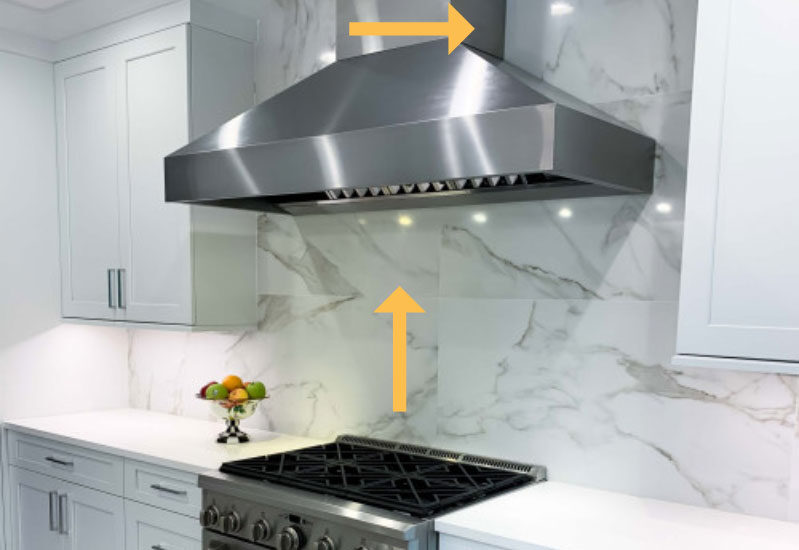
Credit: blog.yaleappliance.com
Benefits Beyond Code Compliance
Installing a range hood is often seen as just a box to tick for meeting building codes. But its benefits go far beyond legal compliance. A range hood can transform your kitchen environment, making it healthier, more comfortable, and safer for you and your family.
Improved Indoor Air Quality
Cooking releases smoke, grease, and harmful pollutants into the air. Without proper ventilation, these particles linger, affecting your indoor air quality.
A range hood captures and removes these contaminants, keeping your kitchen air fresher. This is especially important if anyone in your home suffers from allergies or respiratory issues.
Have you noticed how stale air feels after frying or grilling? A good range hood prevents that discomfort by continuously clearing the air.
Reducing Odors And Moisture
Strong cooking smells can hang around for hours or even days without proper ventilation. This can be unpleasant and even affect other rooms in your home.
Range hoods help by quickly venting odors outside or filtering them out, so your kitchen and living spaces stay inviting. They also reduce moisture buildup, which can cause mold and damage over time.
Think about the last time steam fogged up your kitchen windows. A range hood minimizes that excess moisture, protecting your walls and cabinets.
Enhancing Kitchen Comfort And Safety
Heat from cooking can make your kitchen uncomfortably warm, especially during summer. A range hood helps remove excess heat, keeping the space more pleasant.
Beyond comfort, range hoods improve safety by reducing the risk of grease fires and preventing buildup on surfaces. They also provide extra lighting over your cooktop, making it easier to see what you’re doing.
Have you ever struggled to see the true color of food in dim kitchen lighting? The built-in lights on range hoods solve that problem, helping you cook with confidence.
Frequently Asked Questions
Is A Range Hood Legally Required In Kitchens?
Range hood requirements vary by local building codes. Many codes mandate them in new kitchens for ventilation. Check your local regulations to confirm if a range hood is necessary for your home or renovation project.
What Purpose Does A Range Hood Serve In Kitchens?
A range hood removes smoke, odors, and grease from cooking areas. It improves indoor air quality and reduces moisture buildup. Proper ventilation also protects walls and ceilings from damage caused by cooking fumes.
Are There Exceptions To Range Hood Installation Codes?
Some jurisdictions allow alternatives like downdraft vents or enhanced mechanical ventilation. Older homes might be exempt from current requirements. Always verify local building codes to understand specific exceptions or alternatives.
How Do Building Codes Define Range Hood Ventilation Standards?
Codes specify minimum airflow rates, venting methods, and installation heights. They ensure effective removal of cooking pollutants. Compliance helps maintain safety, air quality, and energy efficiency in kitchens.
Conclusion
Building codes often require range hoods to keep kitchens safe. They help remove smoke, steam, and odors while cooking. Installing one can improve air quality and reduce fire risks. Not every kitchen needs the same type, so check local rules first.
Good ventilation protects your home and family’s health. Choose a range hood that fits your space and meets code. A proper hood makes cooking cleaner and safer. Remember, following code keeps your kitchen comfortable and secure.