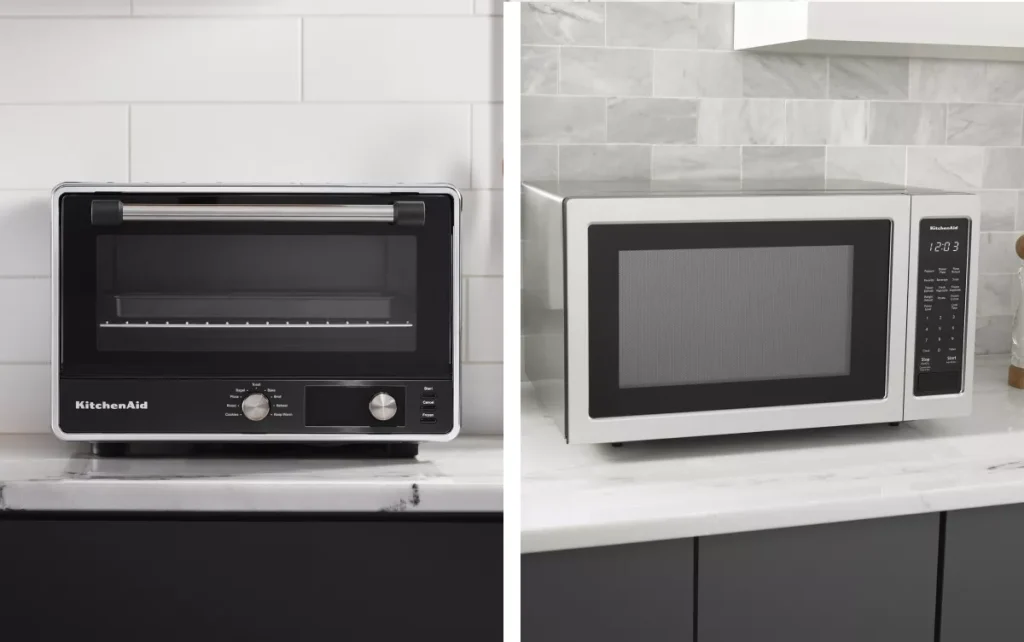
You’re standing in your kitchen, staring at two of your most reliable appliances: the toaster oven and the microwave. Both promise convenience, but which one truly deserves the crown for your daily cooking needs?
This is a decision that could transform the way you prepare meals and snacks. Are you looking for something quick and efficient, or is crispy and golden more your style? Imagine the possibilities and the flavors you can unlock by making the right choice.
Ready to uncover which appliance is best suited for your lifestyle? Let’s dive into the pros and cons of each, so you can make an informed decision that satisfies both your taste buds and your time.
Toaster Oven Basics
Understanding the basics of a toaster oven can help you decide if it fits better in your kitchen than a microwave. These compact appliances offer more than just toasting bread—they can bake, broil, and reheat food in ways that might surprise you. Let’s break down how they work and what features you can expect.
How Toaster Ovens Work
Toaster ovens use heating elements, usually placed at the top and bottom inside the oven, to cook food. These elements heat up quickly and radiate warmth evenly around the food. Unlike microwaves that heat food by agitating water molecules, toaster ovens cook by direct heat, which can brown and crisp your food.
Think about the last time you reheated pizza in a microwave. It probably turned out soggy, right? A toaster oven, on the other hand, can bring back that crispy crust by circulating hot air around the slice. This difference in cooking method can dramatically change the texture and taste of many dishes.
Common Features And Functions
Most toaster ovens come with several settings that make them versatile. You’ll find options like toast, bake, broil, and sometimes even a convection feature that uses a fan to circulate hot air for faster and more even cooking.
- Temperature Control:Allows you to set precise cooking temperatures, often ranging from 150°F to 450°F.
- Timer:Lets you set cooking times to avoid overcooking or burning your food.
- Multiple Racks:Some models have adjustable racks, so you can cook different sizes or multiple items at once.
- Crumb Tray:Makes cleaning easier by catching crumbs and drips.
These features give you more control over your cooking than a microwave typically offers. Have you ever wished your microwave could brown or crisp your food? A toaster oven might be the upgrade you need.
Microwave Essentials
Microwaves are common kitchen appliances designed for quick heating. They use a special type of energy to cook food fast. Understanding how microwaves work helps in comparing them with toaster ovens. This section explains basic microwave features and their common uses.
Microwave Cooking Technology
Microwaves use electromagnetic waves to heat food. These waves target water molecules inside the food. The molecules vibrate quickly, producing heat. This heat cooks the food from the inside out. The process is fast because it heats food directly.
Microwave ovens have a magnetron that creates the waves. A metal shield keeps the waves inside the oven. The turntable inside rotates food for even cooking. Microwaves do not brown or crisp food. They mainly heat and defrost food efficiently.
Typical Uses In The Kitchen
- Reheating leftovers quickly
- Defrosting frozen foods safely
- Cooking simple meals like microwave dinners
- Warming beverages such as coffee or tea
- Softening butter or melting chocolate
- Steaming vegetables in a short time
Microwaves excel at fast and convenient cooking tasks. They save time and reduce the need for extra pots or pans. The appliance is ideal for busy schedules and small kitchens. However, microwaves do not create crispy textures or brown surfaces.
Cooking Performance Comparison
Comparing the cooking performance of toaster ovens and microwaves reveals key differences. Each appliance excels in certain areas. Understanding these can help choose the right kitchen tool for daily cooking needs.
Speed And Efficiency
Microwaves heat food much faster than toaster ovens. They use electromagnetic waves to warm food quickly. This makes microwaves ideal for reheating or simple cooking tasks.
Toaster ovens take longer because they use heating elements. They need time to preheat and cook food evenly. This can be less efficient for quick meals but better for thorough cooking.
Texture And Taste Results
Toaster ovens produce crispier textures and better browning. They can bake, toast, and roast, enhancing food flavors. Foods cooked in toaster ovens often taste more like oven-cooked meals.
Microwaves tend to make food softer and sometimes soggy. They do not brown or crisp food well. This can affect taste and texture negatively for some dishes.
Versatility In Cooking
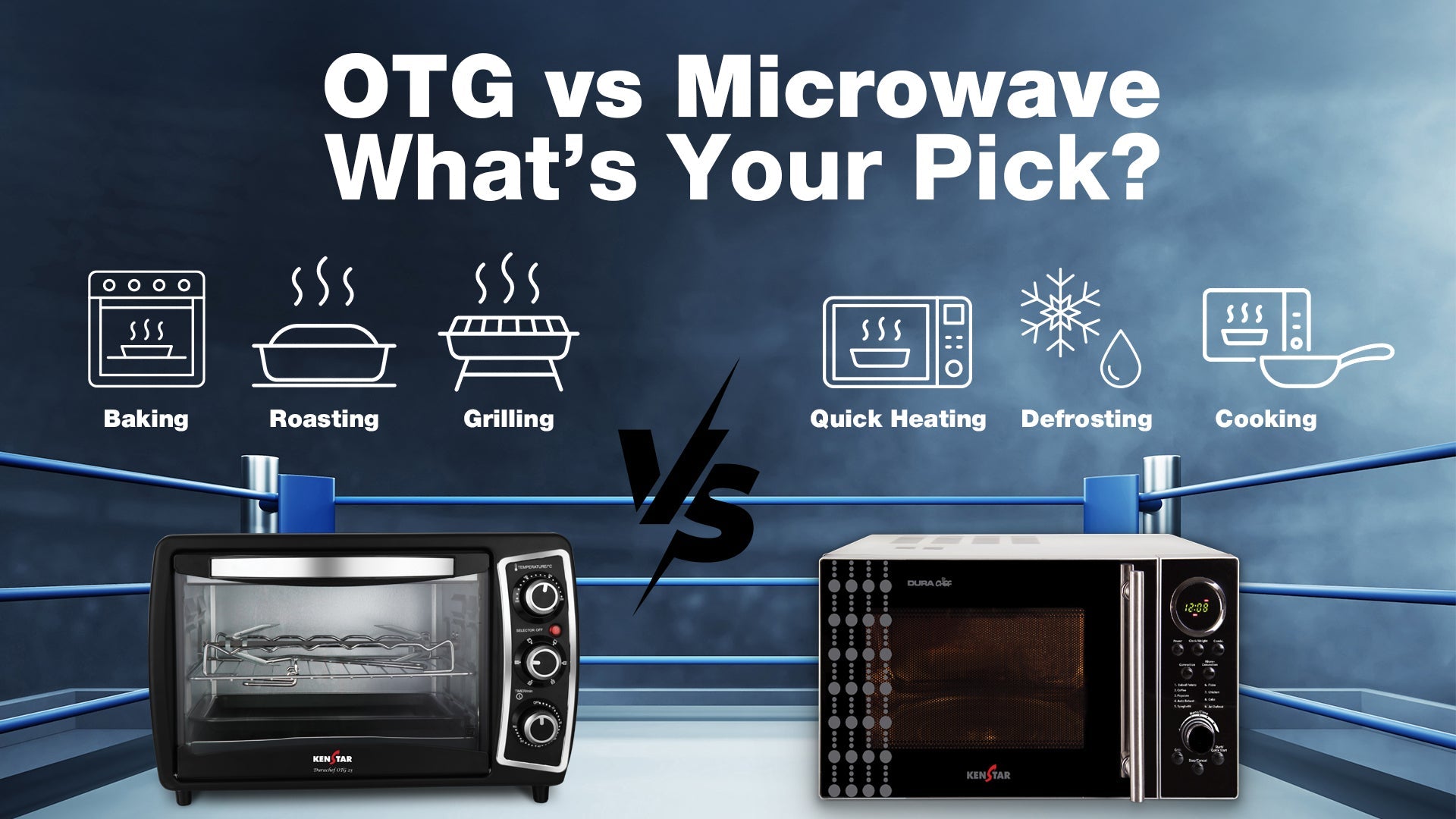
- Toaster ovens can bake, broil, toast, and roast.
- Microwaves mainly reheat, defrost, and cook simple meals.
- Toaster ovens handle a wider variety of cooking tasks.
- Microwaves are limited to quicker, less complex cooking.
Credit: kenstar.in
Energy Use And Cost
Energy use and cost matter when choosing between a toaster oven and a microwave. Both appliances consume electricity but in different ways. Understanding their power use helps decide which is cheaper to run and better for your budget.
Power Consumption
Microwaves usually use between 600 and 1200 watts. They cook food quickly by heating water molecules inside the food. Toaster ovens use more power, often between 1200 and 1800 watts. They heat the air inside to cook food, which takes longer.
Microwaves save energy by cooking faster. Toaster ovens use more power but can be efficient for small meals. The time each appliance runs affects total power used. Short cooking times mean less energy wasted.
Long-term Cost Implications
Microwaves cost less to operate monthly due to shorter cooking times. Toaster ovens may increase electricity bills with longer use. Over time, the difference adds up. However, toaster ovens can replace other appliances, saving money on extra devices.
Consider your cooking habits. Frequent quick reheating favors microwaves. Baking or crisping food fits toaster ovens better. Energy costs vary by location, so check local rates. Small changes in energy use impact long-term savings.
Space And Design Considerations
When choosing between a toaster oven and a microwave, space and design play a huge role in your decision. Both appliances serve different functions, and how they fit into your kitchen can affect your cooking routine. Let’s look closer at how each impacts your counter and overall kitchen style.
Counter Space Impact
Microwaves tend to be more compact, which makes them easier to fit into tight kitchen spots. They usually sit flat and don’t take up much vertical space, leaving room for other essentials.
Toaster ovens, on the other hand, are generally larger and deeper. If you have limited counter space, a toaster oven might crowd your work area, especially since you need extra space to open the door fully.
Think about how you use your kitchen. Do you prefer a clear countertop for prep or need multiple appliances ready to go? Your answer will guide which appliance suits your space better.
Aesthetic And Size Differences
Microwaves come in sleek, simple designs focused on functionality. Their look is usually minimalistic, blending into modern kitchens without drawing much attention.
Toaster ovens offer more variety in style and finish. You can find models with retro charm, stainless steel accents, or colorful exteriors that can add personality to your kitchen.
Size-wise, toaster ovens can feel bulky, but their design often includes extra features like multiple racks or digital controls. Consider whether you want an appliance that stands out or one that quietly fits into your kitchen’s background.

Credit: glenindia.com
Safety And Maintenance
Safety and maintenance are key points when choosing between a toaster oven and a microwave. Both appliances need proper care to work well and avoid accidents. Understanding how easy they are to clean and their safety features helps in making the best choice for your kitchen.
Ease Of Cleaning
Toaster ovens often have crumb trays. These trays catch food bits and make cleaning simple. The interior can get greasy and may need regular wiping with a damp cloth. Microwaves usually have smooth interiors, making them easier to wipe down quickly. Spills can be cleaned with a sponge or microwave-safe cloth. Both appliances benefit from regular cleaning to keep germs away and maintain performance.
Safety Features
Microwaves have automatic shut-off timers that stop cooking when time ends. This helps avoid overheating food or fires. Many microwaves also have child locks to prevent accidental use. Toaster ovens have cool-touch handles and insulated doors to reduce burn risk. Some models include automatic shut-off features too. Both appliances need to be placed on stable surfaces and used with care to ensure safety during cooking.
Best Uses For Each Appliance
Choosing between a toaster oven and a microwave often depends on what you want to cook and how you like your food. Each appliance shines in different scenarios, making them valuable in your kitchen for specific tasks. Understanding their best uses helps you get the most out of both, saving time and improving your meals.
Ideal Toaster Oven Meals
A toaster oven excels at cooking foods that benefit from crispiness and even browning. Think toasted bagels, small casseroles, and roasted vegetables. You can bake cookies or reheat pizza slices, and the results often taste fresher than microwave-reheated versions.
Because of its ability to maintain dry heat, a toaster oven is perfect for meals like:
- Broiled salmon or chicken breasts with a crispy skin
- Roasted potatoes or mixed veggies with a golden finish
- Melting cheese on sandwiches or open-faced melts
Have you noticed how reheated pizza in a toaster oven stays crisp instead of turning soggy? That’s the kind of texture difference that makes a toaster oven worth using.
When To Choose A Microwave
A microwave is your go-to for speed and convenience. It heats food quickly by agitating water molecules, making it ideal for defrosting frozen meals or reheating leftovers in seconds.
Microwaves work best for:
- Steaming vegetables fast without losing nutrients
- Reheating soups and stews without drying them out
- Making quick snacks like popcorn or mug cakes
If you’re in a hurry or want to avoid heating up your whole kitchen, the microwave is the clear winner. Ever tried steaming broccoli in a microwave? It’s surprisingly simple and keeps the veggie tender-crisp.
Credit: medium.com
Making The Right Choice
Choosing between a toaster oven and a microwave isn’t just about space or budget; it’s about matching your kitchen habits and food preferences. Each appliance offers unique benefits that can suit different cooking styles. Understanding these differences helps you pick the right tool for your daily meals.
Factors To Consider
Think about what you cook most often. If you love crispy toast, baked goods, or reheated leftovers with a fresh texture, a toaster oven shines. It delivers even heat and browning that a microwave can’t match.
Microwaves excel at speed and convenience. They quickly heat soups, steam vegetables, and defrost frozen food. However, they often leave food soggy or unevenly heated.
Space and energy use also matter. Toaster ovens take more counter room and longer cooking times but use less energy than heating a full-size oven. Microwaves are compact and fast, perfect for tight kitchens or quick snacks.
Combining Both Appliances
You don’t have to pick just one. Many kitchens benefit from having both a toaster oven and a microwave. Use the microwave for reheating and defrosting, then finish in the toaster oven for crispiness.
Imagine warming leftover pizza. The microwave heats it fast but makes the crust chewy. Pop it in the toaster oven for a few minutes, and you get that perfect crunch. This combo saves time without sacrificing quality.
Do you often cook different types of meals? Having both appliances gives you flexibility. You can steam vegetables in the microwave while baking chicken in the toaster oven. This multitasking can streamline your cooking process.
Frequently Asked Questions
Is A Toaster Oven Healthier Than A Microwave?
A toaster oven uses dry heat, which can crisp food better. Microwaves cook faster but may retain more moisture. Both methods preserve nutrients well, but toaster ovens can reduce fat by allowing excess to drip away.
Can A Toaster Oven Replace A Microwave?
A toaster oven can replace a microwave for many tasks like baking and toasting. However, microwaves cook food faster and are better for reheating liquids and frozen meals.
Which Appliance Saves More Energy, Toaster Oven Or Microwave?
Microwaves generally use less energy because they cook food faster. Toaster ovens take longer, using more electricity. For quick meals, microwaves are more energy-efficient and cost-effective.
Are Toaster Ovens Better For Cooking Frozen Foods?
Toaster ovens cook frozen foods evenly and can brown or crisp them. Microwaves heat quickly but may leave frozen food soggy or unevenly heated, making toaster ovens a better option for texture.
Conclusion
A toaster oven and a microwave serve different kitchen needs. A toaster oven cooks food with crispiness and browning. A microwave heats food quickly but may not add texture. Choose the appliance based on what you cook most. Small meals or reheating suit microwaves well.
Baking and toasting work better in toaster ovens. Both can be helpful, depending on your routine. Think about space, time, and food type before deciding. Your choice can make cooking easier and more enjoyable. Simple and smart.