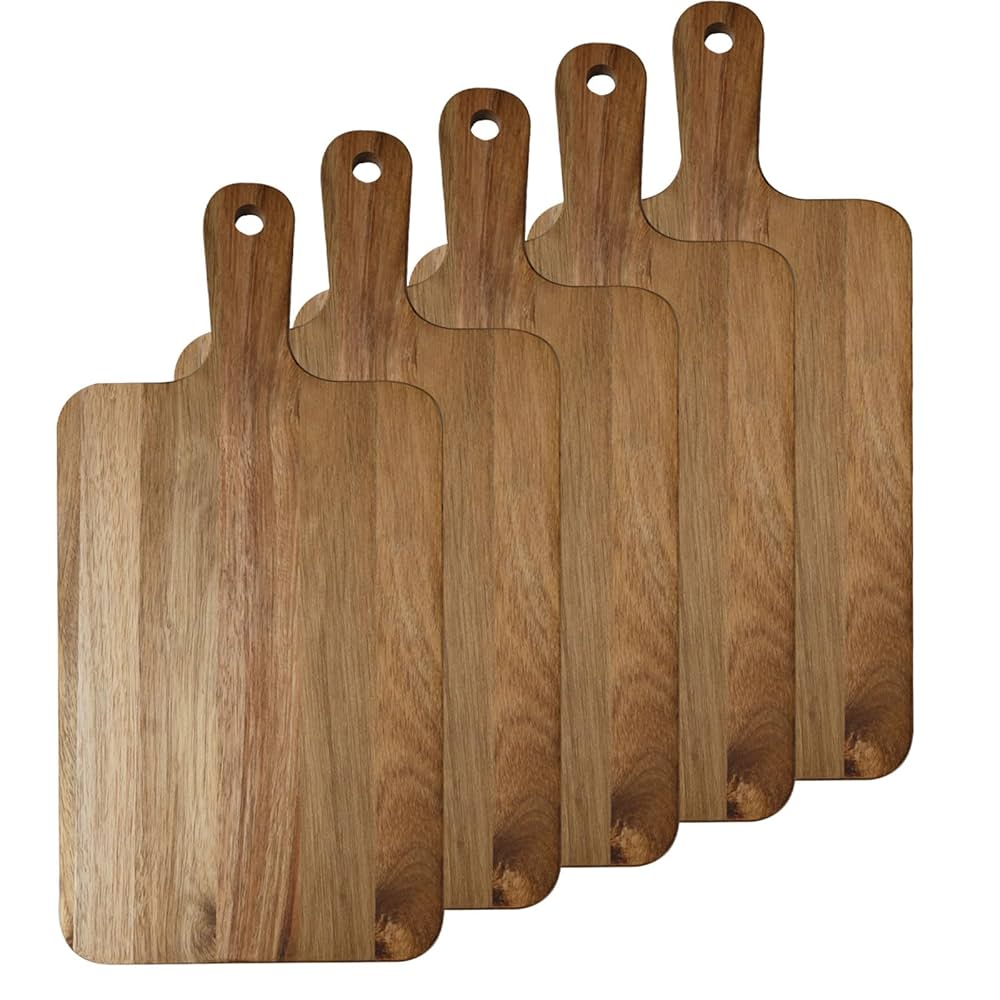
Are you wondering if acacia is the right choice for your cutting board? Choosing the perfect wood for your kitchen tools can be tricky.
You want something durable, easy to clean, and beautiful to look at. Acacia wood might just check all those boxes. But is it truly good for cutting boards? Keep reading to discover the surprising benefits and a few things you should watch out for before making your decision.
This guide will help you pick the best cutting board for your kitchen needs.
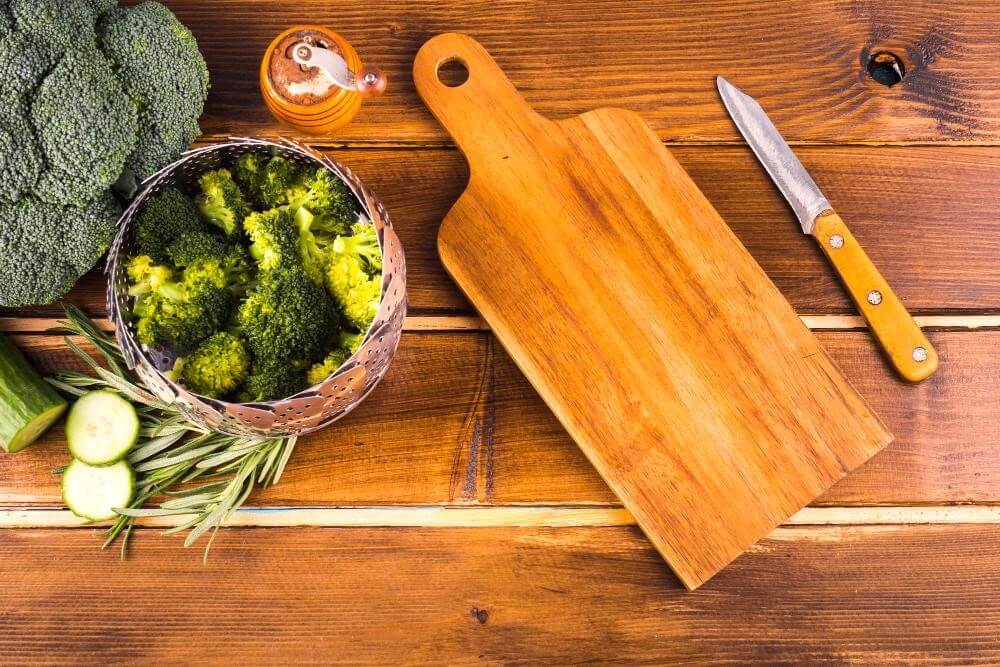
Credit: leeknives.com
Durability Of Acacia Wood
Acacia wood is a popular choice for cutting boards. It is known for its strength and lasting quality. Many people wonder if it holds up well in a busy kitchen.
This article looks at how hard and resistant acacia wood is. We also discuss how long it lasts and compare it to other woods used for cutting boards.
Hardness And Resistance
Acacia wood is a hardwood with good resistance to dents and scratches. Its surface can handle knives well without showing damage quickly.
- Acacia has a Janka hardness rating of about 1,700.
- This rating means it is harder than many common woods like maple.
- Its dense grain helps resist moisture and warping.
- Acacia resists bacteria better because it has natural oils.
Longevity In Kitchen Use
Acacia cutting boards last a long time with proper care. They do not crack or split easily, even with frequent use and washing.
| Factor | Acacia Wood |
| Resistance to moisture | High |
| Wear and tear | Very good |
| Maintenance needs | Oil regularly |
| Overall lifespan | Many years |
Comparison With Other Woods
Acacia is harder than many woods used for cutting boards. It compares well with hardwoods like maple and walnut.
- Maple:Slightly softer, needs more care.
- Walnut:Softer, elegant look but scratches more.
- Bamboo:Hard but can be brittle and crack.
- Acacia:Hard, durable, and moisture resistant.
Style And Aesthetics
Acacia wood is popular for cutting boards because of its unique style. It offers a warm and natural look that fits many kitchens.
Its appearance adds charm and character to your kitchen space. Acacia boards often become a focal point on countertops.
Natural Grain Patterns
Acacia wood shows beautiful grain patterns that vary from board to board. These grains create interesting lines and shapes.
Each cutting board has a unique look because no two grains are the same. This natural variation adds a rustic feel.
Color Variations
Acacia wood comes in rich colors, from light golden tones to deep browns. These color changes give the wood a lively look.
The mix of lighter and darker areas on the board makes it visually appealing. It looks warm and inviting in any kitchen.
Complementing Kitchen Decor
Acacia cutting boards match well with many kitchen styles. They blend easily with both modern and traditional designs.
The natural wood tones add warmth and texture. These boards enhance the look of marble, granite, or stainless steel surfaces.
Safety For Food Preparation
Choosing the right wood for cutting boards is important. Acacia is a popular choice for kitchen use.
This wood is known for being durable and safe for food preparation. Let’s look at why it is a good option.
Non-toxic Properties
Acacia wood does not contain harmful chemicals or toxins. It is safe to use with food.
This means no dangerous substances can seep into your food while cutting or chopping.
Resistance To Bacteria
Acacia has natural oils that help resist bacteria growth. This makes it safer than some other woods.
The tight grain of acacia wood also reduces spaces where bacteria can hide and grow.
Maintenance For Hygiene
Cleaning acacia cutting boards is easy. Use warm water and mild soap after each use.
Regular oiling helps keep the wood strong and prevents cracks where germs can build up.
- Wash with warm, soapy water
- Dry completely before storing
- Apply food-safe mineral oil monthly
- Avoid soaking in water or dishwasher use
Care And Maintenance Tips
Acacia wood is a popular choice for cutting boards. It looks beautiful and lasts long with the right care. Proper maintenance keeps your board safe and clean for food use.
Here are some tips to help you clean, oil, and protect your acacia cutting board. Follow these steps to avoid damage and keep it in good shape.
Cleaning Best Practices
Clean your acacia cutting board right after use. Use warm water and mild soap to remove food particles. Avoid soaking the board in water to prevent warping.
Dry the board immediately with a clean towel. Let it air dry standing up to keep both sides dry. Avoid putting the board in the dishwasher.
- Use a soft sponge or cloth for cleaning
- Rinse with warm water and mild soap
- Do not soak the board in water
- Dry immediately after washing
- Never use a dishwasher
Oiling And Conditioning
Oiling your acacia cutting board helps keep the wood strong and water-resistant. Use food-safe mineral oil or special cutting board oil. Apply oil regularly to prevent cracks.
Before oiling, clean and dry the board well. Use a soft cloth to spread the oil evenly. Let the oil soak in for a few hours or overnight. Wipe off any extra oil with a dry cloth.
- Clean and dry board before oiling
- Use food-safe mineral or cutting board oil
- Apply oil with a soft cloth evenly
- Let oil soak for several hours
- Remove excess oil with a dry cloth
Avoiding Common Damages
Acacia boards can crack or warp if not cared for properly. Avoid leaving the board wet or in direct sunlight. Do not cut on the board with very sharp or serrated knives aggressively.
Keep the board away from extreme heat or cold. Store it standing up in a dry place. Avoid using harsh chemicals or bleach on the wood surface.
- Do not leave board wet or soaking
- Avoid direct sunlight and heat
- Use gentle cutting motions with knives
- Store board standing up in dry place
- Do not use bleach or harsh cleaners
Cost And Value
Acacia wood is a popular choice for cutting boards. It offers a good balance between price and quality. Many people wonder if acacia boards are worth the cost.
This article looks at the price range, benefits, and where to find quality acacia cutting boards. It helps you decide if acacia is right for your kitchen.
Price Range
Acacia cutting boards come in different prices. The cost depends on size, thickness, and design. They are usually less expensive than some hardwood options like walnut.
| Size | Price Range (USD) |
|---|---|
| Small (8×10 inches) | $15 – $25 |
| Medium (10×14 inches) | $25 – $40 |
| Large (14×20 inches) | $40 – $70 |
Investment Benefits
Acacia wood boards last long if cared for properly. They resist cuts and stains better than cheaper woods. This durability adds value over time.
- Hard surface that resists knife marks
- Natural antibacterial properties
- Easy to maintain with regular oiling
- Attractive grain that improves with use
Buying an acacia board means less frequent replacements. It is a cost-effective choice for daily kitchen use.
Where To Buy Quality Boards
Quality acacia cutting boards come from trusted sellers. Look for boards made from solid wood, not veneers. Many online and local stores sell these boards.
- Specialty kitchen shops
- Online marketplaces like Amazon or Etsy
- Home goods stores
- Direct from woodworking artisans
Check reviews and product details before buying. A good quality board offers better value than a cheap one.

Credit: www.amazon.ca

Credit: www.homehardware.ca
Frequently Asked Questions
What Makes Acacia Wood Suitable For Cutting Boards?
Acacia wood is durable and water-resistant, making it ideal for cutting boards. Its dense grain structure helps prevent knife marks. Additionally, its natural oils resist bacteria growth, ensuring a hygienic surface. Acacia’s rich color and beautiful grain patterns also add aesthetic appeal to any kitchen.
Is Acacia Wood Safe For Food Preparation?
Yes, acacia wood is safe for food preparation. Its natural antibacterial properties reduce the risk of contamination. Regular cleaning ensures a hygienic surface. Acacia wood is also less porous than other woods, minimizing moisture absorption. This makes it an excellent choice for maintaining food safety.
How Do I Care For An Acacia Cutting Board?
To care for an acacia cutting board, hand wash it with mild soap. Avoid soaking or using a dishwasher. Dry it immediately with a towel. Regularly apply mineral oil to maintain the wood’s moisture and prevent cracking. This care routine will extend your board’s lifespan.
Does Acacia Wood Dull Knives?
Acacia wood is gentle on knives, helping maintain their sharpness. Its dense grain minimizes blade contact, reducing wear. However, regular knife maintenance is essential. Acacia’s durability ensures a long-lasting cutting surface without excessive knife dulling, making it a preferred choice for many chefs.
Conclusion
Acacia wood works well for cutting boards. It is strong and lasts a long time. The wood resists water and cuts marks. It also looks warm and natural in kitchens. Cleaning acacia boards is easy with soap and water. Avoid soaking them to keep the wood healthy.
Overall, acacia offers a good balance of beauty and function. It suits many cooking tasks and styles. A solid choice for anyone needing a reliable cutting board.