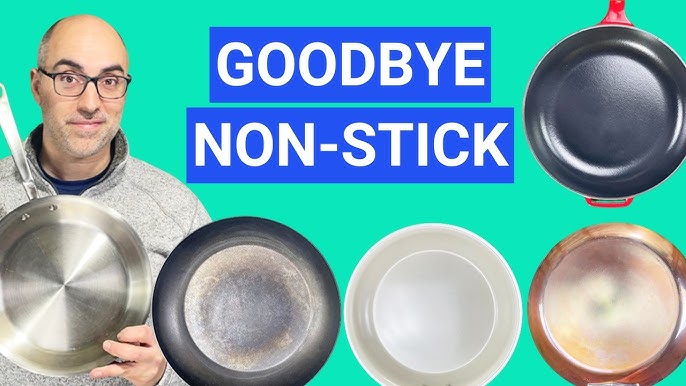
Are you worried about the safety of your cookware? If you’ve been eyeing All Clad non-stick pans or already own one, you probably want to know if it’s truly safe for you and your family.
After all, what you cook with can affect your health in ways you might not realize. You’ll discover the facts behind All Clad’s non-stick technology, what makes it different, and whether it’s a smart choice for your kitchen. Keep reading to make sure your meals are not only delicious but also safe.
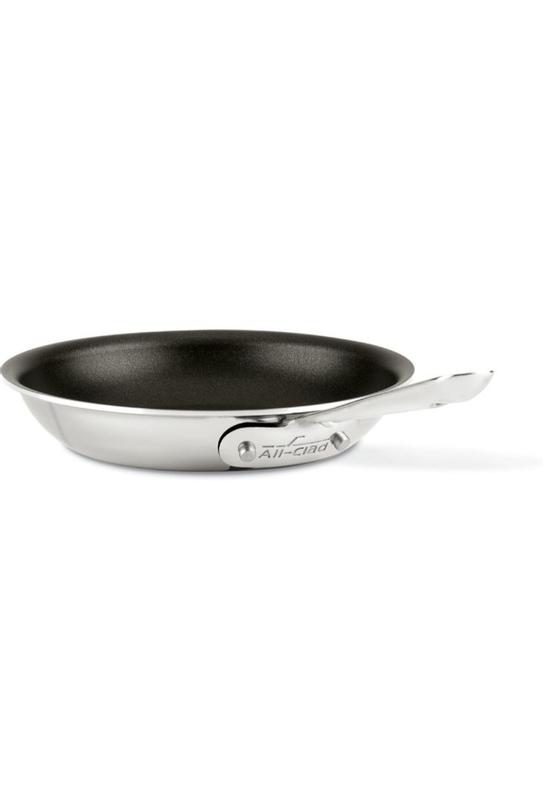
Credit: www.all-clad.com
All Clad Non Stick Materials
All Clad makes cookware with non stick surfaces for easy cooking and cleaning. These materials help food not stick to the pan.
Understanding the materials used in All Clad non stick pans helps you know if they are safe and durable.
Types Of Non Stick Coatings
All Clad uses mostly PTFE-based coatings for their non stick pans. PTFE stands for polytetrafluoroethylene, a common non stick material.
The coating is PFOA-free, which means it does not have a harmful chemical once used in older coatings. This makes it safer for cooking.
- PTFE coating is smooth and prevents food from sticking.
- It is heat resistant but should not be overheated above 500°F.
- The coating is bonded to the pan for durability.
Core Construction And Durability
All Clad pans have a core made of stainless steel and aluminum layers. This helps with even heating across the pan.
The aluminum core heats quickly and spreads heat well. Stainless steel on the outside adds strength and prevents rust.
- Multi-ply construction means layers of metal fused together.
- This makes pans strong and long lasting.
- The non stick coating adds easy cleaning but needs gentle care.
Health And Safety Factors
Choosing safe cookware is important for your health. Non-stick pans like All Clad are popular, but you must know what is inside the coatings. This helps avoid health risks.
We will look at the chemicals used in All Clad non-stick coatings. Then, we will explain possible risks and safety concerns to keep you informed.
Chemical Components In Coatings
All Clad non-stick pans use layers of materials to prevent food from sticking. The top coating is usually made from substances like PTFE (polytetrafluoroethylene). This chemical creates a smooth, non-stick surface.
Sometimes, other chemicals help improve durability and heat resistance. These can include ceramic or titanium particles. The base is often aluminum or stainless steel for even heat.
- PTFE – provides non-stick surface
- Ceramic particles – add scratch resistance
- Titanium – strengthens coating
- Aluminum or stainless steel – base material
Potential Risks And Concerns
While All Clad coatings are generally safe, some risks exist. Overheating the pan can break down non-stick chemicals. This may release fumes that irritate the lungs.
Another concern is scratching or damaging the coating. Using metal utensils can cause chips, which may lead to coating particles mixing with food.
| Risk | Cause | Effect | Prevention |
|---|---|---|---|
| Fumes from overheating | Heating pan above 500°F (260°C) | Respiratory irritation | Cook at medium or low heat |
| Coating damage | Using metal utensils or abrasive cleaners | Coating flakes in food | Use wooden or silicone utensils |
| Wear over time | Frequent use and cleaning | Reduced non-stick effect | Replace pan if coating peels |
Expert Opinions On Safety
Many experts have studied the safety of All Clad non-stick cookware. They focus on the materials used and how the pans perform when heated. This helps to determine if the cookware is safe for everyday use.
Experts also compare All Clad products to other non-stick brands. They look for any harmful chemicals or coating breakdown that can affect health.
Research Findings
Scientific studies show All Clad non-stick pans use high-quality coatings. These coatings resist scratching and peeling better than cheaper options. This lowers the chance of toxic chemicals entering food.
Tests also find that All Clad pans do not release harmful fumes at normal cooking temperatures. Experts say this makes them safe for typical kitchen use.
- Coatings are durable and heat resistant
- No toxic chemical release below 500°F (260°C)
- Minimal risk of coating breakdown with proper care
Industry Standards And Certifications
All Clad non-stick cookware meets many safety standards. These include tests for food safety and chemical limits. Certifications show the product follows strict rules.
Certifications from trusted organizations give users confidence. They prove the cookware has passed health and safety checks.
- FDA approval for food contact safety
- Compliance with European food safety standards
- PTFE and PFOA free certifications
Proper Use And Maintenance
All Clad non-stick pans offer great cooking ease if you use and care for them well. Proper handling keeps the coating safe and extends the pan’s life.
Simple steps in cleaning and avoiding damage help maintain the pan’s performance. Follow these tips to keep your cookware in top shape.
Cleaning Tips
Cleaning your All Clad non-stick pan correctly prevents wear and keeps the surface smooth. Use gentle tools and avoid harsh chemicals.
- Let the pan cool before washing it to avoid warping.
- Use warm water and mild dish soap for washing.
- Clean with a soft sponge or cloth; avoid steel wool.
- Dry the pan thoroughly to stop water spots.
- Remove stuck food by soaking the pan in warm soapy water.
Avoiding Damage To Coating
The non-stick coating is delicate. Protect it by using the right utensils and cooking methods.
| Wrong Use | Effect on Coating | Recommended Action |
| Using metal utensils | Scratches and peeling | Use wooden or silicone tools |
| High heat cooking | Coating breakdown | Cook on medium or low heat |
| Stacking pans without protection | Scratches on surface | Use pan protectors or cloths |
| Dishwasher cleaning | Coating fading over time | Hand wash only |
Comparing All Clad With Other Brands
All Clad non-stick pans are popular for their quality and design. Many people want to know how they compare to other brands.
This comparison looks at how All Clad performs and how safe it is versus other non-stick cookware.
Performance Differences
All Clad pans heat up evenly and hold heat well. Some brands may have hot spots that cook food unevenly.
All Clad’s non-stick surface is strong and lasts longer than many cheaper brands. It helps with easy food release and simple cleaning.
- All Clad offers better heat distribution
- Its non-stick coating is durable
- Other brands may lose non-stick quality faster
- Some brands have lower heat tolerance
Safety Profiles
All Clad uses PFOA-free coatings, which are safer for cooking. Some older or cheaper brands may still use harmful chemicals.
All Clad pans do not release toxic fumes when heated properly. Other brands might release fumes if overheated.
- All Clad non-stick is PFOA-free
- It resists peeling and scratching better
- Other brands can break down faster
- Proper use is important for all pans

Credit: www.all-clad.com
Signs Of Wear And When To Replace
All Clad non-stick pans are popular for easy cooking and cleanup. Over time, their coating can wear down. Knowing the signs of wear helps you decide when to replace your pan.
Using worn cookware can affect cooking results and your health. Watch for clear signs that show the coating is no longer safe.
Identifying Coating Degradation
The non-stick surface can degrade from scratches, chips, or peeling. This damage reduces the pan’s effectiveness and safety.
- Scratches or visible marks on the coating
- Peeling or flaking of the non-stick layer
- Food sticking more than usual
- Discoloration or dark spots on the pan
- Rough texture where the coating is worn
If you see these signs, it means the coating is breaking down. Continued use may cause the coating to release harmful particles.
Health Implications Of Worn Cookware
Non-stick coatings may contain chemicals that can be unsafe if ingested. When the coating wears off, small flakes can mix with your food.
Using damaged pans can lead to chemical exposure or metal contamination. This risk increases if the pan has deep scratches or peeling areas.
- Ingesting flakes from the worn coating
- Possible release of toxic fumes at high heat
- Metal exposure from the base of the pan
- Reduced cooking performance leading to uneven heating
Replacing worn non-stick pans helps keep your cooking safe and healthy. Always inspect your cookware regularly for wear.

Credit: www.all-clad.com
Frequently Asked Questions
Is All Clad Non-stick Cookware Safe To Use?
Yes, All Clad non-stick cookware is safe for cooking. It is made with PFOA-free non-stick coatings. This ensures you can cook without releasing harmful chemicals. Always use medium to low heat to maintain its safety and longevity.
Can All Clad Non-stick Go In The Oven?
Yes, All Clad non-stick cookware is oven safe. It can withstand temperatures up to 500°F. However, avoid using it under a broiler as the intense heat can damage the coating.
How Should I Clean All Clad Non-stick Pans?
Clean All Clad non-stick pans with warm soapy water. Use a soft sponge to avoid scratching the surface. Avoid using abrasive cleaners or steel wool to maintain the non-stick coating.
Is It Safe To Use Metal Utensils On All Clad Non-stick?
No, using metal utensils can scratch the non-stick surface. Always use wooden, silicone, or plastic utensils. This helps preserve the non-stick coating and extends the life of the cookware.
Conclusion
All Clad non-stick pans offer a safe cooking experience. They use quality materials that resist scratches and wear. Cooking with these pans helps reduce oil use, making meals healthier. Proper care keeps their non-stick coating intact for longer. Always avoid overheating to protect the surface.
Choosing All Clad means investing in durable cookware. Clean gently with soft sponges to maintain safety. Trust in their design for everyday cooking needs. Safe, easy, and reliable—these pans fit most kitchens well.