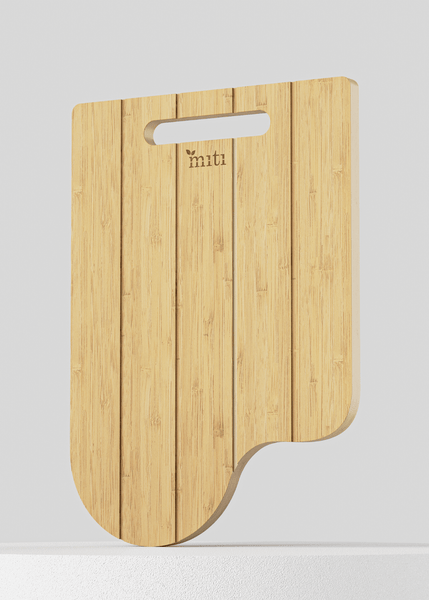
Are you thinking about upgrading your kitchen tools? Choosing the right cutting board might seem simple, but it can make a big difference in your cooking experience.
Bamboo cutting boards have become really popular, but is bamboo really the best choice for you? You’ll discover what makes bamboo special, how it compares to other woods, and whether it’s the perfect fit for your kitchen. Keep reading to find out if bamboo cutting boards can make your food prep easier, cleaner, and more enjoyable.

Credit: www.kitchenstuffplus.com
Bamboo’s Durability
Bamboo is often used for cutting boards because of its strength. It is a durable material that holds up well in the kitchen. Many people wonder if it lasts as long as other woods.
This section explains how bamboo compares to other woods in hardness, resistance to knife marks, and how long it lasts in kitchen use.
Hardness Compared To Other Woods
Bamboo is harder than many common hardwoods used for cutting boards. It has a high Janka hardness rating, which measures wood’s resistance to dents and wear.
Its hardness helps bamboo resist scratches and damage from daily use better than softer woods like pine or cedar.
- Bamboo hardness is similar to maple
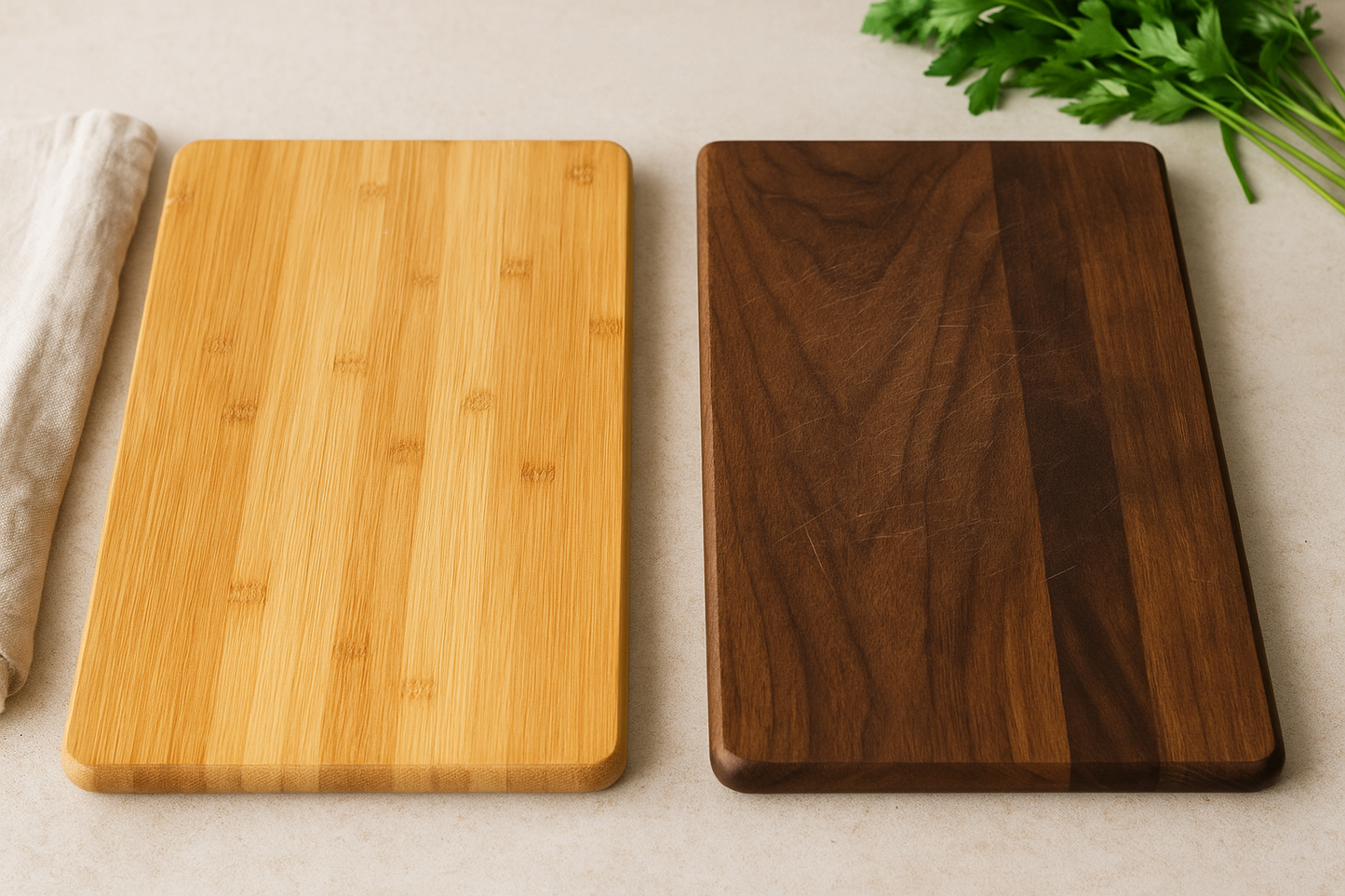
- Harder than walnut and cherry woods
- Less prone to dents than softer woods
Resistance To Knife Marks
Bamboo cutting boards resist knife marks well. The tight grain of bamboo fibers helps keep the surface smooth after cutting.
This means your board will look newer longer and avoid deep grooves that can trap bacteria.
- Bamboo does not dull knives quickly
- Surface recovers better from small cuts
- Less groove buildup compared to softer woods
Longevity In Kitchen Use
Bamboo cutting boards last a long time with proper care. Their hardness and resistance to water damage make them durable.
Regular oiling and cleaning help bamboo boards stay strong and prevent cracking or warping.
- Can last several years with good maintenance
- Less prone to splitting than some hardwoods
- Resistant to moisture when sealed well
Eco-friendly Benefits
Bamboo is a popular choice for cutting boards. It offers many eco-friendly benefits. People want to use materials that help protect the planet.
This wood grows quickly and is easy to renew. It has a low impact on the environment. Bamboo also meets important sustainability standards.
Rapid Growth And Renewability
Bamboo grows much faster than most trees. It can reach full size in just a few years. This makes it a renewable resource.
After harvesting, bamboo can regrow from its roots. This means no need to replant. The fast growth helps keep forests healthy.
Low Environmental Impact
Bamboo needs less water than many other woods. It also grows without pesticides or fertilizers. This reduces pollution and soil damage.
Its roots hold soil in place. This stops erosion and protects land. Bamboo harvesting uses less energy compared to hardwood logging.
- Requires less water
- Grows without chemicals
- Prevents soil erosion
- Needs less energy to harvest
Sustainability Certifications
Many bamboo products have certifications. These prove the wood was harvested responsibly. Certifications include FSC and similar programs.
Certified bamboo ensures forests are protected. It also supports fair labor practices. Choosing certified bamboo helps promote better industry standards.
- Forest Stewardship Council (FSC)
- Programme for the Endorsement of Forest Certification (PEFC)
- Fair labor and trade certifications
Maintenance And Care
Bamboo cutting boards need regular care to stay strong and safe. Proper maintenance helps keep their look and function.
Simple cleaning and oiling can make your bamboo board last a long time. Avoiding damage is also very important.
Cleaning Tips
Clean your bamboo cutting board right after use. Use warm water and mild soap to wash it.
Do not soak the board in water. It can cause the bamboo to swell or crack over time.
- Use a soft sponge or cloth for cleaning
- Rinse well with warm water
- Dry the board with a towel immediately
- Let it air dry standing up
Oiling And Conditioning
Oiling your bamboo board keeps it from drying out and cracking. Use food-safe mineral oil or bamboo board oil.
Apply oil once a month or when the board looks dry. Rub oil evenly and let it soak in for a few hours.
- Use a clean cloth to apply oil
- Cover all surfaces including edges
- Wipe off extra oil after soaking
- Regular oiling improves board lifespan
Avoiding Warping And Cracking
Keep your bamboo board away from extreme heat or moisture. Sudden changes can cause warping or cracks.
Store the board in a dry place. Avoid placing heavy items on it to prevent bending.
- Do not put bamboo boards in dishwasher
- Keep away from direct sunlight and heat sources
- Store standing up or flat in a cool area
- Use oiling to maintain moisture balance
Health And Safety
Choosing the right wood for cutting boards affects health and safety. Bamboo is a popular choice because of its natural qualities.
This section explains bamboo’s benefits for cutting boards, focusing on health and safety concerns.
Antibacterial Properties
Bamboo has natural antibacterial properties. It helps reduce bacteria on the board’s surface.
Studies show bamboo kills some harmful bacteria faster than other woods. This makes it safer for food use.
Resistance To Moisture And Bacteria
Bamboo is dense and resists moisture well. This lowers the chance of bacteria growing inside the board.
Less moisture means less warping and cracking. The board stays cleaner and lasts longer.
- High density blocks water absorption
- Less water helps stop mold and mildew
- Strong surface stays smooth after cutting
Non-toxic Finishes
Bamboo boards often use natural, non-toxic finishes. These finishes protect wood without harmful chemicals.
Non-toxic oils and waxes keep bamboo safe for food contact. They also make cleaning easier.
Comparing Bamboo To Other Woods
Bamboo is a popular choice for cutting boards. Many people wonder how it compares to traditional wood types. Understanding the differences helps you pick the best board.
This section looks at bamboo compared to maple and teak. It also covers cost considerations to help you decide.
Maple Vs. Bamboo
Maple is a classic wood for cutting boards. It is hard and durable. Bamboo is a grass but acts like wood in many ways.
Maple has a tight grain that resists cuts and scratches. Bamboo is harder and resists water well. Both are gentle on knives.
- Maple is softer than bamboo but still strong
- Bamboo grows faster and is more eco-friendly
- Both woods have natural antibacterial properties
Teak Vs. Bamboo
Teak is known for its oily texture. This makes it very water-resistant. Bamboo also resists water but feels different to touch.
Teak is usually more expensive. It can last a long time with care. Bamboo is lighter and easier to clean.
- Teak has natural oils that protect it
- Bamboo dries faster and resists mold
- Both are good choices for wet kitchen use
Cost Considerations
Bamboo cutting boards often cost less than hardwood boards. This is because bamboo grows quickly and is easy to harvest. Maple and teak boards tend to be pricier.
Price can also depend on board size and brand. Choosing bamboo can save money while still offering good quality.
- Bamboo is affordable and eco-friendly
- Maple boards are mid-range in price
- Teak boards usually cost the most

Credit: www.amazon.ca
Buying Guide
Bamboo is a popular choice for cutting boards. It is eco-friendly and looks nice in kitchens. This guide helps you pick the best bamboo cutting board for your needs.
Knowing the types of bamboo boards and quality signs helps you buy a durable product. You can also find options that fit your budget.
Types Of Bamboo Cutting Boards
Bamboo cutting boards come in different styles. Each style has benefits for cooking and cleaning.
- Edge-Grain:Made from bamboo strips glued side by side. It is smooth and easy to clean.
- End-Grain:Made from bamboo blocks with ends facing up. It is gentle on knives and lasts longer.
- Striped Bamboo:Made by mixing light and dark bamboo strips. It looks attractive and strong.
- Juice Groove Boards:These have a groove around the edge. It catches liquids and keeps counters clean.
What To Look For In Quality
Good quality bamboo boards last longer and stay safe for food use. Check these features before buying.
- Material:Choose boards made of 100% natural bamboo. Avoid boards with fillers or plastic.
- Finish:Look for a smooth finish with food-safe oil. Avoid boards with paint or harmful coatings.
- Thickness:A thicker board is stronger and less likely to warp.
- Joinery:Good glue and tight joints keep the board durable over time.
- Maintenance:Check if the board is easy to clean and maintain. Some need regular oiling.
Budget Options
Bamboo boards come in many price ranges. You can find good options without spending too much.
- Simple edge-grain boards are usually the most affordable.
- Look for sets that include multiple sizes for better value.
- Buy boards with basic finishes to save money, but oil them yourself.
- Check for sales or discounts at kitchen stores or online.
Credit: www.deerandoak.co.uk
Frequently Asked Questions
Is Bamboo Durable For Cutting Boards?
Yes, bamboo is highly durable for cutting boards. It is harder than many traditional woods, which makes it resistant to knife scars. Bamboo’s natural hardness ensures longevity, making it a popular choice for kitchen enthusiasts. Additionally, its density helps prevent deep cuts and grooves, maintaining a smooth surface over time.
Does Bamboo Resist Bacteria And Moisture?
Bamboo naturally resists bacteria and moisture due to its dense fibers. Its low porosity reduces water absorption, preventing bacterial growth. This feature makes bamboo cutting boards more hygienic compared to porous woods. Regular cleaning and drying further enhance its resistance, ensuring a safer surface for food preparation.
Is Bamboo Environmentally Friendly?
Bamboo is environmentally friendly due to its rapid growth. It regenerates quickly, making it a sustainable resource. Unlike hardwoods, bamboo doesn’t require replanting after harvest. Its cultivation also requires less water and no pesticides, minimizing environmental impact. Choosing bamboo products supports eco-friendly practices and helps conserve forest resources.
How Do I Maintain A Bamboo Cutting Board?
Maintaining a bamboo cutting board is simple. Wash it with mild soap and water after use. Avoid soaking to prevent warping. Regularly oil the board with mineral oil to maintain its luster and prevent cracking. Proper care ensures longevity and keeps your cutting board in top condition for years.
Conclusion
Bamboo makes a strong and eco-friendly choice for cutting boards. It resists knife marks and stays cleaner longer. Its natural hardness means it lasts well in the kitchen. Easy to clean and lightweight, bamboo boards suit daily use. They also add a fresh, natural look to your cooking space.
Choosing bamboo means picking a practical and green option. A smart choice for anyone wanting durability and style. Simple care keeps bamboo boards in good shape for years. Worth trying if you want a reliable cutting board.