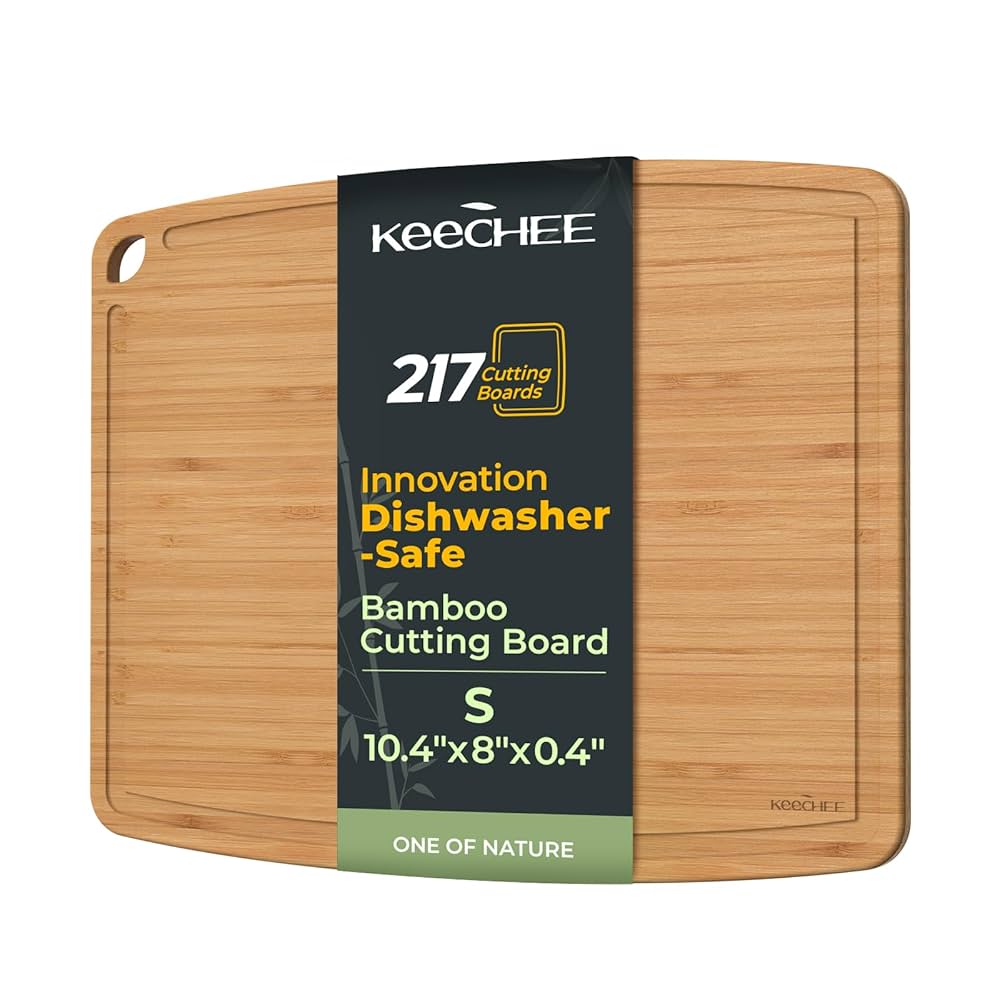
Are you wondering if your bamboo utensils and kitchenware can safely go into your dishwasher? You’re not alone.
Many people are turning to bamboo because it’s eco-friendly and stylish. But when it comes to cleaning, especially with something as convenient as a dishwasher, questions arise. We’ll uncover the truth about whether bamboo is dishwasher safe. You’ll discover important tips to extend the life of your bamboo items and avoid costly mistakes.
Stick around, because what you learn might just save you time, money, and peace of mind.

Credit: www.youtube.com
Bamboo In Kitchenware
Bamboo has become a popular choice in kitchenware due to its natural beauty and sustainable qualities. Many people wonder if bamboo items are dishwasher safe and how they hold up in everyday kitchen use. Understanding the role of bamboo in your kitchen can help you decide if it fits your lifestyle and care routine.
Why Choose Bamboo
Bamboo is a fast-growing grass, making it an eco-friendly alternative to traditional wood. It requires fewer resources to grow and harvest, which means a lower environmental impact.
Beyond sustainability, bamboo is naturally strong and lightweight. It resists stains and odors better than many other materials, keeping your kitchen tools fresher for longer.
Have you noticed how bamboo items add a warm, natural touch to your kitchen decor? Choosing bamboo not only benefits the planet but also enhances your cooking space.
Common Bamboo Items
Bamboo is used in a variety of kitchen products that you might already have at home. These include:
- Cutting boards
- Utensils like spoons, spatulas, and tongs
- Serving trays and bowls
- Steaming baskets
- Chopsticks and toothpicks
Many of these items are durable but require special care to maintain their quality. Are you treating your bamboo kitchenware the right way to ensure they last?
Dishwasher Safety For Bamboo
Wondering if you can pop your bamboo utensils or dishes into the dishwasher without ruining them? Bamboo is a natural material that reacts differently to dishwasher conditions compared to plastic or metal. Understanding how heat, water, and detergents affect bamboo can help you decide the best way to clean your bamboo items and keep them looking great for longer.
Heat And Water Effects
Dishwashers use high heat and intense water pressure, which can be tough on bamboo. The heat may cause bamboo to dry out, leading to cracks or warping over time. Water exposure can make bamboo swell and then shrink as it dries, weakening the fibers.
Think about the last time you left a wooden spoon soaking in water—it likely became softer or started to splinter. Bamboo behaves similarly in the dishwasher. If you want to protect your bamboo, it’s better to hand wash with warm water and dry it quickly.
Detergent Impact
Dishwasher detergents are designed to cut through grease and grime but can be harsh on natural materials. The chemicals in these detergents may strip the bamboo’s natural oils, leaving it dry and brittle. Over time, this can cause discoloration and surface damage.
Have you noticed how some soaps leave your hands feeling dry or rough? The same can happen to bamboo when exposed to strong detergents repeatedly. Using mild soap and gentle cleaning methods will help maintain bamboo’s strength and appearance.
Handwashing Bamboo Items
Handwashing bamboo items is often the safest way to keep them in great shape. Unlike other materials, bamboo is sensitive to harsh conditions like high heat and strong detergents. Taking time to wash by hand ensures your bamboo utensils, plates, or cutting boards stay durable and beautiful for longer.
Best Cleaning Practices
Use warm water and mild dish soap to clean your bamboo items. Avoid soaking them for too long because excess water can cause warping or cracking. Gently scrub with a soft sponge or cloth to remove food residue without scratching the surface.
Have you noticed how harsh scrubbing can dull the natural shine of bamboo? Treat your bamboo like you would fine wood furniture—handle it with care and avoid abrasive cleaners. Rinsing thoroughly is key to removing any soap, which can leave a film if not properly washed off.
Drying And Maintenance
After washing, pat your bamboo items dry immediately with a clean towel. Leaving them to air dry completely before storing prevents moisture buildup, which can lead to mold or mildew. Store bamboo pieces in a cool, dry place away from direct sunlight to avoid fading or cracking.
Regular maintenance includes applying a food-safe mineral oil or bamboo conditioner every few weeks. This keeps the bamboo hydrated and prevents it from drying out. Have you tried oiling your bamboo utensils yet? It really brings out their natural color and extends their lifespan.
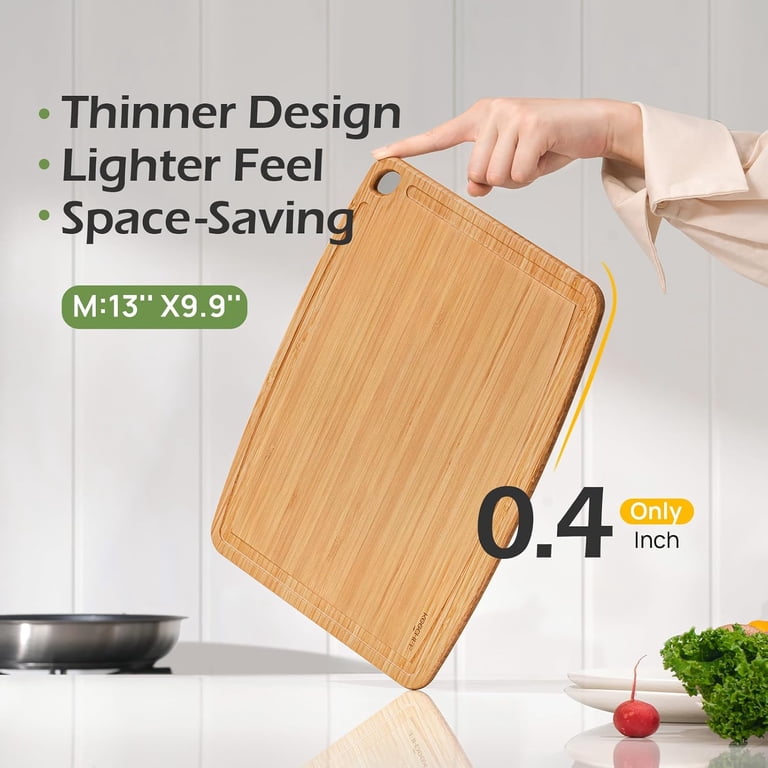
Credit: www.walmart.com
Extending Bamboo Lifespan
Bamboo is a natural material that needs care to last long. Extending its lifespan keeps it strong and beautiful. Proper care helps bamboo resist cracking and warping. Simple steps can protect bamboo from damage and wear. Maintaining bamboo regularly ensures it stays useful and attractive.
Seasoning And Oiling
Seasoning bamboo strengthens the fibers and removes moisture. Let bamboo dry in a cool, shaded place for a few days. Avoid direct sunlight to prevent cracking. After drying, apply food-safe oil to nourish the surface.
Use oils like mineral oil or bamboo-specific oils. Apply with a soft cloth and rub evenly. Let the oil soak in for a few hours. Wipe off excess oil to avoid stickiness. Repeat oiling every few months to keep bamboo hydrated.
Storage Tips
Store bamboo items in a dry and well-ventilated area. Avoid humid places that promote mold and mildew. Do not leave bamboo in direct sunlight for long periods.
Keep bamboo away from heat sources like ovens or radiators. Use hooks or shelves to store bamboo utensils and boards. This prevents bending and warping. Proper storage helps bamboo maintain its shape and strength.
Common Bamboo Care Mistakes
Bamboo is a popular material for kitchenware due to its eco-friendliness and durability. Caring for bamboo properly keeps it looking good and lasting longer. Many people make simple mistakes that harm their bamboo items. These errors can cause cracks, warping, or fading.
Understanding what to avoid helps preserve bamboo’s natural beauty. This section highlights common care mistakes to prevent damage and maintain your bamboo products.
Using The Dishwasher
Bamboo is not dishwasher safe. The high heat and strong water pressure can cause splitting and warping. Soap residue may also dull the surface. Hand washing with mild soap and warm water is best.
Soaking In Water
Leaving bamboo items in water for long periods causes swelling and cracks. Bamboo absorbs water easily, which weakens the fibers. Quickly wash and dry bamboo to avoid damage.
Using Harsh Chemicals
Strong detergents or bleach can strip bamboo’s natural oils. This leads to dryness and brittleness. Use gentle, natural cleaners to keep bamboo healthy and shiny.
Neglecting To Oil Bamboo
Failing to oil bamboo regularly causes it to dry out. Applying food-safe mineral oil helps maintain moisture and prevents cracking. Oil bamboo once a month or when it looks dry.
Exposing Bamboo To Extreme Heat
Placing bamboo near heat sources or in direct sunlight causes warping and discoloration. Keep bamboo away from ovens, stoves, and windows. Store in cool, dry places for best results.

Credit: www.walmart.com
Frequently Asked Questions
Is Bamboo Dishwasher Safe For Daily Use?
Bamboo is not dishwasher safe for daily use. High heat and water exposure can cause cracking and warping. Hand washing with mild soap is recommended to maintain bamboo’s durability and appearance.
Can Dishwasher Damage Bamboo Kitchenware?
Yes, dishwashers can damage bamboo kitchenware. The intense heat and prolonged water exposure weaken bamboo fibers, leading to splitting and fading. Always avoid using a dishwasher for bamboo items to prolong their lifespan.
How To Clean Bamboo Dishes Safely?
Clean bamboo dishes by hand washing with warm water and mild detergent. Avoid soaking them for long periods. Dry immediately with a towel to prevent moisture damage and maintain their natural finish.
Why Is Bamboo Not Suitable For Dishwasher Use?
Bamboo is sensitive to heat and moisture. Dishwasher cycles use high temperature and water pressure, which cause bamboo to crack and lose its natural oils. This reduces the product’s lifespan and appearance.
Conclusion
Bamboo is not dishwasher safe. It can crack or warp from heat and water. Washing by hand with mild soap is best. Dry it quickly to avoid damage. Taking care this way helps bamboo last longer. Choose bamboo for its natural look and eco-friendliness.
Just remember to treat it gently. This keeps your bamboo items beautiful and strong. Simple care makes a big difference.