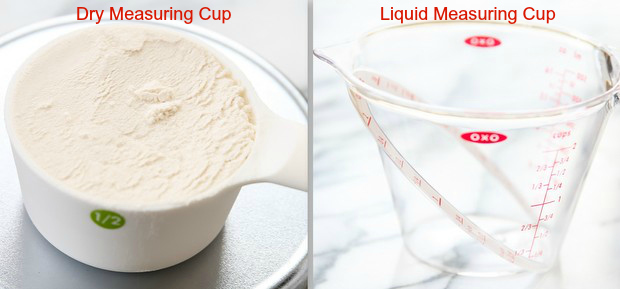
Have you ever paused while cooking or baking, wondering if dry measure and liquid measure mean the same thing? It’s a common question that can save you from kitchen disasters and help your recipes turn out just right.
Understanding the difference might seem small, but it can make a big impact on your cooking results. Keep reading, and you’ll discover simple tips that will make measuring ingredients easier and more accurate every time you step into the kitchen.
Don’t let confusion hold you back—let’s clear this up together.
Credit: www.kingarthurbaking.com
Dry Measure Basics
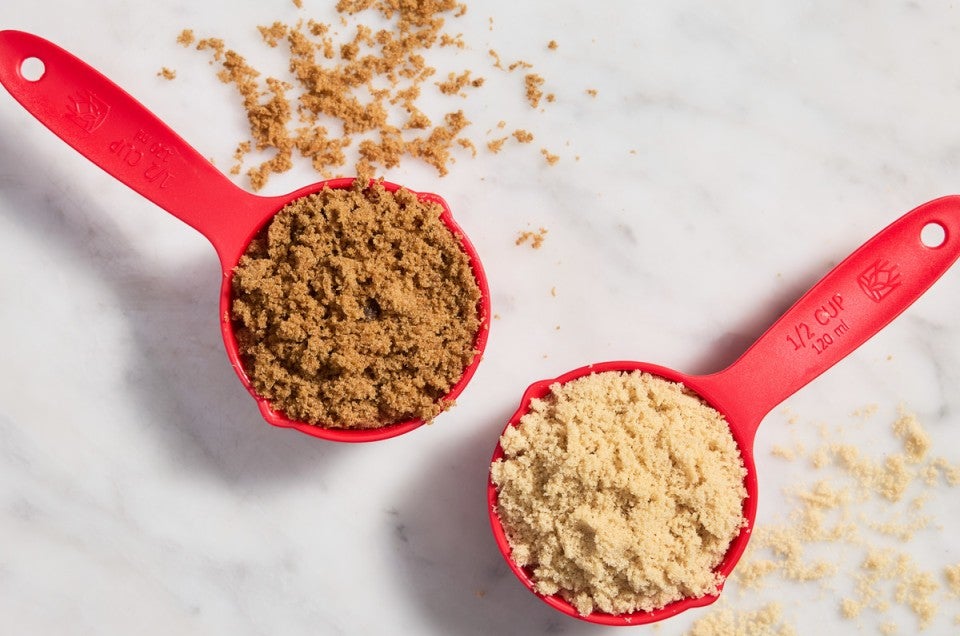
Dry measure is used to measure solid ingredients. It is different from liquid measure in many ways.
Dry ingredients include flour, sugar, and grains. Measuring dry ingredients needs special tools and units.
Common Dry Units
Dry units are used to count how much solid stuff you have. These units are different from liquid units.
- Cup – often used in cooking and baking
- Pint – equals 2 cups
- Quart – equals 4 cups
- Bushel – used for large amounts of grains
- Ounce (dry) – measures weight, not volume
Dry units focus on volume, but weight units like ounces also measure dry items.
Measuring Tools For Dry Ingredients
Dry ingredients need special tools to measure them correctly. These tools help get the right amount.
Common tools include cups, scoops, and scales. Each tool fits different types of dry ingredients.
- Dry measuring cups – made for scooping flour and sugar
- Scoops – good for grains and beans
- Kitchen scale – measures weight for accuracy
- Measuring spoons – used for small amounts of dry items
Credit: kirbiecravings.com
Liquid Measure Essentials
Measuring liquids accurately is important for cooking and science. Liquid measurements differ from dry measurements.
This guide explains the common units and tools used for liquid measurement.
Standard Liquid Units
Liquid volume is measured in units like cups, pints, quarts, and gallons. These units are used in many countries.
| Unit | Abbreviation | Equivalent in milliliters (ml) |
| Teaspoon | tsp | 4.93 ml |
| Tablespoon | tbsp | 14.79 ml |
| Cup | c | 240 ml |
| Pint | pt | 473 ml |
| Quart | qt | 946 ml |
| Gallon | gal | 3,785 ml |
Tools For Liquid Measurement
Using the right tool helps measure liquids accurately. Common tools include measuring cups, spoons, and graduated cylinders.
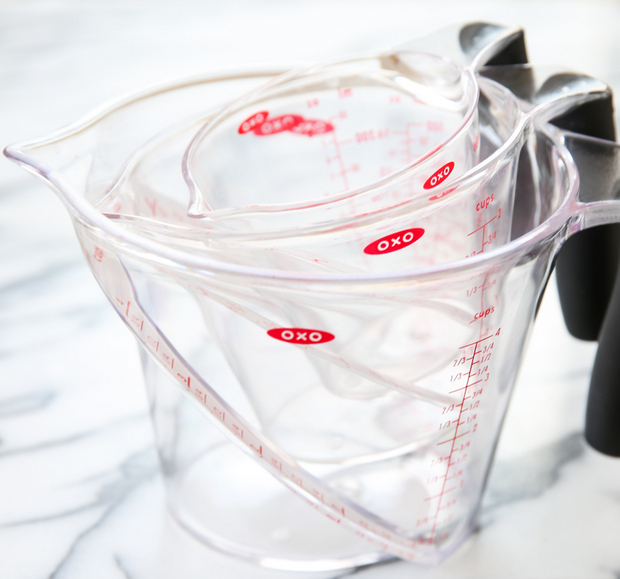
- Measuring cups are usually clear with marks for cups and milliliters.
- Measuring spoons are good for small amounts like teaspoons and tablespoons.
- Graduated cylinders are used in labs to measure exact volumes.
- Liquid measuring jugs often have a spout to pour easily.
Comparing Dry And Liquid Measures
Dry and liquid measures are used in cooking and baking. They help us add the right amount of ingredients. People often wonder if dry and liquid measures are the same.
Both types measure volume, but they do it differently. Using the wrong measure can change the recipe results.
Volume Vs Weight Considerations
Dry and liquid measures both show volume, but dry ingredients can be weighed too. Weight is often more exact than volume for dry items.
Liquid measures use cups or milliliters designed to hold liquids. Dry measures use cups or scoops that can be leveled off.
- Dry measure cups are meant to be filled and leveled
- Liquid measuring cups have space to prevent spills
- Weight is best for flour, sugar, and other dry ingredients
- Volume works well for liquids like water or oil
Accuracy In Measurement
Measuring liquids is usually more accurate with liquid cups. They show the exact level at eye height.
Dry measuring cups can cause errors if ingredients are packed or not leveled. Weight scales give the best precision.
- Liquid cups have a spout for easy pouring
- Dry cups need a flat edge to level ingredients
- Using a kitchen scale reduces mistakes
- Measuring by weight ensures consistent results
Impact On Cooking And Baking
Using the correct type of measurement is very important in cooking and baking. Dry and liquid measures are not the same. This can affect the outcome of your recipes.
Knowing the difference helps you get the right texture and taste in your dishes. It also prevents mistakes like too much or too little of an ingredient.
Why Precise Measurement Matters
Precise measurement keeps your recipes consistent. Baking especially needs exact amounts for good results. Using dry measure for liquids or vice versa can change the results.
- Dry ingredients are measured by weight or volume using dry cups.
- Liquid ingredients are measured in liquid measuring cups with spouts.
- Using the wrong tool can cause too much or too little ingredient.
- This can change baking times, texture, and taste.
- Measuring spoons should be used for small amounts for both types.
Adjusting Recipes Between Measures
| Ingredient | Dry Cup (grams) | Liquid Cup (milliliters) |
| Flour | 120 g | 125 ml |
| Sugar | 200 g | 240 ml |
| Butter | 227 g | 240 ml |
| Water | — | 240 ml |
To adjust recipes, use the table to convert dry weights to liquid volumes or vice versa. This helps when you only have one type of measuring cup. Always double-check your conversions.
Tips For Correct Measurement
Measuring ingredients correctly is important in cooking and baking. Dry measure and liquid measure tools work differently. Using the right tool helps you get the best results.
Let’s look at how to choose the right tools and keep your measurements consistent every time.
Choosing The Right Tools
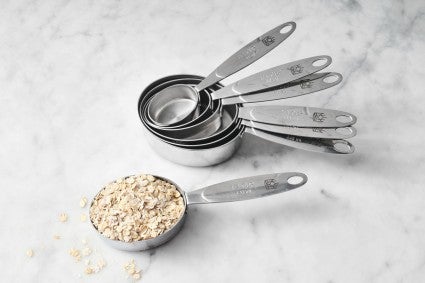
Use dry measuring cups for dry ingredients like flour, sugar, or oats. Use liquid measuring cups for liquids like water, milk, or oil. Dry cups are meant to be filled and leveled off. Liquid cups have space above the liquid to avoid spilling.
- Dry cups: solid, come in sets of different sizes
- Liquid cups: usually clear with measurement marks
- Spoons: for small amounts of both dry and liquid ingredients
- Measuring scales: for precise weight measurement
Techniques For Consistency
Measuring correctly also means using the same method every time. This keeps your results steady and predictable.
| Technique | How to Do It |
| Leveling Dry Ingredients | Fill cup, then sweep off excess with a flat edge |
| Checking Liquid Levels | Place cup on a flat surface and read at eye level |
| Avoid Packing | Don’t press down dry ingredients unless recipe says so |
| Use Consistent Spoons | Use the same spoons to measure small amounts |
Credit: www.kingarthurbaking.com
Frequently Asked Questions
What Is The Difference Between Dry And Liquid Measure?
Dry measure and liquid measure are used for different types of ingredients. Dry measure is used for solids like flour, while liquid measure is for liquids like water. The tools used for measuring each are different, ensuring accuracy in recipes.
Can You Use Liquid Measuring Cups For Dry Ingredients?
It’s not ideal to use liquid measuring cups for dry ingredients. Liquid measuring cups are designed for pouring and may not provide precise measurements for dry ingredients. Using the correct measuring tools ensures accuracy in cooking and baking.
Why Are Dry And Liquid Measurements Not Interchangeable?
Dry and liquid measurements are not interchangeable due to their different densities and volumes. Using the wrong measurement can lead to inaccurate results. This could affect the texture and taste of your recipe. Always use the appropriate measuring tools for best results.
How Do You Measure Dry Ingredients Accurately?
To measure dry ingredients accurately, use a dry measuring cup. Fill the cup and level it off with a straight edge. This ensures the correct amount is used. Avoid packing the ingredient unless the recipe specifies, as this can lead to over-measuring.
Conclusion
Dry measure and liquid measure are not the same. Dry measures are for solids like flour or sugar. Liquid measures are for fluids like water or milk. Using the wrong type can change your recipe’s outcome. Always choose the right measure for your ingredients.
This helps your cooking or baking turn out well every time. Understanding these differences saves time and avoids mistakes. Keep these tips in mind when measuring next time. Simple steps make cooking easier and more fun.