Are you looking to upgrade your kitchen tools and wondering if an end grain cutting board is the right choice for you? Choosing the best cutting board isn’t just about looks—it affects how you prepare food and how long your board lasts.
End grain boards are often praised, but is the hype real? You’ll discover what makes end grain boards different, why many chefs swear by them, and whether they truly offer benefits worth your investment. Keep reading to find out if an end grain cutting board could be the perfect fit for your cooking style.
Credit: sonderla.com
End Grain Cutting Boards
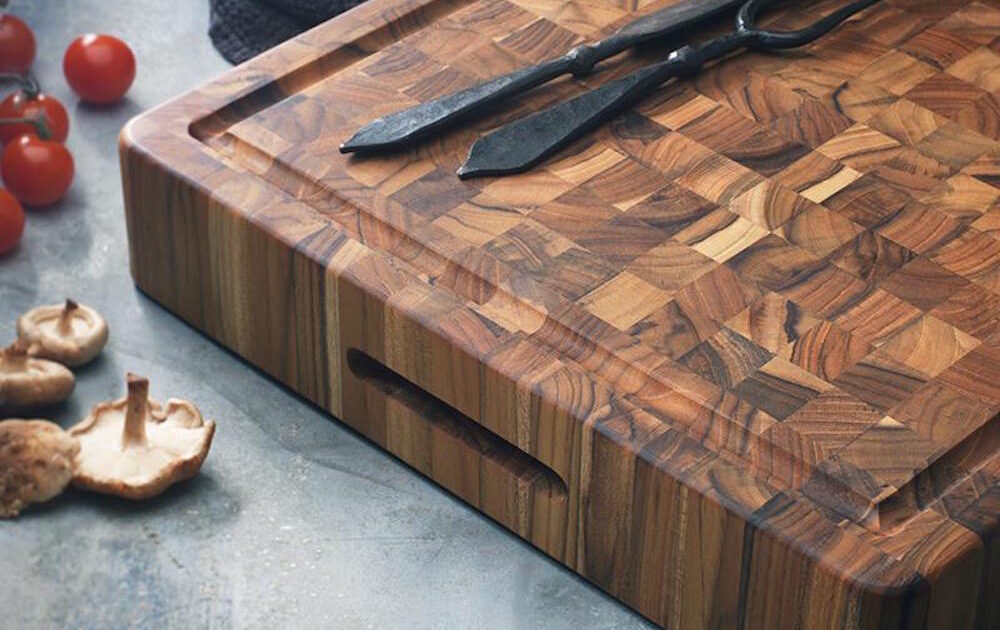
End grain cutting boards are popular for their durability and knife-friendly surface. They show a unique pattern created by the wood fibers.
These boards are made differently than regular cutting boards, which affects how they perform in the kitchen.
What Is End Grain?
End grain is the part of the wood where the fibers stand upright. It is the surface you see when you cut across the wood’s growth rings.
- End grain shows the natural rings of the tree.
- The surface is softer for knives, protecting their edges.
- It absorbs cuts better, hiding knife marks.
- End grain boards are often thicker and heavier.
How End Grain Boards Are Made
Making an end grain board takes careful cutting and gluing. Wood pieces are cut into blocks, then turned upright to show the end grain.
| Process Step | Description |
| Cut Wood into Strips | Long strips are cut from a larger board. |
| Cut Strips into Blocks | Strips are sliced into small blocks. |
| Rotate Blocks | Blocks are turned so the end grain faces up. |
| Glue Blocks Together | Blocks are glued tightly to form the board. |
| Sand and Finish | The board is smoothed and sealed for use. |
Benefits Of End Grain Boards
End grain cutting boards have wood fibers arranged vertically. This design offers unique benefits for cooking and kitchen use.
Many chefs and home cooks prefer end grain boards for their strength and care for knives.
Durability And Longevity
End grain boards last longer than other types. The vertical wood fibers absorb cutting impacts better.
This reduces surface damage and prevents cracks. The board stays in good shape for years.
- Resists deep cuts and scratches
- Less prone to splitting or warping
- Maintains flat surface over time
Knife Friendliness
End grain boards are gentle on knives. The blade cuts between the wood fibers, not against them.
This helps knives stay sharper longer. It also reduces the risk of dulling or chipping blades.
- Preserves knife edges
- Reduces sharpening frequency
- Protects expensive kitchen knives
Self-healing Surface
Cut marks on end grain boards tend to close up naturally. The wood fibers move back after cutting.
This self-healing effect keeps the surface smooth. It also lowers bacteria buildup in cuts and grooves.
- Fills small cuts automatically
- Keeps board cleaner and safer
- Improves board appearance over time
Comparing Grain Types
Cutting boards come in different wood grain styles. The two main types are edge grain and end grain. Each type has unique features and uses.
Understanding these grains helps you choose the right board for your kitchen tasks.
Edge Grain Vs. End Grain
Edge grain boards show the side of the wood planks. The grain runs along the length of the board. End grain boards show the wood fibers’ ends, like a checkerboard pattern.
- Edge Grain:Usually less expensive and lighter.
- End Grain:More durable and gentle on knives.
- Edge Grain:Easier to clean and maintain.
- End Grain:Resists deep cuts and scratches.
Face Grain Characteristics
Face grain is another term for edge grain, showing the wood’s flat surface. It has visible long lines and patterns. This grain type is common in many kitchen boards.
| Feature | Edge Grain (Face Grain) | End Grain |
|---|---|---|
| Appearance | Long wood lines | Checkerboard pattern |
| Durability | Good, but can wear faster | Very durable, self-healing cuts |
| Knife Friendly | Moderate | Excellent, less dulling |
| Maintenance | Easy to clean | Needs more care |

Credit: www.reddit.com
Maintenance Tips
End grain cutting boards need regular care to stay in good shape. Proper maintenance keeps the wood strong and clean.
Follow easy steps to clean and treat your board. This helps it last longer and look great.
Cleaning And Care
Clean your end grain board after each use. Use warm water and mild soap. Avoid soaking it in water.
Dry the board with a towel right away. Let it air dry standing up to keep both sides dry.
- Do not put the board in the dishwasher
- Use a soft sponge or cloth for washing
- Remove stains with lemon and salt scrub
- Disinfect with white vinegar if needed
Oiling And Conditioning
Apply oil to your end grain board regularly. This stops the wood from drying out and cracking.
Use food-safe mineral oil or beeswax conditioner. Spread a thin layer over the whole surface and edges.
- Oil the board once a month or when it looks dry
- Let the oil soak in for several hours or overnight
- Wipe off extra oil with a clean cloth
- Use a wax conditioner for extra protection
Choosing The Right Board
Choosing the right cutting board can affect your kitchen work. End grain cutting boards are popular, but not always the best for every need. Understanding different factors helps you pick the right one.
This guide explains material options, size and thickness, and price versus quality. Use this to make a smart choice for your kitchen.
Material Options
Cutting boards come in many materials. Wood, plastic, and bamboo are common. Each has pros and cons to consider for your cooking style.
- Wood:Durable and gentle on knives. End grain boards show wood patterns and last longer.
- Plastic:Easy to clean and dishwasher safe. May wear out faster than wood.
- Bamboo:Eco-friendly and hard. Can be tough on knives.
Size And Thickness Considerations
Size and thickness affect how you use the board and store it. Larger boards give more space but take more room.
| Size | Use | Storage |
|---|---|---|
| Small (8-10 inches) | Good for fruits and small tasks | Easy to store |
| Medium (12-15 inches) | Most versatile for daily use | Requires moderate space |
| Large (18+ inches) | Best for big jobs and large food | Needs more storage room |
| Thickness (1-2 inches) | Thicker boards are sturdy and last longer | Heavier and harder to move |
Price Vs. Quality
Cutting boards vary in price. High-quality boards cost more but last longer and protect knives better. Cheaper boards can work but may wear out fast.
Consider these points:
- Invest in solid wood for durability.
- Plastic boards are budget-friendly but less durable.
- Look for end grain boards if you want knife-friendly surfaces.
- Check for warranties or guarantees on expensive boards.
Common Myths
People often have wrong ideas about end grain cutting boards. These myths can stop you from choosing the right board for your kitchen.
Let’s look at two common myths and see what the truth really is.
End Grain Boards Are Hard To Maintain
Many think end grain boards need special care all the time. While they do need some upkeep, it is not difficult.
- Clean with warm, soapy water after use.
- Dry the board completely to avoid warping.
- Oil the board once a month to keep it strong.
- Do not soak the board in water.
These simple steps keep your board safe and looking good for years.
They Are Too Expensive
End grain boards can cost more than other types. This is because of the way they are made and the wood used.
| Type of Cutting Board | Price Range | Durability |
| End Grain | High | Very Durable |
| Edge Grain | Medium | Moderately Durable |
| Plastic | Low | Less Durable |
The higher price often means the board lasts longer and protects your knives better.
Best Uses For End Grain Boards
End grain cutting boards show the wood fibers on the surface. This makes them strong and gentle on knives. They last long and heal small cuts over time.
These boards fit different kitchen needs. They work well in busy professional kitchens and also for home cooking. Let’s explore their best uses.
Professional Kitchens
Chefs choose end grain boards for heavy chopping and cutting. The boards protect knives and hold up to daily use. They also help keep a clean work surface.
- Cutting meat and poultry
- Chopping vegetables quickly
- Preparing large batches of food
- Working with sharp knives often
Home Cooking
Home cooks like end grain boards for their durability and knife care. These boards are safe for many types of food and easy to clean.
| Activity | Why End Grain Works |
| Chopping fruits and vegetables | Protects knife edges and resists cuts |
| Preparing sandwiches | Durable surface that won’t dull knives |
| Cutting bread | Soft surface prevents crushing bread |
| General meal prep | Long-lasting and easy to clean |

Credit: www.woodcuttingboardstore.com
Frequently Asked Questions
What Makes End Grain Cutting Boards Unique?
End grain cutting boards are crafted with wood fibers oriented vertically. This construction allows knives to penetrate the surface, minimizing wear. These boards are self-healing, reducing visible knife marks. The vertical grain also enhances the board’s durability and longevity. End grain boards are often favored by chefs for their resilience and knife-friendliness.
Are End Grain Cutting Boards More Durable?
Yes, end grain cutting boards are more durable than other types. Their vertical wood fibers absorb knife impacts effectively. This construction minimizes wear and tear, ensuring longevity. The boards are less prone to deep cuts and surface damage. Proper care and maintenance can extend their lifespan significantly.
Do End Grain Boards Protect Knife Edges?
End grain cutting boards protect knife edges effectively. The vertical grain structure absorbs the impact of knife cuts. This reduces stress on the knife, keeping it sharper for longer. By preventing excessive dulling, end grain boards are ideal for maintaining knife performance.
Chefs appreciate their ability to preserve blade quality.
How To Maintain An End Grain Cutting Board?
Maintaining an end grain cutting board involves regular cleaning and oiling. Clean with mild soap and water after use. Avoid soaking or dishwashing to prevent warping. Apply mineral oil periodically to keep the wood hydrated. Proper maintenance ensures the board remains in good condition, extending its life.
Conclusion
End grain cutting boards offer strong, long-lasting surfaces for cutting. They are gentle on knives and resist deep scratches. These boards also hide marks better than other types. Cleaning and maintaining them is simple with regular oiling. While they may cost more, their benefits often outweigh the price.
Choosing the right board depends on your cooking style and needs. Consider what matters most: durability, knife care, or budget. End grain boards provide a solid, reliable option for many kitchens. They combine function and style in one useful tool.