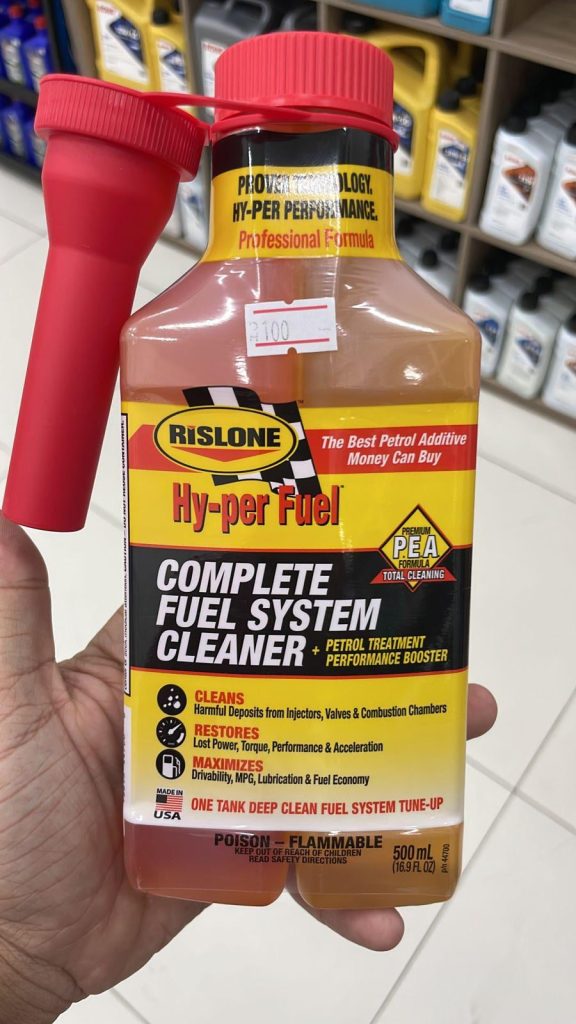
Have you ever wondered if fuel system cleaning is really necessary for your vehicle? You might think it’s just an extra expense, but what if skipping it could cost you more in the long run?
Your car’s fuel system plays a key role in keeping your engine running smoothly and efficiently. Ignoring it might lead to reduced performance, higher fuel bills, or even costly repairs down the road. Keep reading to find out why fuel system cleaning could be the simple step that saves you time, money, and stress.
Signs Of A Dirty Fuel System
A fuel system supplies fuel to your engine. Over time, dirt and deposits can build up. This buildup can cause problems with your vehicle’s performance.
Knowing the signs of a dirty fuel system helps you fix issues early. It can save you from costly repairs and keep your car running smoothly.
Poor Engine Performance
A dirty fuel system can block fuel flow. This makes the engine work harder. You might notice less power when you accelerate.
The engine may feel sluggish or slow. This happens because it does not get enough clean fuel to burn efficiently.
Increased Fuel Consumption
Your car may use more gas than usual if the fuel system is dirty. The engine burns fuel less efficiently. This means you need to fill up more often.
Dirty injectors or clogged filters cause the engine to work harder. This wastes fuel and reduces mileage.
Engine Misfires And Rough Idling
When fuel delivery is uneven, the engine may misfire. This causes a jerking or shaking feeling. Rough idling means the engine runs unevenly when stopped.
These problems happen because fuel is not reaching the cylinders properly. Deposits in the fuel system disrupt smooth engine operation.
Check Engine Light Activation
A dirty fuel system can trigger the check engine light. The car’s computer detects fuel flow problems and warns you. This light means there is an issue to fix.
Ignoring this warning can cause more damage. Getting the fuel system cleaned can help clear the problem and turn off the light.
How Fuel System Cleaning Works
Fuel system cleaning helps keep your engine parts free from dirt and buildup. It improves engine performance and fuel efficiency.
The cleaning process removes deposits that form inside the fuel injectors, intake valves, and combustion chambers. This lets your car run smoothly.
Fuel Injector Cleaning
Fuel injectors spray fuel into the engine. Over time, they get clogged with deposits. Cleaning clears these blockages.
Clean injectors deliver fuel evenly. This helps the engine burn fuel better and reduces emissions.
Intake Valve And Combustion Chamber Cleaning
Intake valves let air into the engine. Combustion chambers burn the fuel-air mix. Both can get dirty.
Cleaning removes carbon buildup. This improves airflow and fuel burning. The engine runs more efficiently.
Types Of Cleaning Methods
There are different ways to clean the fuel system. Some use chemicals, others use machines.
- Chemical cleaners add fuel additives that dissolve deposits.
- Manual cleaning involves removing parts to scrub them.
- Ultrasonic cleaning uses sound waves to clean injectors.
- Professional services use special tools to clean the whole system.
Benefits Of Regular Fuel System Cleaning
Fuel system cleaning keeps your car’s engine running well. Dirt and deposits can build up in the fuel system over time. This buildup can cause many problems.
Cleaning the fuel system regularly helps your car perform better. It also saves money by reducing fuel use and fixing issues early.
Improved Fuel Efficiency
Cleaning the fuel system removes dirt and buildup from fuel injectors and valves. This helps fuel spray evenly into the engine. When fuel burns better, your car uses less gas.
Better fuel use means you spend less money filling your tank. It also means your car drives farther on one tank of gas.
Enhanced Engine Power
When the fuel system is clean, the engine gets the right amount of fuel. This lets the engine run smoothly and powerfully. Dirty fuel systems can cause the engine to feel weak or slow.
Cleaning helps your engine reach its full power. You will notice better acceleration and easier starts.
Reduced Emissions
A clean fuel system helps the engine burn fuel fully. This reduces the amount of harmful gases released into the air. Dirty fuel systems cause incomplete burning, which increases pollution.
Reducing emissions helps protect the environment. It also helps your car pass emission tests required by law.
Longer Engine Life
Regular cleaning stops dirt from causing engine damage. Deposits can cause parts to wear out faster. Cleaning protects the engine parts from wear and tear.
A clean fuel system means fewer repairs and longer time before engine replacement. This saves money and keeps your car reliable.

Credit: www.fuellogic.net
When To Clean Your Fuel System
Cleaning your vehicle’s fuel system helps maintain engine performance. Dirt and deposits build up over time and can cause issues.
Knowing when to clean the fuel system can save you from costly repairs and poor fuel efficiency.
Manufacturer Recommendations
Car makers often suggest specific intervals for fuel system cleaning. These guidelines depend on the engine type and fuel system design.
- Check your owner’s manual for cleaning schedules
- Follow the recommended mileage or time intervals
- Use approved cleaning products suggested by the manufacturer
Mileage And Usage Factors
Your driving habits affect how often you need to clean the fuel system. Frequent short trips and stop-and-go traffic cause more deposits.
| Usage Type | Recommended Cleaning Interval |
| Highway driving | Every 50,000 miles |
| City driving with many stops | Every 30,000 miles |
| Heavy towing or load carrying | Every 20,000 miles |
Symptoms Indicating Cleaning Needs
Watch for signs that your fuel system needs cleaning. These problems affect engine smoothness and fuel use.
- Engine misfires or runs roughly
- Reduced fuel economy
- Hard starting or stalling
- Poor acceleration or loss of power
- Check engine light turns on
Diy Vs Professional Fuel System Cleaning
Fuel system cleaning helps keep your vehicle running smoothly. It removes dirt and buildup that can cause problems.
Choosing between cleaning the fuel system yourself or hiring a professional can be tough. Each option has its own benefits and risks.
Pros And Cons Of Diy Cleaning
Cleaning the fuel system yourself can save money and give you control. But it also has some downsides to consider.
- Pros:Costs less, easy to find fuel additives, can be done at home.
- Cons:Risk of damage, may miss deep cleaning, requires time and effort.
What To Expect From Professional Services
Professional fuel system cleaning uses special tools and cleaners. Experts can reach parts you might miss.
- Thorough cleaning of injectors, intake valves, and combustion chambers
- Use of high-quality chemicals and equipment
- Inspection for other fuel system issues
- Faster and safer process
Cost Considerations
| Type | Average Cost | Includes |
| DIY Cleaning | $10 – $30 | Fuel additives or cleaner bottles |
| Professional Cleaning | $50 – $150 | Full system cleaning and inspection |

Credit: www.reddit.com
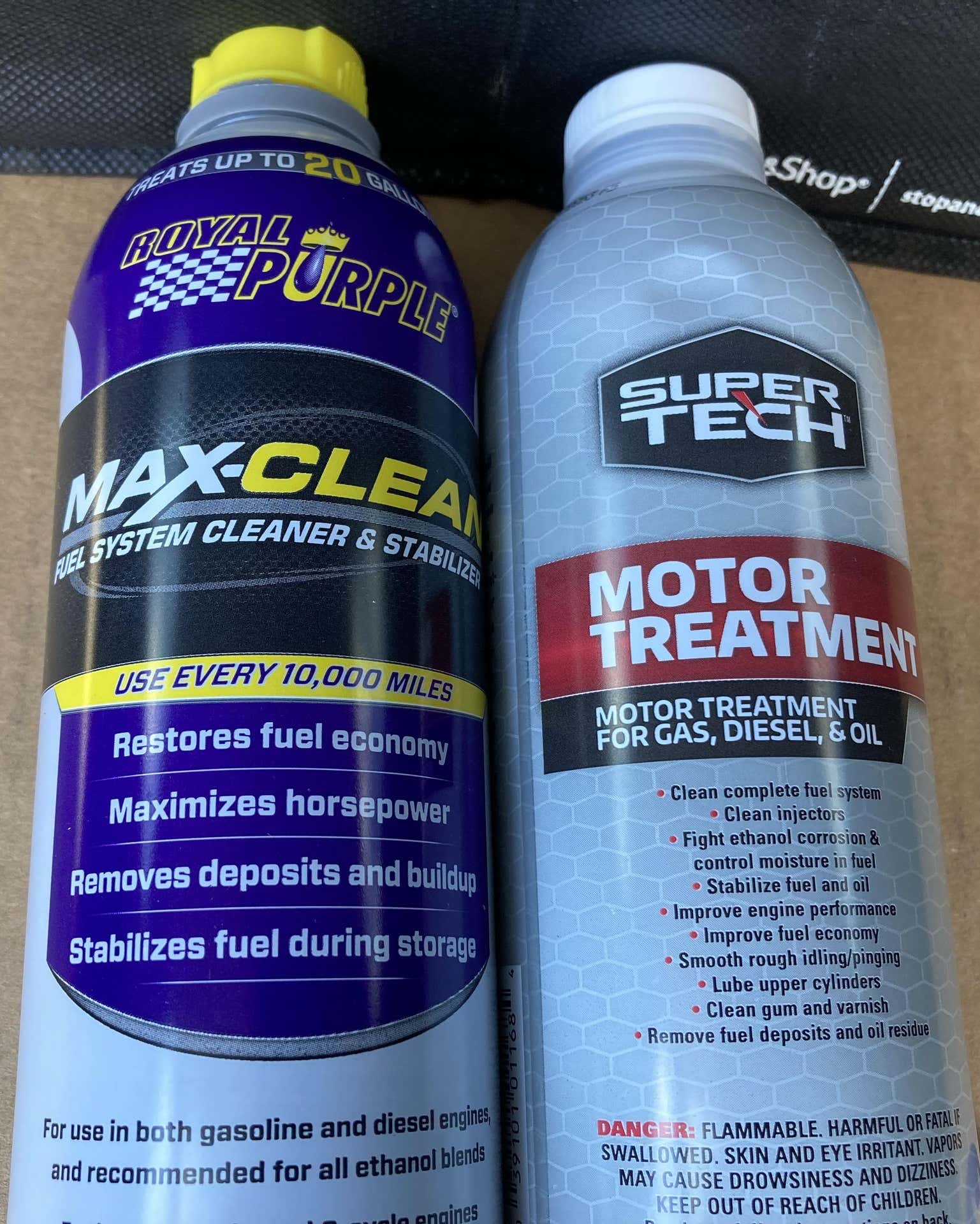
Fuel Additives: Helpful Or Harmful?
Fuel additives are products added to gasoline or diesel. They aim to clean and protect the fuel system.
Many car owners wonder if these additives really help or if they can cause damage over time.
How Additives Work
Fuel additives work by removing dirt and deposits in the fuel system. They keep fuel injectors and valves clean.
Some additives improve fuel quality and help the engine run smoother. They may also reduce emissions.
Choosing The Right Additive
Pick an additive that matches your engine type and fuel. Check the product label for compatibility.
Use additives from trusted brands and follow the instructions carefully for best results.
- Choose additive for gasoline or diesel engines
- Match additive to your fuel type
- Use recommended amounts only
- Look for additives approved by car makers
Potential Risks Of Overuse
Using too much fuel additive can harm your engine. It may cause deposits or damage fuel system parts.
Overuse can also lead to poor fuel economy and higher emissions.
- Engine knocking or rough running
- Clogged fuel injectors
- Damage to rubber seals and hoses
- Increased exhaust smoke
Preventing Fuel System Contamination
Fuel system contamination can cause engine problems and reduce performance. Dirt, water, and other particles can block fuel flow.
Cleaning the fuel system helps keep your engine running smoothly. Preventing contamination is important for long engine life.
Using Quality Fuel
Quality fuel has fewer impurities and helps prevent deposits in the fuel system. Using bad fuel can cause clogs and damage.
Always buy fuel from trusted stations. Check for clean and well-maintained pumps to avoid dirty fuel.
- Choose fuel with proper octane rating
- Avoid fuel with visible water or debris
- Use fuel additives only if recommended
Regular Maintenance Tips
Keep your fuel system clean by following a maintenance schedule. Replace fuel filters regularly to stop dirt from entering.
Check your fuel injectors for buildup. Clean or service them as needed to keep fuel flowing well.
- Change fuel filters as per vehicle manual
- Inspect fuel lines for cracks or leaks
- Use fuel system cleaner periodically
Avoiding Common Fuel Issues
Avoid letting your fuel tank run very low. This can cause sediments to clog the fuel system. Fill up before the tank is almost empty.
Store fuel safely and avoid mixing different types. Contaminated fuel can cause engine misfires and poor performance.
- Do not use old or stale fuel
- Avoid mixing diesel and gasoline
- Keep fuel tank clean and sealed
Credit: www.subaruoutback.org
Frequently Asked Questions
What Is Fuel System Cleaning And How Does It Work?
Fuel system cleaning removes deposits from fuel injectors, intake valves, and combustion chambers. It improves fuel flow and engine efficiency by using specialized cleaners or professional equipment. This process restores optimal performance and reduces emissions.
How Often Should I Clean My Vehicle’s Fuel System?
Typically, fuel system cleaning is recommended every 30,000 to 50,000 miles. However, this depends on driving habits and fuel quality. Regular cleaning prevents buildup, ensures smooth engine operation, and maintains fuel efficiency over time.
Can Fuel System Cleaning Improve My Car’s Fuel Economy?
Yes, cleaning removes deposits that restrict fuel flow and reduce combustion efficiency. This leads to better fuel atomization and combustion. As a result, the engine runs more efficiently, improving overall fuel economy and reducing fuel consumption.
Is Fuel System Cleaning Necessary For All Types Of Vehicles?
Fuel system cleaning benefits most vehicles, especially those with high mileage or poor fuel quality. Modern engines with direct injection may require more frequent cleaning. It’s best to consult your vehicle’s manual or a trusted mechanic for recommendations.
Conclusion
Fuel system cleaning helps keep your engine running smoothly. It removes harmful deposits and improves fuel efficiency. Regular maintenance prevents costly repairs. Consider your vehicle’s age and mileage. Consult your mechanic for advice. Clean fuel systems enhance performance. They also contribute to lower emissions.
This means a cleaner environment. Investing in your vehicle’s health pays off in the long run. A well-maintained engine lasts longer. It also provides better driving experiences. Keep your car in top shape. Think about fuel system cleaning as part of regular care.
Your car will thank you. So will your wallet.