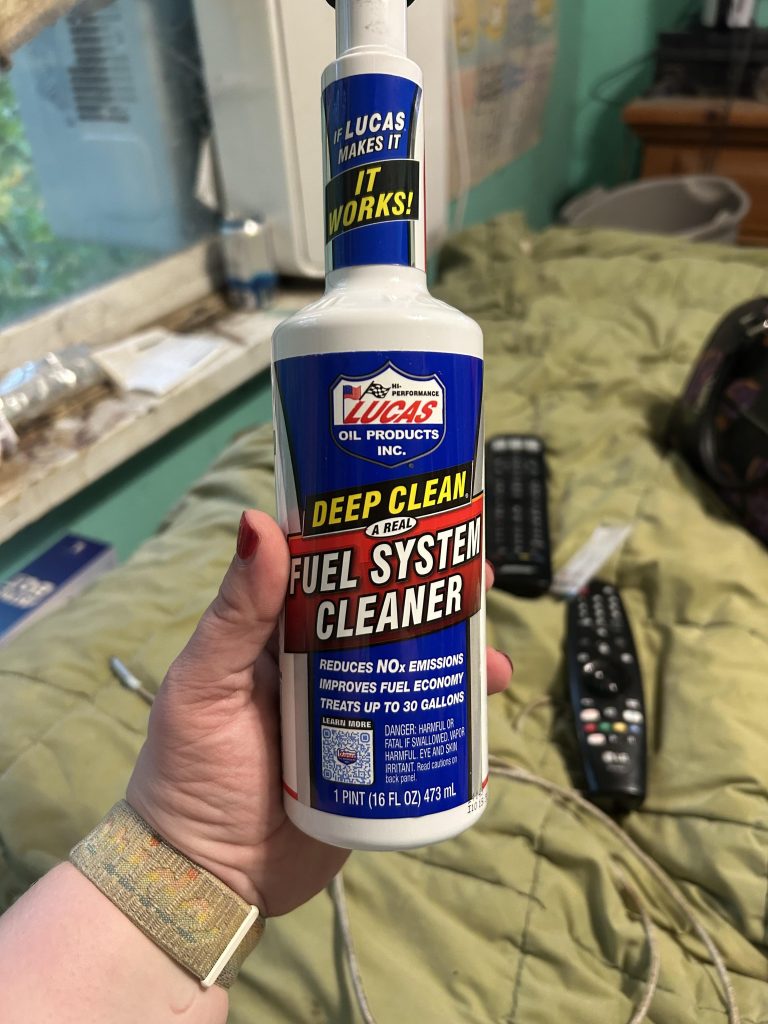
Are you wondering if fuel system cleaning is really worth your time and money? You’re not alone.
Many car owners ask this question, especially when faced with maintenance choices that can feel overwhelming. The truth is, your vehicle’s fuel system plays a crucial role in how well your engine runs. If it’s dirty or clogged, you might notice reduced performance, lower fuel efficiency, or even engine trouble down the road.
But how do you know if a fuel system cleaning will actually make a difference for your car? Keep reading to discover the real benefits, costs, and what you should consider before deciding. By the end, you’ll have a clear answer tailored just for your situation.
Fuel System Basics
The fuel system delivers fuel to the engine for combustion. It helps the engine run smoothly and efficiently.
Fuel system cleaning removes dirt and buildup. This keeps parts working well and prevents problems.
Key Components
The fuel system has several important parts. Each plays a role in delivering fuel to the engine.
- Fuel Tank: stores the fuel safely until needed
- Fuel Pump: moves fuel from the tank to the engine
- Fuel Filter: removes dirt and debris from the fuel
- Fuel Injectors: spray fuel into the engine’s air intake
- Carburetor (in older cars): mixes fuel with air before entering the engine
How It Affects Performance
A clean fuel system helps the engine use fuel well. This means better power and fuel economy.
Dirty parts cause poor fuel flow and engine problems. This leads to rough idling, less power, and higher fuel use.
- Improves engine start-up
- Reduces engine knocking and hesitation
- Enhances fuel efficiency
- Decreases harmful emissions
Credit: dieselcomponentsinc.com
Signs Fuel System Needs Cleaning
Your vehicle’s fuel system can get dirty over time. Dirt and deposits build up inside the fuel injectors, intake valves, and combustion chambers. This buildup affects how well your engine runs.
Knowing the signs that your fuel system needs cleaning helps you avoid bigger problems. It can also improve your car’s performance and fuel efficiency.
Common Symptoms
When the fuel system is dirty, your car may show some warning signs. These symptoms point to clogged injectors or fuel lines that need attention.
- Engine misfires or runs rough at idle
- Hard starting or stalling after starting
- Loss of engine power or hesitation when accelerating
- Black smoke from the exhaust
- Check engine light turns on
Impact On Fuel Efficiency
A dirty fuel system makes your engine work harder. This lowers fuel efficiency and increases fuel consumption.
| Effect | Description |
| Reduced Mileage | More fuel is needed for the same distance |
| Increased Emissions | Incomplete fuel burning causes more pollution |
| Engine Strain | Dirty injectors cause uneven fuel spray, stressing the engine |
| Costly Repairs | Ignoring cleaning leads to damage and higher repair costs |
Benefits Of Fuel System Cleaning
Fuel system cleaning helps keep your vehicle running well. It removes dirt and buildup inside the fuel system.
Regular cleaning can improve how your engine works and save money on fuel and repairs.
Improved Engine Performance
Cleaning the fuel system lets fuel flow better to the engine. This helps the engine run smoothly.
A clean system reduces engine knocking and rough idling. It also helps the engine start easier.
Enhanced Fuel Economy
When the fuel system is clean, the engine uses fuel more efficiently. This lowers fuel consumption.
Better fuel use means you spend less money filling up your tank. It is good for your budget.
Reduced Emissions
A clean fuel system helps the engine burn fuel fully. This reduces harmful gases released into the air.
Lower emissions help protect the environment and meet legal pollution rules.
Prolonged Engine Life
Removing deposits from fuel parts lowers wear and tear on the engine. This helps the engine last longer.
Regular cleaning can prevent costly repairs and keep your vehicle reliable for many years.
Fuel System Cleaning Methods
Fuel system cleaning helps keep your engine running smoothly. Dirt and deposits build up over time. Cleaning removes these harmful substances.
There are different ways to clean the fuel system. You can choose professional services or try cleaning yourself at home.
Professional Cleaning Services
Experts use special tools and chemicals to clean the fuel system. They reach parts that are hard to access. This cleaning often includes the fuel injectors, intake valves, and combustion chambers.
- Fuel injector cleaning with ultrasonic machines
- Using fuel system solvents during service
- Complete fuel system flush with professional equipment
- Inspection and replacement of fuel filters
Professional cleaning is usually fast and thorough. It may cost more but can improve engine performance and fuel efficiency.
Diy Cleaning Options
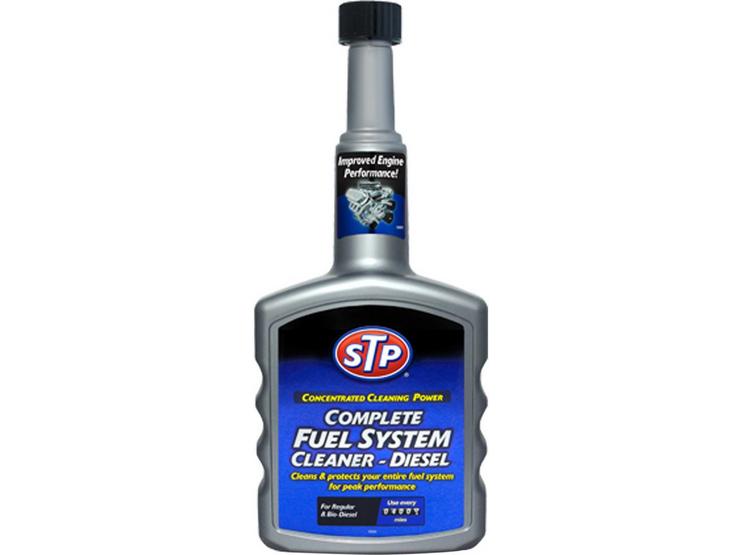
You can clean some parts of the fuel system yourself. Many products are available in stores for home use. These include fuel additives and spray cleaners.
| DIY Method | Description | Tools Needed |
| Fuel Additives | Added to gas tank to clean fuel lines and injectors | Bottle of additive |
| Spray Cleaners | Sprayed into the intake to remove deposits | Spray cleaner, basic tools |
| Fuel Filter Replacement | Replacing clogged filters to improve flow | New filter, wrenches |
DIY cleaning can save money but may not be as deep. It works best for regular maintenance and minor build-up.
Costs And Considerations
Fuel system cleaning can help improve your vehicle’s performance. It removes deposits from fuel injectors and intake valves. Knowing the costs and timing can help you decide if it’s worth it.
Prices vary depending on the service type and your vehicle. Some cleanings are simple, while others are more thorough and cost more.
Typical Pricing
| Service Type | Price Range | Details |
|---|---|---|
| Basic Fuel Injector Cleaning | $50 – $100 | Uses fuel additives or spray cleaners |
| Professional Fuel System Cleaning | $100 – $200 | Machine cleaning with special chemicals |
| Complete Fuel System Overhaul | $200 – $400+ | Includes cleaning injectors, intake valves, and throttle body |
When To Schedule Cleaning
Scheduling fuel system cleaning depends on your vehicle’s use and symptoms. Some signs mean cleaning might be needed soon.
- Engine runs rough or misfires
- Reduced fuel efficiency
- Difficulty starting the car
- Noticeable drop in power or acceleration
- After 30,000 to 50,000 miles as routine maintenance
Credit: www.halfords.ie
Common Myths And Facts
Fuel system cleaning is often discussed among car owners. Some people believe it is unnecessary, while others think it is vital for car health. This topic has many myths and facts that need clarity.
Understanding what is true and what is false can help you decide if fuel system cleaning is worth your time and money.
Debunking Misconceptions
Many myths about fuel system cleaning can confuse car owners. Let’s look at some common ones and the facts behind them.
| Myth | Fact |
| Fuel system cleaning is only needed for old cars. | All cars can benefit from cleaning, especially if you use low-quality fuel. |
| Cleaning your fuel system will fix all engine problems. | It helps with fuel delivery but won’t solve issues unrelated to the fuel system. |
| Fuel additives work the same as professional cleaning. | Additives help but may not remove heavy deposits like professional cleaning does. |
| Fuel system cleaning wastes money and time. | Regular cleaning can improve engine efficiency and save costs on repairs later. |
Expert Recommendations
Experts suggest fuel system cleaning based on how you use your car and fuel type. They offer tips to keep your engine running well.
- Clean the fuel system every 30,000 to 50,000 miles for best results.
- Use quality fuel to reduce deposit buildup.
- Consider professional cleaning if you notice rough idling or poor fuel economy.
- Do not rely only on fuel additives; professional service can be more thorough.
Note:Always check your vehicle’s manual and talk to a trusted mechanic before scheduling fuel system cleaning.
Credit: heartautocare.com
Frequently Asked Questions
What Is Fuel System Cleaning?
Fuel system cleaning removes carbon deposits and contaminants. It helps improve engine performance and fuel efficiency. Regular cleaning can prevent potential engine issues. It maintains optimal fuel economy and extends the engine’s lifespan. Many experts recommend periodic cleaning for best results.
How Often Should You Clean The Fuel System?
Clean the fuel system every 30,000 miles or as recommended by your vehicle’s manufacturer. Frequency may vary based on driving conditions and fuel quality. Regular maintenance ensures the engine runs smoothly and efficiently. Always consult your owner’s manual for specific guidelines.
What Are The Benefits Of Fuel System Cleaning?
Fuel system cleaning improves engine performance and fuel efficiency. It reduces emissions and prevents engine knocking. Regular cleaning can extend the life of your vehicle. It also helps maintain optimal fuel economy. Overall, it ensures a smoother driving experience.
Can Fuel System Cleaning Improve Gas Mileage?
Yes, fuel system cleaning can improve gas mileage. It removes deposits that affect fuel efficiency. Clean systems allow the engine to burn fuel more efficiently. This leads to better gas mileage and reduced fuel costs. Regular maintenance is key to optimal performance.
Conclusion
Fuel system cleaning can help your car run better and last longer. It removes dirt and buildup that slow the engine down. Regular cleaning may improve fuel efficiency and reduce emissions. Not every car needs it often, but some benefit a lot.
Check your car’s condition and maintenance schedule. Clean fuel systems support smoother drives and fewer repairs. Consider fuel system cleaning as part of good car care. It can save money and avoid bigger problems later. Simple steps help keep your engine healthy and strong.
Worth thinking about for a well-maintained vehicle.