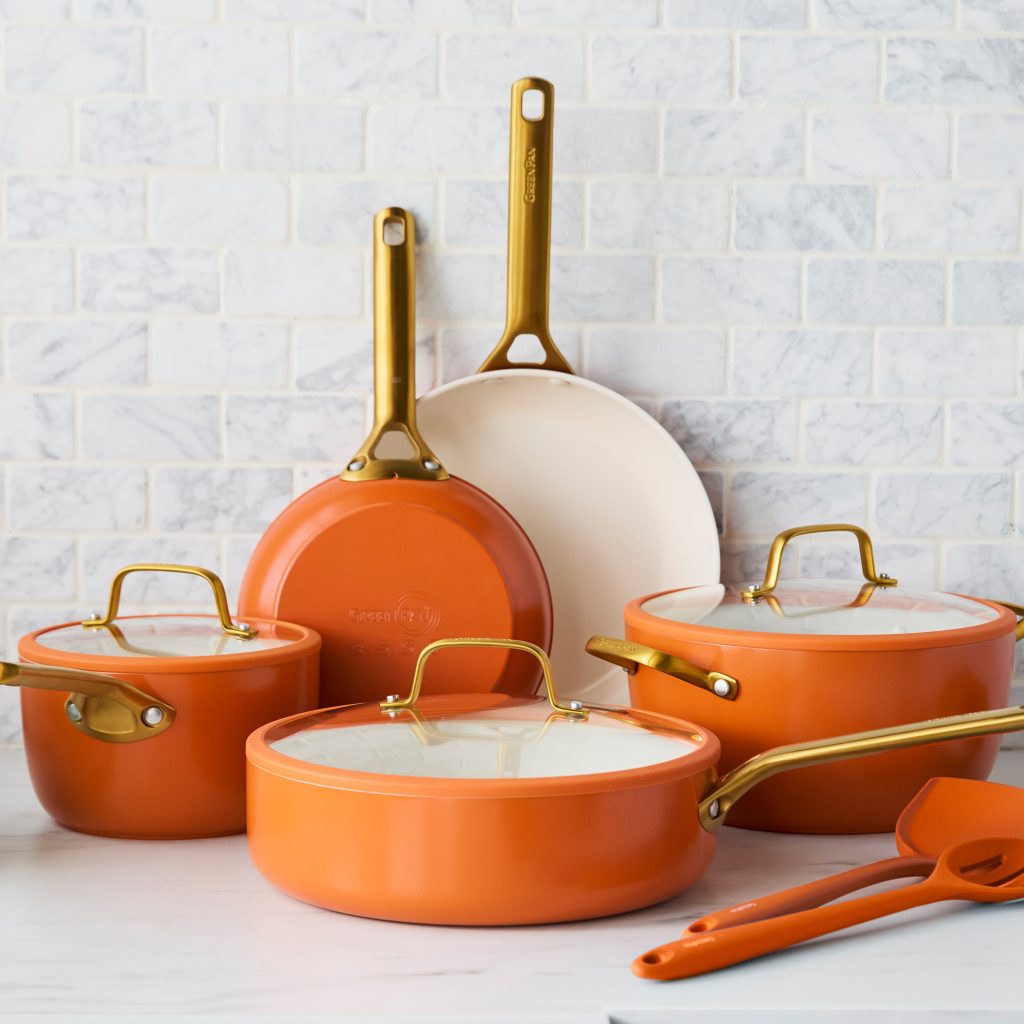
Are you worried about the safety of the cookware you use every day? When it comes to your health and your family’s well-being, choosing the right pots and pans matters more than you might think.
You’ve probably heard about GreenPan and its claim to be a nontoxic option, but is it really safe? You’ll discover the truth behind GreenPan’s materials and coatings. By the end, you’ll know if this popular brand is the healthy choice your kitchen needs.
Keep reading to protect your home and cook with confidence.

Credit: www.hungryhuy.com
Greenpan Materials
Greenpan cookware uses special materials to keep your cooking safe. They focus on non-toxic and environmentally friendly parts.
This article explains what materials Greenpan uses in their ceramic nonstick coating and base.
Ceramic Nonstick Coating
The ceramic nonstick coating in Greenpan pans is free from harmful chemicals. It does not use PFAS, PFOA, lead, or cadmium.
- The coating is made from a sand-based ceramic.
- It allows food to cook without sticking easily.
- This coating can withstand high heat safely.
- It is dishwasher safe and easy to clean.
Base Materials Used
| Material | Description | Benefit |
| Aluminum | Lightweight metal used for the pan body | Heats quickly and evenly |
| Stainless Steel | Used in some models for durability | Resists rust and damage |
| Ceramic | Coating made from natural sand | Non-toxic and safe at high temperatures |
Credit: www.organicauthority.com
Chemical Composition
GreenPan cookware uses a special ceramic coating. This coating is made without harmful chemicals. This makes it safer for cooking.
The base is usually aluminum, which helps in even heat spread. The coating is designed to be nonstick and durable without toxic substances.
Pfas And Pfoa Absence
GreenPan does not use PFAS or PFOA in its coatings. These chemicals are often found in other nonstick pans. They can release harmful fumes when heated.
By avoiding PFAS and PFOA, GreenPan reduces health risks. This makes cooking safer for families and individuals.
Heavy Metals And Toxins
GreenPan coatings are free from heavy metals like lead and cadmium. These metals can be dangerous if they enter food.
The company tests its products to ensure no harmful toxins are present. This helps keep your food clean and safe.
Safety Certifications
Greenpan cookware is known for its non-toxic features. Safety certifications prove its quality and safety.
These certifications come from trusted agencies. They test the materials and processes used.
Third-party Testing
Independent labs test Greenpan products for harmful chemicals. They check for toxins like PFAS and PFOA.
- Ensures no toxic substances release during cooking
- Verifies durability and heat resistance
- Confirms the coating stays safe over time
- Tests for heavy metals in the materials
Regulatory Compliance
Greenpan meets strict rules set by food and safety authorities worldwide. These rules protect consumers from harmful products.
| Certification | Authority | Focus |
| FDA Approval | U.S. Food and Drug Administration | Food safety and materials |
| LFGB Certification | German Food and Feed Code | Material safety and hygiene |
| Prop 65 Compliance | California Environmental Protection Agency | Limits on toxic chemicals |
| REACH Regulation | European Chemicals Agency | Chemical safety in products |
Durability And Wear
GreenPan cookware is popular for its non-toxic ceramic coating. Durability and wear are key factors to consider.
Understanding how GreenPan resists scratches and how long its coating lasts helps you make a smart choice.
Scratch Resistance
GreenPan’s ceramic coating is harder than traditional non-stick layers. It resists scratches better but is not scratch-proof.
- Use wooden or silicone utensils to avoid damage.
- Avoid metal scrubbers when cleaning.
- Do not stack cookware without protection.
- Follow care instructions to keep coating intact.
Lifespan Of Coating
The coating on GreenPan lasts longer than many non-toxic pans. Proper use can extend its lifespan.
| Factor | Effect on Coating Life |
| Utensil type | Soft utensils prevent scratches |
| Cleaning method | Gentle cleaning preserves coating |
| Heat level | Medium heat avoids damage |
| Storage | Proper storage prevents wear |
Health Benefits
GreenPan cookware is known for being safer and healthier. It uses ceramic non-stick coating without harmful chemicals.
This helps protect your health while cooking meals every day.
Reduced Chemical Exposure
GreenPan cookware does not use PFAS, PFOA, lead, or cadmium. These chemicals can be harmful to your health.
Using GreenPan lowers your chance of breathing in or eating toxic chemicals from your pots and pans.
- No PFAS or PFOA chemicals
- Free from lead and cadmium
- Safe ceramic coating
- Less risk of chemical leaks during cooking
Improved Cooking Experience
GreenPan cookware heats evenly and cooks food well. This means less burning and easier cleaning.
The non-stick surface helps you use less oil and cook healthier meals. Food slides off easily without sticking.
- Even heat distribution
- Easy to clean ceramic surface
- Requires less oil for cooking
- Food does not stick
User Reviews
Many people share their experiences using Greenpan cookware. These reviews help us understand if Greenpan is truly nontoxic. Users talk about what they liked and any concerns they had.
This section shows both positive feedback and reported concerns from actual users. It gives a balanced view of the product’s safety and performance.
Positive Feedback
Users often praise Greenpan for its ease of cleaning and good nonstick performance. Many appreciate that it does not release harmful chemicals while cooking.
- Nonstick surface works well without scratching
- No unpleasant smells during cooking
- Safe to use on low to medium heat
- Easy to clean with just water and soap
- Made with ceramic coating free from PFAS and PFOA
Reported Concerns
Some users mention that the nonstick coating can wear off after long use. A few also note the pans may not be as durable as traditional cookware.
| Concern | Description |
| Coating Wear | Nonstick surface may peel after months of heavy use |
| Heat Limit | Not suitable for very high heat cooking |
| Durability | Some users find pans less sturdy than metal alternatives |
| Price | Costs more than some other nonstick pans |
Comparison With Other Cookware
Greenpan is known for being nontoxic cookware. It uses a ceramic nonstick coating without harmful chemicals. This makes it safer than some other pans. Let’s compare Greenpan with traditional nonstick, cast iron, and stainless steel cookware.
Each type of cookware has different features. Some are easier to use, while others last longer. Understanding these differences helps you pick the best pan for your kitchen.
Traditional Nonstick Pans
Traditional nonstick pans often use PTFE coatings. These can release toxic fumes if overheated. They may also contain PFOA, a harmful chemical banned in many countries. Greenpan avoids these chemicals with a ceramic coating.
Traditional nonstick pans are easy to clean and cook with. They need careful use to avoid damage. Scratches can cause chemicals to leach into food. Greenpan’s ceramic coating is more scratch-resistant and safer.
- Traditional pans use PTFE and sometimes PFOA
- May release toxic fumes if too hot
- Greenpan uses ceramic, which is safer
- Traditional pans scratch more easily
- Greenpan’s coating resists scratches better
Cast Iron And Stainless Steel
Cast iron and stainless steel pans do not have nonstick coatings. They are made from metal that can handle high heat. Cast iron needs seasoning to prevent sticking. Stainless steel requires oil or butter to cook without sticking.
Both types are very durable and can last for many years. They do not release chemicals into food. However, they need more care and skill to use well. Greenpan offers easier food release with less oil and no seasoning.
- Cast iron needs seasoning and care
- Stainless steel requires oil to prevent sticking
- Both are very durable and chemical-free
- Greenpan is easier to use with less oil
- Greenpan does not need seasoning

Credit: www.greenpan.us
Maintenance Tips
Keeping your Greenpan cookware in good shape helps it last longer. Proper care also ensures it stays nontoxic.
Follow simple maintenance tips to keep your pans safe and clean.
Cleaning Methods
Wash your Greenpan with warm water and mild soap. Avoid harsh cleaners or steel wool.
Use a soft sponge or cloth to protect the nonstick surface.
- Do not use metal utensils for cleaning
- Hand wash is better than dishwasher use
- Remove food residue gently to avoid scratches
Storage Recommendations
Store your Greenpan carefully to avoid damage. Keep pans separated to protect the coating.
Use soft cloth or paper towels between pans if you stack them.
- Keep pans in a dry place to prevent rust on handles
- Hang pans to save space and avoid scratches
- Do not stack heavy items on top of Greenpan cookware
Frequently Asked Questions
What Makes Greenpan Nontoxic?
GreenPan is nontoxic because it uses a ceramic non-stick coating free from harmful chemicals. Unlike traditional non-stick pans, GreenPan’s coating is free from PFOA, PFAS, lead, and cadmium. This ensures safe cooking without releasing toxic fumes, even at high temperatures, making it a healthier choice for your kitchen.
Is Greenpan Safe For High-heat Cooking?
Yes, GreenPan is safe for high-heat cooking. Its ceramic coating can withstand high temperatures without releasing harmful fumes. This makes it ideal for searing, browning, and frying. However, it’s always recommended to follow the manufacturer’s guidelines for optimal performance and longevity.
Does Greenpan Contain Any Harmful Chemicals?
No, GreenPan does not contain harmful chemicals. Its ceramic coating is free from PFOA, PFAS, lead, and cadmium. This makes it a safer choice compared to traditional non-stick pans. GreenPan’s commitment to health ensures a nontoxic cooking experience, contributing to a healthier lifestyle.
How Does Greenpan’s Coating Differ From Others?
GreenPan’s coating differs by using a ceramic non-stick layer free from harmful substances. Unlike traditional coatings, it’s made without PFOA and PFAS. This innovation ensures a nontoxic cooking surface that doesn’t release toxic fumes, providing a safer and healthier cooking experience.
Conclusion
GreenPan offers cookware with a focus on safety and health. Its ceramic coating avoids harmful chemicals found in some pans. Many users feel confident cooking with GreenPan every day. The brand promotes cleaner, safer cooking without sacrificing performance. Choosing GreenPan can support a healthier kitchen environment.
Think about your needs and how this cookware fits. Safe cooking matters, and GreenPan aims to deliver that. Overall, GreenPan stands as a solid option for nontoxic cookware.