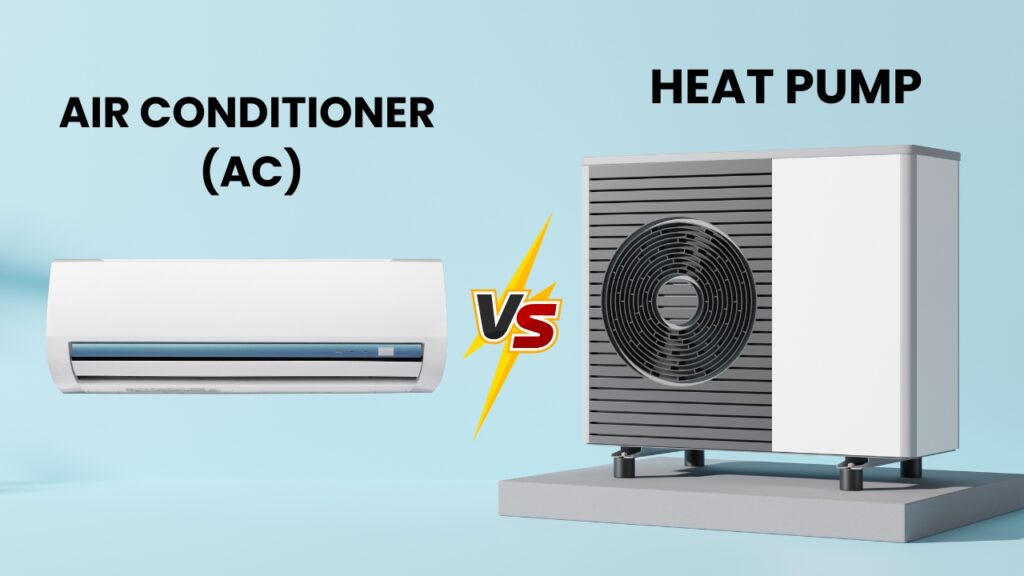
Are you trying to decide between a heat pump and an air conditioner for your home? It’s a common question, but the answer isn’t always simple.
Both systems cool your space, but they work differently and offer unique benefits. Understanding these differences can save you money, improve your comfort, and even reduce your energy bills. Keep reading, because by the end of this article, you’ll know exactly which option suits your needs best—and why it might change the way you think about cooling your home.

Credit: greenleafair.com
Heat Pump Basics
Heat pumps are devices that move heat from one place to another. They can warm or cool your home.
They work differently than air conditioners but can do similar jobs in some cases.
How Heat Pumps Work
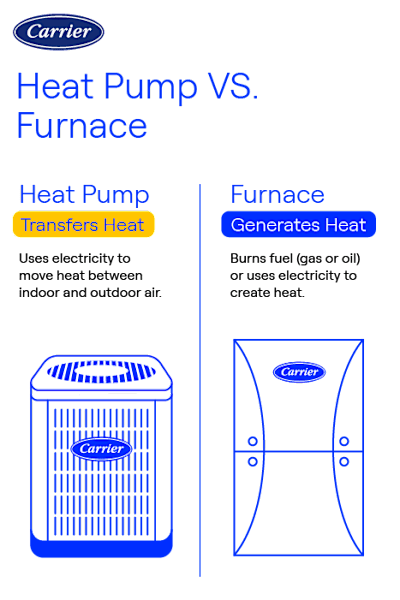
Heat pumps take heat from outside air, ground, or water and bring it inside. They can also move heat out to cool your home.
The system uses a compressor and refrigerant to move heat. It works like a refrigerator but can change direction.
- In heating mode, it absorbs heat from outside and releases it inside.
- In cooling mode, it absorbs heat inside and releases it outside.
- This process uses less energy than traditional heating systems.
Types Of Heat Pumps
There are three main types of heat pumps. Each uses a different heat source.
| Type | Heat Source | Common Use |
| Air Source | Outside air | Most homes and buildings |
| Ground Source | Soil or ground water | Areas with stable ground temperature |
| Water Source | Nearby water bodies | Near lakes, rivers, or ponds |
Air Conditioner Basics
Air conditioners help cool indoor spaces by removing heat. They keep rooms comfortable during hot weather.
Understanding how air conditioners work and their types can help you choose the right cooling system.
How Air Conditioners Work
An air conditioner moves heat from inside to outside. It uses a refrigerant to absorb heat from the air.
The warm indoor air passes over coils with cold refrigerant. The refrigerant cools the air and carries heat outside.
Types Of Air Conditioners
There are several types of air conditioners. Each type suits different spaces and needs.
- Window Air Conditioners: Fit in a window and cool one room.
- Split Air Conditioners: Have indoor and outdoor units for quiet cooling.
- Portable Air Conditioners: Moveable units that cool small areas.
- Central Air Conditioners: Cool whole houses with ducts.
Energy Efficiency Comparison
Heat pumps and air conditioners both cool indoor spaces. They use electricity but work differently. Understanding their energy use helps choose the best option.
This comparison focuses on how energy efficient heat pumps and air conditioners are. We look at seasonal performance and electricity consumption.
Seasonal Performance
Heat pumps work for both heating and cooling. They move heat instead of creating it. This makes them useful all year.
Air conditioners only cool spaces. They do not provide heating. In winter, you need a separate heater, which uses extra energy.
- Heat pumps save energy by heating and cooling with one system
- Air conditioners need extra heating in cold months
- Heat pumps perform well in mild to moderate climates
- In very cold areas, heat pump efficiency can drop
Electricity Consumption
Heat pumps use electricity to move heat, which is more efficient than making heat. This often lowers electricity use for heating.
Air conditioners use electricity only to cool. Adding a heater means more electricity is needed overall during cold months.
| System | Cooling Electricity Use | Heating Electricity Use |
|---|---|---|
| Heat Pump | Low to moderate | Low (moves heat) |
| Air Conditioner + Heater | Low to moderate | High (creates heat) |

Credit: www.rapidheat247.co.uk
Cost Considerations
Choosing between a heat pump and an air conditioner often depends on the costs involved. Understanding both upfront and long-term expenses helps make the right decision.
This section breaks down the initial installation costs and the long-term savings of each option.
Initial Installation Costs
Heat pumps usually cost more to install than air conditioners. The price rises because heat pumps provide both heating and cooling. Air conditioners only cool the air, which needs fewer parts.
- Heat pump installation often requires more labor.
- Heat pumps may need additional equipment for heating.
- Air conditioners have simpler installation processes.
- Permits and inspections can vary by location.
Long-term Savings
Heat pumps can save more money over time because they use electricity efficiently for both heating and cooling. Air conditioners only cool, so you might pay more for separate heating.
| Factor | Heat Pump | Air Conditioner |
| Energy Use | Uses less energy for heating and cooling | Uses more energy for heating (separate heater needed) |
| Maintenance | Moderate maintenance costs | Lower maintenance costs for cooling only |
| Utility Bills | Lower bills due to efficient heating and cooling | Higher bills if using separate heating systems |
| Lifespan | 10 to 15 years on average | 10 to 15 years on average |
Climate Suitability
Choosing between a heat pump and an air conditioner depends on the climate. Each system works best in different weather conditions. Understanding their performance helps you pick the right option for your home.
Let’s look at how each device handles cold and hot weather. This will show which is better suited for your area.
Performance In Cold Weather
Heat pumps work by moving heat from outside to inside. They can provide warmth even in cold weather. Air conditioners, on the other hand, are mainly for cooling and do not heat well.
- Heat pumps can work efficiently down to about 25°F (-4°C).
- At very low temperatures, their efficiency drops but they still provide heat.
- Air conditioners cannot heat, so they need a separate heater for cold weather.
- Heat pumps save energy by combining heating and cooling in one unit.
Performance In Hot Weather
Both heat pumps and air conditioners cool indoor air well in hot weather. Their cooling ability is quite similar because they use the same technology.
| Feature | Heat Pump | Air Conditioner |
| Cooling Efficiency | High | High |
| Energy Use | Moderate | Moderate |
| Additional Heating | Not needed | Needed |
| Best for | Year-round use | Cooling only |
Maintenance Needs
Heat pumps and air conditioners both need regular care to work well. Proper maintenance keeps them efficient and prevents costly repairs.
Understanding their maintenance needs can help you choose the right option for your home.
Common Maintenance Tasks
Both heat pumps and air conditioners require routine checks. Cleaning filters, checking refrigerant levels, and inspecting coils are common tasks.
- Clean or replace air filters every 1-3 months
- Inspect and clean evaporator and condenser coils yearly
- Check refrigerant levels and recharge if needed
- Clear debris around outdoor units
- Test thermostat function regularly
Lifespan And Durability
Heat pumps generally last between 10 and 15 years. Air conditioners usually have a lifespan of about 12 to 15 years.
| System Type | Average Lifespan | Durability Factors |
| Heat Pump | 10-15 years | Regular maintenance, climate impact |
| Air Conditioner | 12-15 years | Usage, maintenance frequency |
Environmental Impact
Choosing between a heat pump and an air conditioner affects the environment. Both systems use energy and refrigerants that impact the planet. Understanding these impacts helps make better decisions.
Heat pumps and air conditioners cool indoor spaces. Heat pumps can also heat homes, making them versatile. Their environmental effects depend on energy use and refrigerants.
Carbon Footprint
The carbon footprint shows how much greenhouse gas a system produces. Heat pumps usually have a smaller carbon footprint than air conditioners. They use electricity efficiently to both heat and cool.
Air conditioners only cool and use more energy in cold weather if extra heating is needed. Heat pumps reduce overall energy use, lowering carbon emissions. The source of electricity also affects the footprint.
- Heat pumps use less energy for heating and cooling.
- Air conditioners need separate heaters in winter.
- Electricity from clean sources cuts carbon emissions.
- Fossil fuel electricity increases carbon footprint.
Refrigerant Types
Refrigerants are chemicals that help cool air. They can harm the environment if they leak. Heat pumps and air conditioners use different refrigerants with varying impacts.
Modern heat pumps use refrigerants with low global warming potential (GWP). Many older air conditioners use refrigerants with higher GWP. Choosing systems with eco-friendly refrigerants reduces damage.
- Low GWP refrigerants cause less climate harm.
- Older refrigerants can trap more heat in the atmosphere.
- Proper maintenance prevents refrigerant leaks.
- New rules push for safer refrigerants in all systems.
User Comfort And Convenience
Choosing between a heat pump and an air conditioner depends on how they affect your comfort at home. Both systems cool indoor air but work differently.
Understanding their features helps you decide which fits your daily needs better. Comfort and ease of use matter a lot in this choice.
Temperature Control
Heat pumps can both heat and cool your home, giving you year-round temperature control. Air conditioners only cool the air.
- Heat pumps adjust temperature quickly in cold and warm weather.
- Air conditioners work best for cooling in hot weather only.
- Both use thermostats for easy temperature settings.
- Heat pumps offer more stable indoor temperatures during winter.
Noise Levels
Noise can affect your comfort, especially in bedrooms and living rooms. Heat pumps and air conditioners differ in sound output.
| System | Typical Noise Level (dB) | Notes |
|---|---|---|
| Heat Pump | 40-60 | Runs quieter during heating mode |
| Air Conditioner | 50-70 | May be louder during cooling |
Choosing The Right System
Choosing between a heat pump and an air conditioner depends on your needs. Both can cool your home well.
It is important to think about your home size, layout, budget, and preferences before deciding.
Home Size And Layout
Large homes may need a system with more power to keep all rooms comfortable. Heat pumps can both heat and cool, which is good for year-round use.
- Small homes or apartments may only need an air conditioner for cooling.
- Open floor plans can benefit from a heat pump’s ability to manage temperature evenly.
- Multiple floors might require a system with zoning options.
Budget And Preferences
Your budget affects the type of system you can afford. Heat pumps usually cost more upfront but save money on energy bills over time.
| System Type | Initial Cost | Energy Efficiency | Heating Ability |
| Heat Pump | High | High | Yes |
| Air Conditioner | Lower | Medium | No |
Credit: www.carrier.com
Frequently Asked Questions
What Is The Main Difference Between Heat Pumps And Air Conditioners?
Heat pumps provide both heating and cooling, while air conditioners only cool. Heat pumps are more versatile and energy-efficient in moderate climates.
Are Heat Pumps More Energy-efficient Than Air Conditioners?
Yes, heat pumps generally use less energy because they transfer heat instead of generating it. This makes them cost-effective for year-round use.
Can A Heat Pump Replace An Air Conditioner Entirely?
Yes, in most cases, heat pumps can replace air conditioners. They cool in summer and heat in winter, offering two functions in one unit.
Which Is Better For Cold Climates: Heat Pump Or Air Conditioner?
Air conditioners alone don’t provide heating, so heat pumps are better for cold climates. Some models work efficiently even in low temperatures.
Conclusion
Heat pumps and air conditioners both cool your home effectively. Heat pumps also provide warmth during cold months. They use less energy, which can save money on bills. Air conditioners only cool and may cost less upfront. Consider your climate and budget before choosing.
A heat pump suits places with mild winters best. An air conditioner works well in hot areas. Think about long-term savings and comfort needs. Choose what fits your home and lifestyle. Both options improve indoor comfort in their own way.