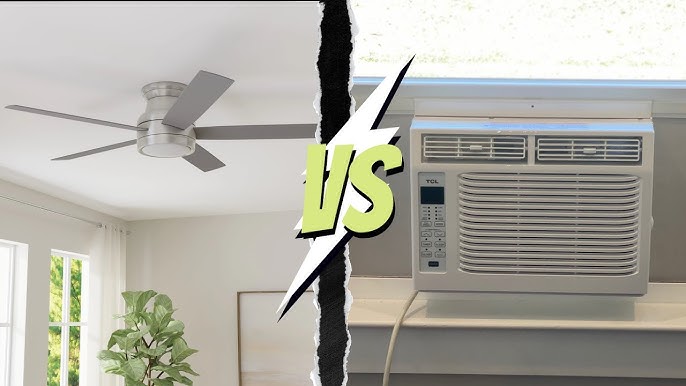
Are you wondering whether it’s cheaper to run a fan or an air conditioner? You’re not alone.
When the heat kicks in, finding the most cost-effective way to stay cool can save you a surprising amount on your energy bills. But which option truly gives you the best bang for your buck? You’ll discover the real costs behind running fans and air conditioners.
By the end, you’ll know exactly how to keep your home comfortable without breaking the bank. Keep reading to make smarter choices that protect both your wallet and your comfort.
Energy Consumption Of Fans
Fans use much less electricity than air conditioners. Different types of fans have different power needs. A typical ceiling fan uses about 50 to 75 watts. Table fans and pedestal fans usually use around 40 to 60 watts. Tower fans consume roughly 40 to 100 watts, depending on the model.
Here is a simple table showing fan types and their average power use:
| Fan Type | Power Usage (Watts) |
|---|---|
| Ceiling Fan | 50 – 75 |
| Table Fan | 40 – 60 |
| Pedestal Fan | 40 – 60 |
| Tower Fan | 40 – 100 |
The cost of running fans depends on local electricity rates. On average, running a fan for one hour costs less than a few cents. Fans use less energy, so the monthly cost stays low. They are a good option for saving money on cooling.

Credit: www.greenwashingindex.com
Energy Consumption Of Air Conditioners
Air conditioners use different amounts of energy based on their type and size. Window unitsusually consume less power than central air systems. Split systemsoffer good efficiency but cost more to run than smaller units.
Energy efficiency is shown by the SEER rating. Higher SEER means lower electricity use for the same cooling. Modern models often have SEER ratings from 13 to 21.
| Type of AC | Average Power Use (Watts) | SEER Range |
|---|---|---|
| Window Unit | 500 – 1500 | 10 – 13 |
| Split System | 1000 – 3500 | 13 – 21 |
| Central Air | 2000 – 5000 | 13 – 18 |
Electricity cost depends on how long the AC runs and local rates. Typical cost for running an AC is around $0.10 to $0.30 per kWh. Cooling a room for one hour may cost between $0.05 and $0.50, depending on the unit.
Cost Factors Affecting Running Expenses
Electricity ratesdiffer by location and affect running costs. Using a fan for longer hourscan add up but still costs less than an air conditioner. Air conditioners use more power, so shorter use is cheaper.
Room sizematters. Fans work well in small rooms or close areas. Air conditioners cool large rooms better but use more energy. Cooling needs depend on how cool you want the room.
Climateaffects device use. Hot, humid places need air conditioners more often. Cooler places can rely on fans. This changes how much you spend on running these devices.
Comparing Running Costs: Fan Vs Air Conditioner
Fans use less electricitythan air conditioners. They cost only a few cents per hour to run. Air conditioners use much more power, so their hourly cost is higher. Fans cool by moving air, not lowering the room temperature. This makes fans cheaper for short-term use.
Air conditioners need more energy to cool a whole room. This means higher bills if used for a long time. Fans have a low energy use even if used many hours daily. Air conditioners also need regular maintenance, which adds to long-term costs.
| Aspect | Fan | Air Conditioner |
|---|---|---|
| Hourly Cost | Very low (few cents) | High (several times more) |
| Energy Use | Low | High |
| Maintenance | Minimal | Regular and costly |
| Comfort Level | Moderate | High |
Additional Considerations
Comfort levelsvary between fans and air conditioners. Fans move air around, creating a cooling breeze, but they do not lower room temperature. Air conditioners cool the airand reduce humidity, making rooms more comfortable in hot weather.
Environmental impactdepends on energy use. Fans use much less electricity than air conditioners, making them more energy-efficientand better for the environment. Air conditioners consume more power and can increase your carbon footprint.
| Aspect | Fan | Air Conditioner |
|---|---|---|
| Energy Use | Low | High |
| Cooling Effect | Circulates air | Lowers temperature |
| Maintenance | Simple, low cost | More complex, higher cost |
| Lifespan | Long | Medium |
Fans require little maintenancelike cleaning dust. Air conditioners need regular servicing to work well. This can add to the overall cost over time. Fans often last longer because they have fewer parts that can break.

Credit: northnjhvac.com
Tips To Reduce Cooling Costs
Using fans wiselycan lower your cooling bills. Place fans near windows to push hot air out. Use ceiling fans to move air around the room. Turn off fans when no one is in the room to save energy. Fans cool people, not rooms, so they use less power than air conditioners.
Efficient air conditioner usemeans setting the thermostat to a higher temperature, like 78°F (25°C). Clean or replace filters regularly to keep airflow strong. Close windows and doors to stop cool air from escaping. Use curtains or blinds to block sunlight and reduce heat inside.
- Use fans to help spread cool air from the air conditioner.
- Run the air conditioner only when needed, not all day.
- Use a programmable thermostat to control temperature easily.
- Keep heat-producing appliances off during the hottest hours.

Credit: www.reddit.com
Frequently Asked Questions
Is Running A Fan Cheaper Than An Ac?
Yes, running a fan is generally cheaper than an air conditioner. Fans consume less electricity, making them more cost-effective for cooling. However, fans only circulate air, while ACs cool the air. For energy savings, use fans when temperatures are moderate and switch to ACs during extreme heat.
How Much Electricity Does A Fan Use?
A typical ceiling fan uses about 15-90 watts of electricity. This depends on its speed and size. Compared to air conditioners, which can use 500 to 3500 watts, fans are more energy-efficient. To save on electricity bills, use fans when possible and limit AC usage during peak hours.
Can Fans Cool A Room Effectively?
Fans do not cool air; they circulate it to create a breeze. This breeze can make you feel cooler by evaporating sweat from your skin. For optimal comfort, use fans in conjunction with open windows or air conditioners to circulate cooler air within the room.
What Are The Benefits Of Using A Fan?
Fans offer several benefits, including lower electricity costs and improved air circulation. They can help distribute cool air from an air conditioner more evenly throughout a room. Additionally, fans are quieter and more environmentally friendly compared to air conditioners, making them a sustainable cooling option.
Conclusion
Running a fan costs much less than using an air conditioner. Fans use less electricity and keep you cool by moving air. Air conditioners cool the room but use more power. For short times or mild heat, fans work great.
On very hot days, air conditioners may feel better. Think about your budget and comfort before choosing. Small steps save money and energy. Choose what fits your needs and stays easy on your wallet.