Have you ever noticed water dripping from your air conditioner and wondered if it’s something to worry about? You’re not alone.
Many people see water leaking from their AC and ask, “Is this normal? ” Understanding why your air conditioner leaks water can save you from costly repairs and keep your home comfortable. You’ll discover the common reasons behind AC leaks, what’s normal, and when you should call a professional.
Keep reading to protect your home and get the most from your cooling system.
Why Air Conditioners Leak Water
Air conditioners often leak water because of normal processes inside the unit. This water comes from moisture in the air.
Understanding why water leaks can help you keep your AC working well and avoid damage.
Condensation Process
Air conditioners cool warm air by removing heat and moisture. When warm air touches cold coils inside the AC, water forms on the coils.
This water is called condensation. It is normal for some water to collect inside the AC unit during this process.
- Warm air meets cold coils
- Moisture in air turns into water droplets
- Water collects inside the unit
Drainage System Role
The AC has a drainage system to remove the water from condensation. It usually sends water outside through a drain pipe.
If the drainage system is blocked or broken, water can leak inside your home. Keeping drains clean helps prevent leaks.
- Drain pan collects water
- Drain pipe carries water outside
- Blockages cause water to overflow
- Regular cleaning keeps system working

Credit: honorservices.com
Common Causes Of Water Leakage
Air conditioners sometimes leak water. This can happen for many reasons. Understanding why helps you fix the problem.
Water leaks are often caused by parts that are blocked or broken. Some causes are easy to check and fix.
Clogged Drain Line
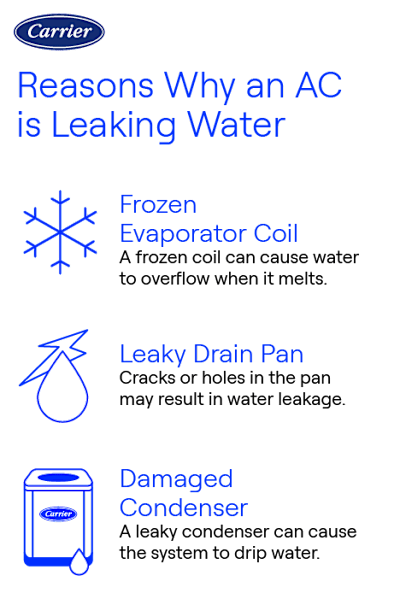
The drain line removes water from the air conditioner. Dirt and debris can clog this line. When it clogs, water builds up and leaks inside.
Regular cleaning of the drain line keeps water flowing out properly. This stops leaks and keeps the AC working well.
Frozen Evaporator Coil
The evaporator coil cools the air. If it freezes, melting ice turns into extra water. This water can leak from the unit.
Freezing happens when airflow is low or refrigerant is low. Fixing these issues stops the coil from freezing and leaking.
Improper Installation
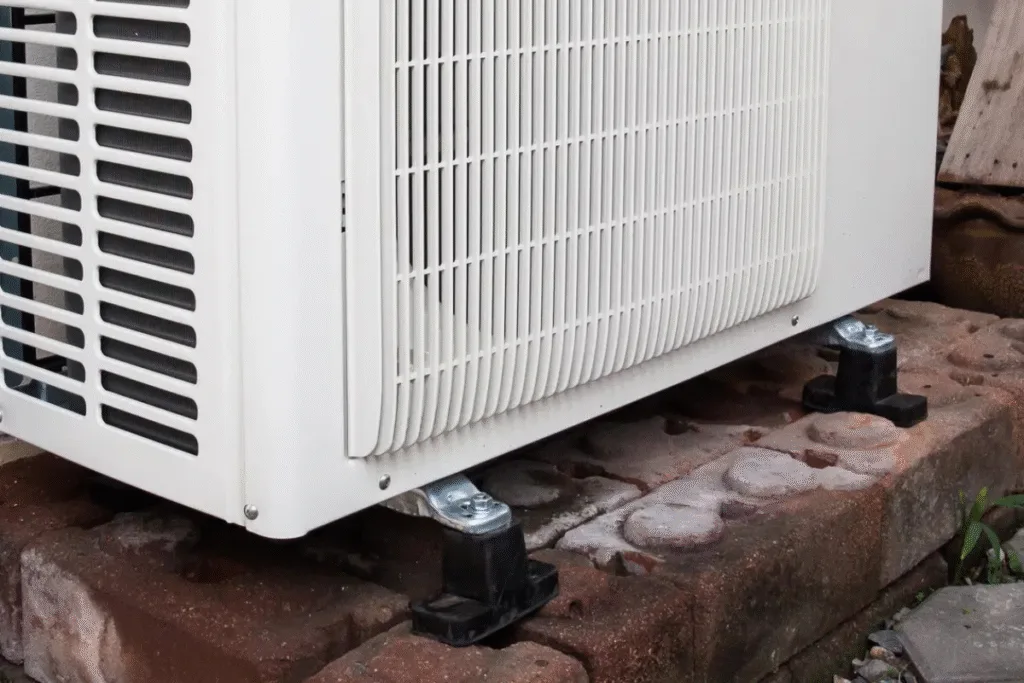
If the air conditioner is not installed right, water may not drain correctly. The unit needs to be level for proper drainage.
Wrong pipe placement or missing parts can cause leaks. A correct installation helps prevent water problems.
Low Refrigerant Levels
Low refrigerant causes the evaporator coil to get too cold. This can lead to ice buildup and water leaks as the ice melts.
Checking and refilling refrigerant keeps the system balanced. This stops leaks and keeps the air conditioner efficient.
Signs Of Abnormal Leaks
Air conditioners sometimes leak water during normal use. This happens because they remove moisture from the air. But some leaks are not normal and need attention.
It is important to spot signs of abnormal leaks early. These signs can help prevent damage to your home and the AC unit.
Excessive Water Pooling
Water pooling around your air conditioner is not always normal. A small amount of water may drip, but large pools mean a problem. Excess water can damage floors and walls.
Excessive water pooling can be caused by a clogged drain line or a broken pump. It can also happen if the unit is not level.
- Check for large puddles under the AC unit
- Look for water stains on floors or carpets
- Notice if the water keeps growing after use
Water Around Indoor Unit
Water near the indoor part of your AC is a sign of trouble. The inside unit should stay dry except for normal condensation. If you see water, it may mean a leak or blockage.
Leaks inside the wall or ceiling can cause damage and mold growth. It is important to fix leaks around the indoor unit quickly.
- Look for water stains on walls or ceilings
- Feel for dampness near the indoor unit
- Check if water drips from vents or pipes
Mold Or Mildew Growth
Leaks can cause mold or mildew to grow near your air conditioner. Mold appears as black, green, or white spots. It can cause health issues and damage to your home.
If you see mold or smell a musty odor, it means water is leaking for a long time. This needs quick action to clean and fix the leak.
- Watch for visible mold spots near the AC unit
- Notice any strange or musty smells
- Check damp or discolored areas on walls or ceiling

Credit: sierracoolslv.com
Health And Safety Concerns
Air conditioners sometimes leak water. This can cause health and safety problems. It is important to understand the risks of water leaks in your AC unit.
Water leaks can lead to mold growth and electrical dangers. Both can harm your home and your well-being.
Mold Risks
When air conditioners leak water, damp areas form. Mold can grow in these wet spots. Mold spores can spread in the air and cause health problems.
- Mold can cause allergy symptoms like sneezing and coughing.
- It can worsen asthma and other lung problems.
- Long exposure to mold can lead to skin irritation and headaches.
- Some mold types produce toxins that are harmful to health.
Electrical Hazards
Water leaking from an air conditioner can reach electrical parts. This creates a risk of electric shock or fire. Wet wiring or components can fail and cause accidents.
| Risk | Cause | Effect |
| Electric Shock | Water contacts live wires | Injury or death |
| Short Circuit | Water causes wiring fault | Power loss or fire |
| Fire Hazard | Damaged electrical parts | Home damage, injury |
Maintenance Tips To Prevent Leaks
Air conditioners sometimes leak water. This usually means they need maintenance. Keeping your AC in good shape stops leaks and other problems.
Simple care steps help your AC work well and last longer. Regular checks keep water from leaking inside your home.
Regular Filter Cleaning
Dirty filters block airflow. This causes the AC to freeze and leak water when it melts. Clean filters often to keep air flowing well.
Remove the filter and rinse it with water. Let it dry before putting it back. Check filters every month during heavy use.
Drain Line Flushing
Drain lines carry water away from the AC. These lines can get clogged with dirt and algae. Blockages cause water to leak inside.
Flush the drain line with a mixture of water and vinegar. This clears buildup and keeps water flowing. Do this every few months to prevent clogs.
- Turn off the AC
- Locate the drain line
- Pour vinegar into the line
- Wait 30 minutes
- Flush with water
Professional Inspections
Experts check your AC for hidden problems. They inspect parts you cannot easily reach. Regular inspections catch leaks early.
Schedule a professional check once a year. They clean, fix, and make sure your AC runs smoothly. This helps prevent water leaks and keeps your home dry.
When To Call A Technician
Air conditioners sometimes leak water. A small drip can be normal during use. But certain signs mean you should call a technician.
Knowing when to get professional help saves money and prevents damage. Watch for these common warning signs.
Persistent Leaks
If your air conditioner leaks water every time it runs, it is not normal. Persistent leaks can cause water damage and mold growth.
This problem often means the drain line is clogged or broken. A technician can clean or replace it safely.
Unusual Noises
Strange sounds like banging, hissing, or gurgling may come from leaks inside the unit. These noises show internal issues.
A technician can find the source of the noise and fix the problem before it worsens.
System Performance Issues
Water leaks can lower your air conditioner’s cooling power. If your home does not cool well, check for leaks.
Call a technician if your system stops working properly. They can inspect and repair both leaks and cooling problems.
Credit: deepchill.com.au
Frequently Asked Questions
Why Is My Air Conditioner Leaking Water Inside?
Water leaks inside usually mean a clogged drain line or frozen coil. Condensation can’t drain properly, causing leaks.
Is It Normal For Air Conditioners To Drip Water?
Yes, small drips are normal due to condensation during cooling. Large leaks signal issues needing repair.
How Can I Stop My Ac From Leaking Water?
Clean the drain line and check the condensate pan. Regular maintenance helps prevent leaks and water damage.
Does A Leaking Ac Affect Its Performance?
Yes, leaks can reduce cooling efficiency and increase energy costs. Fix leaks promptly to maintain optimal performance.
Conclusion
Water leaking from an air conditioner can be normal sometimes. Small drips may happen when the unit removes humidity. But large leaks or constant dripping need attention. Clean filters and clear drains help stop leaks. Regular checks keep your AC working well.
Don’t ignore water pools near the unit. Fix leaks early to avoid damage and costs. Keep your home cool and dry by watching for leaks. Simple care goes a long way in AC health.