You’ve just finished feeding your little one, and now you’re staring at a pile of baby bottles that need cleaning. You might be wondering: Is it safe to put baby bottles in the dishwasher?
This question isn’t just about convenience; it’s about ensuring your baby’s health and safety. You want to make sure that every sip they take is free from germs and harmful residues. The decision might seem simple, but there are a few important factors you need to consider.
Stick with us as we explore the pros and cons, unravel the myths, and provide you with the clarity you need to keep your baby safe and your life a bit easier. Let’s dive into what you need to know to make the best choice for your family.
Dishwasher Safety For Baby Bottles
Keeping baby bottles clean is essential for your little one’s health. Dishwashers offer a quick way to clean bottles, but safety depends on several factors. Understanding how dishwashers affect baby bottles helps you make the right choice.
Material Matters
Baby bottles come in plastic, glass, and silicone. Not all materials handle dishwasher heat well. Plastic bottles may warp or release harmful chemicals if not labeled dishwasher safe. Glass bottles usually tolerate dishwasher cycles but can break if placed incorrectly. Silicone bottles are flexible and often dishwasher safe, but check the manufacturer’s advice.
Heat And Water Pressure Effects
Dishwashers use high heat and strong water jets. These can damage bottles over time. Heat may weaken plastic or cause cracks. Water pressure can push water inside bottle parts, making drying hard. Use the top rack to reduce heat exposure. Place bottles securely to avoid movement during the cycle.
Detergent Concerns
Dishwasher detergents contain chemicals that may linger on baby bottles. Some detergents are too harsh for delicate materials. Residue can affect the taste and safety of milk or formula. Use mild, fragrance-free detergents designed for baby items. Rinse bottles well after washing to remove any leftover detergent.
Types Of Baby Bottles
Choosing the right baby bottle matters for safety and cleaning ease. Baby bottles come in various materials, each with unique features. Understanding these types helps decide if they can go in the dishwasher.
Plastic Bottles
Plastic bottles are light and affordable. Most are BPA-free to keep babies safe. They can handle dishwasher heat, but check the label first. Some plastics may warp or degrade after many washes. Use the top rack for gentle cleaning and longer bottle life.
Glass Bottles
Glass bottles are sturdy and free from chemicals. They resist scratches and stains well. Glass can handle high dishwasher temperatures without damage. They are heavier and can break if dropped. Place them securely in the dishwasher to avoid accidents.
Silicone Bottles
Silicone bottles are flexible and soft for babies. They resist heat and are dishwasher safe. Silicone does not absorb odors or stains. These bottles dry quickly after washing. Their bendable shape makes cleaning easier by hand or in the dishwasher.
Best Practices For Dishwasher Cleaning
Keeping baby bottles clean and safe is a top priority for many parents. Using a dishwasher can save time, but only if done correctly. Here are some best practices for dishwasher cleaning that will help protect your baby’s health and extend the life of your bottles.
Proper Bottle Placement
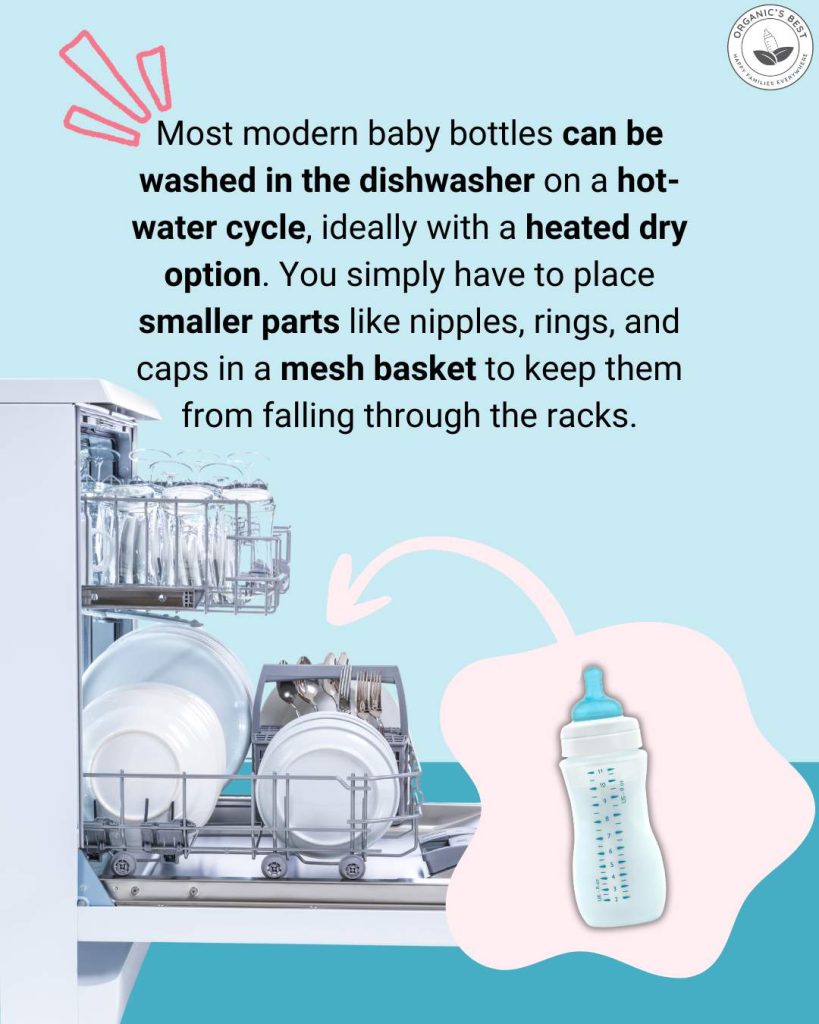
Where you place the bottles in the dishwasher matters a lot. Position bottles upright on the top rack to avoid water pooling inside. Make sure the nipples and smaller parts are secured in a basket or mesh container so they don’t fall through or get lost.
Leave enough space between bottles to allow water and detergent to reach every surface. Have you noticed residue buildup on bottles after a wash? This often happens when bottles are crowded or placed too low, where water pressure is weaker.
Choosing The Right Cycle
Not all dishwasher cycles are equal for baby bottles. Select a cycle with high-temperature settings to kill germs effectively. Many dishwashers have a sanitize or baby care cycle designed for this purpose.
A quick or eco cycle might save energy but won’t clean thoroughly. Think about your baby’s sensitive system—would you risk it with a less thorough wash? Opting for a longer, hotter cycle ensures better hygiene.
Using Baby-safe Detergents
The detergent you use is just as important as how you wash. Choose detergents labeled safe for baby items, free from harsh chemicals and fragrances. These reduce the risk of irritation or allergic reactions.
Some detergents leave residues that taste bitter or feel sticky. If you’ve ever noticed your baby refusing a bottle, detergent residues could be the cause. Using gentle, baby-friendly detergents keeps bottles clean and your baby comfortable.

Credit: maps-stg.ndrive.com
Alternatives To Dishwasher Cleaning
Not everyone feels comfortable placing baby bottles in the dishwasher. Some worry about the chemicals used in detergents or the temperature settings. Fortunately, there are effective alternatives that let you keep your baby’s feeding gear clean and safe without relying on a dishwasher.
Hand Washing Techniques
Hand washing baby bottles gives you full control over the cleaning process. Start by rinsing the bottles with warm water immediately after feeding to prevent milk residue from hardening. Use a mild, fragrance-free dish soap and a dedicated bottle brush to scrub all surfaces thoroughly.
Pay close attention to the bottle neck, nipple, and any hard-to-reach areas. You might find that soaking the bottles in warm soapy water for a few minutes loosens stubborn milk deposits. Rinse well with clean water to remove all soap traces before drying.
Have you tried using a small brush for the nipples? It makes a big difference in reaching inside and ensures no milk residue remains. Hand washing takes a bit more effort but gives you peace of mind knowing you cleaned every corner.
Sterilizing Methods
Beyond washing, sterilizing baby bottles kills harmful germs and bacteria that washing alone might miss. Boiling bottles in water for five minutes is a simple and effective method if you have a stove handy. Make sure bottles are fully submerged and avoid overcrowding the pot.
Electric steam sterilizers offer a quick and convenient option, especially if you have multiple bottles to clean daily. These devices use high-temperature steam to sanitize bottles without harsh chemicals. You can also consider microwave steam bags, which are portable and easy to use.
Have you noticed any difference in your baby’s digestion after sterilizing bottles regularly? Many parents report fewer tummy troubles, which suggests sterilizing can really help. Choosing a sterilizing method that fits your routine ensures bottles stay hygienic without adding stress.
Common Mistakes To Avoid
Knowing the common mistakes to avoid when putting baby bottles in the dishwasher can save you time and keep your baby safe. Many parents assume the dishwasher is a simple fix, but little errors can affect cleanliness and bottle integrity. Let’s look closely at some pitfalls you should watch out for.
Overheating Risks
Dishwashers use high temperatures to sanitize items, but baby bottles made of certain plastics can warp or release harmful chemicals if overheated. Have you noticed your bottles becoming misshapen after a few washes? This usually means the heat setting is too high or the bottles are placed too close to the heating element.
Try using a gentle or low-heat cycle designed for delicate items. Always check your bottle manufacturer’s instructions for temperature limits before loading them. This small step helps preserve the bottle’s shape and safety.
Inadequate Rinsing
Food residue or milk deposits left on bottles after washing can cause bacterial growth. Relying on a single rinse cycle or overloading the dishwasher often leads to this problem. Have you ever found sticky spots inside a supposedly clean bottle?
Make sure to rinse bottles thoroughly before loading them and avoid overcrowding the dishwasher. Consider running an extra rinse cycle if your machine allows. Clean bottles protect your baby’s health and give you peace of mind.
Mixing With Harsh Chemicals
Some parents place baby bottles alongside cleaning agents or dishwasher detergents that contain harsh chemicals. This can leave unsafe residues on bottles or damage their surfaces. Do you read the labels on your dishwasher detergent and bottle cleaning products?
Use only baby-safe detergents or those labeled as mild and fragrance-free. Avoid placing bottles next to bleach or strong cleaners in the dishwasher. Keeping chemicals separate ensures your baby’s bottles stay clean and non-toxic.

Credit: www.reddit.com
Expert Tips For Maintaining Bottle Hygiene
Keeping baby bottles clean is key to your baby’s health. Proper hygiene prevents germs and keeps feeding safe. Experts suggest simple habits to maintain bottle cleanliness.
Regular checks, replacing old parts, and smart storage help keep bottles safe and fresh. These steps reduce the risk of bacteria and ensure your baby uses clean bottles every time.
Regular Inspection
Look over bottles before each use. Check for cracks, discoloration, or sticky residue. Damaged bottles can hide germs and pose safety risks. Nipples need close attention too. Watch for tears or changes in texture. Clean all parts thoroughly after washing. Use a bottle brush to reach every corner. Regular inspection catches problems early.
Replacing Worn Parts
Bottle parts wear out over time. Replace nipples every few months or if damaged. Old parts can harbor bacteria even after cleaning. Use parts recommended by the bottle’s brand. Keep spares on hand for quick swaps. New parts keep bottles safe and working well.
Storage Recommendations
Store clean bottles in a dry, clean place. Avoid sealing them wet inside containers. Moisture encourages mold and bacteria growth. Let bottles air dry completely before storing. Use a clean drying rack or towel. Keep bottles away from kitchen sinks or dirty areas. Proper storage helps maintain hygiene between uses.

Credit: www.searshomeservices.com
Frequently Asked Questions
Is It Safe To Put All Baby Bottles In The Dishwasher?
Most baby bottles are dishwasher-safe, but always check the manufacturer’s guidelines. Use the top rack to avoid heat damage and ensure thorough cleaning without warping or melting.
Can Dishwasher Heat Affect Baby Bottle Materials?
High dishwasher heat may warp plastic bottles or break down nipples. Use a gentle or low-heat cycle and place bottles on the top rack to protect them.
How To Properly Clean Baby Bottles In The Dishwasher?
Disassemble all parts and rinse bottles before placing them on the top rack. Use a baby-safe detergent and a sanitize cycle if available for thorough cleaning.
Are Dishwasher Detergents Safe For Baby Bottles?
Use mild, fragrance-free, and dye-free detergents designed for baby items. Harsh detergents can leave residues harmful to babies, so always rinse bottles well after washing.
Conclusion
Dishwashers can clean baby bottles safely when used correctly. Choose the top rack to avoid heat damage. Use a gentle cycle and mild detergent. Avoid washing bottles with electronic parts inside the dishwasher. Check the bottle material and manufacturer instructions before washing.
Handwashing remains an option for delicate bottles. Clean bottles well to keep your baby healthy. Safe cleaning means peace of mind for parents. Keep these tips in mind for worry-free bottle care.