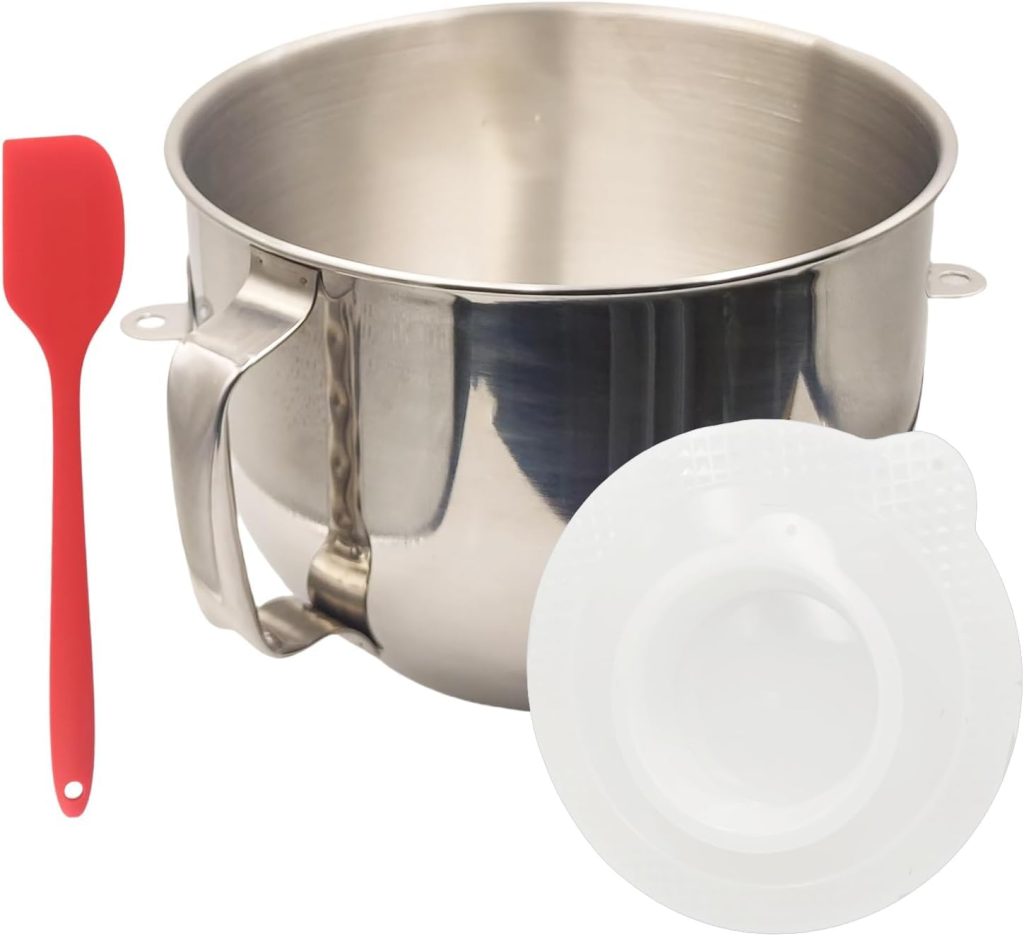
If you love baking or cooking with your KitchenAid mixer, you probably wonder how to clean it quickly and safely. One big question is: Is your KitchenAid mixer bowl dishwasher safe?
Knowing the right way to clean your bowl can save you time and keep your mixer in great shape. You’ll discover the best cleaning tips, what to avoid, and how to make your KitchenAid bowl last longer. Keep reading to find out exactly what you need to know!
Kitchenaid Mixer Bowl Materials
Kitchenaid mixer bowls come in different materials. Each material has its own care needs. It is important to know if your bowl is dishwasher safe.
Understanding the materials helps you keep the bowls in good shape. This guide explains the common bowl types and their dishwasher safety.
Stainless Steel Bowls
Stainless steel is the most popular material for Kitchenaid mixer bowls. It is strong and resists rust and stains. Most stainless steel bowls are dishwasher safe.
- Durable and long-lasting
- Resists dents and scratches
- Easy to clean in dishwasher
- Does not hold odors or stains
Glass Bowls
Glass bowls let you see the contents while mixing. They are usually dishwasher safe but must be handled with care. Sudden temperature changes can cause cracking.
| Feature | Details |
| Visibility | Clear, easy to watch mixing |
| Dishwasher Safe | Yes, but avoid sudden heat changes |
| Care Tips | Handle gently to prevent chips |
| Weight | Heavier than steel bowls |
Ceramic Bowls
Ceramic bowls offer a stylish look for your mixer. They can be dishwasher safe but may have special instructions from the manufacturer. Ceramic is more fragile than steel or glass.
Tips for Ceramic Bowls:
- Check manufacturer guidelines before dishwasher use
- Avoid harsh detergents to protect the finish
- Handle carefully to avoid cracks or chips

Credit: www.walmart.com
Dishwasher Safety Of Kitchenaid Bowls
Kitchenaid mixer bowls are popular for their quality and design. Many wonder if these bowls are safe to clean in a dishwasher.
This article explains dishwasher safety for Kitchenaid bowls. It covers what the manufacturer says, risks, and signs of damage.
Manufacturer Recommendations
Kitchenaid suggests hand washing most mixer bowls. Some stainless steel bowls may be dishwasher safe, but check the model.
Always read the instructions that come with your specific bowl. This helps keep your bowl in good shape longer.
Common Dishwasher Risks
Dishwashers use high heat and strong detergents. These can damage the finish or cause discoloration on some bowls.
Bowls made from aluminum or certain metals might warp or lose their shine in the dishwasher.
- Heat can weaken bowl coatings
- Detergents may cause stains or dullness
- Water pressure might cause dents or scratches
- Plastic parts can melt or deform
Signs Of Damage From Dishwashers
Look for changes after washing your bowl in the dishwasher. Damage often shows up as surface problems or shape changes.
Common signs include fading, dullness, small cracks, or warping. If you see these, stop using the dishwasher for cleaning.
- Faded or dull finish
- Cracks or chips on the surface
- Warped or bent shape
- Loose or damaged handles
Cleaning Tips For Stainless Steel Bowls
Stainless steel bowls are popular for their strength and shine. Keeping them clean helps them last longer. Proper cleaning stops stains and keeps your bowl safe to use.
This guide shares easy ways to wash your stainless steel bowl. Learn how to hand wash, use a dishwasher, and remove tough stains. Follow these tips to keep your KitchenAid mixer bowl looking great.
Hand Washing Techniques
Hand washing is gentle and helps protect the bowl’s finish. Use warm water and mild dish soap. Avoid harsh scrubbers that can scratch the surface.
- Fill the sink with warm soapy water.
- Use a soft sponge or cloth to clean the bowl.
- Rinse thoroughly with clean water to remove soap.
- Dry the bowl immediately with a soft towel to prevent water spots.
Using Dishwasher Safely
You can wash some stainless steel bowls in the dishwasher. Check your mixer’s manual first. Place the bowl securely to avoid bumps during the wash cycle.
| Dishwasher Setting | Recommended Use |
| Normal Wash | Safe for most stainless steel bowls |
| Heavy Duty | Use only if bowl is very dirty |
| High Heat Dry | Avoid to prevent discoloration |
Removing Stains And Residue
Stains or residue can build up from food or hard water. Use natural cleaners to keep the bowl shiny and clean.
Here are simple ways to remove stains:
- Make a paste with baking soda and water. Rub gently on stains.
- Use white vinegar to soak the bowl for 10 minutes. Rinse well.
- For tough spots, scrub lightly with a soft brush.
- Dry the bowl completely to stop new stains from forming.

Credit: therestaurantwarehouse.com
Care For Glass And Ceramic Bowls
Glass and ceramic bowls are common with KitchenAid mixers. These bowls need special care to last long. Proper cleaning and handling keep them looking great.
Many users ask if their mixer bowls are dishwasher safe. This guide focuses on how to keep glass and ceramic bowls safe and clean.
Avoiding Cracks And Chips
Glass and ceramic bowls can crack or chip easily. Follow these tips to protect your bowls:
- Do not drop or bang the bowl on hard surfaces.
- Handle the bowl gently when attaching or removing it from the mixer.
- Avoid sudden temperature changes, like putting a cold bowl into hot water.
- Do not use metal utensils inside the bowl to prevent scratches.
Safe Cleaning Methods
Cleaning your glass or ceramic bowl right keeps it in good shape. Use these safe methods:
| Cleaning Method | Instructions |
| Hand Washing | Use warm water and mild dish soap with a soft sponge. |
| Dishwasher (if allowed) | Place the bowl securely on the top rack away from heavy items. |
| Stain Removal | Use baking soda paste to gently scrub stains without harsh chemicals. |
When To Avoid Dishwasher Use
Dishwashers can damage some glass and ceramic bowls. Avoid using the dishwasher in these cases:
- If the bowl has any cracks or chips already.
- If the bowl is old or has delicate decorations.
- If the dishwasher detergent is very strong or abrasive.
- If the manufacturer’s instructions say not to use a dishwasher.
Alternative Cleaning Methods
Cleaning your KitchenAid mixer bowl is important to keep it in good shape. Not all bowls are dishwasher safe. Some need gentle care to avoid damage.
Here are some easy ways to clean your mixer bowl without using a dishwasher. These methods use simple tools and ingredients you may have at home.
Soaking And Scrubbing
Soaking the bowl helps loosen stuck-on food and stains. Use warm water and let the bowl sit for a while. This makes scrubbing easier.
After soaking, use a soft sponge or cloth to scrub the bowl gently. Avoid using steel wool or rough scrubbers that can scratch the surface.
Using Baking Soda And Vinegar
Baking soda and vinegar work well to remove stains and odors from the bowl. Sprinkle baking soda inside the bowl. Add a small amount of vinegar slowly.
Let the mixture bubble and sit for a few minutes. Then, scrub gently with a soft sponge. Rinse the bowl with warm water to remove all residue.
Cleaning With Mild Detergents
Use mild dish soap to clean your mixer bowl safely. Mix the soap with warm water and wash the bowl with a soft cloth or sponge.
Rinse the bowl well to remove any soap. Dry it with a clean towel to prevent water spots and keep it shiny.

Credit: www.amazon.ca
Maintenance Tips For Longevity
Keeping your KitchenAid mixer bowl in good condition helps it last longer. Simple care steps can protect its surface and shape.
Follow these maintenance tips to keep your mixer bowl working well for years.
Proper Storage
Store your mixer bowl in a dry place to avoid rust and stains. Avoid stacking heavy items on it to prevent dents or scratches.
- Keep the bowl in a cupboard with good air flow
- Use a soft cloth to cover it if needed
- Place it on a stable shelf to avoid falls
Regular Inspection
Check your mixer bowl often for signs of damage. Look for cracks, dents, or discoloration that might affect its use.
| Inspection Area | What to Check |
| Surface | Scratches, stains, rust spots |
| Edges | Chips or cracks |
| Base | Stability and dents |
Handling Tips To Prevent Damage
Handle the mixer bowl with care to avoid dents and scratches. Use gentle motions when attaching or removing it from the mixer.
- Lift the bowl, do not drag it on surfaces
- Use a soft cloth to clean instead of abrasive scrubbers
- Dry the bowl completely after washing to prevent rust
Troubleshooting Common Issues
KitchenAid mixer bowls are a durable kitchen tool. Sometimes, daily use causes stains, scratches, or dullness. Fixing these issues keeps your bowl looking good and working well.
This guide helps you handle common problems with your mixer bowl. Follow simple tips to clean, repair, and restore shine safely.
Removing Persistent Stains
Stains can come from food, drinks, or hard water. Use gentle methods to remove them without damaging the bowl’s surface.
- Make a paste using baking soda and water.
- Apply the paste on stains and let it sit for 15 minutes.
- Use a soft cloth or sponge to rub the area gently.
- Rinse the bowl with warm water and dry it well.
- For tough stains, soak the bowl in vinegar and water for 30 minutes before scrubbing.
Dealing With Scratches
Scratches can happen from metal tools or rough cleaning. Small scratches do not affect performance but can be smoothed out for a better look.
Try this simple method:
- Use a non-abrasive metal polish or a small amount of toothpaste.
- Apply it to the scratched area with a soft cloth.
- Rub gently in a circular motion for a few minutes.
- Wipe off with a clean, damp cloth and dry the bowl.
Restoring Shine To Bowls
Over time, bowls may lose their shine from washing or frequent use. Use safe cleaning methods to bring back the original gloss.
| Cleaning Method | Instructions | Frequency |
| Warm Soapy Water | Wash with mild dish soap and warm water using a soft sponge. | After each use |
| Vinegar Rinse | Rinse with a mixture of equal parts vinegar and water to remove dullness. | Once a week |
| Olive Oil Polish | Apply a few drops of olive oil on a soft cloth and buff the bowl. | Once a month |
Frequently Asked Questions
Is The Kitchenaid Mixer Bowl Dishwasher Safe?
Yes, most Kitchenaid mixer bowls are dishwasher safe. However, it’s essential to check the user manual for your specific model. Some bowls, especially those made of glass or with special finishes, may require hand washing. Always ensure proper care to maintain their longevity.
Can I Wash All Kitchenaid Bowls In The Dishwasher?
Not all Kitchenaid bowls are dishwasher safe. Stainless steel bowls are typically safe, but some glass or ceramic bowls may not be. Always refer to your product’s manual for specific cleaning instructions to avoid damage and ensure proper maintenance.
How Do I Clean A Kitchenaid Mixer Bowl?
To clean a Kitchenaid mixer bowl, first check if it’s dishwasher safe. If it is, place it on the top rack. For non-dishwasher-safe bowls, use warm soapy water and a soft cloth. Avoid abrasive cleaners to maintain its finish and ensure longevity.
Are Kitchenaid Attachments Dishwasher Safe?
Most Kitchenaid attachments are dishwasher safe, but it’s crucial to check each item’s instructions. Stainless steel attachments usually are, but others, like those with plastic components, may not be. Proper care will extend their lifespan and maintain performance.
Conclusion
Kitchenaid mixer bowls are mostly dishwasher safe. Always check the user manual first. Some bowls, like stainless steel ones, handle the dishwasher well. Bowls with special finishes may need hand washing. Cleaning the bowl properly keeps it in good shape.
Avoid harsh detergents to protect the finish. Taking simple care steps helps your mixer last longer. So, you can clean your bowl easily but stay cautious. This keeps your kitchen tool ready for many uses.