Are you wondering if landscape fabric is waterproof and how it affects your garden? You’re not alone.
When you’re trying to keep weeds at bay or control soil erosion, knowing whether landscape fabric blocks water is key. Imagine setting up a barrier that either lets water flow freely to your plants or traps moisture where you don’t want it.
This simple detail can make a big difference in your garden’s health and maintenance. Keep reading, and you’ll discover the truth about landscape fabric’s waterproof qualities and how to choose the best option for your outdoor space.
What Is Landscape Fabric Made Of
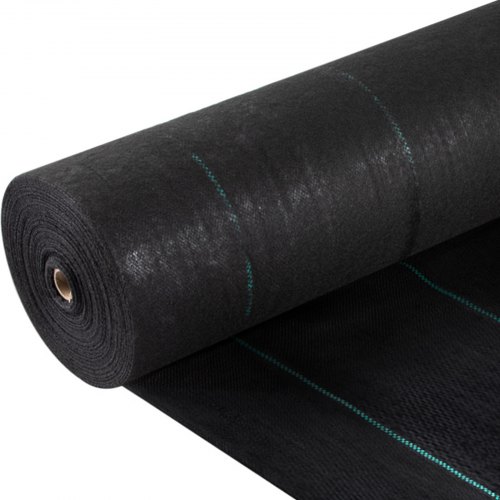
Landscape fabric is a material used to control weeds in gardens and yards. It lets water and air pass through while blocking sunlight.
Knowing what landscape fabric is made of helps understand its strength and water resistance.
Polypropylene And Polyester Fibers
Most landscape fabrics are made from polypropylene or polyester fibers. These are types of plastic that are strong and light.
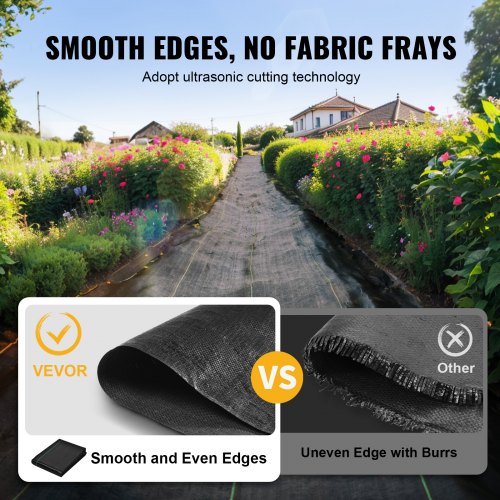
These fibers are woven tightly to create a durable fabric. This structure lets water flow through but stops weeds from growing.
Woven Vs. Non-woven Fabric
Woven fabric is made by weaving fibers in a crisscross pattern. It is strong and lets water drain well.
Non-woven fabric is made by pressing fibers together. It feels like felt and holds water differently than woven fabric.
- Woven fabric is more durable and water-permeable
- Non-woven fabric is softer and may hold more water
Uv Stabilizers And Additives
Many landscape fabrics include UV stabilizers. These chemicals protect the fabric from sun damage.
Additives can also improve water flow and prevent fabric from breaking down fast outdoors.
Water Resistance Vs Waterproof
Landscape fabric is often used in gardening and landscaping. Many people ask if it is waterproof. Understanding the difference between water resistance and waterproof helps answer this question.
This article explains how landscape fabric handles water. It also compares water resistance and waterproof features.
What Is Water Resistance?
Water resistance means a material can slow down water but not stop it completely. Water may pass through after some time. This helps protect soil but allows moisture to reach plants.
What Does Waterproof Mean?
Waterproof means no water can pass through the material. It blocks all water from crossing. This is useful in places where you want to keep water out completely.
Is Landscape Fabric Waterproof?
Most landscape fabrics are water resistant, not waterproof. They let water pass through to keep soil moist. This helps plants grow better and prevents water buildup.
- Allows water to drain
- Prevents weeds
- Reduces soil erosion
- Not meant to block all water
Comparing Water Resistance And Waterproof Features
| Feature | Water Resistant | Waterproof |
| Water Passage | Allows some water to pass | No water passes through |
| Use in Landscaping | Common for soil moisture control | Used for water barriers or liners |
| Effect on Plants | Supports healthy plant growth | Can block water needed by plants |
| Durability | Usually durable with some breathability | Durable but less breathable |
How Landscape Fabric Handles Water
Landscape fabric is a material used in gardens and yards. It helps control weeds while letting water reach the soil.
Understanding how it deals with water is important. This helps you use it correctly in your outdoor spaces.
Permeability And Drainage
Landscape fabric allows water to pass through it. This property is called permeability. It stops water from pooling on top.
Good drainage means water moves through the fabric and into the soil below. This helps plants get the water they need.
- Fabric lets water flow downwards
- Prevents water from sitting on the surface
- Supports healthy soil moisture levels
- Reduces soil erosion by controlling water flow
Effects Of Water Exposure
Landscape fabric is made to resist water damage. It does not break down or rot when wet.
Long exposure to water will not ruin the fabric. It stays strong and continues to control weeds and let water through.
- Water does not soak or weaken the fabric
- Fabric maintains its shape after heavy rain
- It stops weeds but lets water nourish plants
- Regular water exposure keeps fabric working well
Credit: www.vevor.ca
Common Uses Of Landscape Fabric
Landscape fabric is a handy tool in gardening and landscaping. It serves many purposes to help keep gardens healthy and neat.
It is important to know how this fabric can help. Here are some common uses you should be aware of.
Weed Control
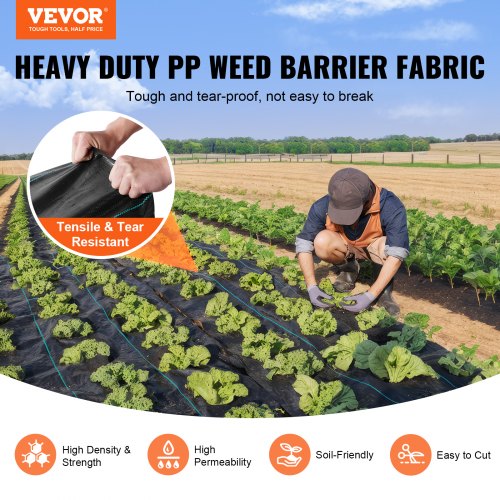
Landscape fabric helps stop weeds from growing. It blocks sunlight from reaching the soil, making it hard for weeds to sprout.
Gardeners often place it under mulch or stones. This adds an extra layer of protection against unwanted plants.
Soil Erosion Prevention
Heavy rains can wash soil away. Landscape fabric keeps soil in place and prevents erosion.
It is often used on slopes or hillsides. This helps maintain the landscape’s shape and structure.
Moisture Management
Landscape fabric helps manage soil moisture. It allows water to pass through while reducing evaporation.
This keeps plants hydrated and healthy. It is especially useful in dry areas where water conservation is important.
Limitations Of Landscape Fabric In Wet Conditions
Landscape fabric helps control weeds and soil erosion. It is often used in gardens and yards.
This fabric is not fully waterproof. It has limits when exposed to wet weather or heavy rain.
Water Penetration Through Fabric
Most landscape fabrics allow water to pass through. This helps plants get needed moisture.
Water can still soak the soil beneath the fabric. The fabric does not stop water completely.
Pooling And Water Build-up
Landscape fabric can cause water to pool on top if drainage is poor. This may harm plants.
Standing water may lead to mold or root rot in wet areas. Proper drainage is important.
Fabric Durability In Wet Soil
Wet soil can reduce the lifespan of landscape fabric. It may break down faster over time.
Constant moisture can weaken the material. This causes tearing and less effectiveness.
Limited Protection Against Heavy Rain
Heavy rain can wash away soil and mulch under the fabric. The fabric alone does not stop erosion.
Extra measures like proper grading and mulch help reduce damage from heavy rain.
Alternatives To Waterproof Landscape Fabric
Landscape fabric helps control weeds and soil erosion. Some people want waterproof options to keep water out.
This article looks at other materials you can use instead of waterproof landscape fabric.
Plastic Sheeting
Plastic sheeting is a strong, waterproof barrier. It blocks water completely, keeping the soil dry.
Use plastic sheeting under mulch or gravel for full water protection. It works well for paths and patios.
- Blocks all water flow
- Durable and long-lasting
- Can cause poor soil drainage
- Not breathable for plants
Rubber Mulch
Rubber mulch lets water pass but resists weeds and erosion. It lasts longer than organic mulch.
It is not waterproof but helps keep soil moisture steady. Rubber mulch is good for playgrounds and garden beds.
- Allows water and air through
- Reduces weed growth
- Does not decompose
- Can be more expensive
Gravel And Stone Mulch
Gravel and stone let water drain freely while stopping weeds from growing. They create a natural look.
This mulch type is not waterproof but helps keep soil from washing away. It works well around plants and paths.
- Allows water to flow through
- Prevents soil erosion
- Does not keep soil wet
- Heavy and long-lasting
Coco Coir Mats
Coco coir mats are made from coconut fibers. They hold water but do not block it completely.
These mats reduce weeds and support plant growth. They break down over time and add nutrients to soil.
- Holds moisture well
- Allows water drainage
- Biodegradable and natural
- Needs replacement after some time
Woven Burlap Fabric
Woven burlap is a breathable fabric that lets water pass through easily. It controls weeds moderately.
This fabric decomposes slowly and adds organic matter to the soil. It works well for temporary weed control.
- Breathable and water-permeable
- Natural and biodegradable
- Not fully waterproof
- Good for short-term use
Tips For Choosing The Right Fabric For Your Garden
Landscape fabric helps control weeds and protects your plants. Choosing the right fabric keeps your garden healthy.
Not all landscape fabrics are waterproof. Knowing the fabric type helps you pick the best one.
Understand If Landscape Fabric Is Waterproof
Most landscape fabrics let water pass through. This helps plants get water and air.
Some fabrics have a waterproof layer. These block water and prevent soil moisture.
- Water-permeable fabrics allow water flow
- Waterproof fabrics block water completely
- Choose based on your garden’s water needs
Check Fabric Material And Durability
Look for fabrics made from polypropylene or polyester. These last longer in gardens.
Durable fabrics resist tearing and keep weeds down for years.
- Polypropylene is lightweight and strong
- Polyester offers good durability
- Thicker fabrics last longer
Consider Water Drainage Needs
If your soil drains well, use water-permeable fabric. It lets water reach roots easily.
For poor drainage areas, choose fabric that stops water to prevent soggy soil.
- Permeable fabrics improve air and water flow
- Waterproof fabrics help in wet spots
- Match fabric to soil drainage type
Match Fabric Size And Thickness To Garden Area
Use wider fabric rolls for large areas. It reduces seams and work time.
Choose thicker fabric for high-traffic zones. It stands up to foot traffic and tools.
- Wide rolls cover bigger spaces fast
- Thicker fabric lasts longer in tough spots
- Thin fabric suits small, low-traffic areas
Check Fabric Uv Resistance
UV-resistant fabric stays strong under sun exposure. It lasts longer in outdoor gardens.
Without UV protection, fabric breaks down quickly and needs replacing.
- Look for UV-stabilized fabrics
- UV resistance increases fabric life
- Avoid fabrics that degrade in sunlight
Credit: www.vevor.ca
Credit: www.vevor.ca
Frequently Asked Questions
Is Landscape Fabric Completely Waterproof?
No, landscape fabric is not completely waterproof. It is designed to be water-permeable, allowing water and air to pass through while blocking weeds.
Can Landscape Fabric Prevent Soil Erosion?
Yes, landscape fabric helps reduce soil erosion by stabilizing the soil. It holds the soil in place during heavy rain or wind.
How Does Landscape Fabric Affect Water Drainage?
Landscape fabric improves water drainage by letting water flow through. This prevents water pooling and promotes healthy plant growth.
Is Landscape Fabric Suitable For Wet Areas?
Landscape fabric works well in wet areas since it allows water to drain. However, proper installation is crucial to prevent waterlogging.
Conclusion
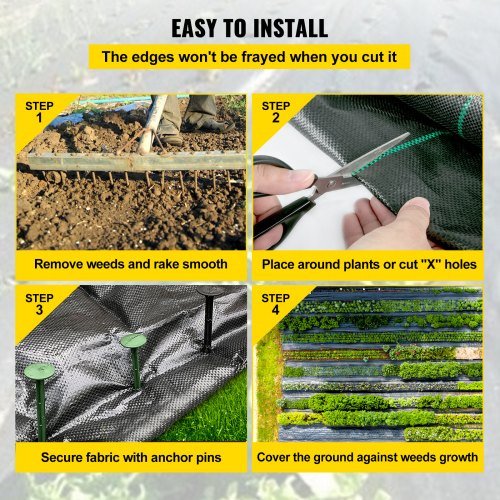
Landscape fabric lets water pass through but blocks weeds well. It is not fully waterproof, so water can reach soil below. Use it to stop weed growth and keep soil stable. Remember to choose the right fabric for your garden needs.
Proper installation helps fabric work better and last longer. This simple tool can make gardening easier and cleaner. Keep in mind, no fabric blocks water completely. Knowing this helps you plan your garden better and avoid problems.