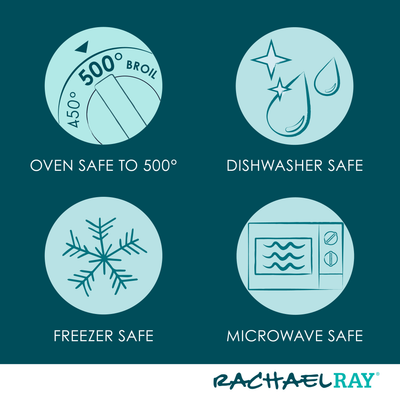
Have you ever wondered if your microwave-safe dish is also oven-safe? It’s a common question that might pop into your head as you prepare your favorite meal.
You want to ensure that your cookware can withstand the heat without any unexpected mishaps. Understanding the difference between microwave-safe and oven-safe is crucial for your safety and to preserve your precious kitchenware. We’ll unravel the mystery and give you the confidence to use your dishes and containers without worry.
Stick with us, and you’ll discover the key to hassle-free cooking and baking.
Credit: www.sumkoka.com
Microwave Vs Oven Basics
Understanding the basics of how microwaves and ovens work is essential to know which cookware is safe for each. Both appliances heat food but do so in very different ways. Knowing these differences helps you choose the right containers and avoid accidents or ruined meals.
How Microwaves Work
Microwaves use electromagnetic waves to heat food. These waves cause water molecules in the food to vibrate rapidly, producing heat. This method heats food quickly from the inside out, which is why microwaving is often much faster than traditional cooking.
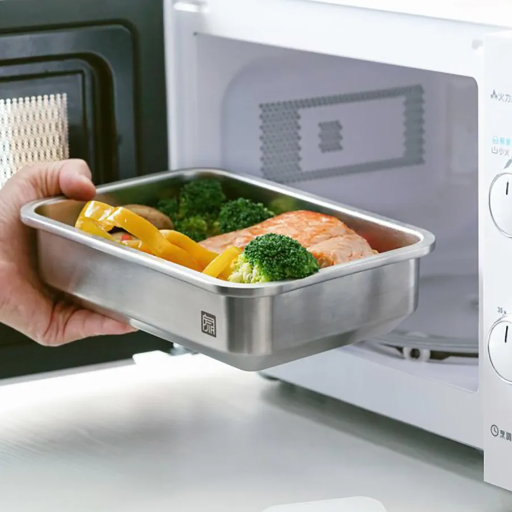
Because microwaves target water molecules, containers made of metal or materials that block microwaves are not safe. You’ve probably noticed why metal spoons or aluminum foil cause sparks in the microwave—that’s the effect of microwaves reacting with metal.
How Ovens Cook Food
Ovens use hot air or electric heating elements to cook food. The heat surrounds the food and cooks it from the outside in. This slower, more even heating method is ideal for roasting, baking, and browning.
Oven-safe cookware can withstand high temperatures without melting or releasing harmful chemicals. Materials like glass, ceramic, and certain metals work well in ovens. Unlike microwaves, ovens do not rely on radiation but on heat transfer through air and contact.
Key Differences In Heating Methods
- Speed:Microwaves cook food rapidly by exciting water molecules, while ovens take longer as they heat through air.
- Heat Distribution:Microwaves heat unevenly in some cases, which may require stirring, whereas ovens provide steady, even heat.
- Material Compatibility:Microwave-safe containers let microwaves pass through; oven-safe cookware withstands direct heat without damage.
Think about the last time you reheated leftovers. Did you use the microwave or the oven? How did your container hold up? Your choice of cookware can make a big difference in both safety and food quality.
Materials Safe For Microwaves
Knowing which materials are safe for microwaves can save you from ruined meals and damaged cookware. Not everything in your kitchen can handle microwave heat, so understanding the right materials helps protect your food and your microwave. Let’s look closely at what works best and what you should avoid when heating food.
Microwave-safe Plastics
Not all plastics are created equal when it comes to microwaving. Plastics labeled “microwave-safe” are designed to withstand heat without melting or releasing harmful chemicals.
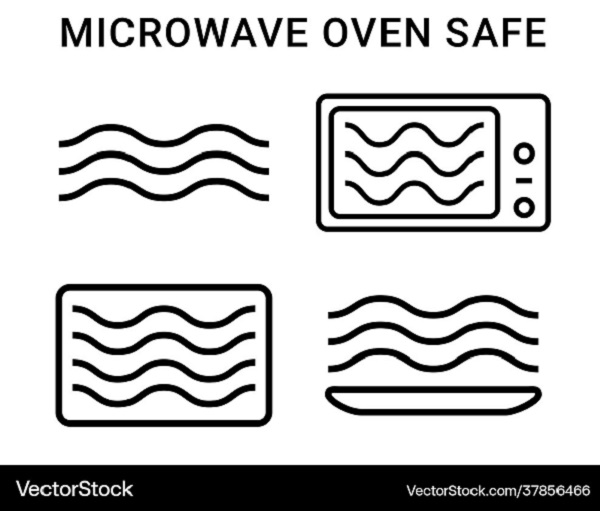
Look for containers marked with a microwave-safe symbol or check the bottom for numbers like 1, 2, 4, or 5. Avoid plastics that are cracked or old, as they can leach toxins into your food.
Have you ever noticed your plastic container warping after a quick heat-up? That’s a clear sign it wasn’t made for microwave use. Always opt for containers made specifically for microwaving to keep your meals safe.
Glass And Ceramics
Glass and ceramics are usually safe bets for microwave use, especially when labeled microwave-safe. They heat food evenly and don’t leach chemicals.
Be cautious with decorative ceramics or glassware with metallic paint or trims—they can spark in the microwave. Plain glass dishes and ceramic bowls without metallic elements work well for reheating and cooking.
Using a glass bowl instead of plastic can make your leftovers taste fresher. Plus, glass is easier to clean and doesn’t stain like plastic often does.
Avoiding Metal And Foil
Metal and foil are big no-nos in the microwave. They reflect microwaves instead of absorbing them, which can cause sparks or fires.
Even small pieces of metal, like gold-rimmed plates or twist ties, can damage your microwave or start a fire. When in doubt, remove any metal before heating.
Instead of using aluminum foil to cover your food, try microwave-safe lids or microwave-safe plastic wrap. This keeps your food moist without risking damage to your microwave or causing safety hazards.
Materials Safe For Ovens
Knowing which materials are safe for oven use is crucial for cooking success and kitchen safety. Not all cookware can handle the intense heat ovens produce, and using the wrong materials can damage your kitchenware or even cause accidents. Understanding what you can and cannot put in your oven helps you avoid costly mistakes and keeps your food tasting great.
Oven-safe Cookware Types
Several materials are designed to withstand high oven temperatures without warping or releasing harmful substances. These include:
- Glass: Tempered glass dishes like Pyrex are excellent for baking and roasting. They heat evenly and allow you to watch your food as it cooks.
- Ceramic: Glazed ceramics can handle oven heat well, making them perfect for casseroles and baked desserts. Just avoid sudden temperature changes to prevent cracking.
- Metal: Stainless steel, cast iron, and aluminum pans are common oven-safe options. Cast iron, in particular, retains heat superbly and is great for searing and baking.
- Silicone: Heat-resistant silicone bakeware is flexible and easy to clean. It can usually withstand temperatures up to around 450°F (230°C).
Have you ever had a pan warp or crack mid-cook? Choosing the right material can save you from that frustration.
Handling High Temperatures
Oven-safe materials can still suffer damage if exposed to extreme temperature shocks. Avoid moving cookware directly from the freezer to a hot oven to prevent cracking or warping.
Use oven mitts or heat-resistant gloves to handle hot items safely and prevent burns. Also, preheat your oven before placing cookware inside for more even cooking and to protect your dishes.
Think about how you store your cookware. If a dish is cold, let it reach room temperature before placing it in the oven.
Items To Avoid In Ovens
Not every dish you use in the microwave or on the stove can go into the oven. Avoid these materials:
- Plastic: Even microwave-safe plastics can melt or release toxins under oven heat.
- Non-oven-safe glass: Regular glass jars or containers may shatter when exposed to high temperatures.
- Paper products: Paper plates or towels can catch fire in the oven.
- Wood: Wooden utensils or trays can dry out and crack or even ignite.
Have you ever tried to bake in a container only to see it melt or warp? Knowing what to avoid can save you from kitchen disasters and keep your meals safe.

Credit: razab.com
Can Microwave-safe Items Go In The Oven?
Understanding whether microwave-safe items can go in the oven is important for safe cooking. These items are designed to handle microwave heat, which is different from the dry heat of an oven. Using microwave-safe containers in an oven may cause problems. Learn the limits and safer choices for cooking.
Heat Resistance Limits
Microwave-safe containers are made to withstand microwave heat only. Microwaves heat food quickly using radiation. Oven heat is often much hotter and lasts longer. Most microwave-safe plastics melt or warp above 212°F (100°C). Ovens can reach temperatures over 400°F (204°C). This high heat can damage containers not made for ovens. Check the product label for maximum heat tolerance before oven use.
Risks Of Using Microwave-safe Containers In Ovens
Using microwave-safe containers in ovens can cause several risks. Containers may melt, warp, or release harmful chemicals. This can ruin food and harm health. Warped containers can leak or break, causing burns. Plastic containers may catch fire at high temperatures. Always avoid putting plastic microwave-safe items in a hot oven. Glass or ceramic marked microwave-safe may still break in ovens due to thermal shock.
Safe Alternatives For Dual Use
Choose containers clearly labeled safe for both microwave and oven use. Materials like oven-safe glass, ceramic, and metal work well. These handle high dry heat without damage. Silicone bakeware is flexible and heat resistant. Use oven-safe dishes for baking or roasting. For microwave cooking, use microwave-safe plastics or glass. Read labels carefully to avoid mix-ups. Using the right container keeps cooking safe and easy.
Can Oven-safe Items Go In The Microwave?
Can oven-safe items go in the microwave? This question often confuses many. Oven-safe means the item can handle high heat from an oven, but microwave heat works differently. Not every oven-safe dish is safe for microwave use. Understanding this difference helps keep your dishes and kitchen safe.
Microwave Compatibility Of Ovenware
Oven-safe items are made to resist dry heat from ovens. They often handle temperatures above 400°F. Microwaves use electromagnetic waves to heat food. This heats moisture inside the food, not the dish directly. Some oven-safe materials like glass and ceramic can work in microwaves. Others, like metal pans, cannot.
Check the label on your dish. Look for microwave-safe symbols or notes. Oven-safe does not always mean microwave-safe. Plastic ovenware may melt or release harmful chemicals in microwaves. Porcelain and stoneware often work but verify first.
Potential Hazards
- Metal ovenware can cause sparks or fires in microwaves.
- Non-microwave plastics may melt and leak chemicals.
- Some ceramics may crack or shatter from quick heat changes.
- Oven-safe glass may break if it has any cracks or chips.
- Food may heat unevenly in incompatible dishes, causing burns.
Tips For Safe Microwave Use
- Use only containers labeled microwave-safe.
- Avoid metal trims or decorations on dishes.
- Check for cracks or damages before microwaving.
- Test new dishes by microwaving with water for 30 seconds.
- Cover food to prevent splatters and retain moisture.
- Stir food halfway to ensure even heating.
- Use microwave-safe lids or wraps to avoid plastic exposure.
Common Cooking Mistakes To Avoid
Avoiding common cooking mistakes protects your food and kitchenware. Many issues arise from simple errors. These mistakes affect safety and cooking results. Knowing what to avoid saves time and money. Follow these tips to improve your microwave and oven use.
Using The Wrong Container
Not all containers work well in microwaves or ovens. Plastic containers may melt or release harmful chemicals. Metal containers cause sparks and damage microwave parts. Glass and ceramic are usually safe but check labels first. Avoid containers with metallic paint or trims. Use only containers marked microwave-safe or oven-safe.
Overheating And Melting Risks
Overheating food or containers can cause serious problems. Some plastics soften or melt under high heat. This leads to spills and burns. Food can overcook or dry out quickly. Stir food to heat evenly and prevent hot spots. Set timers carefully and check food often. Use lower power settings for delicate dishes.
Food Safety Concerns
Improper heating can leave food unsafe to eat. Uneven heating may not kill harmful bacteria. Raw or frozen food needs thorough cooking. Use a food thermometer to check temperatures. Reheat leftovers to at least 165°F (74°C). Avoid microwaving eggs in shells; they can explode. Follow cooking instructions closely to ensure safety.
Tips For Safe Cooking In Both Appliances
Cooking safely in both microwave and oven requires attention to detail. Understanding how each appliance works helps prevent accidents and food issues. Follow simple tips to keep your kitchen safe and your meals delicious.
Choosing The Right Cookware
Select cookware that suits both microwave and oven use. Materials like glass, ceramic, and some plastics often work well. Avoid metal in microwaves to prevent sparks and damage.
- Use microwave-safe containers with clear labels.
- Pick oven-safe dishes that withstand high heat.
- Check if the cookware can handle temperature changes.
Proper Cleaning And Maintenance
Keep your cookware and appliances clean to ensure safety and performance. Remove food residues that can cause smoke or odors. Clean microwave interiors regularly to avoid buildup.
- Wash dishes with mild soap and soft sponges.
- Wipe down microwave walls after each use.
- Inspect cookware for cracks or damage before cooking.
Reading Manufacturer Guidelines
Always read the user manuals and labels for both appliances. Follow recommended instructions to avoid misuse. Manufacturer guidelines often include safety tips and proper use cases.
- Check if the cookware is approved for microwave or oven use.
- Follow temperature limits and cooking time suggestions.
- Note any warnings about materials or cleaning methods.
Credit: ssalloy-steel.com
Frequently Asked Questions
Is Microwave Safe Also Oven Safe?
Not always. Microwave-safe means it can handle microwave heat, but oven-safe means it can withstand higher temperatures. Check the product label to ensure it’s safe for both.
Can I Use Microwave Containers In A Conventional Oven?
Usually no. Most microwave containers can melt or warp in conventional ovens. Always verify the container’s oven-safe rating before use.
What Materials Are Safe In Both Microwave And Oven?
Glass, ceramic, and some silicone products are often safe for both. Avoid plastic unless it’s explicitly labeled as oven-safe.
How To Identify If An Item Is Microwave And Oven Safe?
Look for manufacturer labels or symbols on packaging. Items marked “microwave and oven safe” meet safety standards for both appliances.
Conclusion
Microwave and oven safety depends on the cookware used. Not all containers work well in both appliances. Glass, ceramic, and some plastics are usually safe in microwaves. Oven-safe cookware handles heat well without damage. Avoid metal in microwaves to prevent sparks and fire.
Always check labels or instructions before heating food. Using the right dishes helps keep your food and appliances safe. Simple care and choice make cooking easier and safer. Remember, knowing what is microwave safe and oven safe saves time and effort.