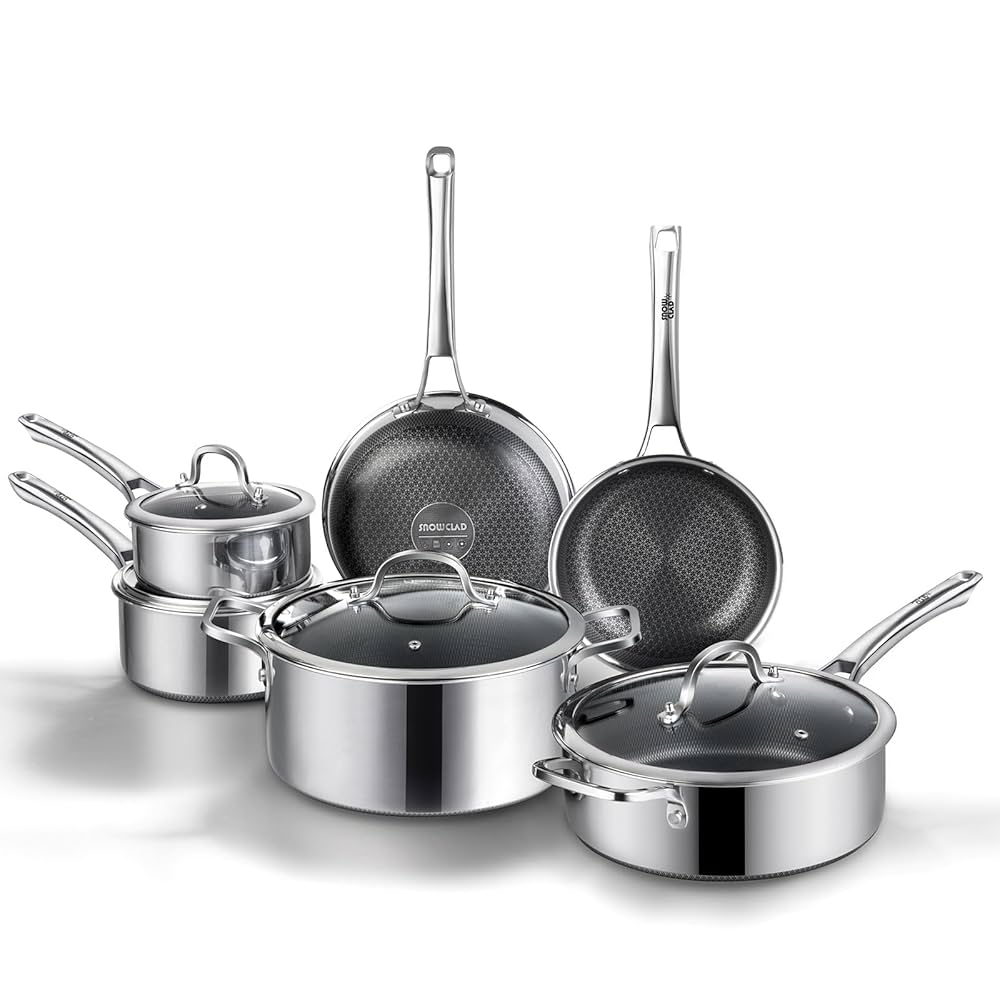
Are you tired of food sticking to your pans and making cooking a frustrating experience? You might be wondering if stainless steel cookware can offer a nonstick solution without the chemicals found in traditional nonstick pans.
Understanding whether stainless steel is truly nonstick can change how you cook and clean, saving you time and effort. Keep reading to discover the truth about stainless steel cookware and how it can work for you in the kitchen.
Stainless Steel Cookware Basics
Stainless steel cookware is popular in many kitchens. It is known for durability and even cooking.
People often ask if stainless steel cookware is nonstick. This depends on how it is used and made.
Material Composition
Stainless steel cookware is made from a mix of metals. The main metal is iron with added chromium.
Chromium helps prevent rust and gives the shiny surface. Nickel is often added for extra shine and strength.
- Iron forms the base of the metal
- Chromium adds rust resistance
- Nickel improves shine and toughness
- Sometimes other metals help conduct heat
Common Uses In Cooking
Stainless steel cookware is good for many cooking styles. It works well for frying, sautéing, and boiling.
This cookware does not have a nonstick coating. Food can stick if the pan is too cold or dry.
- Frying meats and vegetables
- Sautéing with oil or butter
- Boiling pasta or vegetables
- Making sauces and gravies
Nonstick Properties Explained
Many people wonder if stainless steel cookware is nonstick. Understanding how nonstick works helps answer this question. Nonstick means food does not stick to the pan surface while cooking.
Different types of cookware have different ways to keep food from sticking. This guide explains what makes cookware nonstick and how stainless steel differs.
What Makes Cookware Nonstick
Nonstick cookware has a special coating. This coating creates a smooth surface. The surface stops food from clinging to the pan. It also makes cleaning easier.
- Made with materials like Teflon or ceramic
- Has a smooth, slick surface
- Needs gentle heat to protect the coating
- Works best with little or no oil
- Can wear off over time and use
Differences From Stainless Steel
Stainless steel cookware does not have a nonstick coating. It relies on heat and cooking technique to prevent sticking. Food can stick if the pan is too cold or not oiled well.
| Feature | Nonstick Cookware | Stainless Steel Cookware |
| Surface | Coated with slick material | Plain metal surface |
| Stick Resistance | High when new | Depends on heat and oil |
| Durability | Coating can scratch | Very durable and scratch resistant |
| Care | Use soft utensils | Can use metal utensils safely |
| Heat Tolerance | Lower heat recommended | Can handle high heat |
How Stainless Steel Reacts With Food
Stainless steel cookware is popular in many kitchens. It is known for its durability and resistance to rust. This metal reacts differently with food compared to nonstick pans.
Understanding how stainless steel interacts with food helps you cook better. It also explains why food sometimes sticks to the pan surface.
Food Sticking Factors
Food sticking to stainless steel depends on several things. The surface texture, moisture level, and cooking temperature all play a role. Knowing these can reduce sticking and improve cooking results.
- Surface texture:Stainless steel has a smooth but slightly rough surface that can cause food to cling.
- Moisture:Water or oil creates a barrier to help food release from the pan.
- Temperature:Proper heat helps form a natural nonstick layer called the “Maillard reaction.”
- Food type:Foods with high sugar or protein tend to stick more.
- Cooking technique:Letting food sear before moving it reduces sticking.
Heat Distribution And Its Role
Heat spreads differently in stainless steel pans compared to other materials. Good heat distribution is key for even cooking and less sticking.
| Cookware Material | Heat Distribution Quality | Effect on Food Sticking |
|---|---|---|
| Stainless Steel | Moderate to Good | Needs time to heat evenly to prevent sticking |
| Cast Iron | Excellent | Retains heat well, helps form nonstick surface over time |
| Nonstick Coated | Varies | Low sticking due to coating, but coating can wear off |

Credit: www.amazon.com
Tips To Minimize Sticking
Stainless steel cookware is not naturally nonstick. Food can stick if you do not use the right techniques. You can reduce sticking by following simple tips.
Using proper heat and the right amount of oil helps food release easily. These tips make cooking smoother and cleanup faster.
Proper Heating Techniques
Heat the pan before adding food. A hot pan helps seal the surface and prevents sticking. You can test heat by sprinkling a few drops of water. If the drops dance and evaporate, the pan is ready.
Avoid using very high heat. Too much heat can cause food to stick or burn. Medium or medium-high heat works best for most cooking.
- Preheat the pan for 1-2 minutes
- Use medium heat for most foods
- Let the pan cool before cleaning
Using Oil And Fat Correctly
Add enough oil or fat to cover the pan’s surface. This creates a barrier between food and metal. Use oils with a high smoke point like vegetable or canola oil.
Heat the oil until it shimmers before adding food. This means the oil is hot and ready to help prevent sticking. Do not add cold food directly to cold oil.
- Pour oil before heating the pan or after preheating
- Heat oil until it moves smoothly and shines
- Use enough oil to coat the cooking surface
Pros And Cons Compared To Nonstick Cookware
Choosing between stainless steel and nonstick cookware depends on your cooking needs. Both types have advantages and disadvantages.
This article looks at durability, maintenance, health, and safety of stainless steel versus nonstick cookware.
Durability And Maintenance
Stainless steel cookware lasts longer than nonstick pans. It resists scratches and high heat better. Nonstick coatings can wear off over time.
| Feature | Stainless Steel | Nonstick |
| Durability | High; resists scratches and dents | Lower; coating can peel or chip |
| Maintenance | Needs regular polishing to keep shine | Easy to clean; avoid metal utensils |
| Heat Resistance | Safe at high temperatures | Can degrade with high heat |
| Lifespan | 10+ years with care | 2-5 years depending on use |
Health And Safety Considerations
Stainless steel does not release harmful chemicals during cooking. Nonstick pans may release fumes if overheated.
- Stainless steel is safe at all cooking temperatures.
- Nonstick coatings can break down above 500°F (260°C).
- Some nonstick coatings contain chemicals that may be harmful if damaged.
- Stainless steel can react with very acidic foods, but this rarely causes issues.
- Proper use and care reduce health risks for both types.
Credit: circulon.com
When To Choose Stainless Steel
Stainless steel cookware is a popular choice in many kitchens. It is durable and easy to clean. This type of cookware works best in certain cooking situations.
Knowing when to use stainless steel can help you cook better meals. It is not nonstick, but it offers other advantages.
Best Cooking Scenarios
Stainless steel pans are great for cooking foods that need high heat. They are perfect for browning and searing meat. They also handle acidic ingredients well without damage.
- Searing steaks and chicken
- Sauteing vegetables
- Making pan sauces and reductions
- Boiling or simmering soups
- Cooking acidic dishes like tomato sauce
Recipes That Work Well
Use stainless steel cookware for recipes that need even heat and quick temperature changes. It is ideal for dishes where you want a good crust or fond to develop.
| Recipe | Why Stainless Steel Works |
| Pan-seared steak | Allows high heat for browning and crust formation |
| Sautéed mushrooms | Even heat helps release moisture and flavor |
| Tomato-based pasta sauce | Resists acid damage and easy to stir |
| Omelets | Requires careful heat control for cooking evenly |
| Deglazing for pan sauce | Fond sticks to pan and dissolves into sauce |

Credit: www.walmart.com
Frequently Asked Questions
Is Stainless Steel Cookware Naturally Nonstick?
Stainless steel cookware is not naturally nonstick. It requires proper cooking techniques to prevent food from sticking. Preheating the pan and using adequate oil can help. Stainless steel is favored for its durability and even heat distribution. For nonstick properties, consider seasoning your pan regularly.
How Do You Make Stainless Steel Nonstick?
To make stainless steel nonstick, preheat the pan before adding oil or butter. Ensure the oil shimmers, then add food. This method helps create a barrier between the food and the pan. Regular seasoning and proper cleaning can enhance the nonstick properties over time.
Is Stainless Steel Better Than Nonstick Cookware?
Stainless steel is more durable and resistant to high heat than nonstick cookware. It offers excellent heat distribution and is great for browning and searing. However, it requires more skill to prevent sticking. Nonstick is easier for low-fat cooking and cleaning but can wear out faster.
Can Stainless Steel Cookware Be Seasoned?
Yes, stainless steel cookware can be seasoned to enhance its nonstick properties. Clean and dry the pan thoroughly. Apply a thin layer of oil and heat it until it reaches its smoke point. Let it cool, then wipe off excess oil.
This creates a protective layer.
Conclusion
Stainless steel cookware is not naturally nonstick. Food can stick without proper heat and oil. Cooking with the right temperature helps prevent sticking. Using enough oil creates a smooth cooking surface. Cleaning stainless steel is easy with warm water and soap.
This cookware lasts long and handles high heat well. It suits many cooking styles, but patience is key. Choose stainless steel if you want durable, versatile pots and pans. Remember, nonstick does not always mean better cooking. Stainless steel offers quality and control in your kitchen.